
The communal viewing experience is real and it matters. A film like this in a sold out theater full of fans hits completely differently than watching it alone at home three weeks later.
7
Sign up to see more
SignupAlready a member?
LoginBy continuing, you agree to Sociomix's Terms of Service, Privacy Policy

The communal viewing experience is real and it matters. A film like this in a sold out theater full of fans hits completely differently than watching it alone at home three weeks later.
Yes it is in the film. Reviewers mentioned the scene is presented as a driver of his determination rather than the start of his painkiller issues, which is the sanitized version of events, but the incident itself is depicted.
Second Life Ranker gets unfairly dismissed by readers who gave up in the middle chapters. The series goes through some pacing issues around the midpoint but the later arcs are some of the most ambitious storytelling in the entire genre.
Studio Xtorm is relatively new and unproven on something of this scale, which is my only real worry. The source material is exceptional. Execution is the variable.
From what I understand the novel handles this with some care, suggesting Seongshik had unexplored feelings that the situation brings into focus rather than framing the BL world as the thing that makes him gay. The manhwa adaptation seems to follow the same approach.
The webtoon medium is actually perfect for this type of story because the vertical scroll pacing lets you control exactly when reveals land in a way print pagination cannot replicate as precisely.
Solo Leveling being the first manhwa adaptation to win anime of the year is proof the genre has fully arrived. ORV has the narrative depth to go even further if the adaptation respects it.
Read the first thirty chapters last week for the first time. The nano machine interface felt gimmicky at first then by chapter fifteen I realized I was using it to predict what Cheon Yeo-Woon was going to do before he did it. The art made me feel like I was also analyzing the fight.
In a manhwa landscape dominated by dungeon crawling, regression narratives, and power fantasies, The Greatest Estate Developer stands out by asking a simple question: what if the protagonist's greatest weapon wasn't a sword or magic system, but civil engineering knowledge? This bizarre premise transforms into one of the most entertaining, genuinely funny, and surprisingly heartfelt series currently running, proving that innovation in storytelling comes from unexpected places. The series takes the familiar isekai setup where a modern person finds themselves in a fantasy world and completely subverts expectations. Instead of becoming an adventurer or hero, protagonist Kim Suho uses his engineering knowledge to revolutionize construction, infrastructure, and economic development. What sounds like it should be boring becomes absolutely captivating through sharp writing, excellent comedic timing, and genuine passion for showing how infrastructure improves lives.

Fair point, it is early. But the foundation being this strong this early is rare enough to be worth discussing.
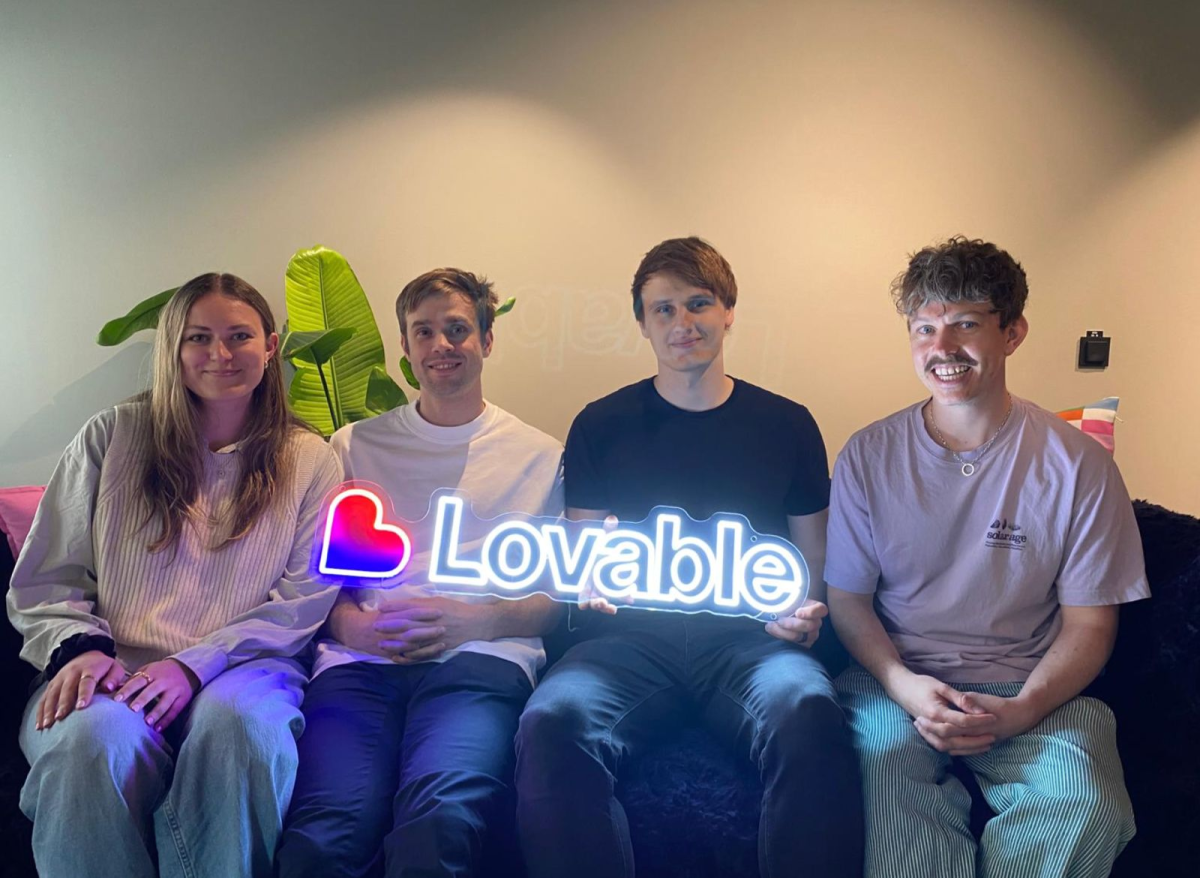
The software development world just witnessed something unprecedented. A European startup called Lovable reached $20 million in annual recurring revenue in just two months, making it potentially the fastest-growing startup in European history. But here's the twist that's making traditional software agencies nervous: they did it by giving non-technical founders the power to build full-stack applications without writing a single line of code. For years, the promise of no-code tools has been the same: anyone can build an app. But the reality has always been different. You'd create a beautiful frontend, get excited about your progress, and then hit the technical cliff. Suddenly you needed to configure databases, set up authentication, manage API keys, and deploy to servers. The "no-code" dream became a "hire-a-developer-anyway" nightmare.
The claim that this builds trust because people reference transcripts in legal contexts is doing a lot of work given the active litigation currently challenging whether this tool violated recording laws. Trust is complicated.
As a software developer I have complicated feelings about this. On one hand it could meaningfully improve the security of code I ship. On the other hand the same capability that patches my code can be used to attack systems I depend on if it ever escapes the restricted group.
Been using Claude Code for about five months now and honestly the context awareness across multi-file projects is in a different league. The fact that OpenAI felt pressure to release this tells you everything about where developer sentiment has shifted.
Claude Code went from launch in May 2025 to $1 billion in run-rate revenue by November. No enterprise software product in history has done that. OpenAI needs more than a new tier to respond to that.
The global cryptocurrency market capitalization has climbed back above the $2.5 trillion threshold, fueled by a massive liquidation of short positions and renewed institutional interest. Geopolitical developments and shifting investor sentiment combined to create a powerful rally that caught bearish traders off guard, resulting in substantial losses for those betting against the market. According to data from CoinGecko, the total market capitalization of all cryptocurrencies combined increased 1.4% to reach $2.52 trillion on Friday, April 10. Bitcoin experienced a notable surge of over 3%, briefly touching the $73,000 mark before consolidating around $72,000 at the time of writing. Ethereum demonstrated equally impressive strength, pushing past the $2,200 level, while the majority of top 10 cryptocurrencies by market capitalization also posted significant gains.

Does anyone actually think the benchmark scores Meta published are reliable at this point? They were caught manipulating benchmarks for a previous model. There is no independent verification attached to the claims they are making about Muse Spark's performance.
Honestly the 15 minute window is fine for fixing typos but it feels a little arbitrary. Why not 30? Why not an hour? Did someone at Meta just spin a wheel?
what happens when the next model does this without any of the safety framing? Someone at another lab or a well-funded team is building the equivalent right now with no Project Glasswing equivalent planned.
As someone who builds on AI APIs professionally, the move to proprietary is frustrating but understandable. Meta needed to monetize something. Giving away open weights for years built goodwill but not revenue. The real question is whether their API pricing will be competitive with OpenAI and Anthropic.