For people wondering about whether Copycat is appropriate for sensitive readers, I would say the body horror is conceptual more than visual. Hwang implies more than he shows, which somehow makes it worse.
16
Sign up to see more
SignupAlready a member?
LoginBy continuing, you agree to Sociomix's Terms of Service, Privacy Policy

For people wondering about whether Copycat is appropriate for sensitive readers, I would say the body horror is conceptual more than visual. Hwang implies more than he shows, which somehow makes it worse.
The constellations becoming full characters with distinct personalities and political agendas is where I went from liking this story to being completely obsessed with it. The Secretive Plotter alone justified the entire premise.
The predictive combat modeling showing ghosted future possibilities is wild when you think about how technically difficult that is to draw. You have the present action AND the potential action in the same panel and somehow it never feels cluttered.
The QWER opening theme announcement got me more excited than almost anything else. A Korean girl group doing their first Japanese anime tie-up for this show feels like a genuinely cool cultural moment.
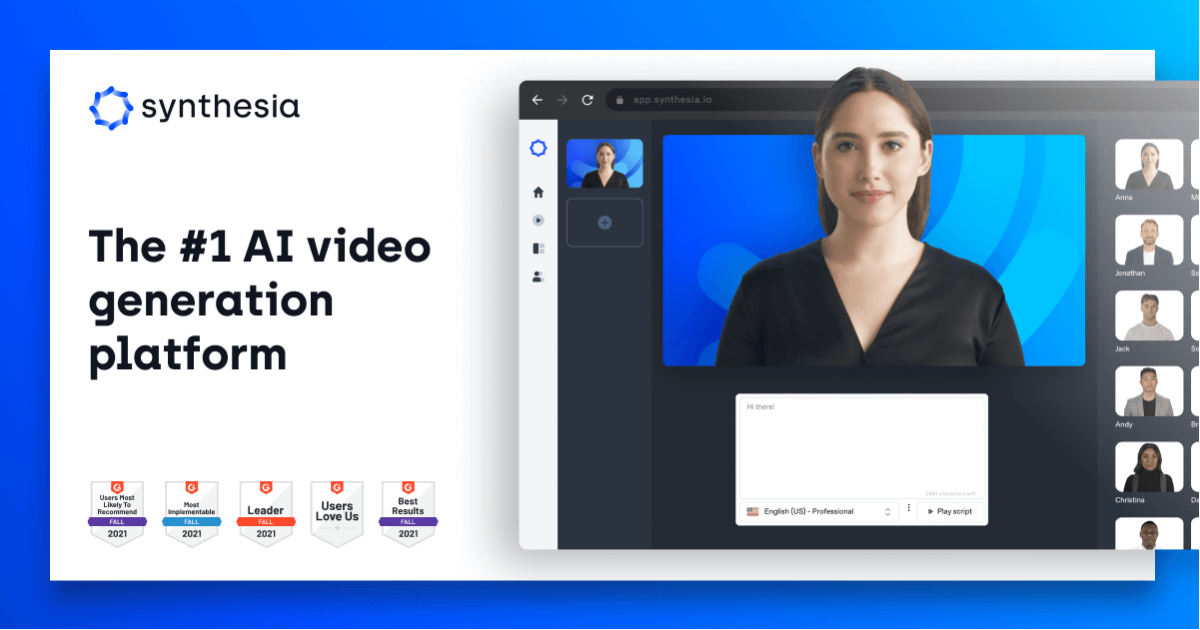
When a company raises $200 million in Series E funding during January 2026, investors are betting on more than potential. They're backing proven market demand and sustainable growth. Synthesia's funding round came alongside a 44% year-over-year increase in headcount to 706 employees, signaling aggressive expansion in a category the company essentially created: AI avatar-based video generation for enterprise training and communications. Corporate training videos have been expensive and slow to produce for decades. Recording a single 10-minute training module traditionally required booking a studio, hiring a presenter, scheduling a videographer, managing multiple takes, and editing everything together. If you needed to update information or translate content, you essentially started over. Synthesia eliminated this entire production workflow by replacing human presenters with AI avatars.
Windsurf just raised their Pro price from $15 to $20 and switched from credits to daily and weekly quotas in March 2026. This article is already outdated and the headline is misleading.
The part about fonts not matching and spacing being inconsistent in developer-translated designs is painfully specific. Every designer I have ever worked with has that exact complaint. Nice to see someone actually name it.
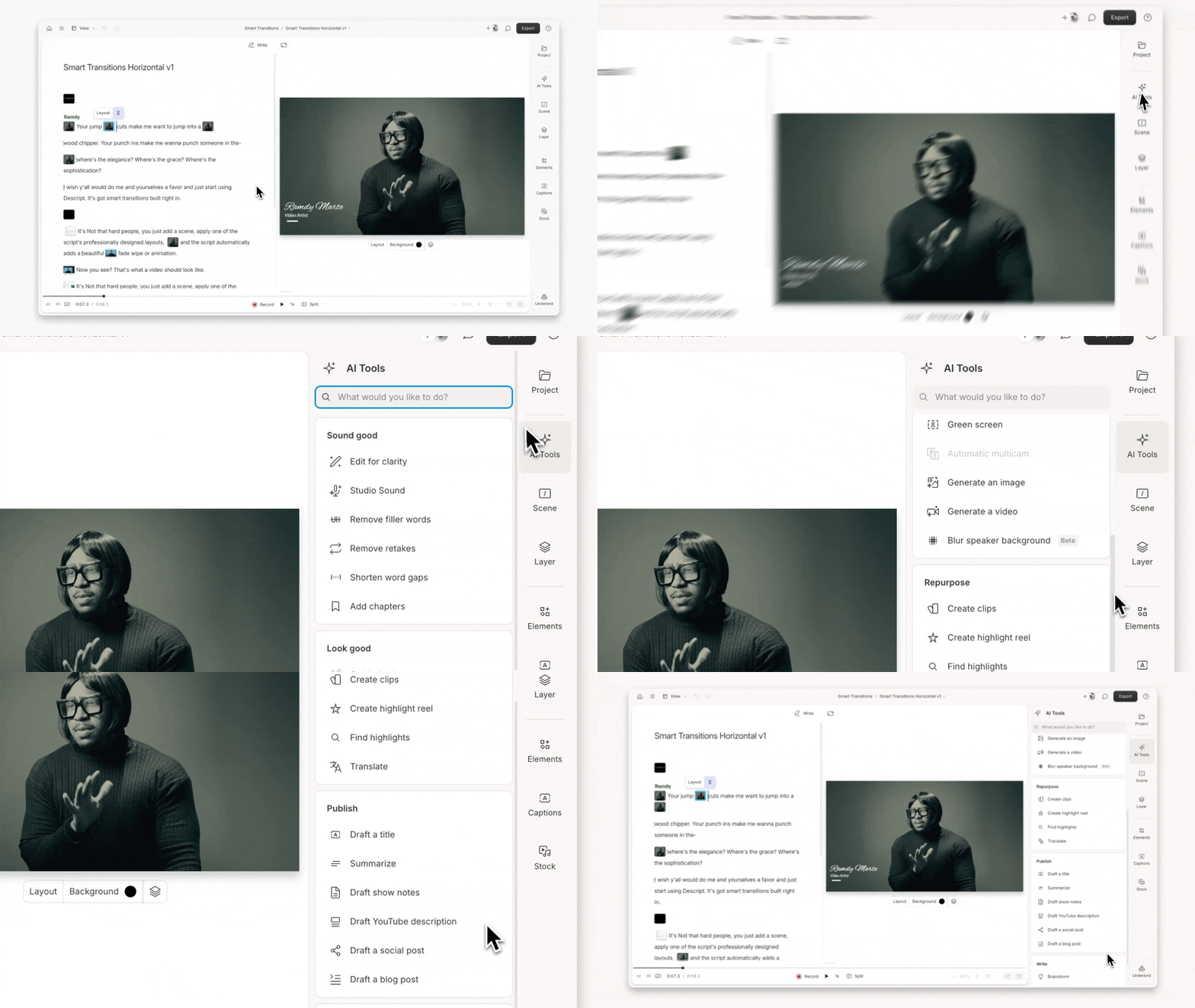
Most people can edit a Google Doc. Delete some words, rearrange sentences, fix typos, add paragraphs. It's intuitive and requires no special training. Now imagine editing video the same way. That's Descript's core innovation, and it transformed video editing from a specialized skill requiring expensive software into something anyone who can edit text can do effectively. Descript started as a transcription tool for podcasters. Record your podcast, upload it to Descript, and get an accurate transcript for show notes. But the founders realized something bigger. If you have a perfect transcript synchronized to audio, you can edit the audio by editing the text. Delete a word from the transcript and that word disappears from the audio. That insight became the foundation for a complete editing platform.
Genuinely curious, has anyone successfully imported an existing Figma design into v0 and gotten output that did not need significant cleanup? The documentation makes it sound seamless but I am skeptical.
Text-based video editing is now mainstream enough that Premiere Pro added its own version of it. That is the market signal that this approach won the argument about whether it belongs in serious production workflows.
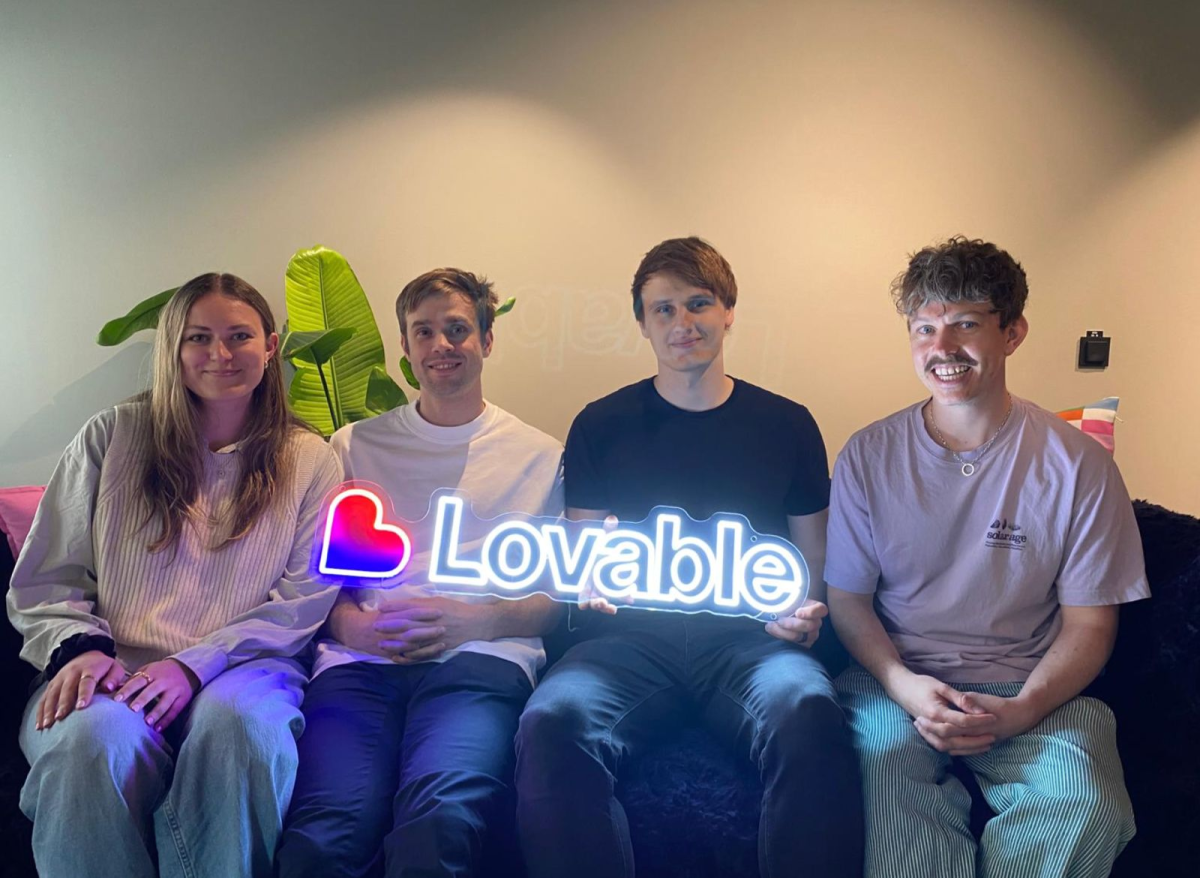
The software development world just witnessed something unprecedented. A European startup called Lovable reached $20 million in annual recurring revenue in just two months, making it potentially the fastest-growing startup in European history. But here's the twist that's making traditional software agencies nervous: they did it by giving non-technical founders the power to build full-stack applications without writing a single line of code. For years, the promise of no-code tools has been the same: anyone can build an app. But the reality has always been different. You'd create a beautiful frontend, get excited about your progress, and then hit the technical cliff. Suddenly you needed to configure databases, set up authentication, manage API keys, and deploy to servers. The "no-code" dream became a "hire-a-developer-anyway" nightmare.
Completely disagree with the premise that distribution alone makes Meta's position inevitable. Distribution gets you downloads. It does not make people use an AI daily if the experience is not meaningfully better than what they already have. Plenty of pre-installed apps get ignored forever.
Can we talk about how versatile that black crop top is? I need one in my wardrobe stat!
Not sure about wearing sunglasses without nose grips during intense workouts, they might slide right off