
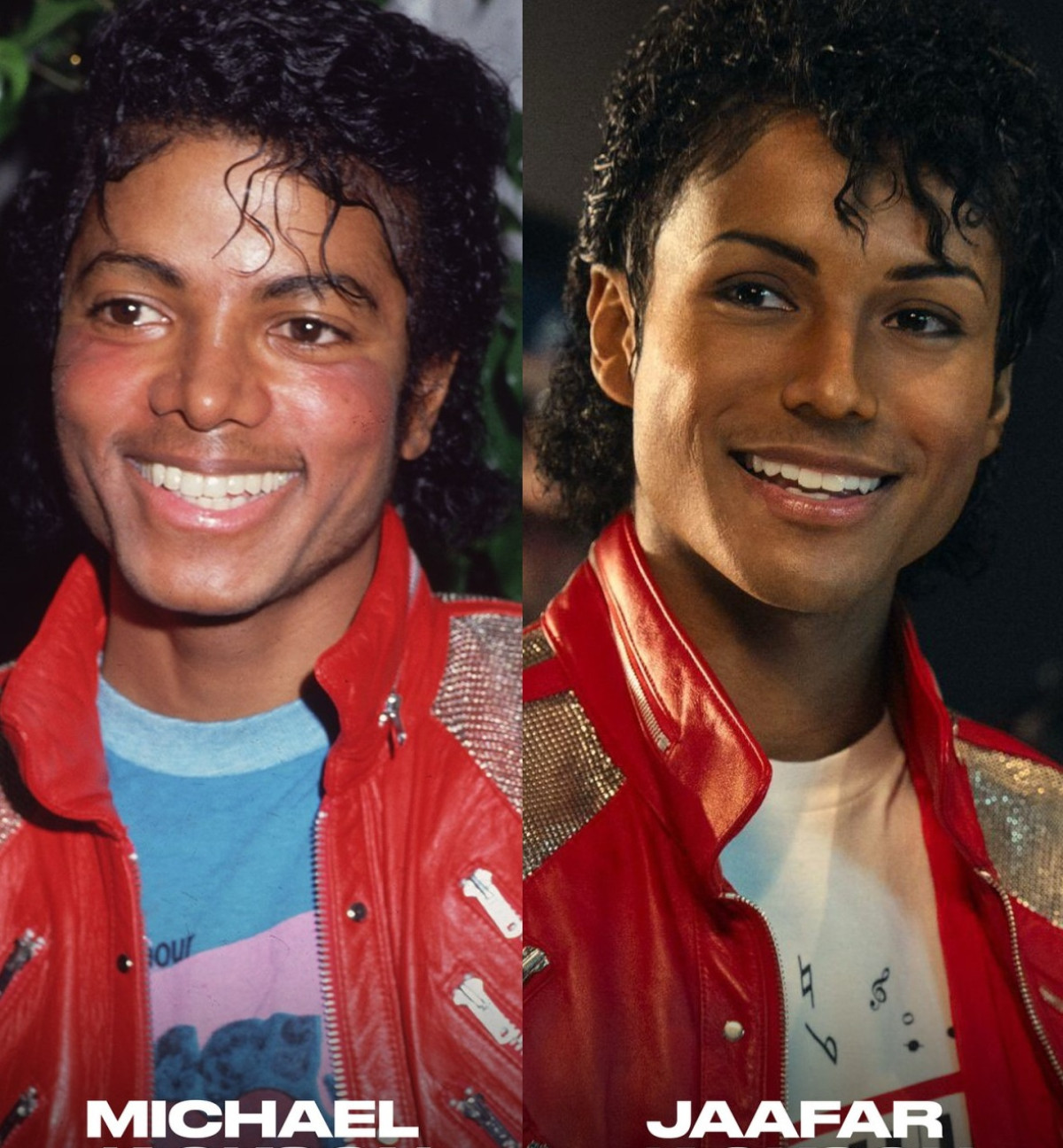
Jaafar doing this as his first acting role with no prior screen credits is either the bravest thing or the most inadvisable thing in recent Hollywood history and apparently it worked out to be the former.
9
Sign up to see more
SignupAlready a member?
LoginBy continuing, you agree to Sociomix's Terms of Service, Privacy Policy

Jaafar doing this as his first acting role with no prior screen credits is either the bravest thing or the most inadvisable thing in recent Hollywood history and apparently it worked out to be the former.
Jaafar Jackson plays Michael Jackson in the 2026 biopic Michael, and the story of how the 29-year-old newcomer landed the role is more interesting than the film itself. It started with a voice note. It involved a two-year global casting search with no formal auditions. It required Jaafar to keep the role secret from his own family for a full year. And it ended with his grandmother Katherine Jackson, the woman who knew Michael longest and loved him most, telling producers that her grandson didn't just resemble her son, he embodied him. After tracking every interview, behind-the-scenes video, and production report released since the film was announced, I can tell you that the choice of Jaafar was not nepotism, not a publicity play, and not the obvious pick everyone assumes it was. It was a hard-earned outcome of the most unusual casting process in recent biopic history, and here is how it actually happened.
That is a real tension. Datacenters consume a significant share of global electricity and that percentage is climbing with AI workloads. The renewable energy procurement roles exist precisely because this is becoming a crisis that needs managing.
The certification path the article describes is solid but incomplete. Do not sleep on vendor-specific training from companies like Vertiv and Schneider Electric. Those credentials carry serious weight with hiring managers at major facilities.
The environmental art is doing so much work. The ruins are not just decoration, they are character.
Genuinely could not tell you what cultivation realm anyone is in for most of the series I read. In Nano Machine you know exactly where everyone stands at every moment because the art tells you.
As someone who has read a lot of Korean fantasy webtoons, the post-hero-era setting is not entirely new but the commitment to staying in that setting without reverting to conventional adventure structure is what distinguishes this one.
In a manhwa landscape dominated by dungeon crawling, regression narratives, and power fantasies, The Greatest Estate Developer stands out by asking a simple question: what if the protagonist's greatest weapon wasn't a sword or magic system, but civil engineering knowledge? This bizarre premise transforms into one of the most entertaining, genuinely funny, and surprisingly heartfelt series currently running, proving that innovation in storytelling comes from unexpected places. The series takes the familiar isekai setup where a modern person finds themselves in a fantasy world and completely subverts expectations. Instead of becoming an adventurer or hero, protagonist Kim Suho uses his engineering knowledge to revolutionize construction, infrastructure, and economic development. What sounds like it should be boring becomes absolutely captivating through sharp writing, excellent comedic timing, and genuine passion for showing how infrastructure improves lives.

Tried explaining it to my partner as a sports story and they asked if the protagonist wins his matches. When I said yes always and easily they asked why anyone should care. That question is basically the thesis of the entire series.
The article nails why the genre works for non-gamers. My mom who has never played a video game in her life got completely hooked on Solo Leveling because the power progression is just so visually obvious.
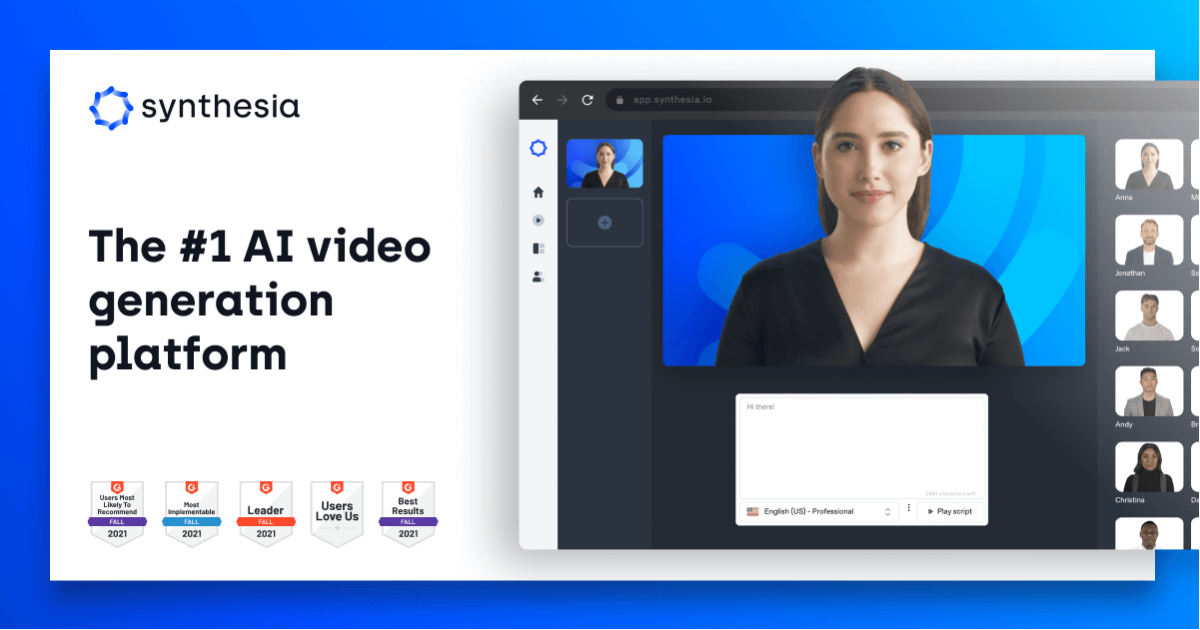
When a company raises $200 million in Series E funding during January 2026, investors are betting on more than potential. They're backing proven market demand and sustainable growth. Synthesia's funding round came alongside a 44% year-over-year increase in headcount to 706 employees, signaling aggressive expansion in a category the company essentially created: AI avatar-based video generation for enterprise training and communications. Corporate training videos have been expensive and slow to produce for decades. Recording a single 10-minute training module traditionally required booking a studio, hiring a presenter, scheduling a videographer, managing multiple takes, and editing everything together. If you needed to update information or translate content, you essentially started over. Synthesia eliminated this entire production workflow by replacing human presenters with AI avatars.
The extended thinking feature is the one I keep coming back to. Pure pattern matching from training data produces plausible-looking garbage at scale. Actual architectural reasoning before writing anything is what separates a prototype from something you can build a business on.
Production workflows at agencies using this for client work is the part that shifts the narrative from hype to reality. When actual service businesses stake their client relationships on a tool, that is a different signal than enthusiast usage.
Meta has just had one of its most important AI moments yet and the early signals are hard to ignore. Following the launch of its newest AI model Muse Spark, the company’s standalone Meta AI app surged dramatically in popularity, hinting at a much larger shift that is beginning to take shape. The release is particularly significant because it marks the first major AI model rollout under Alexandr Wang, who joined Meta to reboot its AI strategy. This is not just another incremental update. It represents a more aggressive and focused push into the AI race. According to data from Appfigures, Meta AI jumped from number 57 to number 5 on the U.S. App Store within a day of the launch. That kind of movement rarely happens without a strong underlying pull from users. It signals not curiosity but intent.
In a rare divergence from industry norms, TikTok has confirmed it will not adopt end-to-end encryption (E2EE) for direct messages, breaking with nearly every major social media platform and reigniting one of the tech industry's most contentious debates. The Chinese-owned video platform told the BBC exclusively that it believes the privacy technology championed by Meta, Apple, and others as essential for user protection actually makes users less safe by creating "dark spaces" where harmful content can flourish beyond the reach of safety teams and law enforcement. The decision puts TikTok in direct opposition to its competitors while potentially exposing the company to fresh criticism over data protection, particularly given ongoing concerns about its ties to Beijing.
Anyone else notice that privacy coins like Zcash are going completely parabolic right now alongside this rally? The Iran story probably has something to do with that too given sanctions concerns.
I'm wondering if I could wear this to a winter wedding? The one-shoulder might be chilly but I could add a wrap right?
I would totally wear this to work on casual Friday! Our office would approve for sure