
Skeptical of the job security argument, honestly. They said the same thing about semiconductor fabs and financial trading floors. Every industry eventually automates the parts it can and shrinks the parts it cannot.
Sign up to see more
SignupAlready a member?
LoginBy continuing, you agree to Sociomix's Terms of Service, Privacy Policy

Skeptical of the job security argument, honestly. They said the same thing about semiconductor fabs and financial trading floors. Every industry eventually automates the parts it can and shrinks the parts it cannot.
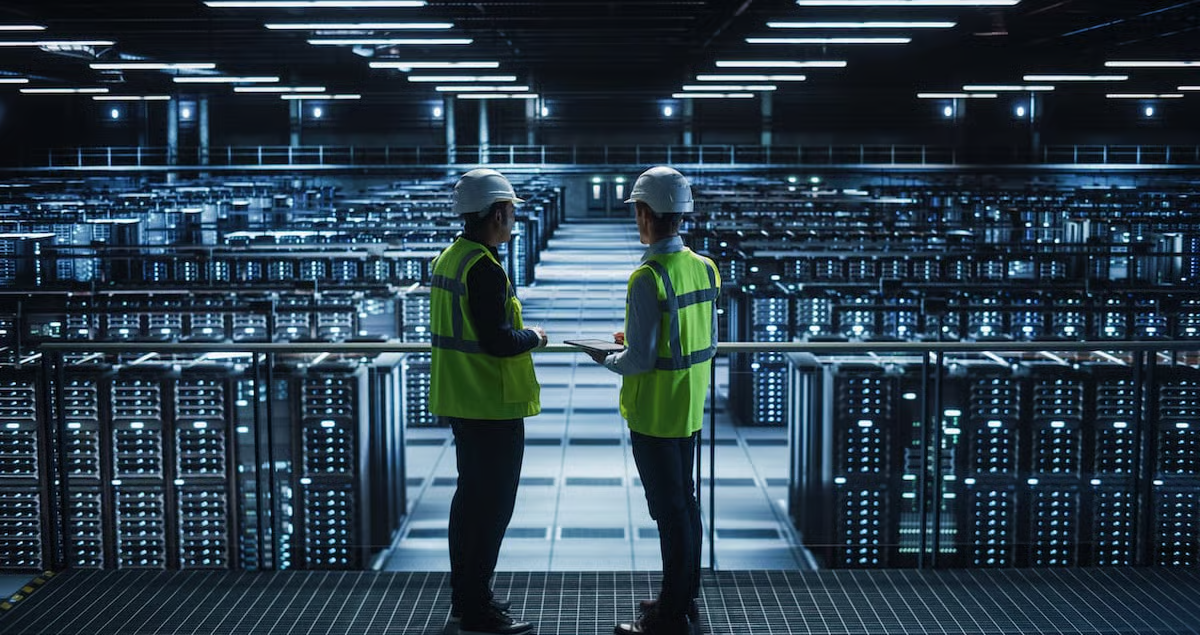
The technology sector is experiencing a paradox. While headlines scream about mass layoffs at major tech companies, a critical shortage is quietly building in one of the most essential areas of digital infrastructure. Datacenters, the physical backbone of our digital world, are facing an unprecedented demand surge, and there simply are not enough skilled professionals to build and maintain them. Countries across the globe are rushing to establish their own datacenter infrastructure. From India's ambitious plans to become a datacenter hub to the European Union's push for data sovereignty, and emerging markets in Southeast Asia and Latin America building their first large scale facilities, the construction boom is just beginning.
Studio EEK being Korean is actually interesting here. A Korean studio adapting a Korean manhwa property means there is less translation loss between source material and adaptation team. They understand the cultural context natively.
As someone who came to Solo Leveling through the anime and then caught up on everything else, Ragnarok feels like reading a bonus arc that you almost feel guilty for enjoying because you miss Jinwoo so much.
The article doesn't mention SSS-Class Revival Hunter and that is a genuine omission. A protagonist who has to die to gain powers creates tension that most overpowered protagonist stories completely lack.
Sports anime and manga have delivered countless memorable series over the decades, from Slam Dunk's basketball brilliance to Haikyuu's volleyball excellence. These stories typically follow familiar patterns: talented but inexperienced protagonist joins a team, forms bonds with teammates, faces rivals, grows through competition, and ultimately pursues championship glory. The formula works because it taps into universal themes about effort, teamwork, and self-improvement. The Boxer, created by JH, takes everything you expect from sports stories and systematically deconstructs it. The protagonist doesn't love boxing. He doesn't form deep bonds with teammates. He doesn't overcome challenges through friendship and determination. Instead, the manhwa presents one of the darkest, most psychologically complex examinations of combat sports ever created, wrapped in stunningly minimalist artwork that elevates the narrative to something approaching high art.
Hot take, the economics content is more interesting than the engineering content. Watching Lloyd think through market dynamics and capital allocation is the real hook.
Tried explaining it to my partner as a sports story and they asked if the protagonist wins his matches. When I said yes always and easily they asked why anyone should care. That question is basically the thesis of the entire series.
Speaking from experience as a solo entrepreneur: the most underrated outcome of these tools is not the video itself. It is that removing the recording barrier makes you more willing to create content at all. I was not producing video before because setup was annoying. Now I just write.
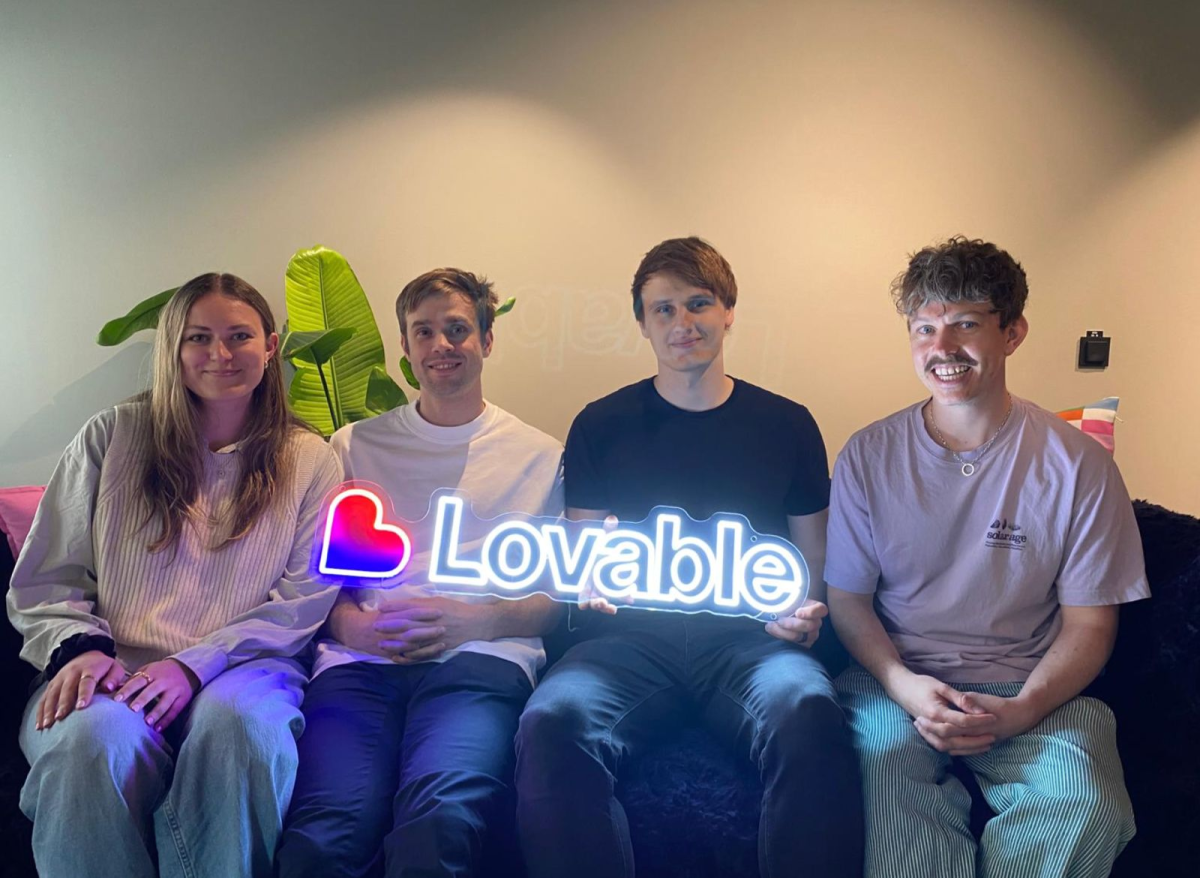
The software development world just witnessed something unprecedented. A European startup called Lovable reached $20 million in annual recurring revenue in just two months, making it potentially the fastest-growing startup in European history. But here's the twist that's making traditional software agencies nervous: they did it by giving non-technical founders the power to build full-stack applications without writing a single line of code. For years, the promise of no-code tools has been the same: anyone can build an app. But the reality has always been different. You'd create a beautiful frontend, get excited about your progress, and then hit the technical cliff. Suddenly you needed to configure databases, set up authentication, manage API keys, and deploy to servers. The "no-code" dream became a "hire-a-developer-anyway" nightmare.
The move from open-source Llama to proprietary Muse Spark is a philosophically significant pivot. Meta spent years building credibility and developer trust by being open. Monetization is a legitimate need but it comes at a real cost to that identity.
Gonna be honest, the article lost me at AI super app era. That phrase has been used to describe WeChat, TikTok, ChatGPT, Gemini, and now Meta AI in the span of about three years. At some point the terminology needs to actually mean something.
As someone who works in cloud security, misconfigured storage and CMS systems are the leading cause of unintentional data exposure across the entire industry. Even sophisticated teams do this. It is embarrassing but not uniquely damning.
The v neck tee is perfect for showing off necklaces if you want to accessorize more.
I wear a similar outfit to work in my creative office. It's professional enough but still shows personality
The tiered skirt reminds me of a similar one I wore to my friend's gallery opening. It moves so beautifully when you walk