The apprenticeship programs are the most exciting development in this space. Community colleges partnering directly with hyperscalers to build pipelines means you do not need a four-year degree to get into this field.
4
Sign up to see more
SignupAlready a member?
LoginBy continuing, you agree to Sociomix's Terms of Service, Privacy Policy

The apprenticeship programs are the most exciting development in this space. Community colleges partnering directly with hyperscalers to build pipelines means you do not need a four-year degree to get into this field.
In a manhwa landscape dominated by dungeon crawling, regression narratives, and power fantasies, The Greatest Estate Developer stands out by asking a simple question: what if the protagonist's greatest weapon wasn't a sword or magic system, but civil engineering knowledge? This bizarre premise transforms into one of the most entertaining, genuinely funny, and surprisingly heartfelt series currently running, proving that innovation in storytelling comes from unexpected places. The series takes the familiar isekai setup where a modern person finds themselves in a fantasy world and completely subverts expectations. Instead of becoming an adventurer or hero, protagonist Kim Suho uses his engineering knowledge to revolutionize construction, infrastructure, and economic development. What sounds like it should be boring becomes absolutely captivating through sharp writing, excellent comedic timing, and genuine passion for showing how infrastructure improves lives.

This is exactly what the murim genre needed in early 2026. Everything in the space was starting to feel like variations on the same template.
A proper anime adaptation needs to nail the background art showing the estate improving over time. That slow visual progression of the land transforming is a huge part of what makes completing each project feel satisfying.
Never thought about it that way but yeah, animation gives you tools to pace exploration sequences that static panels do not have. A well-edited dungeon sequence in motion could be tighter than the equivalent manhwa chapter.
Sora 2 inside Descript is interesting but I would not lead with that as a selling point yet. The generative video stuff is genuinely impressive for atmospheric b-roll but the restriction on human faces limits practical use cases significantly.
Speaking from experience in L and D: the governance thing is not just corporate box-ticking. When you have 50 people creating training videos, brand consistency and content approval matter enormously. HeyGen was not really built for that workflow and it shows when teams scale past ten users.
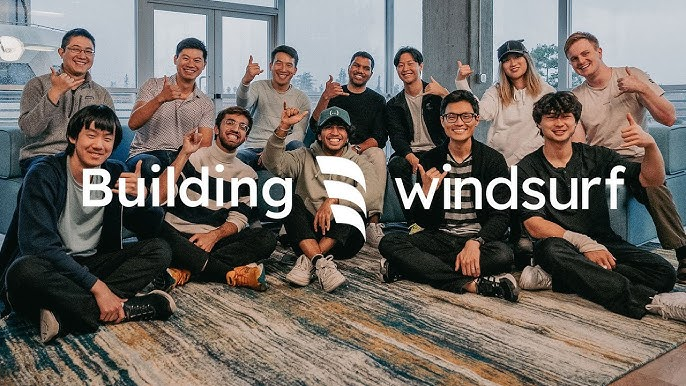
Developers have a new anxiety in 2026: token anxiety. You're in the middle of debugging a complex problem, the AI is helping you refactor three files simultaneously, and suddenly you wonder if this session is about to cost you $50. That mental tax slows you down and makes you second-guess using the tool you're paying for. Windsurf eliminated that anxiety with a simple decision: flat monthly pricing with no token limits. Fifteen dollars per month. Unlimited usage. No tracking credits or calculating costs per query. That pricing model sounds almost boring compared to the complex token systems other AI coding tools use, but boring is exactly what professional developers want when it comes to pricing. They want predictable costs and unlimited usage so they can focus on writing code instead of budgeting AI queries.
Hot take: the agency model is not dead but agencies that do not adapt to become AI orchestrators and quality assurance layers will absolutely be gone within five years.
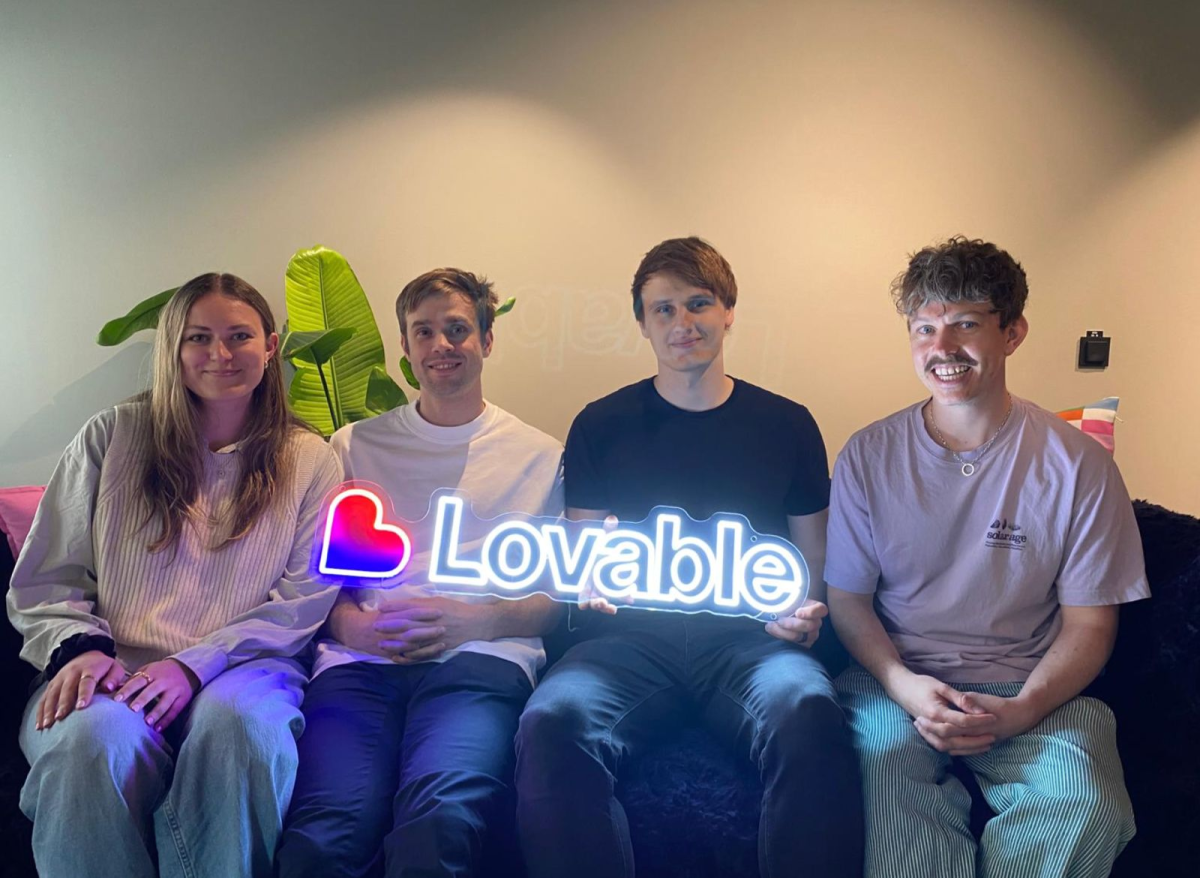
The software development world just witnessed something unprecedented. A European startup called Lovable reached $20 million in annual recurring revenue in just two months, making it potentially the fastest-growing startup in European history. But here's the twist that's making traditional software agencies nervous: they did it by giving non-technical founders the power to build full-stack applications without writing a single line of code. For years, the promise of no-code tools has been the same: anyone can build an app. But the reality has always been different. You'd create a beautiful frontend, get excited about your progress, and then hit the technical cliff. Suddenly you needed to configure databases, set up authentication, manage API keys, and deploy to servers. The "no-code" dream became a "hire-a-developer-anyway" nightmare.
Having covered social platforms for a while, the pattern is always the same. Feature arrives years late, gets praised anyway, then quietly becomes the baseline expectation within six months. Editable comments will be invisible infrastructure by the end of the year.
The article keeps calling this unprecedented but Anthropic finding zero-days in every major OS and every major browser is not a small caveat. That is civilization-level infrastructure.
Honestly the most human detail in this whole story is that several bank CEOs were already in Washington for lobby meetings when the emergency briefing was called. Networking and existential threat briefings, a normal week in DC.
Wait, what about the software stack that has to run on whatever custom chip Anthropic might build? Designing the silicon is only half the problem. You need compilers, kernel libraries, debugging tools, and a whole ecosystem before engineers can actually use the thing productively.
Anthropic on Tuesday unveiled an advanced artificial intelligence model designed specifically to identify software vulnerabilities, marking a significant development in the intersection of AI and cybersecurity. The model, named Claude Mythos Preview, will be available exclusively to a carefully selected group of companies as part of Project Glasswing, a new security initiative that aims to strengthen digital defenses while preventing malicious exploitation. The San Francisco based AI company has chosen to severely restrict access to Claude Mythos Preview due to its powerful capability to detect security weaknesses and software flaws. This decision reflects growing concerns about dual use AI technologies that could be weaponized by adversaries if they fell into the wrong hands.

Never thought of pairing burgundy with beige accessories but it totally works! Going to try this with my wardrobe