
Standard Lionsgate window is somewhere between 45 and 75 days after theatrical debut. So probably sometime in July if you want to wait for home viewing, but the musical sequences were clearly made for a large screen and a serious sound system.
Sign up to see more
SignupAlready a member?
LoginBy continuing, you agree to Sociomix's Terms of Service, Privacy Policy
Sign up to see more
SignupAlready a member?
LoginBy continuing, you agree to Sociomix's Terms of Service, Privacy Policy

Standard Lionsgate window is somewhere between 45 and 75 days after theatrical debut. So probably sometime in July if you want to wait for home viewing, but the musical sequences were clearly made for a large screen and a serious sound system.
Okay but can we talk about how Bigang being unable to use inner power is actually the key to everything? The thing that made him worthless is the exact reason he survived the demons' experiments. That kind of narrative symmetry is rare in manhwa.
The regression subgenre has exploded in popularity over the past few years, becoming one of the most beloved narrative frameworks in Korean manhwa. The core premise is deceptively simple: a protagonist dies or fails catastrophically, then returns to an earlier point in time with their memories intact. Armed with future knowledge, they get a second chance to change their fate, save loved ones, gain power, or pursue revenge against those who wronged them. What makes regression stories so compelling is the combination of dramatic irony, strategic satisfaction, and emotional depth they provide. Readers know what the protagonist knows, creating tension when other characters make mistakes we can see coming. We feel smart alongside protagonists who use foreknowledge to outmaneuver enemies. And we experience the emotional weight of carrying memories of futures that haven't happened yet, of people who died who are currently alive, of betrayals that haven't occurred.
The psychological point the article makes about leveling triggering the same reward pathways as actual gaming is real and slightly concerning when you notice you've read forty chapters in one sitting.
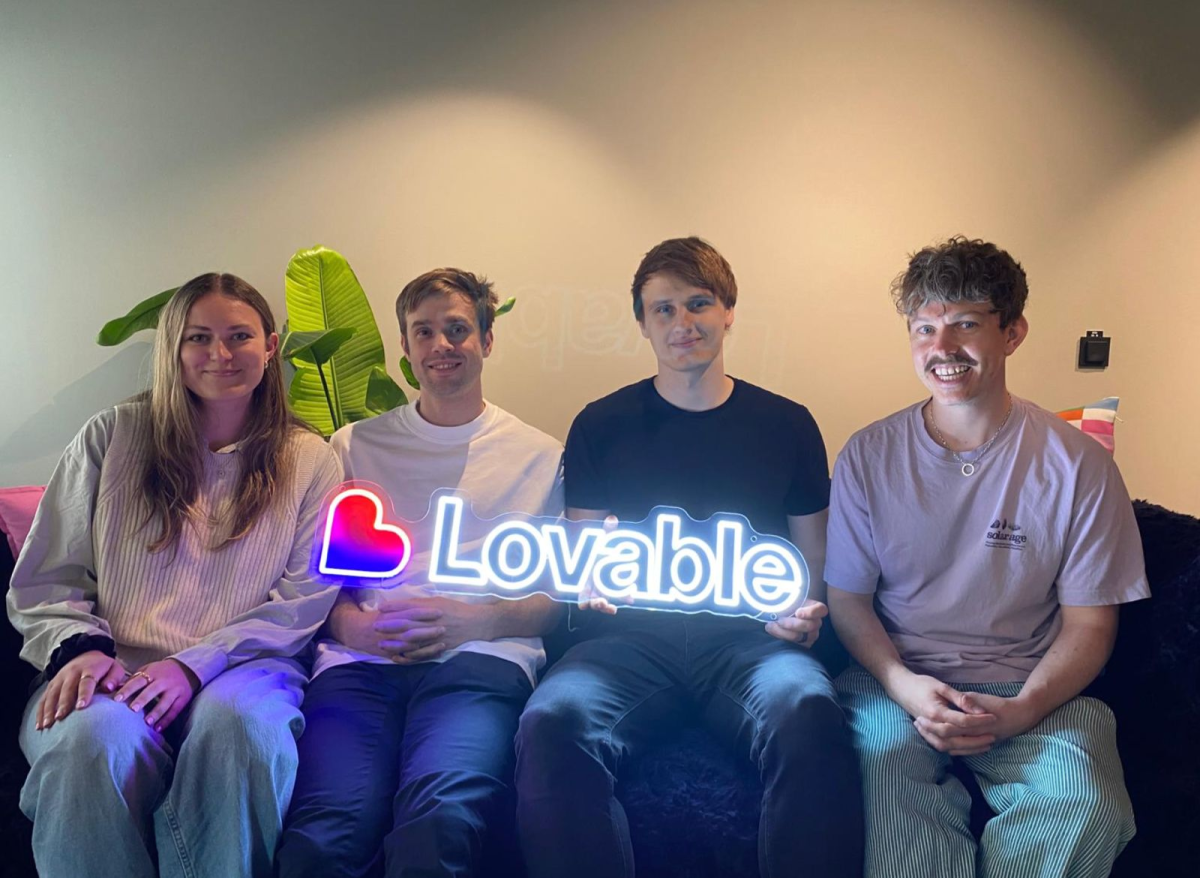
The software development world just witnessed something unprecedented. A European startup called Lovable reached $20 million in annual recurring revenue in just two months, making it potentially the fastest-growing startup in European history. But here's the twist that's making traditional software agencies nervous: they did it by giving non-technical founders the power to build full-stack applications without writing a single line of code. For years, the promise of no-code tools has been the same: anyone can build an app. But the reality has always been different. You'd create a beautiful frontend, get excited about your progress, and then hit the technical cliff. Suddenly you needed to configure databases, set up authentication, manage API keys, and deploy to servers. The "no-code" dream became a "hire-a-developer-anyway" nightmare.
The speaker identification learning over time feature is clever in theory but in my experience it still muddles voices when two people have similar vocal registers. Corrections help but it takes a while.
The designer-developer relationship has been tense for decades. Designers create pixel-perfect mockups in Figma. Developers translate them to code and somehow everything looks slightly wrong. Fonts don't match. Spacing is inconsistent. Buttons have different corner radiuses. Both sides get frustrated, blame each other, and the product suffers. V0 by Vercel is fixing this problem by generating production-quality React components that look exactly like the designs. The rebrand from v0.dev to v0.app in January 2026 signaled expanded ambitions beyond just UI component generation. Vercel positioned the tool for full-stack web development, though its core strength remains frontend excellence. That strategic clarity matters because trying to be everything often means excelling at nothing. V0 chose to dominate the handoff between design and code before expanding into other areas.
what even is presence theater lmao but also yes this describes every meeting i have ever attended at a large company
The real tell is going to be whether this affects TikTok's advertiser relationships. Brands care a lot about brand safety and a platform that is publicly associated with surveillance concerns and unresolved government data access litigation is a harder sell to risk-averse marketing departments.
Feature parity across platforms matters more to regular users than the think-pieces we write about it. People on Instagram were frustrated they could not edit comments when every other app let them. Now they can. That is the whole story for most people.
The slicked back bun is doing so much work in every photo. It removes distraction completely and forces the clothes and the architecture of the look to speak.
Would look super cute with a cropped denim jacket for those chilly spring mornings
My go-to trick for leggings like these is wearing nude seamless underwear. No lines ever
I'm curious about mixing metals with this look. Would you stick to all silver or mix with gold accessories?
Join independent creators, thought leaders, and storytellers to share your unique perspectives, and spark meaningful conversations.