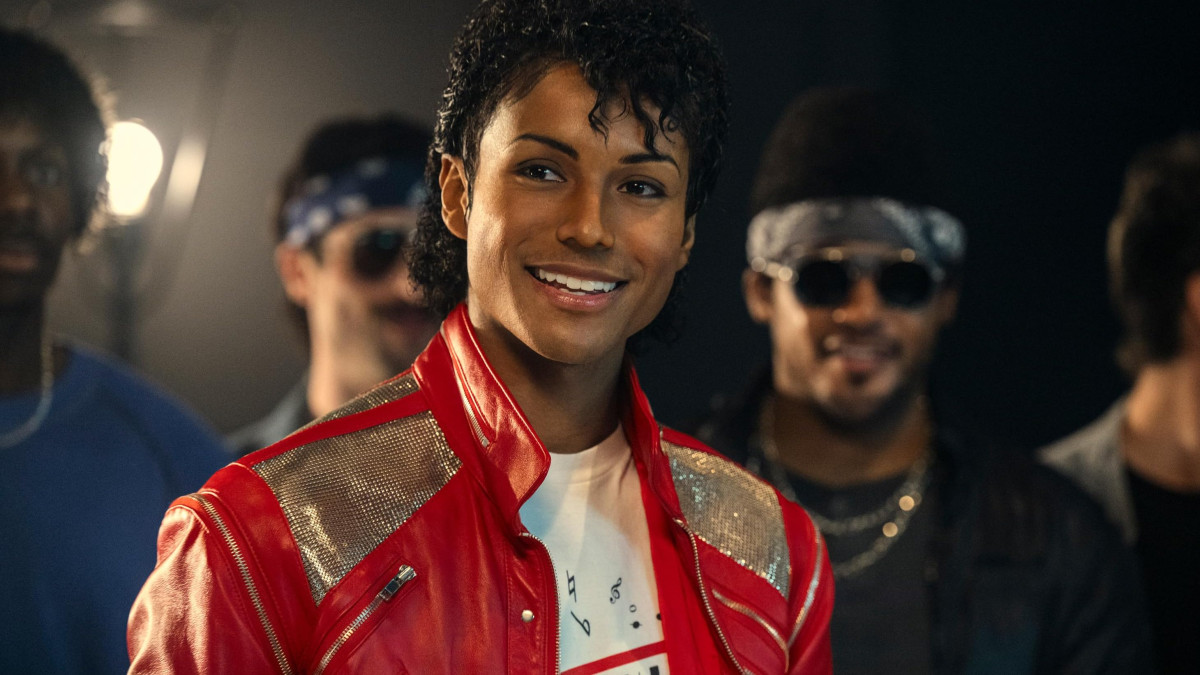
Most biopics about musicians are really just concert films with biographical framing. The criticism that this film is essentially a filmed playlist is not unfair but it also describes a lot of beloved films in this genre.
22
Sign up to see more
SignupAlready a member?
LoginBy continuing, you agree to Sociomix's Terms of Service, Privacy Policy

Most biopics about musicians are really just concert films with biographical framing. The criticism that this film is essentially a filmed playlist is not unfair but it also describes a lot of beloved films in this genre.
The Michael movie review verdict is in, and it is more complicated than the 26% Rotten Tomatoes score suggests. Antoine Fuqua's long-delayed Michael Jackson biopic, simply titled Michael, hit theaters this weekend with Jaafar Jackson playing his late uncle, and the critical response has been brutal. The BBC gave it one star. Roger Ebert's site called it a filmed playlist in search of a story. Yet early audience reactions on social media have been warmer, ticket pre-sales suggest an $80 million opening, and Variety thought it worked as an engrossing middle-of-the-road biopic. After tracking coverage across more than a dozen outlets over the past 48 hours, I think the honest answer to "should you watch this?" depends almost entirely on what you want from a music biopic, and this guide breaks down exactly what the film delivers, what it skips, and who will actually enjoy sitting through its two-hour-and-nine-minute runtime.
As someone who follows music biopics pretty closely, the structural problem here is that the whole genre has a built in tension between hagiography and honesty, and most estate controlled projects land on the wrong side of it. Michael is just the most expensive example so far.
The musical numbers being shot with wide angles that actually show the dancing is such a basic competency and yet so many biopics mess it up. At least they got that right.
The creators behind some of Webtoon's most successful psychological thrillers have returned with a series that's already generating intense discussion across manhwa communities. For fans who've been following the horror and thriller genre on digital platforms, Carnby Kim and Youngchan Hwang need no introduction. Their latest collaboration tackles themes of artistic plagiarism, obsession, and murder in ways that feel disturbingly relevant to current conversations about creative theft and AI-generated content. This guide covers everything you need to know about Copycat, from its premise and release schedule to how it compares with their previous masterpieces like Sweet Home and Bastard.

Hot take. The skeleton design being female while the name and speech patterns read masculine is one of the most quietly interesting gender presentation choices in fantasy manhwa right now.
For the person asking about how much to read before the anime, getting through the first 50 to 60 chapters gives you a solid foundation without spoiling most of the major arcs. The first season will almost certainly adapt that range anyway.
Tower climbing stories have become a dominant force in manhwa, but most follow predictable patterns. A protagonist enters a mysterious tower, gains powers, forms a party, and ascends floors while growing stronger. The formula works because progression feels satisfying and each floor presents new challenges. However, Doom Breaker takes this familiar framework and transforms it into something far more emotionally devastating and psychologically complex than typical tower stories. Also known as SSS-Class Suicide Hunter, Doom Breaker initially appears to be another power fantasy where the protagonist gains an overpowered ability. The premise sounds almost comedic. Kim Gongja can copy any skill by dying, then returns to life to use that ability. But beneath this seemingly absurd power lies a story about pain, sacrifice, redemption, and what it truly means to be a hero when heroism demands everything from you.

The article mentions the series explores different types of heroism and that really is the thesis. What Dokja does is harder in some ways than what Joonghyuk does, and the story actually grapples with that instead of just picking a winner.
Real talk: the trust issue with AI coding tools is not improving. Developers I know are using these tools more while trusting them less, which means they are generating faster and reviewing harder.
On the Figma import question, my experience is that standard layouts and component-heavy screens convert pretty cleanly. Anything with custom animations or really artistic layouts still needs manual work. It is not magic but it is faster than starting from scratch.
Sending a bot to a meeting instead of attending should require telling the other participants first. It should not be something you can do silently. The transparency norm should be explicit.
The consent issue here is not small. There is actually an active class action lawsuit against Otter right now alleging that the tool recorded conversations without the informed consent of all participants, not just the meeting host. That is a significant legal exposure people should know about before deploying this at scale.
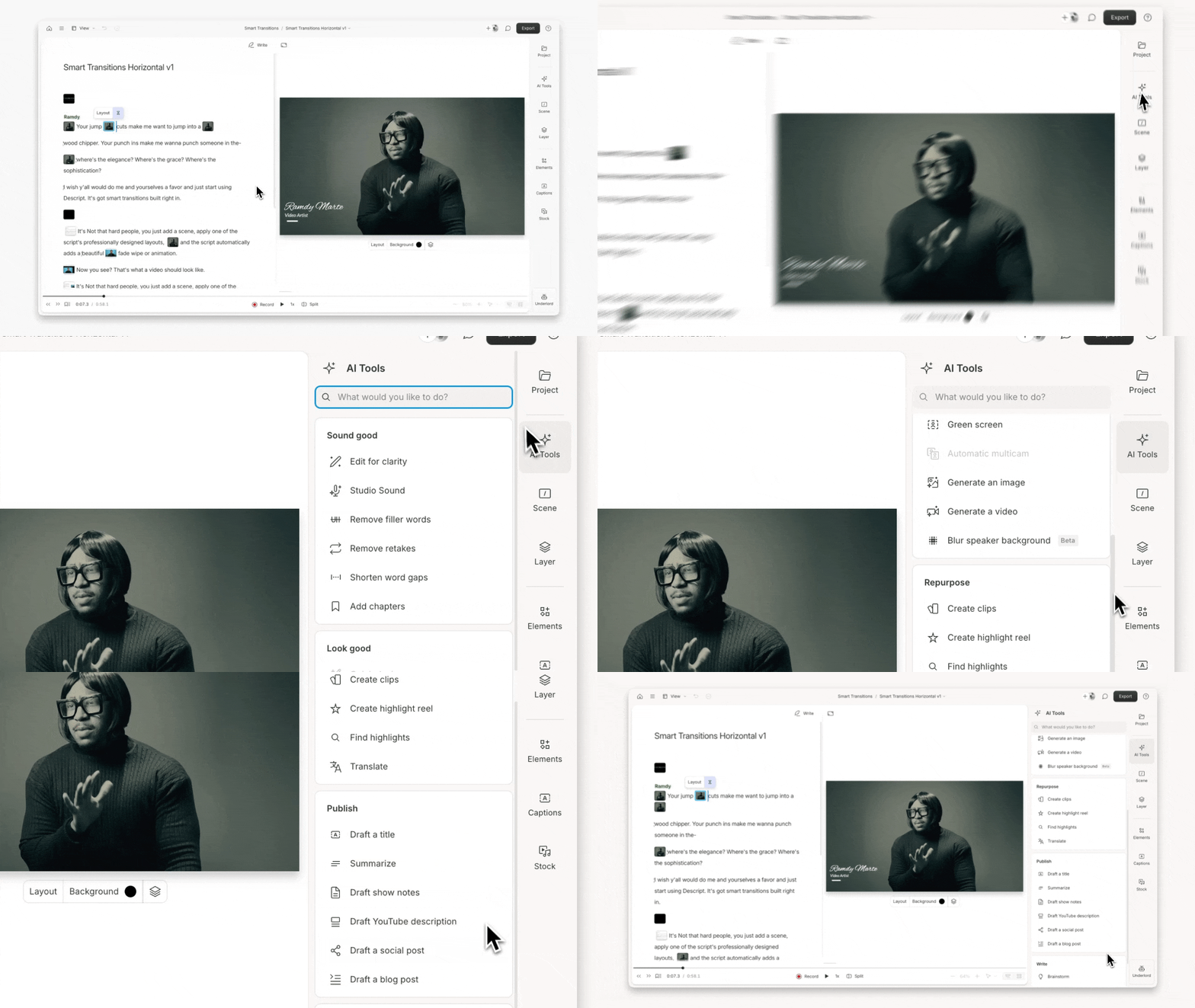
Most people can edit a Google Doc. Delete some words, rearrange sentences, fix typos, add paragraphs. It's intuitive and requires no special training. Now imagine editing video the same way. That's Descript's core innovation, and it transformed video editing from a specialized skill requiring expensive software into something anyone who can edit text can do effectively. Descript started as a transcription tool for podcasters. Record your podcast, upload it to Descript, and get an accurate transcript for show notes. But the founders realized something bigger. If you have a perfect transcript synchronized to audio, you can edit the audio by editing the text. Delete a word from the transcript and that word disappears from the audio. That insight became the foundation for a complete editing platform.
The article is correct that this market segment rewards predictability over flashiness. Once you have run a production incident caused by AI-generated code that passed review, you stop caring about demos.
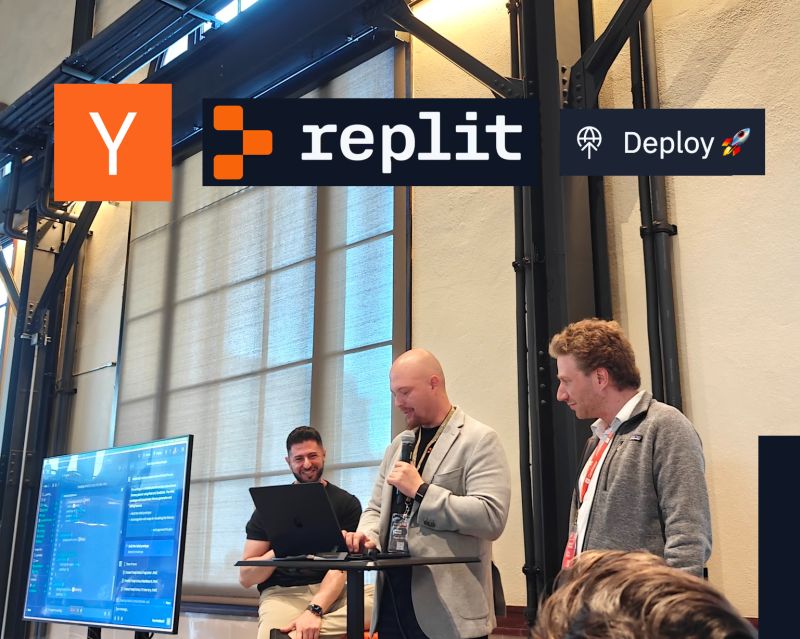
When a company's revenue jumps from $10 million to $100 million in nine months, you pay attention. When that growth comes from an AI agent that builds entire applications autonomously, you realize something fundamental just changed in software development. Replit Agent represents that change, and the numbers prove developers are ready for it. Replit started as a browser-based coding environment for education. Students could write Python or JavaScript without installing anything locally. Teachers loved it because setup time vanished. But the company saw something bigger. If you could run code in the browser, why not let AI write that code? That question led to Agent 3, an AI that doesn't just suggest code completions. It builds entire applications from scratch.
The 15 minute window is also smart from an abuse prevention standpoint. Bad actors who post something harmful and then try to edit it to look innocent after getting flagged have very little time to act before the window closes.
Cautiously optimistic. The offensive-defensive balance in cyber has always favored attackers. If this genuinely tips it even slightly toward defenders before the open-weight models catch up, it matters. Small windows close fast.
Real talk, the privacy angle in this article got zero words and it deserves a lot more. You have to log in with a Facebook or Instagram account to use Muse Spark. Meta's privacy policy basically sets no hard limits on how it can use whatever you share with its AI. That is a massive caveat that got buried.
The government calling an American AI safety company a supply chain risk while simultaneously relying on that same company to defend critical infrastructure from AI threats is a policy contradiction that is going to need resolving in court or in Congress.