This happens with every legitimate nutrition concept. Zone diet, intermittent fasting, Mediterranean diet. They all get distilled into a single rule that strips the actual mechanism out.
10
Sign up to see more
SignupAlready a member?
LoginBy continuing, you agree to Sociomix's Terms of Service, Privacy Policy

This happens with every legitimate nutrition concept. Zone diet, intermittent fasting, Mediterranean diet. They all get distilled into a single rule that strips the actual mechanism out.
The GLP-1 comparison is genuinely interesting. The cultural infrastructure argument makes a lot of sense. Once a generation normalizes biological optimization in one domain, the adjacent categories expand faster.
There were reports that a storyline involving one of Michael's accusers had to be removed for legal reasons after a settlement. Whether that is fully accurate or not, the finished film noticeably avoids the allegations entirely.
Sad but probably accurate. The formal properties of manhwa reading are so specific to the medium that something always gets lost in translation to screen. Sweet Home was good but the webtoon is still superior.
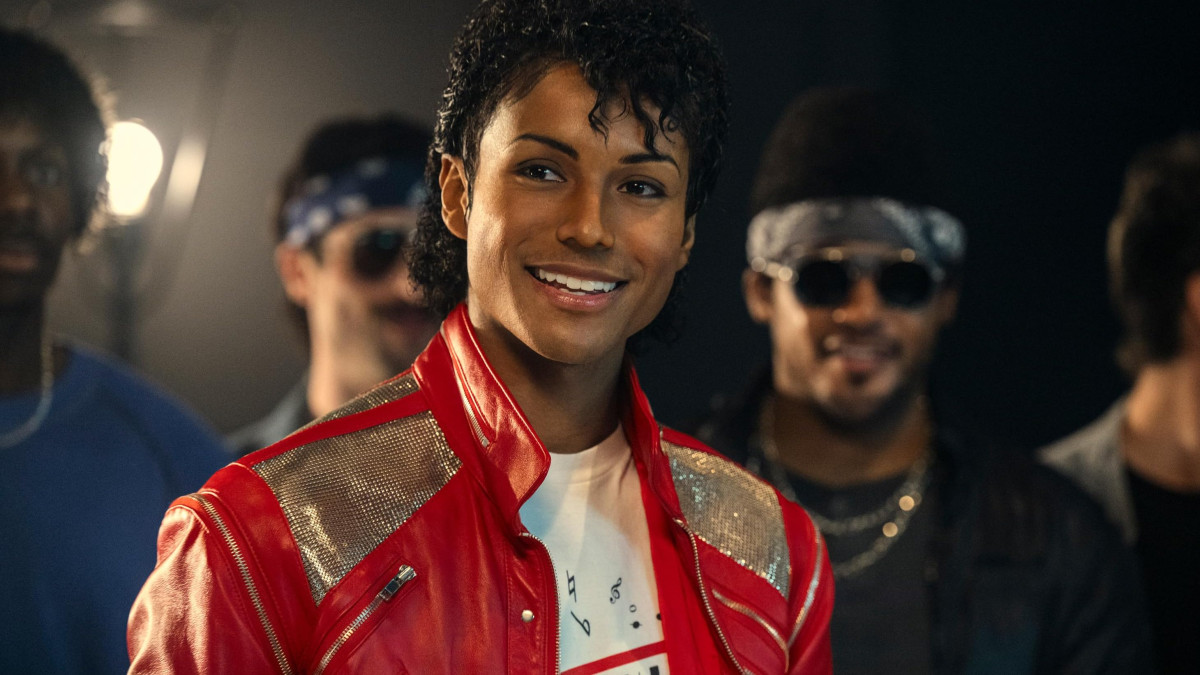
The Michael movie review verdict is in, and it is more complicated than the 26% Rotten Tomatoes score suggests. Antoine Fuqua's long-delayed Michael Jackson biopic, simply titled Michael, hit theaters this weekend with Jaafar Jackson playing his late uncle, and the critical response has been brutal. The BBC gave it one star. Roger Ebert's site called it a filmed playlist in search of a story. Yet early audience reactions on social media have been warmer, ticket pre-sales suggest an $80 million opening, and Variety thought it worked as an engrossing middle-of-the-road biopic. After tracking coverage across more than a dozen outlets over the past 48 hours, I think the honest answer to "should you watch this?" depends almost entirely on what you want from a music biopic, and this guide breaks down exactly what the film delivers, what it skips, and who will actually enjoy sitting through its two-hour-and-nine-minute runtime.
Does anyone actually know who the artist is? The writer gets mentioned constantly but I feel like the artist deserves way more credit for what makes this series special.
Whether or not the release date in this article is accurate, the excitement is justified. ORV has over 300 million views across platforms. It has earned its moment.
Does anyone actually track whether employees retain information better from AI avatar videos versus reading a PDF? Asking genuinely because our execs love the idea but nobody seems to have solid learning outcome data.
The BL (Boys' Love) genre has exploded in popularity over recent years, and isekai stories have dominated manhwa and manga for nearly a decade. Combining these elements seems like an obvious move, yet surprisingly few series have attempted it seriously. Shall I Write You A Love Letter, created by Nickup and Yutae and released on Lehzin in December 2025, takes the familiar otome isekai formula and transforms it into a compelling BL narrative that subverts expectations at every turn. Otome isekai typically features female protagonists transported into romance game worlds where they must navigate relationships with attractive male love interests. The formula has been refined through countless iterations to the point where readers can predict story beats from the first chapter. What makes Shall I Write You A Love Letter noteworthy is how it takes that established framework and examines it through a completely different lens, creating something that feels both familiar and refreshingly new.

Still waiting for someone to run a rigorous study on completion rates and knowledge retention for AI avatar training versus traditional instructor led sessions. We keep adopting these tools on vibes and cost spreadsheets.
In a medium filled with talented artists producing stunning work, making a claim about any series having the "best" art feels bold. Yet Nano Machine consistently delivers combat sequences so fluid, detailed, and visually innovative that even readers who don't typically care about martial arts stories find themselves captivated by the sheer spectacle on display. The series combines traditional murim aesthetics with futuristic sci-fi elements, creating a unique visual identity that stands apart from typical cultivation manhwa. The nano machine implanted in protagonist Cheon Yeo-Woon's body doesn't just give him power. It becomes a storytelling device that allows the artist to visualize techniques, energy flows, and combat analysis in ways other series can't replicate.

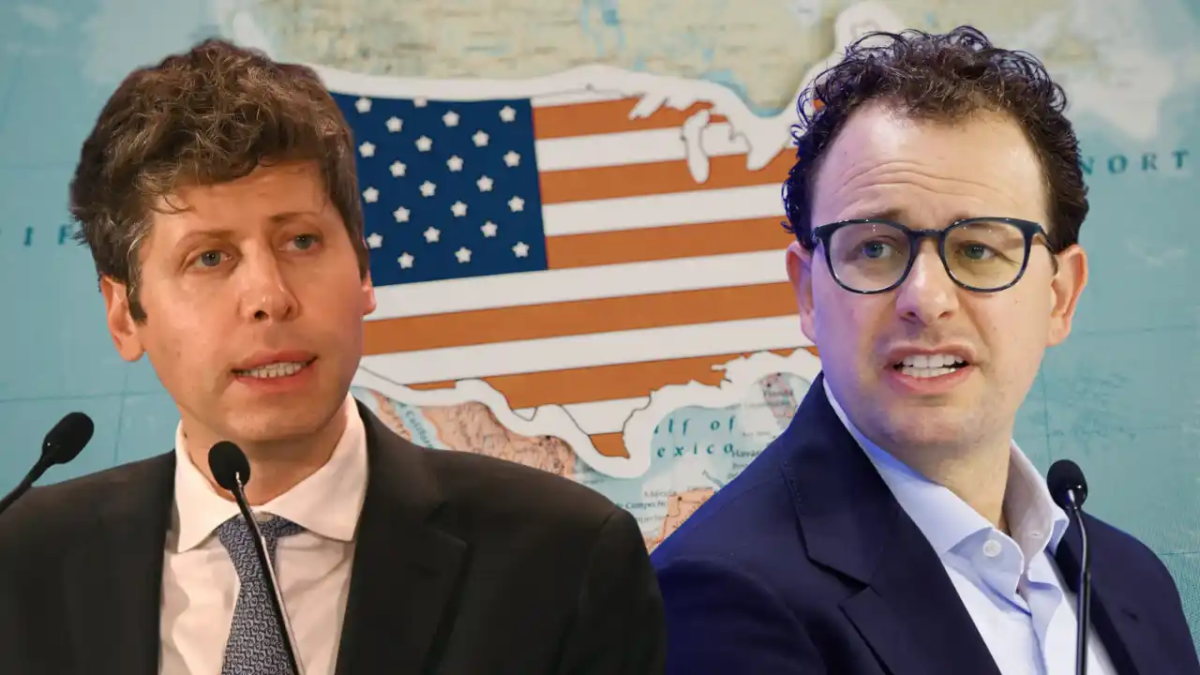
There's a photograph from February 2026 that pretty much sums up the state of AI right now. At the India AI Impact Summit in New Delhi, Indian Prime Minister Narendra Modi invited the world's tech leaders onstage for a group photo. Everyone held hands. Well, almost everyone. Sam Altman of OpenAI and Dario Amodei of Anthropic, standing right next to each other, refused to clasp hands and instead raised their fists separately. The internet, predictably, lost its mind. An awkward moment between OpenAI CEO Sam Altman and Anthropic CEO Dario Amodei at an AI Summit captured the increasingly icy relations between two rival tech leaders who started off as colleagues. That's not just petty drama. It's a window into what may be the most consequential corporate rivalry in the technology world right now, one that's playing out in boardrooms, courtrooms, Super Bowl ads, and billion-dollar compute deals all at once.
The designer-developer relationship has been tense for decades. Designers create pixel-perfect mockups in Figma. Developers translate them to code and somehow everything looks slightly wrong. Fonts don't match. Spacing is inconsistent. Buttons have different corner radiuses. Both sides get frustrated, blame each other, and the product suffers. V0 by Vercel is fixing this problem by generating production-quality React components that look exactly like the designs. The rebrand from v0.dev to v0.app in January 2026 signaled expanded ambitions beyond just UI component generation. Vercel positioned the tool for full-stack web development, though its core strength remains frontend excellence. That strategic clarity matters because trying to be everything often means excelling at nothing. V0 chose to dominate the handoff between design and code before expanding into other areas.
Meta's entire monetization thesis here seems to be get billions of people using the AI for free and then route them toward products via shopping mode. That is a brilliant business model if it works and a privacy nightmare regardless.
That is actually kind of reassuring? A company with sustainable revenue has less pressure to do something reckless to survive. Broke startups make dangerous shortcuts. Anthropic not being broke is arguably good for safety.
The timeline issue is the thing I keep coming back to. Three to five years to first production silicon. The AI field moves so fast that what makes sense to optimize for today might be completely irrelevant by 2029. How do you even design for that uncertainty?
Honestly? If you are a journalist or activist and you are using TikTok DMs for anything sensitive in 2026 that is a you problem at this point. The information about TikTok's data practices has been available for years.
Somebody explain to me how TikTok scanning for PhotoDNA to catch CSAM is meaningfully different from what every other major platform already does? Even encrypted platforms like Apple use on-device scanning for known illegal material. This is not an either or situation.