The GLP-1 comparison is genuinely interesting. The cultural infrastructure argument makes a lot of sense. Once a generation normalizes biological optimization in one domain, the adjacent categories expand faster.
5
Sign up to see more
SignupAlready a member?
LoginBy continuing, you agree to Sociomix's Terms of Service, Privacy Policy

The GLP-1 comparison is genuinely interesting. The cultural infrastructure argument makes a lot of sense. Once a generation normalizes biological optimization in one domain, the adjacent categories expand faster.
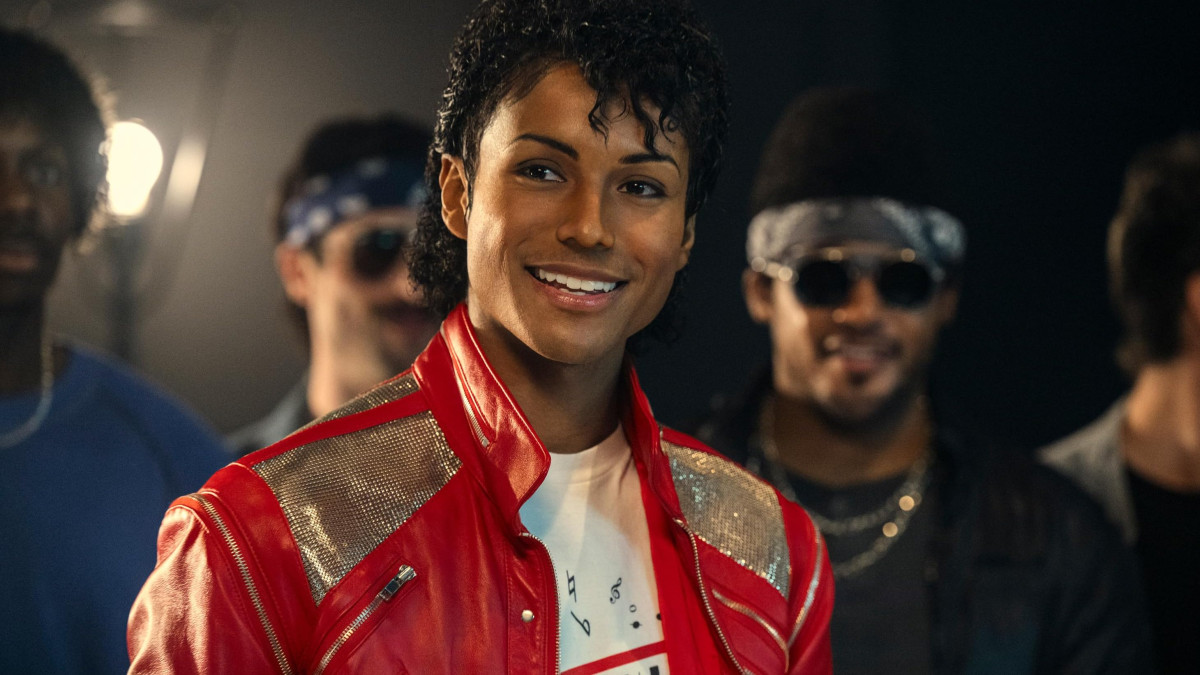
Regardless of what you think about how the estate has controlled this narrative, the fact that Jaafar closed the Hollywood premiere by saying he hoped his uncle was smiling from above is genuinely moving. That is not a publicist's line.
Brain wealth is the lifestyle concept redefining how an entire generation thinks about mental health in 2026, and if you have been treating your cognitive fitness as something to address only when something goes wrong, the shift happening right now will feel either overdue or quietly alarming depending on where you stand. The idea is straightforward but the implications are significant: your cognitive capacity, your ability to focus, adapt, learn, regulate your emotions, and think clearly under pressure, is not a fixed trait you are born with. It is a long-term asset you can actively invest in, protect, and grow.

The Michael movie review verdict is in, and it is more complicated than the 26% Rotten Tomatoes score suggests. Antoine Fuqua's long-delayed Michael Jackson biopic, simply titled Michael, hit theaters this weekend with Jaafar Jackson playing his late uncle, and the critical response has been brutal. The BBC gave it one star. Roger Ebert's site called it a filmed playlist in search of a story. Yet early audience reactions on social media have been warmer, ticket pre-sales suggest an $80 million opening, and Variety thought it worked as an engrossing middle-of-the-road biopic. After tracking coverage across more than a dozen outlets over the past 48 hours, I think the honest answer to "should you watch this?" depends almost entirely on what you want from a music biopic, and this guide breaks down exactly what the film delivers, what it skips, and who will actually enjoy sitting through its two-hour-and-nine-minute runtime.
The name localization thing is a real adjustment but it is standard practice for Japanese dubs of Korean properties. Solo Leveling did the same thing and after a few episodes you just adjust.
Lorin is the character I am most curious about honestly. The love interest whose love letters are being ghostwritten is either deeply tragic or deeply manipulative and the article wisely does not commit to which reading is correct.
Hot take: text-based editing is not a simplified version of real editing. It is a genuinely different paradigm that is better for dialogue-heavy content in almost every way.
Series like this remind me why BL manhwa is worth paying attention to even if you came in skeptical. The genre at its best is doing something emotionally precise that other romance traditions are either too cautious or too conventional to attempt.
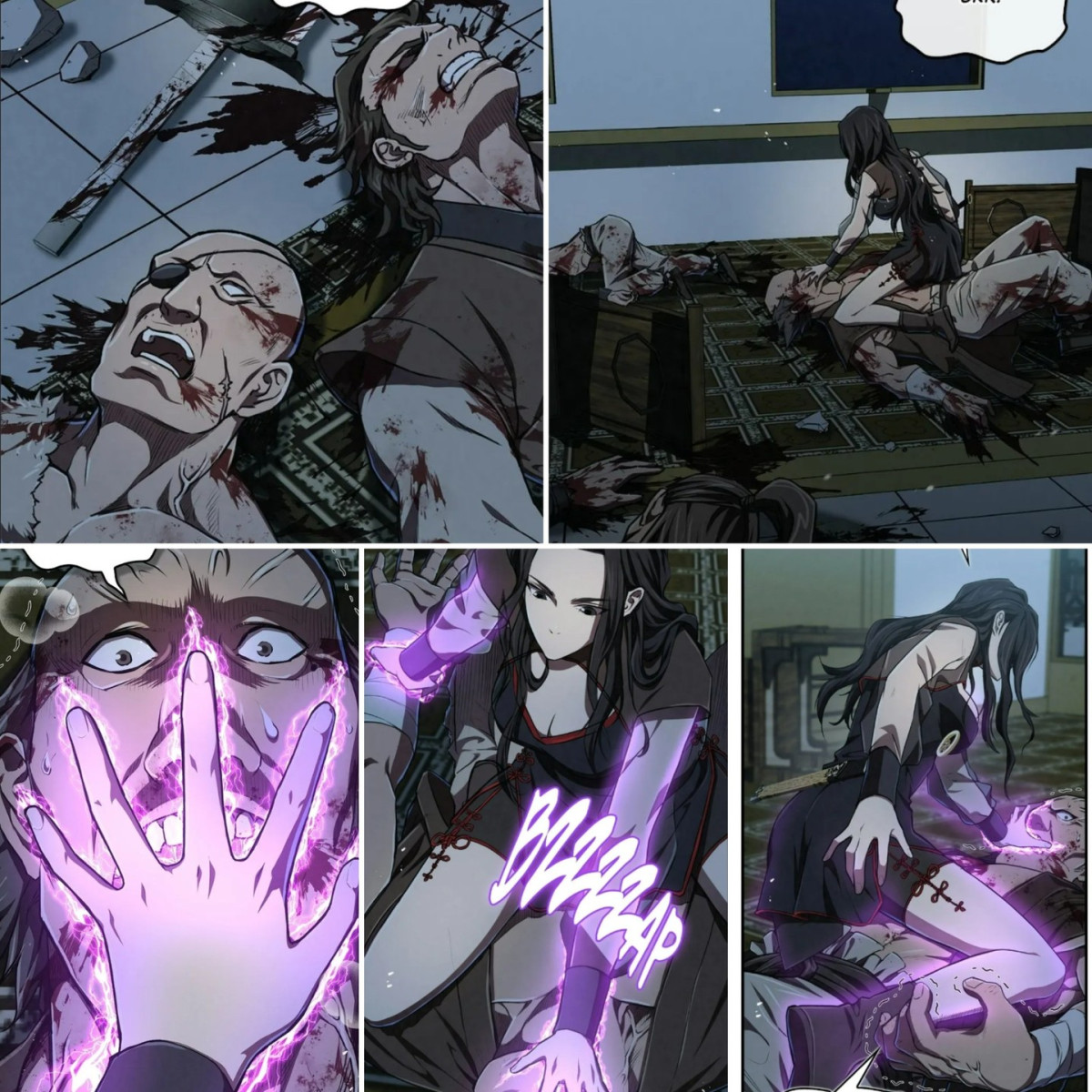
When you think of murim manhwa, your mind probably conjures images of ancient martial arts sects, internal energy cultivation, and warriors battling with swords and bare fists in historical settings. Science fiction elements like outer space invasions, advanced technology, and apocalyptic scenarios belong to completely different stories. Return of the Demonic Instructor takes these seemingly incompatible genres and weaves them into something genuinely innovative. Released on Webtoon in January 2026, this series arrived at the perfect moment when readers were hungry for fresh takes on established formulas. The premise alone sounds wild. A murim world gets invaded by demons from outer space, forcing martial artists to adapt centuries-old techniques to fight extraterrestrial threats. Then throw in regression, magic systems, and apocalyptic survival elements for good measure.
The designer-developer relationship has been tense for decades. Designers create pixel-perfect mockups in Figma. Developers translate them to code and somehow everything looks slightly wrong. Fonts don't match. Spacing is inconsistent. Buttons have different corner radiuses. Both sides get frustrated, blame each other, and the product suffers. V0 by Vercel is fixing this problem by generating production-quality React components that look exactly like the designs. The rebrand from v0.dev to v0.app in January 2026 signaled expanded ambitions beyond just UI component generation. Vercel positioned the tool for full-stack web development, though its core strength remains frontend excellence. That strategic clarity matters because trying to be everything often means excelling at nothing. V0 chose to dominate the handoff between design and code before expanding into other areas.
Institutional money is patient. They were buying the dip during two consecutive days of outflows and now the market is validating that positioning. That is a completely different dynamic from 2021 retail mania.
The article is pretty fair but I think it undersells how much the ByteDance ownership structure matters. Yes, TikTok US operations are technically separate now, but ByteDance retains a significant ownership stake and continues to run TikTok internationally. The legal exposure is real.
Wait, what about smaller companies that also run critical infrastructure? A 50-person fintech running legacy code is not getting access to this, but they are just as vulnerable as anyone on the partner list.
Platforms will never implement that level of granularity in edit reasons. It adds friction to the act of editing which defeats the purpose. Stick with the simple edited tag.
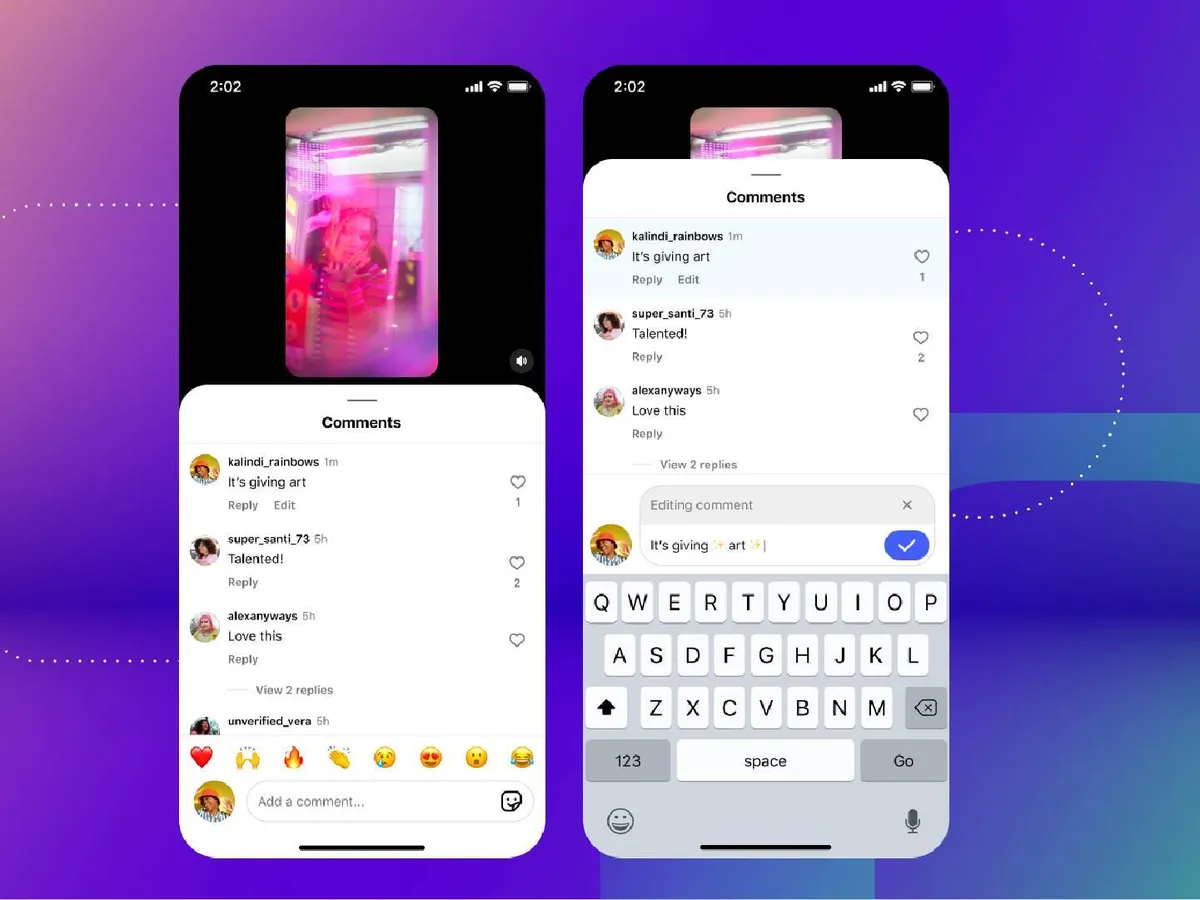
Instagram has rolled out a small but long overdue feature that users have been asking for years. You can now edit your comments after posting them. This simple change solves a very real frustration. Until now, fixing even the smallest typo meant deleting your comment and writing it all over again. That friction is finally gone. But there is a boundary. You get a 15 minute window after posting to make edits. Within that time, you can update your comment as many times as you want. There is also a layer of transparency built in. Once a comment is edited, others will be able to see that it has been modified. However, unlike platforms such as iMessage, Instagram does not show the edit history. What was originally written stays hidden.
The fringe on those sandals would drive me crazy. Maybe some simple metallic flats instead?
Just got a similar floral embroidered bag and it literally goes with everything in my closet. Such a versatile piece!