
What does Jaafar Jackson actually sound like as a singer separate from Michael? Has he released music people can listen to before seeing the film?
12
Sign up to see more
SignupAlready a member?
LoginBy continuing, you agree to Sociomix's Terms of Service, Privacy Policy

What does Jaafar Jackson actually sound like as a singer separate from Michael? Has he released music people can listen to before seeing the film?
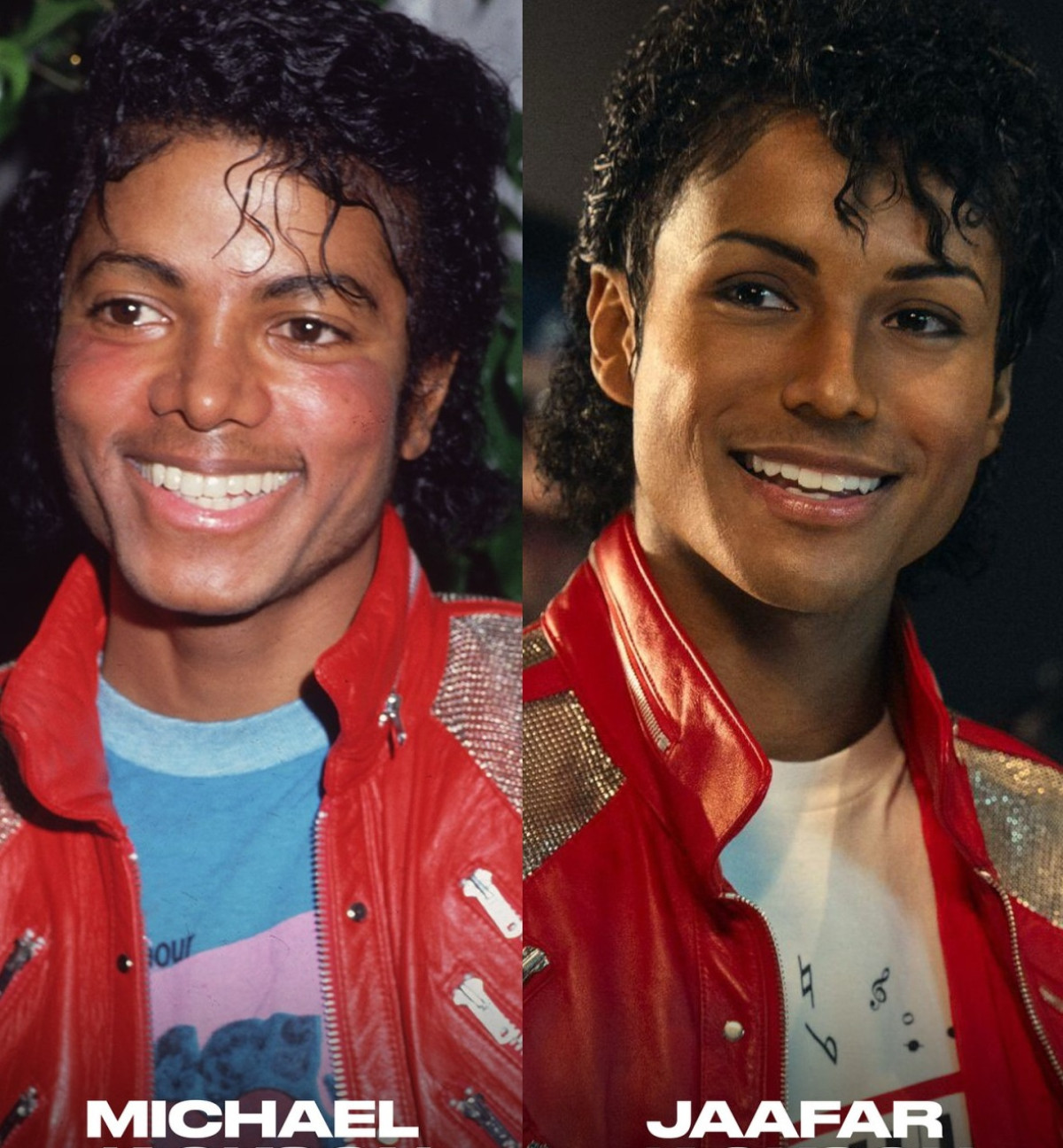
Jaafar Jackson plays Michael Jackson in the 2026 biopic Michael, and the story of how the 29-year-old newcomer landed the role is more interesting than the film itself. It started with a voice note. It involved a two-year global casting search with no formal auditions. It required Jaafar to keep the role secret from his own family for a full year. And it ended with his grandmother Katherine Jackson, the woman who knew Michael longest and loved him most, telling producers that her grandson didn't just resemble her son, he embodied him. After tracking every interview, behind-the-scenes video, and production report released since the film was announced, I can tell you that the choice of Jaafar was not nepotism, not a publicity play, and not the obvious pick everyone assumes it was. It was a hard-earned outcome of the most unusual casting process in recent biopic history, and here is how it actually happened.
The technology sector is experiencing a paradox. While headlines scream about mass layoffs at major tech companies, a critical shortage is quietly building in one of the most essential areas of digital infrastructure. Datacenters, the physical backbone of our digital world, are facing an unprecedented demand surge, and there simply are not enough skilled professionals to build and maintain them. Countries across the globe are rushing to establish their own datacenter infrastructure. From India's ambitious plans to become a datacenter hub to the European Union's push for data sovereignty, and emerging markets in Southeast Asia and Latin America building their first large scale facilities, the construction boom is just beginning.

The article is right that the layered villain structure keeps stakes escalating but I'd add that the Apostle of the Itarim's infiltration of the Hunter Association creates a specific kind of tension that the original never really attempted.
Sci-fi demons invading a martial arts world is not a new concept if you've read enough light novels, but the execution here is genuinely fresh.
When Tomb Raider King first exploded onto the manhwa scene, it brought a fresh take on dungeon crawling stories by combining archaeological adventure with ruthless protagonist energy and a treasure-hunting premise that felt genuinely different from typical gate and dungeon narratives. The series built a dedicated fanbase through its satisfying blend of historical artifact powers, strategic relic acquisition, and a protagonist who wasn't afraid to be morally gray in pursuit of his goals. Now, with the anime adaptation confirmed for 2026 as one of the most anticipated manhwa-to-anime projects, Tomb Raider King is experiencing a resurgence. New readers are discovering the series while longtime fans eagerly await seeing Jooheon Suh's relic-hunting adventures brought to life with animation. The timing couldn't be better, as the series has built enough content to support a substantial adaptation while maintaining momentum in its ongoing storyline.

The article talks about Runway dominating enterprise adoption but Google has Vertex AI integration for Veo which means enterprise IT teams can plug it into existing cloud infrastructure without touching a new vendor relationship. That distribution advantage is massive.
Nobody ever posts the failure stories though. The channels that went all in on AI avatars and lost audience trust when they disclosed it, the agencies whose clients pulled back when they found out. Survivorship bias makes every case study look cleaner than reality.
The debugging experience when things go wrong is where this tool still feels rough. The AI autofix feature catches common errors, but when something breaks in a subtle way, the back-and-forth to diagnose it can consume more tokens than building the feature did.
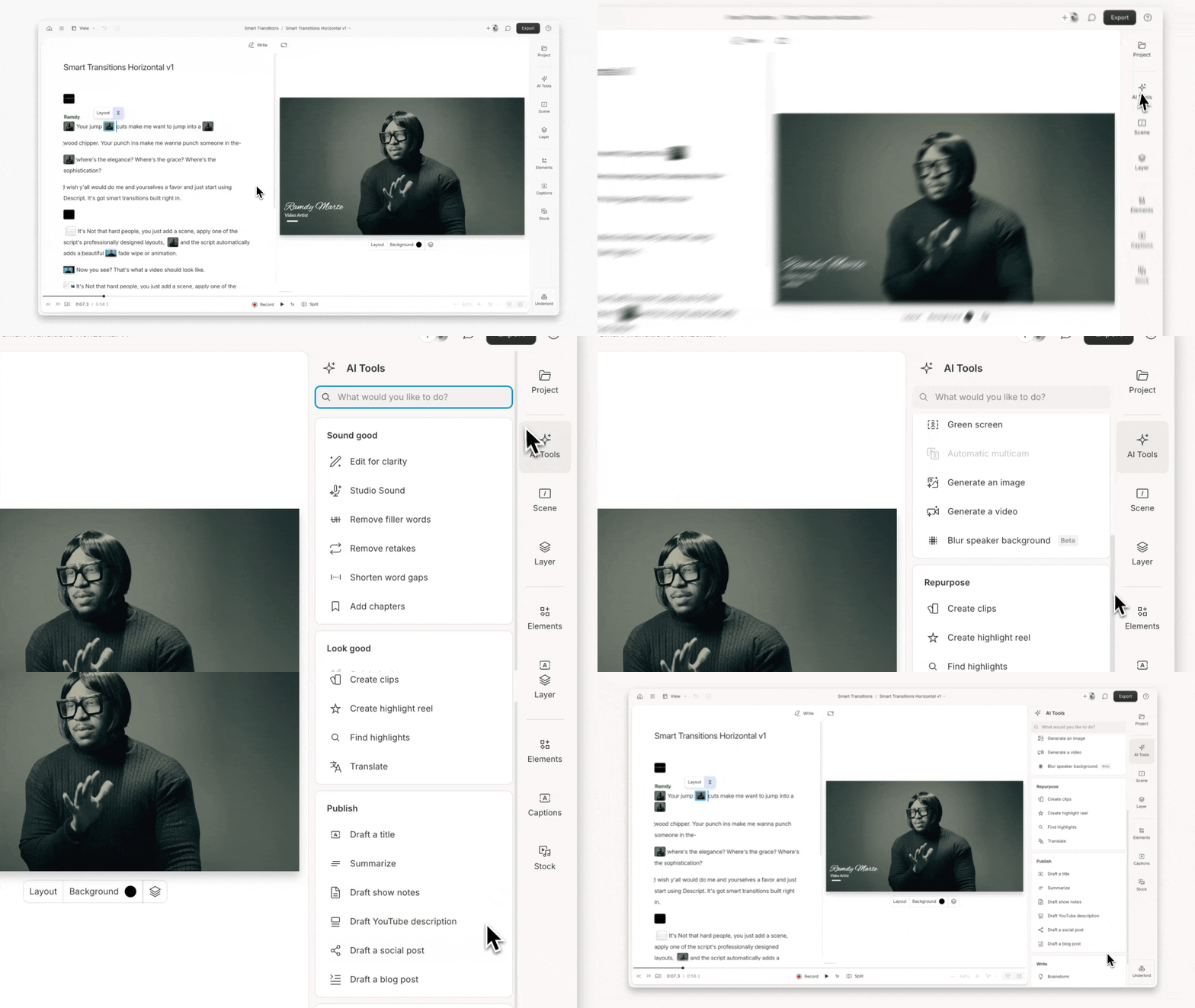
Most people can edit a Google Doc. Delete some words, rearrange sentences, fix typos, add paragraphs. It's intuitive and requires no special training. Now imagine editing video the same way. That's Descript's core innovation, and it transformed video editing from a specialized skill requiring expensive software into something anyone who can edit text can do effectively. Descript started as a transcription tool for podcasters. Record your podcast, upload it to Descript, and get an accurate transcript for show notes. But the founders realized something bigger. If you have a perfect transcript synchronized to audio, you can edit the audio by editing the text. Delete a word from the transcript and that word disappears from the audio. That insight became the foundation for a complete editing platform.
That is actually a fascinating point. If keywords in comments now affect discoverability, then the edit window essentially becomes a brief optimization opportunity. Social media managers are definitely going to start treating those 15 minutes strategically.
Those palazzo pants would be amazing for tall girls like me. The flow is everything!
I can already picture myself wearing this entire outfit for Sunday brunch with my girlfriends! The metallic accents make it feel special but not overdressed.
Wonder if white jeans would work instead? I always struggle with light blue on light blue
You could totally swap the leggings for bike shorts in summer and it would still look amazing