Is bio-harmony eating safe for someone with a history of disordered eating? The window structure feels like it could become another set of rigid rules to stress about.
22
Sign up to see more
SignupAlready a member?
LoginBy continuing, you agree to Sociomix's Terms of Service, Privacy Policy
Is bio-harmony eating safe for someone with a history of disordered eating? The window structure feels like it could become another set of rigid rules to stress about.
Back when I was first getting into this space a few years ago, the nootropics conversation was almost entirely in biohacker forums. Watching it move to mainstream wellness culture and now to TikTok and run clubs is a genuinely interesting cultural shift to observe.
The creators behind some of Webtoon's most successful psychological thrillers have returned with a series that's already generating intense discussion across manhwa communities. For fans who've been following the horror and thriller genre on digital platforms, Carnby Kim and Youngchan Hwang need no introduction. Their latest collaboration tackles themes of artistic plagiarism, obsession, and murder in ways that feel disturbingly relevant to current conversations about creative theft and AI-generated content. This guide covers everything you need to know about Copycat, from its premise and release schedule to how it compares with their previous masterpieces like Sweet Home and Bastard.
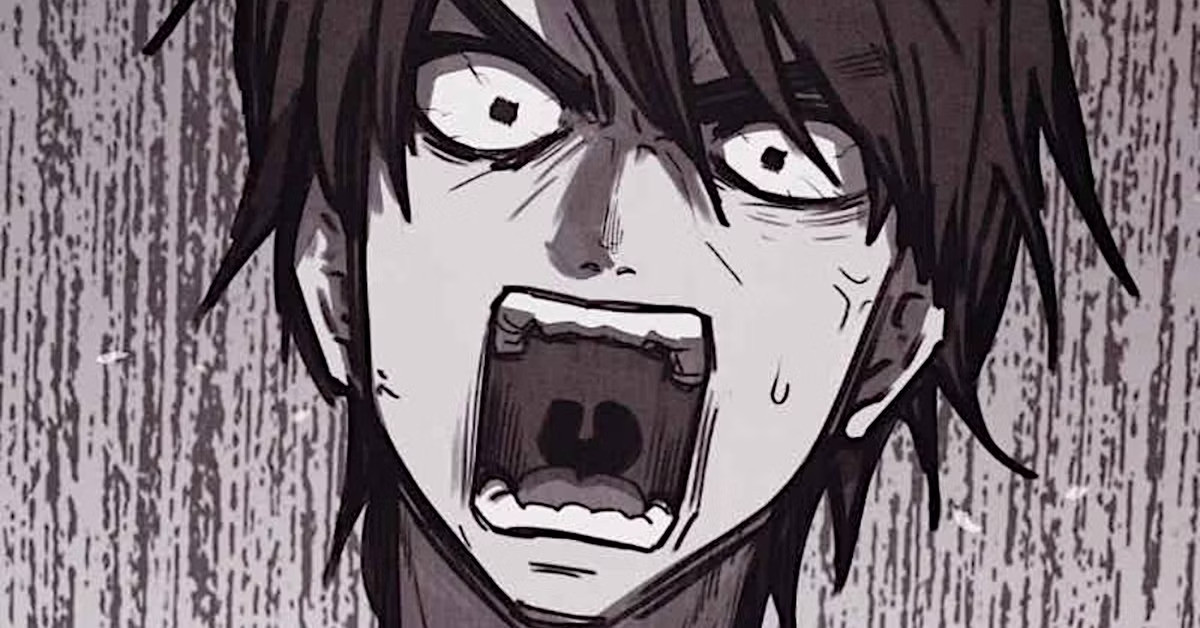
The article frames Suchan as Kim's most morally complicated protagonist and I think that is underselling it. He is not just morally gray, he is actively uncomfortable to root for, and yet you keep rooting for him. That is rare craft.
The technology sector is experiencing a paradox. While headlines scream about mass layoffs at major tech companies, a critical shortage is quietly building in one of the most essential areas of digital infrastructure. Datacenters, the physical backbone of our digital world, are facing an unprecedented demand surge, and there simply are not enough skilled professionals to build and maintain them. Countries across the globe are rushing to establish their own datacenter infrastructure. From India's ambitious plans to become a datacenter hub to the European Union's push for data sovereignty, and emerging markets in Southeast Asia and Latin America building their first large scale facilities, the construction boom is just beginning.

What I appreciate is that the learning curve, while real, is front loaded. The first project takes longer than expected because the interface is genuinely new. By the third project the speed gains kick in hard.
Pricing clarity is genuinely undervalued as a product feature. When your costs are predictable you can budget for AI as infrastructure instead of treating every project as a cost gamble.
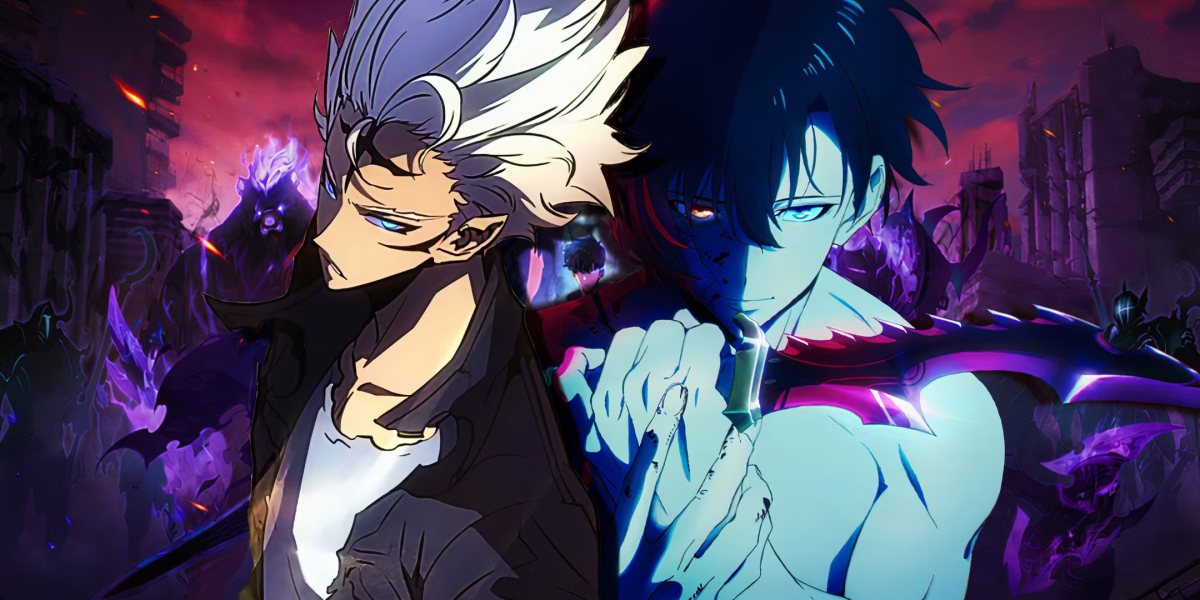
The manhwa world exploded when Solo Leveling first introduced us to Sung Jinwoo's journey from the weakest hunter to humanity's strongest defender. Now, Solo Leveling Ragnarok brings a fresh perspective to this beloved universe, and fans everywhere are asking the same questions. Can the sequel live up to the original? Do you need to read Solo Leveling first? What makes this continuation worth your time? This guide covers everything you need to know about Solo Leveling Ragnarok, whether you're a longtime fan or someone curious about jumping into the series Solo Leveling Ragnarok is not a reboot or alternate timeline. This is a direct sequel that continues the story years after the original series concluded. The protagonist shifts from Sung Jinwoo to his son, Sung Suho, who must forge his own path in a world still recovering from the catastrophic events his father prevented.
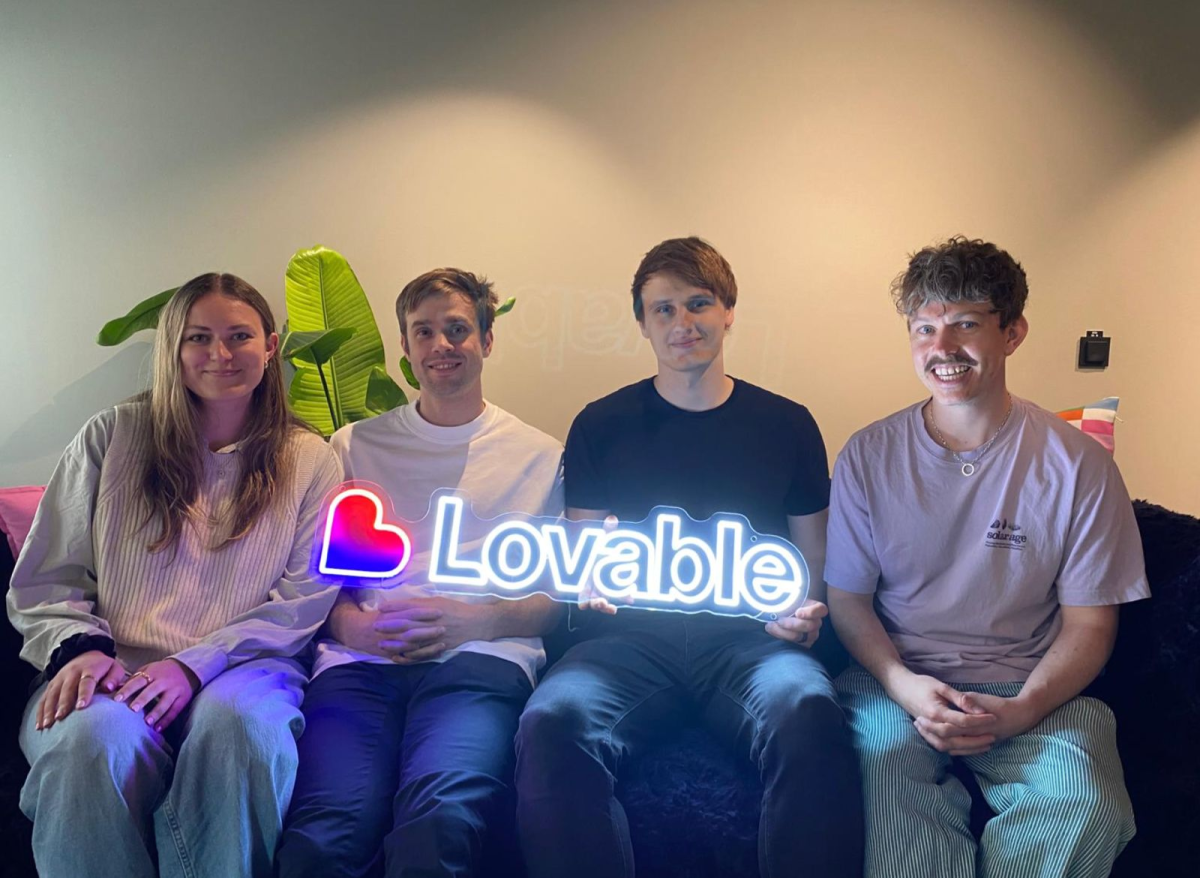
The software development world just witnessed something unprecedented. A European startup called Lovable reached $20 million in annual recurring revenue in just two months, making it potentially the fastest-growing startup in European history. But here's the twist that's making traditional software agencies nervous: they did it by giving non-technical founders the power to build full-stack applications without writing a single line of code. For years, the promise of no-code tools has been the same: anyone can build an app. But the reality has always been different. You'd create a beautiful frontend, get excited about your progress, and then hit the technical cliff. Suddenly you needed to configure databases, set up authentication, manage API keys, and deploy to servers. The "no-code" dream became a "hire-a-developer-anyway" nightmare.
Token-based pricing feels more honest than flat subscriptions for tools like this. You pay proportionally to how much you build. That said, the token math needs to be much more transparent upfront so users don't hit walls unexpectedly.
Nobody ever posts the failure stories though. The channels that went all in on AI avatars and lost audience trust when they disclosed it, the agencies whose clients pulled back when they found out. Survivorship bias makes every case study look cleaner than reality.
vibe coding is honestly just what programming is becoming for a huge percentage of people and I think fighting it is like fighting compilers in the 1950s
The move from open-source Llama to proprietary Muse Spark is a philosophically significant pivot. Meta spent years building credibility and developer trust by being open. Monetization is a legitimate need but it comes at a real cost to that identity.
The analogy to glasswing butterflies is clever but the thing about transparent wings is that while they make the butterfly hard to see, they do not make it invulnerable. Something to sit with.
both tools have gotten so good that the debate feels increasingly like arguing about which hammer to use. Use whatever fits your workflow and move on.
I've been living in oversized sweaters lately and this is such a cute way to dress them up
I'm wondering about sizing. Should I go true to size or size up to get that perfect flowy effect?