Haute_Designer
Sweet Home took me almost two weeks to read in full when I discovered it during the Netflix adaptation buzz. Jumping in now on Copycat while it is only 10 chapters deep feels genuinely luxurious by comparison.
4

Fair pushback above, but the counterpoint is that even with aggressive automation, demand is growing so fast that total headcount is still projected to increase. A shrinking ratio applied to a doubling base still means more jobs.
22
Honestly the BL genre has been having such a strong run lately between new manhwa releases and the expansion of publishers picking up titles for physical release. Feels like there is more quality to choose from right now than at any point in recent memory.
1
The main difference is some dialogue tweaks and the Peace Land arc has reworked character motivations in the published novel version. For most readers the manhwa is fine as an anime source. The bones are the same.
21
The ORV anime adaptation being confirmed for a late 2026 window has everyone buzzing right now. New readers are flooding the source material and the community is genuinely electric about it.
10

Casual reminder that the series has had multiple hiatuses already including one that lasted months between seasons one and two. Going in with patience management is genuinely useful advice.
16

Speaking from experience reading manhwa before adaptations, the series that adapts worst are always the ones with the strongest visual identity in the webtoon. Gosu's line work is so distinctive it will be hard to translate.
17

Everything You Need To Know Before Picking Omniscient Reader's Viewpoint Anime
The manhwa community has been buzzing with anticipation ever since MAPPA Studio announced their adaptation of Omniscient Reader's Viewpoint. With a spring 2026 release date confirmed and 24 episodes planned for the first season, this adaptation represents one of the most ambitious manhwa-to-anime projects ever undertaken. But what makes this series so special that it warranted such a massive production commitment? If you're hearing about Omniscient Reader's Viewpoint for the first time or wondering whether the hype is justified, this guide will prepare you for what promises to be one of the biggest anime releases of the year. We'll cover the story premise, why it's captured millions of readers worldwide, what MAPPA's involvement means, and everything else you need to know before the first episode airs

215
Save
All 15 Manhwa Getting Anime Adaptations In 2026 Ranked
The year 2026 marks a pivotal moment in the evolution of manhwa as a medium. What started as a trickle of Korean comics receiving anime adaptations has become a flood, with at least fifteen confirmed projects bringing beloved manhwa to animated life. This explosive growth wasn't accidental but the inevitable result of Solo Leveling's massive success proving that manhwa adaptations can compete with traditional manga anime in quality, popularity, and profitability. Studios across Japan and Korea are investing heavily in manhwa properties, recognizing that Korean storytelling brings fresh perspectives, innovative premises, and built-in fanbases eager to see their favorite series animated. The diversity of genres receiving adaptations demonstrates that manhwa appeal extends far beyond action and fantasy into romance, psychological thriller, sports, and slice-of-life territories.

354
Save
152% year over year customer growth for HeyGen versus 30% for Synthesia. Framing slower growth as enterprise stability only works until the challenger catches up on revenue too.
9
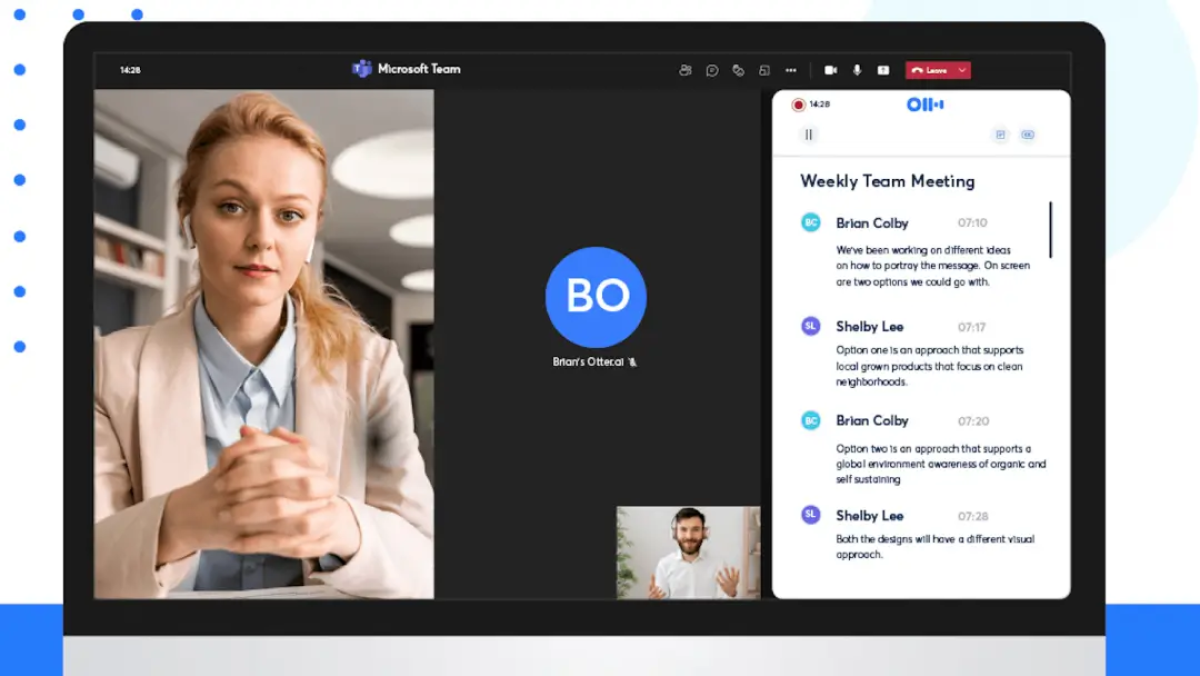
The AI Assistant That Attends Your Meetings So You Don't Have To
Knowledge workers spend an average of 18 hours per week in meetings. Much of that time involves routine status updates, recurring check-ins, and informational sessions where your physical presence adds minimal value. Otter.ai introduced a provocative concept called OtterPilot: an AI assistant that joins meetings autonomously when you can't attend, records everything, generates summaries, and answers questions about what happened. Connect Otter.ai to your calendar. The system monitors your scheduled meetings and automatically joins Zoom, Google Meet, or Microsoft Teams calls when they start. OtterPilot records audio, generates real-time transcripts, identifies speakers, and creates AI summaries with action items. You receive a meeting briefing without attending the meeting yourself.
125
Save
Three months in on the free tier and only hit the 25 credit limit twice. Using it mostly for autocomplete and small refactors. For light usage the free plan is genuinely viable.
23
Beating Google And OpenAI At Video Generation With A 1,247 Elo Score
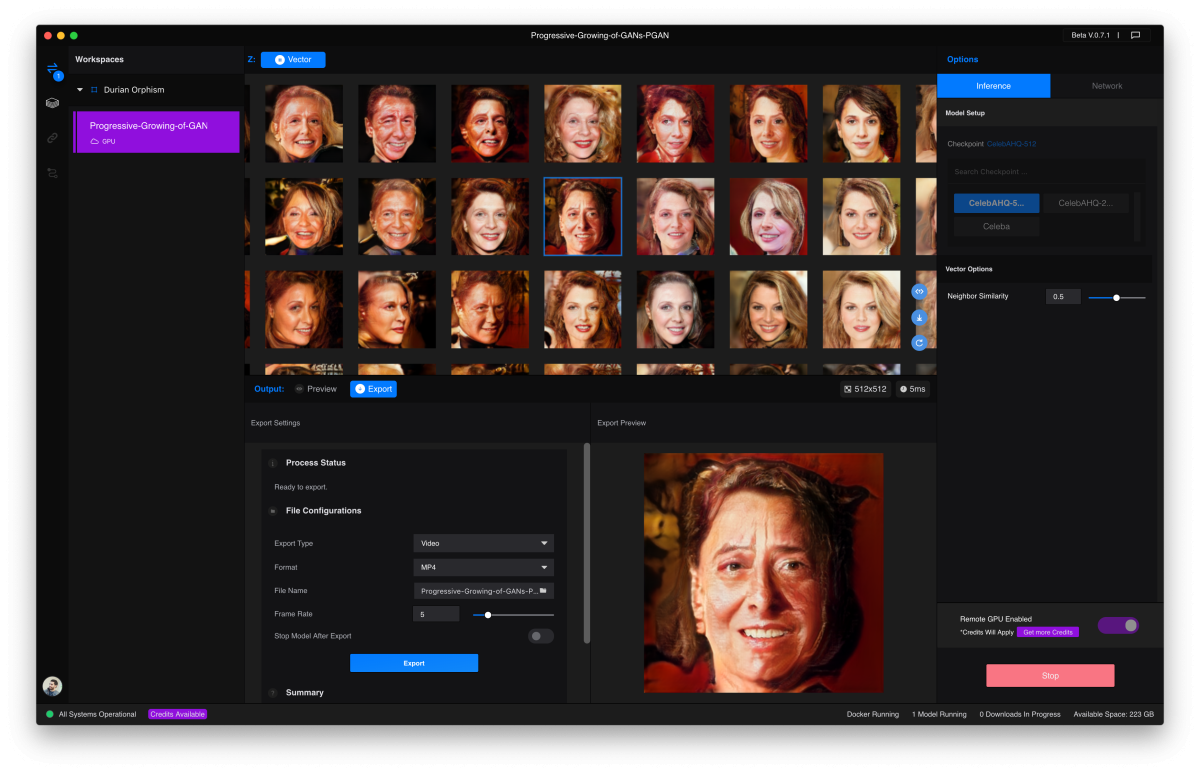
The AI video generation race just got a clear winner. Runway Gen-4.5 topped the Video Arena leaderboard with a 1,247 Elo score, surpassing both Google Veo 3 and OpenAI Sora 2. For those unfamiliar with Elo ratings, this is the same system used to rank chess players and competitive games. A higher score means more wins in head-to-head comparisons. When real users compare videos side by side without knowing which AI generated them, they consistently choose Runway's output. Runway didn't start as an enterprise video tool. It began as a playground for artists and filmmakers who wanted to experiment with AI-generated visuals. The early versions produced fascinating but inconsistent results. Sometimes you'd get stunning cinematic footage. Other times you'd get distorted motion and unrealistic physics. Gen-4.5 changed that equation by achieving breakthrough consistency in motion quality and physical accuracy.
258
Save
Wait, what about the software stack that has to run on whatever custom chip Anthropic might build? Designing the silicon is only half the problem. You need compilers, kernel libraries, debugging tools, and a whole ecosystem before engineers can actually use the thing productively.
14

TikTok Breaks Ranks On Privacy: Why The Platform Won't Encrypt Your Messages
In a rare divergence from industry norms, TikTok has confirmed it will not adopt end-to-end encryption (E2EE) for direct messages, breaking with nearly every major social media platform and reigniting one of the tech industry's most contentious debates. The Chinese-owned video platform told the BBC exclusively that it believes the privacy technology championed by Meta, Apple, and others as essential for user protection actually makes users less safe by creating "dark spaces" where harmful content can flourish beyond the reach of safety teams and law enforcement. The decision puts TikTok in direct opposition to its competitors while potentially exposing the company to fresh criticism over data protection, particularly given ongoing concerns about its ties to Beijing.
395
Save
Meta spending between 115 and 135 billion dollars on AI infrastructure in 2026 alone and then calling the output small and fast by design is one of the more peculiar brand positionings I have seen.
8
Solid article overall, but I would push back on the framing that this is purely strategic analysis rather than active development. Companies do not announce that they are studying chip development unless they have already decided to do it. This is a managed leak.
22