Genuinely blown away that his first acting credit is playing one of the most iconic performers who ever lived. No pressure or anything.
23
Sign up to see more
SignupAlready a member?
LoginBy continuing, you agree to Sociomix's Terms of Service, Privacy Policy
Genuinely blown away that his first acting credit is playing one of the most iconic performers who ever lived. No pressure or anything.
Bio-harmony eating is the nutrition trend reshaping how people think about food in 2026, and if you have been feeling like calorie counting is making you miserable without actually delivering results, the science behind it will likely resonate immediately. The concept is straightforward - instead of obsessively tracking numbers on a label, you align what you eat, when you eat it, and how much with your body's internal biological clock, your metabolic rhythms, and your gut's own needs. After spending several months testing this approach, shifting my own meals earlier in the day and rebuilding my eating window around natural light cycles, the difference in energy levels and digestion alone was enough to keep me from ever going back to a calorie app. This guide covers what bio-harmony eating actually is, the real science behind it, what a typical day looks like in practice, and who is most likely to benefit.

The creators behind some of Webtoon's most successful psychological thrillers have returned with a series that's already generating intense discussion across manhwa communities. For fans who've been following the horror and thriller genre on digital platforms, Carnby Kim and Youngchan Hwang need no introduction. Their latest collaboration tackles themes of artistic plagiarism, obsession, and murder in ways that feel disturbingly relevant to current conversations about creative theft and AI-generated content. This guide covers everything you need to know about Copycat, from its premise and release schedule to how it compares with their previous masterpieces like Sweet Home and Bastard.
Counter to the pacing concern above, I think the slow explanations are actually part of the charm. It trusts the reader to be interested in the details, which is rare.
Cautiously optimistic about this adaptation because the source material is so strong that even a decent execution should result in something worthwhile. My floor for this is still higher than most sports anime.
The demonic versus orthodox visual coding is so ingrained now that when Cheon Yeo-Woon uses orthodox-adjacent techniques the color confusion reads as intentional character development. That is artist and writer working in perfect sync.
Benlira is a former hero party member who became a skeletal messenger after 120 years of slumber. The backstory here is richer than the article implies, and honestly the reveal of her past connection to the hero party is what sets this apart from generic undead protagonists.
Counterpoint, the nano machine conveniently solves every problem the plot creates for Cheon Yeo-Woon and at some point that removes tension. The art is excellent but the power scaling is not as thoughtfully handled as the article implies.
The dungeon environment designs in Ragnarok are legitimately some of the most creative in the genre. The snowfolk tundra arc visually looked incredible.
Ended well? Genuinely asking because I stopped reading mid series and want to know if it's worth catching up on.
The visual language of BL manhwa for conveying attraction through micro-expressions and body language before any explicit acknowledgment is something the article correctly identifies as crucial. Readers are often ten chapters ahead of the protagonists emotionally and good art is why.
SSS-Class Revival Hunter should absolutely have been on this list. A protagonist who gains powers by dying repeatedly is one of the most creative mechanics the genre has ever produced.
The clip finder works better than I expected honestly. It does not always pick the clips I would have chosen but it surfaces moments I would have missed, and the starting point is strong enough to refine quickly.
Voice cloning consistency is the sleeper feature here. Personal brand recognition is built on voice as much as face, and being able to maintain that audio identity across hundreds of videos without recording each one is actually kind of profound.
What I appreciate is that the learning curve, while real, is front loaded. The first project takes longer than expected because the interface is genuinely new. By the third project the speed gains kick in hard.
The ORV anime adaptation being confirmed for a late 2026 window has everyone buzzing right now. New readers are flooding the source material and the community is genuinely electric about it.
The year 2026 marks a pivotal moment in the evolution of manhwa as a medium. What started as a trickle of Korean comics receiving anime adaptations has become a flood, with at least fifteen confirmed projects bringing beloved manhwa to animated life. This explosive growth wasn't accidental but the inevitable result of Solo Leveling's massive success proving that manhwa adaptations can compete with traditional manga anime in quality, popularity, and profitability. Studios across Japan and Korea are investing heavily in manhwa properties, recognizing that Korean storytelling brings fresh perspectives, innovative premises, and built-in fanbases eager to see their favorite series animated. The diversity of genres receiving adaptations demonstrates that manhwa appeal extends far beyond action and fantasy into romance, psychological thriller, sports, and slice-of-life territories.
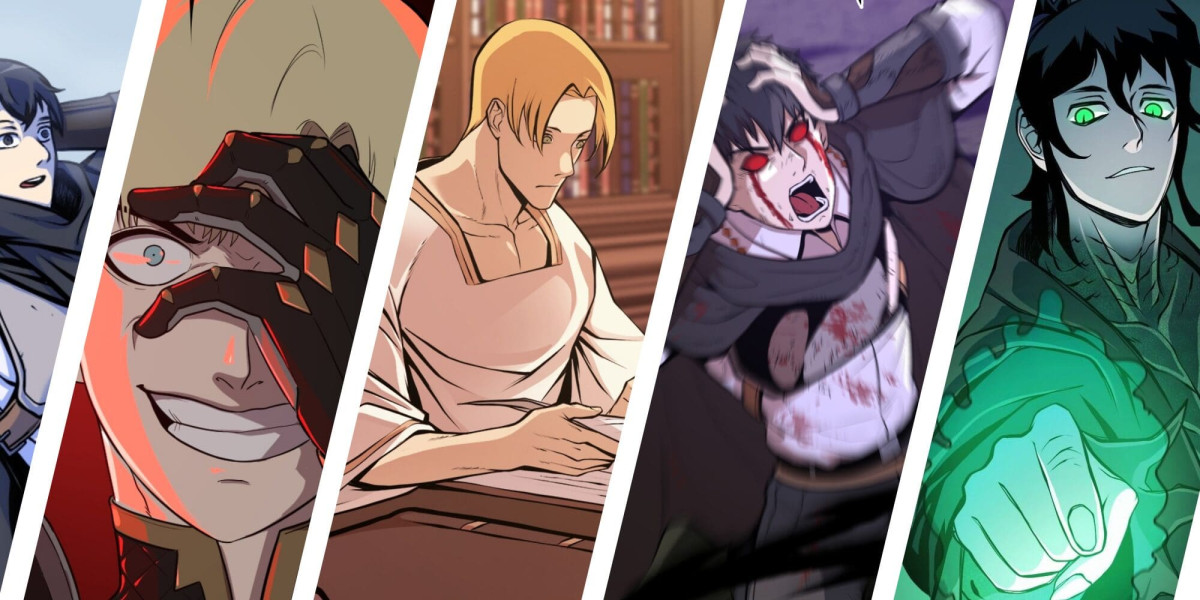
The regression subgenre has exploded in popularity over the past few years, becoming one of the most beloved narrative frameworks in Korean manhwa. The core premise is deceptively simple: a protagonist dies or fails catastrophically, then returns to an earlier point in time with their memories intact. Armed with future knowledge, they get a second chance to change their fate, save loved ones, gain power, or pursue revenge against those who wronged them. What makes regression stories so compelling is the combination of dramatic irony, strategic satisfaction, and emotional depth they provide. Readers know what the protagonist knows, creating tension when other characters make mistakes we can see coming. We feel smart alongside protagonists who use foreknowledge to outmaneuver enemies. And we experience the emotional weight of carrying memories of futures that haven't happened yet, of people who died who are currently alive, of betrayals that haven't occurred.
The action item extraction is impressive when it works. The AI correctly identified who committed to what in three separate discussions during a product planning session and got it right each time. That surprised me.
Speaking from experience as a parent of a teenager who was approached by a predator on a different platform, the platforms that flagged and reported it did catch it before anything happened. So I understand the argument. But I also know TikTok specifically is not a company I would hand that responsibility to.