This post does a good job of threading the needle between genuine science and the marketing machine. Most coverage of this topic goes all in on one side or the other.
5
Sign up to see more
SignupAlready a member?
LoginBy continuing, you agree to Sociomix's Terms of Service, Privacy Policy

This post does a good job of threading the needle between genuine science and the marketing machine. Most coverage of this topic goes all in on one side or the other.
What are the best nootropics for focus and memory that actually have clinical evidence? Not looking for a stack, just the ones with real data.
The article makes a point I had not considered before, that Jaafar was the right fit for the specific film this production was always going to be. A different director or a different mandate might have needed a different actor.
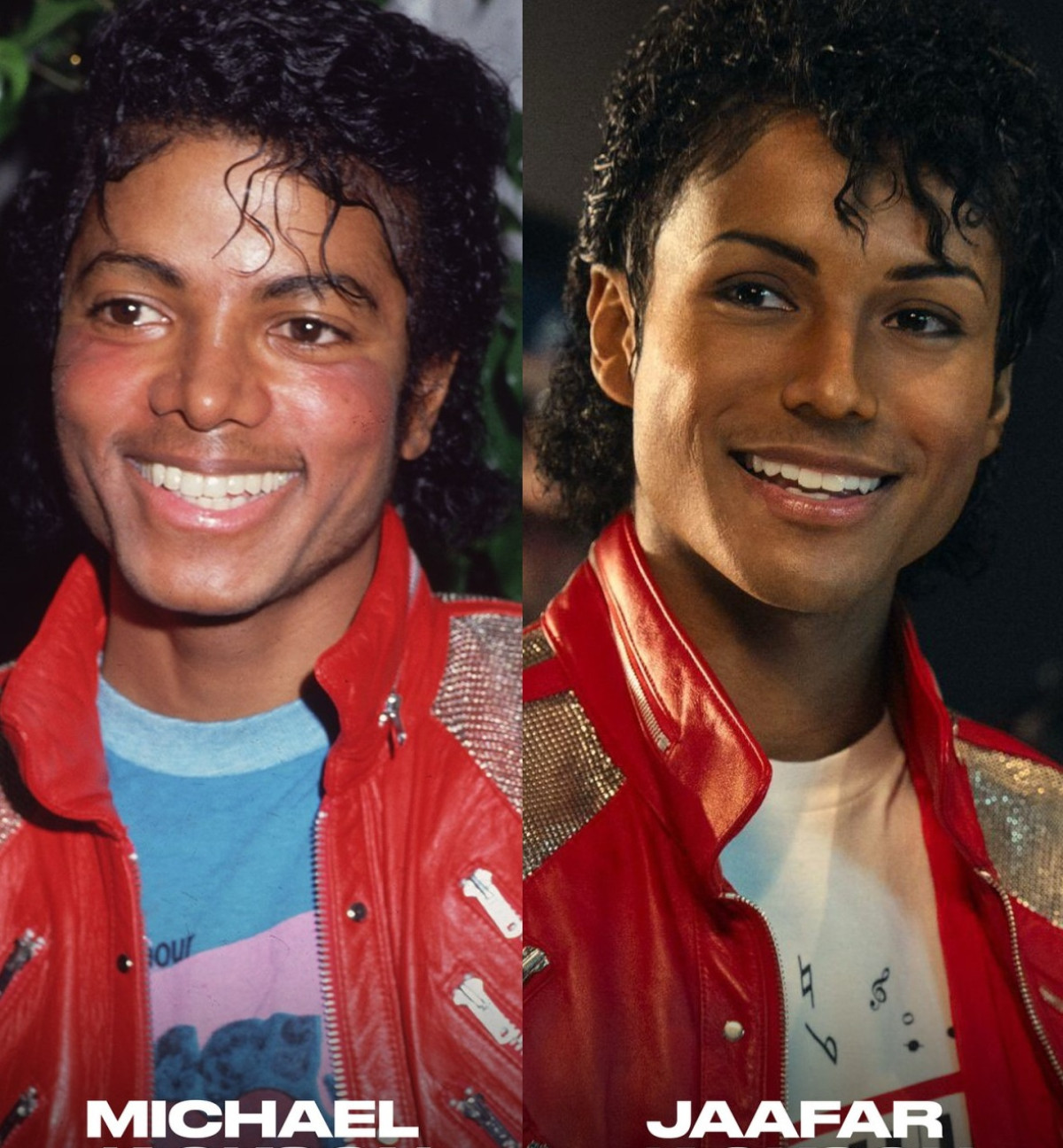
Jaafar Jackson plays Michael Jackson in the 2026 biopic Michael, and the story of how the 29-year-old newcomer landed the role is more interesting than the film itself. It started with a voice note. It involved a two-year global casting search with no formal auditions. It required Jaafar to keep the role secret from his own family for a full year. And it ended with his grandmother Katherine Jackson, the woman who knew Michael longest and loved him most, telling producers that her grandson didn't just resemble her son, he embodied him. After tracking every interview, behind-the-scenes video, and production report released since the film was announced, I can tell you that the choice of Jaafar was not nepotism, not a publicity play, and not the obvious pick everyone assumes it was. It was a hard-earned outcome of the most unusual casting process in recent biopic history, and here is how it actually happened.
The article says this series will make you question the nature of talent. That is understating it. It made me question whether anything I work hard at is meaningful if the outcome is already determined by things outside my control.
The mystery wearing thin is a valid criticism but I think the fragmented reveals are intentional. We are getting her past the same way she experiences the present, in pieces, without full context.
Suho's relationship with Beru is the emotional core of the series so far and it barely gets mentioned in most guides. That dynamic is doing more narrative work than anything else.
The manhwa community has been buzzing with anticipation ever since MAPPA Studio announced their adaptation of Omniscient Reader's Viewpoint. With a spring 2026 release date confirmed and 24 episodes planned for the first season, this adaptation represents one of the most ambitious manhwa-to-anime projects ever undertaken. But what makes this series so special that it warranted such a massive production commitment? If you're hearing about Omniscient Reader's Viewpoint for the first time or wondering whether the hype is justified, this guide will prepare you for what promises to be one of the biggest anime releases of the year. We'll cover the story premise, why it's captured millions of readers worldwide, what MAPPA's involvement means, and everything else you need to know before the first episode airs

Someone asked about streaming and honestly the smart money is on Crunchyroll handling global distribution like they do with most manhwa adaptations right now. But nothing is confirmed.
Been following since near the beginning and watching the global fanbase grow has been genuinely satisfying. This series earned every reader it has.
Characters who can't use the primary power system but compensate through intelligence and adaptation are always more interesting to me than overpowered cultivation prodigies.
The fact that the web novel is done means at least we're not getting an unfinished story. That alone puts Ragnarok ahead of a lot of ongoing manhwa right now.
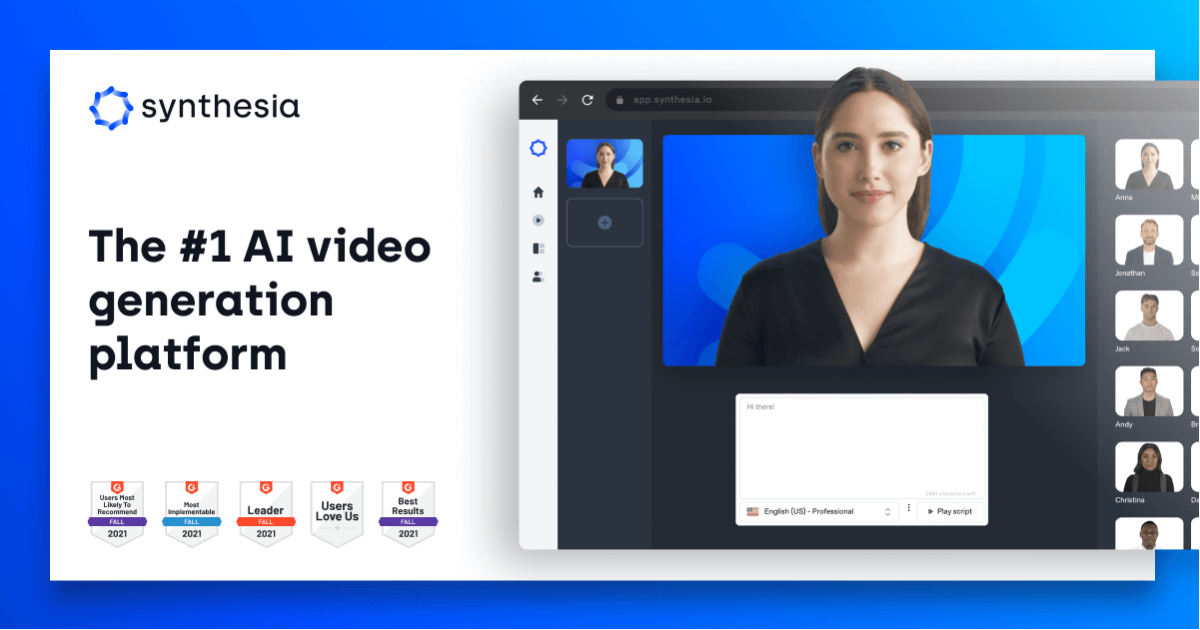
When a company raises $200 million in Series E funding during January 2026, investors are betting on more than potential. They're backing proven market demand and sustainable growth. Synthesia's funding round came alongside a 44% year-over-year increase in headcount to 706 employees, signaling aggressive expansion in a category the company essentially created: AI avatar-based video generation for enterprise training and communications. Corporate training videos have been expensive and slow to produce for decades. Recording a single 10-minute training module traditionally required booking a studio, hiring a presenter, scheduling a videographer, managing multiple takes, and editing everything together. If you needed to update information or translate content, you essentially started over. Synthesia eliminated this entire production workflow by replacing human presenters with AI avatars.
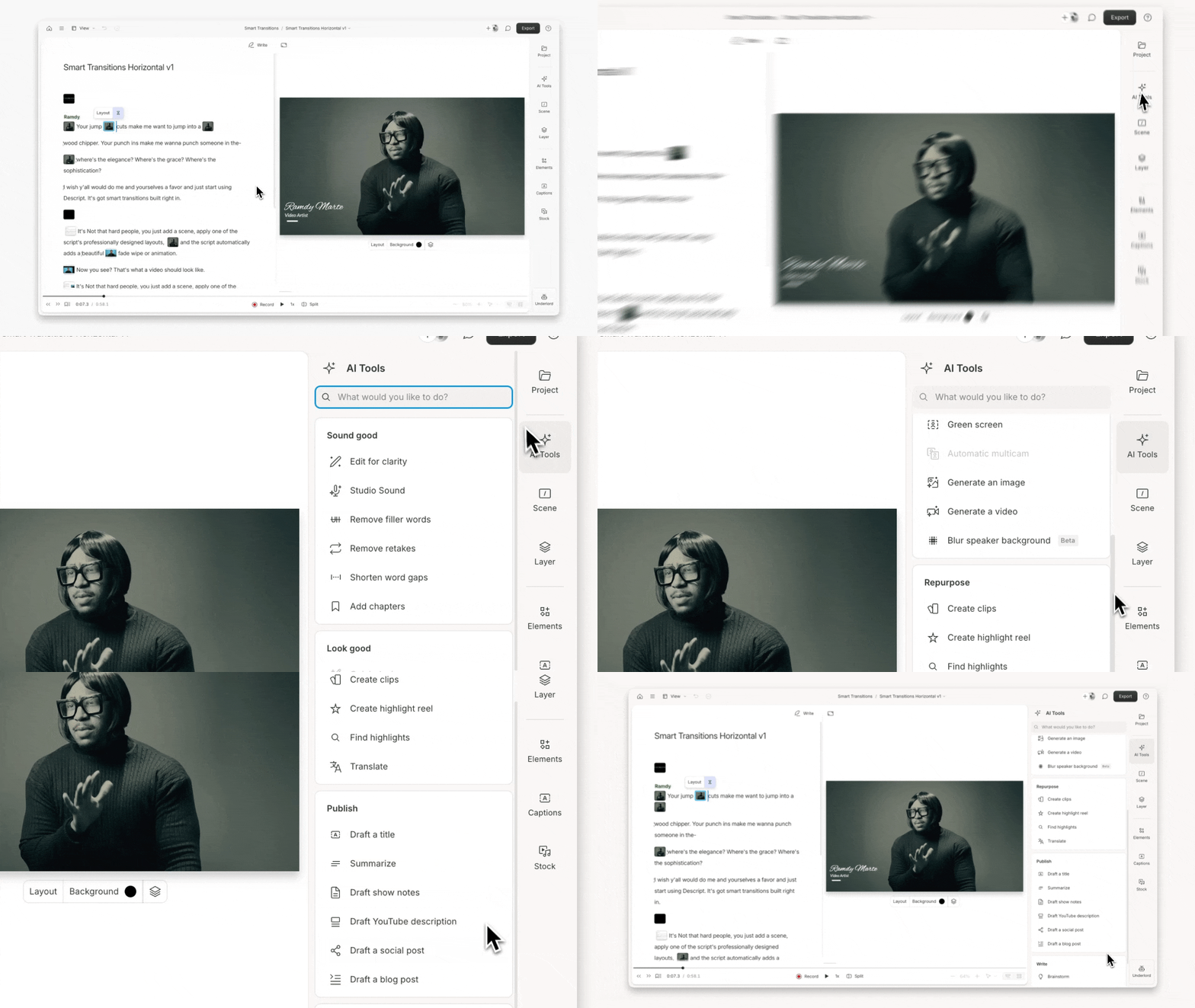
Most people can edit a Google Doc. Delete some words, rearrange sentences, fix typos, add paragraphs. It's intuitive and requires no special training. Now imagine editing video the same way. That's Descript's core innovation, and it transformed video editing from a specialized skill requiring expensive software into something anyone who can edit text can do effectively. Descript started as a transcription tool for podcasters. Record your podcast, upload it to Descript, and get an accurate transcript for show notes. But the founders realized something bigger. If you have a perfect transcript synchronized to audio, you can edit the audio by editing the text. Delete a word from the transcript and that word disappears from the audio. That insight became the foundation for a complete editing platform.
As a parent, the 13 plus content rating change for teen accounts means more to me than editable comments ever will. My kid has been on this platform since they were barely old enough and the algorithm has shown some genuinely alarming stuff. So yes, the policy changes matter.
Good question about the health guardrails. From what Meta has said publicly, it is framed as helping you navigate health questions with more detailed responses, not providing medical advice. But the line between detailed health information and medical guidance is blurry in practice and users will not always distinguish between them.
Meta spending 14.3 billion dollars to bring in Wang and then needing another nine months to ship the first model is either a story about how hard this is or a story about how much was broken. Probably both.
The window between vulnerability discovery and active exploitation has collapsed from months to minutes. That single sentence from the Mythos disclosure should be on the front page of every financial regulator's briefing book.
The bumping heads moment with Piccioli got clipped and spread everywhere and honestly it was so endearing. Two people who clearly like each other being awkward on camera. Very human.