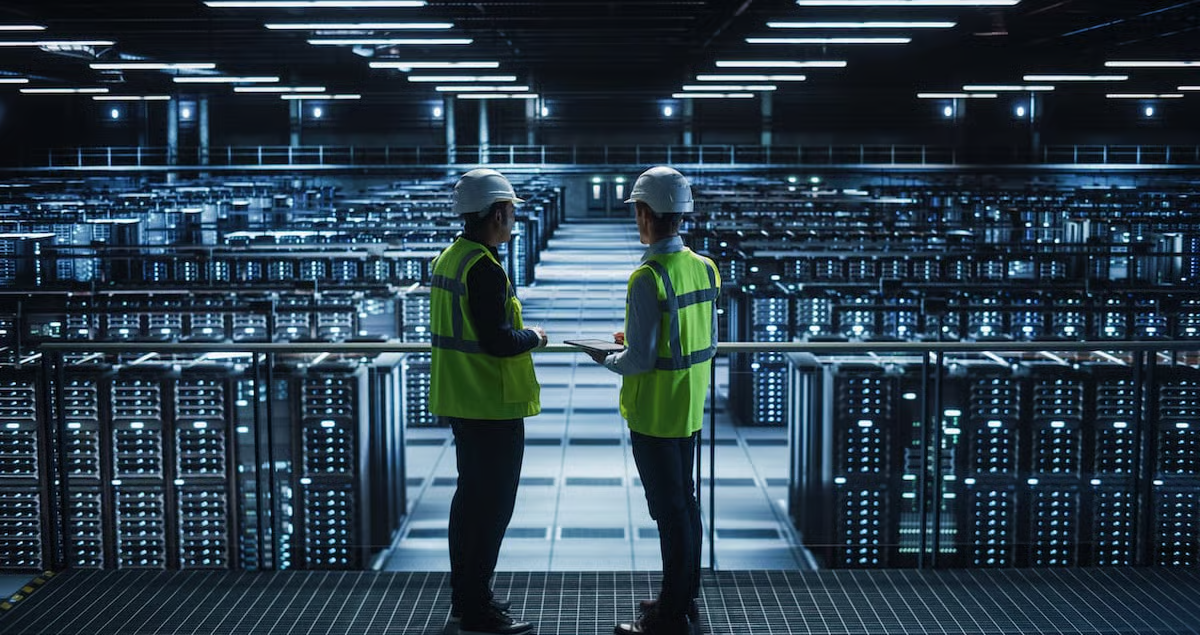

Does anyone know how realistic it is to transition from software development to datacenter ops without an electrical or mechanical engineering background? Genuinely curious what the entry points are.
Sign up to see more
SignupAlready a member?
LoginBy continuing, you agree to Sociomix's Terms of Service, Privacy Policy

Does anyone know how realistic it is to transition from software development to datacenter ops without an electrical or mechanical engineering background? Genuinely curious what the entry points are.
The technology sector is experiencing a paradox. While headlines scream about mass layoffs at major tech companies, a critical shortage is quietly building in one of the most essential areas of digital infrastructure. Datacenters, the physical backbone of our digital world, are facing an unprecedented demand surge, and there simply are not enough skilled professionals to build and maintain them. Countries across the globe are rushing to establish their own datacenter infrastructure. From India's ambitious plans to become a datacenter hub to the European Union's push for data sovereignty, and emerging markets in Southeast Asia and Latin America building their first large scale facilities, the construction boom is just beginning.
Muted color palette mention in the article is underselling it. The way the colors shift subtly depending on the emotional content of a scene is the kind of detail you only notice on a reread.
Is SSS-Class Revival Hunter ever going to get an anime adaptation or are we just going to keep getting mediocre isekai trash instead? Asking for everyone.
Jooheon repairing broken relics that others dismissed is honestly a great metaphor for the whole series. Taking things everyone else overlooked and turning them into weapons through skill and knowledge rather than luck.
The relics having wills tied to their origins means you cannot just mindlessly stack power. You have to actually manage your collection like a roster. That strategic layer makes Jooheon feel like a manager and a fighter at the same time.
The fact that positive developer sentiment toward AI tools actually dropped from over 70% to 60% in recent surveys while usage keeps climbing tells you something interesting. People are adopting these tools even when they have reservations. That is not quite the utopia picture the article paints.
The year 2026 marks a pivotal moment in the evolution of manhwa as a medium. What started as a trickle of Korean comics receiving anime adaptations has become a flood, with at least fifteen confirmed projects bringing beloved manhwa to animated life. This explosive growth wasn't accidental but the inevitable result of Solo Leveling's massive success proving that manhwa adaptations can compete with traditional manga anime in quality, popularity, and profitability. Studios across Japan and Korea are investing heavily in manhwa properties, recognizing that Korean storytelling brings fresh perspectives, innovative premises, and built-in fanbases eager to see their favorite series animated. The diversity of genres receiving adaptations demonstrates that manhwa appeal extends far beyond action and fantasy into romance, psychological thriller, sports, and slice-of-life territories.
Hot take: in 18 months, the question will not be which AI video tool is best but whether the entire category consolidates into two or three platforms with API-level access powering everything else underneath.
Sports anime and manga have delivered countless memorable series over the decades, from Slam Dunk's basketball brilliance to Haikyuu's volleyball excellence. These stories typically follow familiar patterns: talented but inexperienced protagonist joins a team, forms bonds with teammates, faces rivals, grows through competition, and ultimately pursues championship glory. The formula works because it taps into universal themes about effort, teamwork, and self-improvement. The Boxer, created by JH, takes everything you expect from sports stories and systematically deconstructs it. The protagonist doesn't love boxing. He doesn't form deep bonds with teammates. He doesn't overcome challenges through friendship and determination. Instead, the manhwa presents one of the darkest, most psychologically complex examinations of combat sports ever created, wrapped in stunningly minimalist artwork that elevates the narrative to something approaching high art.
The framework flexibility claim is accurate but there is a catch. Because AI models have trained on so much React and Next.js code, they naturally default toward that stack even when you ask for something lighter. Vibe coding tools in general have a React bias baked in.
The debugging experience when things go wrong is where this tool still feels rough. The AI autofix feature catches common errors, but when something breaks in a subtle way, the back-and-forth to diagnose it can consume more tokens than building the feature did.
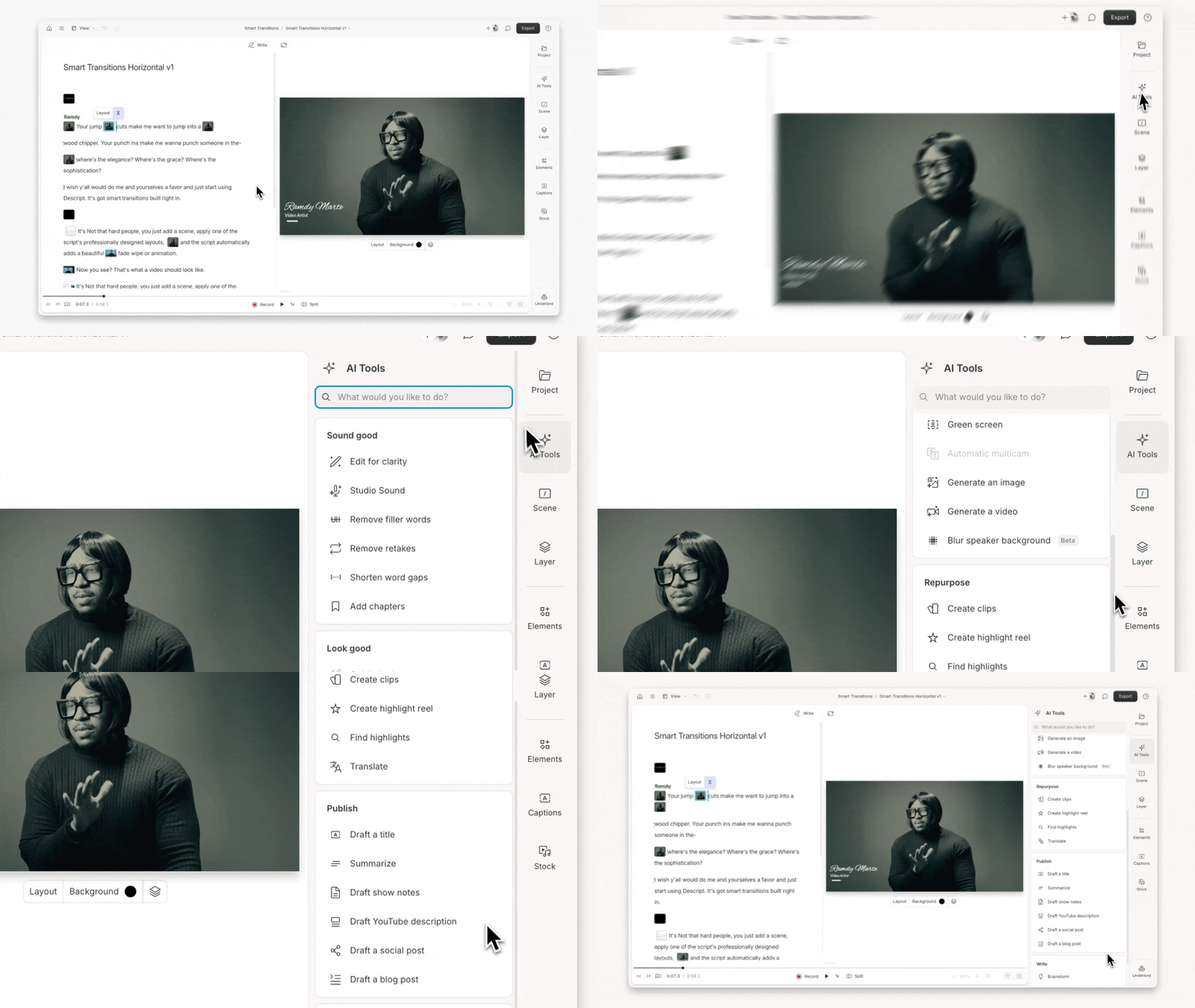
Most people can edit a Google Doc. Delete some words, rearrange sentences, fix typos, add paragraphs. It's intuitive and requires no special training. Now imagine editing video the same way. That's Descript's core innovation, and it transformed video editing from a specialized skill requiring expensive software into something anyone who can edit text can do effectively. Descript started as a transcription tool for podcasters. Record your podcast, upload it to Descript, and get an accurate transcript for show notes. But the founders realized something bigger. If you have a perfect transcript synchronized to audio, you can edit the audio by editing the text. Delete a word from the transcript and that word disappears from the audio. That insight became the foundation for a complete editing platform.
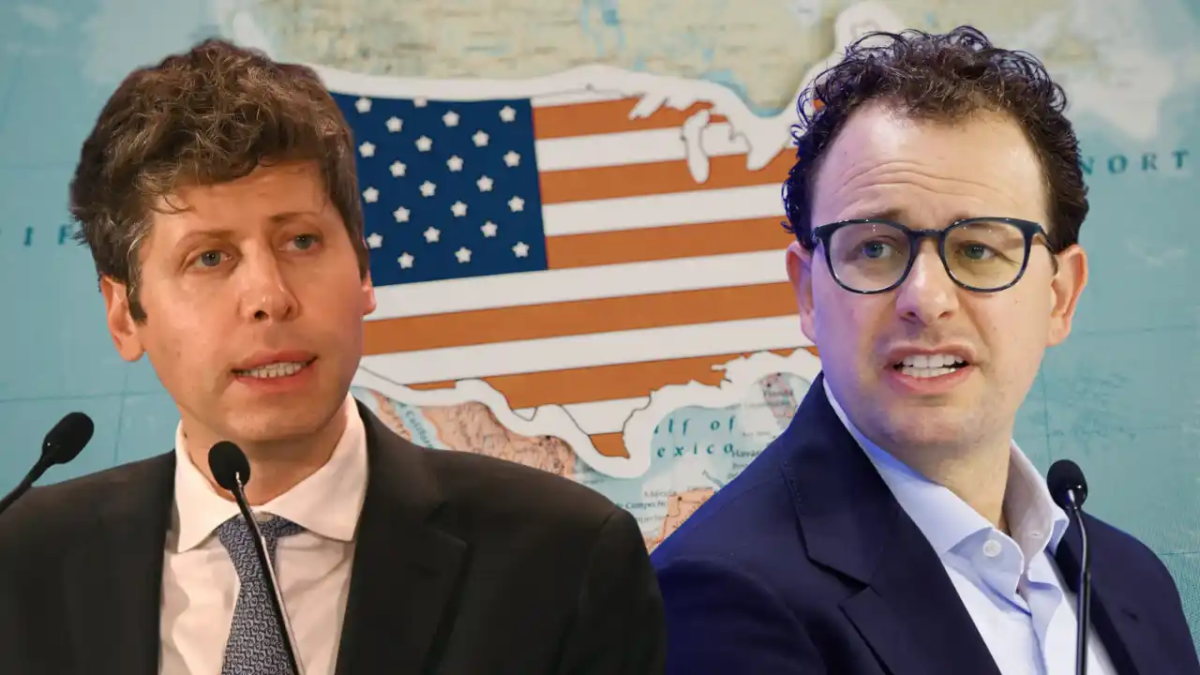
There's a photograph from February 2026 that pretty much sums up the state of AI right now. At the India AI Impact Summit in New Delhi, Indian Prime Minister Narendra Modi invited the world's tech leaders onstage for a group photo. Everyone held hands. Well, almost everyone. Sam Altman of OpenAI and Dario Amodei of Anthropic, standing right next to each other, refused to clasp hands and instead raised their fists separately. The internet, predictably, lost its mind. An awkward moment between OpenAI CEO Sam Altman and Anthropic CEO Dario Amodei at an AI Summit captured the increasingly icy relations between two rival tech leaders who started off as colleagues. That's not just petty drama. It's a window into what may be the most consequential corporate rivalry in the technology world right now, one that's playing out in boardrooms, courtrooms, Super Bowl ads, and billion-dollar compute deals all at once.
The part of this I find most interesting is the geopolitical dimension. With most advanced chip manufacturing concentrated in Taiwan and the ongoing uncertainty around that region, every major AI company has a strategic reason to care about supply chain resilience that goes beyond just cost.
Claude Code went from launch in May 2025 to $1 billion in run-rate revenue by November. No enterprise software product in history has done that. OpenAI needs more than a new tier to respond to that.
The window between vulnerability discovery and active exploitation has collapsed from months to minutes. That single sentence from the Mythos disclosure should be on the front page of every financial regulator's briefing book.
How do you keep black blazers from getting those dreaded shine marks on the elbows?