Does Copycat require you to have read Sweet Home or Bastard first, or is it a standalone entry point for new readers?
20
Sign up to see more
SignupAlready a member?
LoginBy continuing, you agree to Sociomix's Terms of Service, Privacy Policy

Does Copycat require you to have read Sweet Home or Bastard first, or is it a standalone entry point for new readers?
Hot take, mixing K-pop IP with anime storytelling the way Dark Moon does is actually smart business even if purists hate it. ENHYPEN performing all three theme songs is a commercial strategy that makes the project self-funding almost immediately.
The power level visual hierarchy described in the article, faint auras for beginners and almost-solid formations for masters, is so clean. You can gauge how dangerous someone is before a single punch is thrown.
The fact that we went from one or two manhwa adaptations per year to fifteen confirmed for 2026 is genuinely staggering. Solo Leveling really did break a dam open.
Honestly the genre has gotten so popular that there is now a flood of low-effort regression stories where the protagonist just steamrolls everything with zero tension. The titles on this list are the good ones but readers should know the genre also has a lot of garbage.
Is there a good place to start if someone wants to get into the source material before the anime? The manhwa on Webtoon or go straight for the physical novels from Ize Press?
That criticism has merit for the later chapters for sure. But the article is specifically about the art, and the art remains consistently strong even when the story conveniences pile up.
That ambiguity around Lorin is doing a lot of work. If he knows his feelings are not really his own words but chooses to claim them anyway, that is a completely different moral situation than if he genuinely believes the letters represent his heart. The series has room to go dark there.
Accessibility angle deserves way more attention than it gets. Real-time transcription for deaf and hard-of-hearing participants is not a nice-to-have feature, it is a genuine equity tool.
The comparison to having a 1-person team ship what a 4-person team did two years ago is starting to feel conservative honestly.
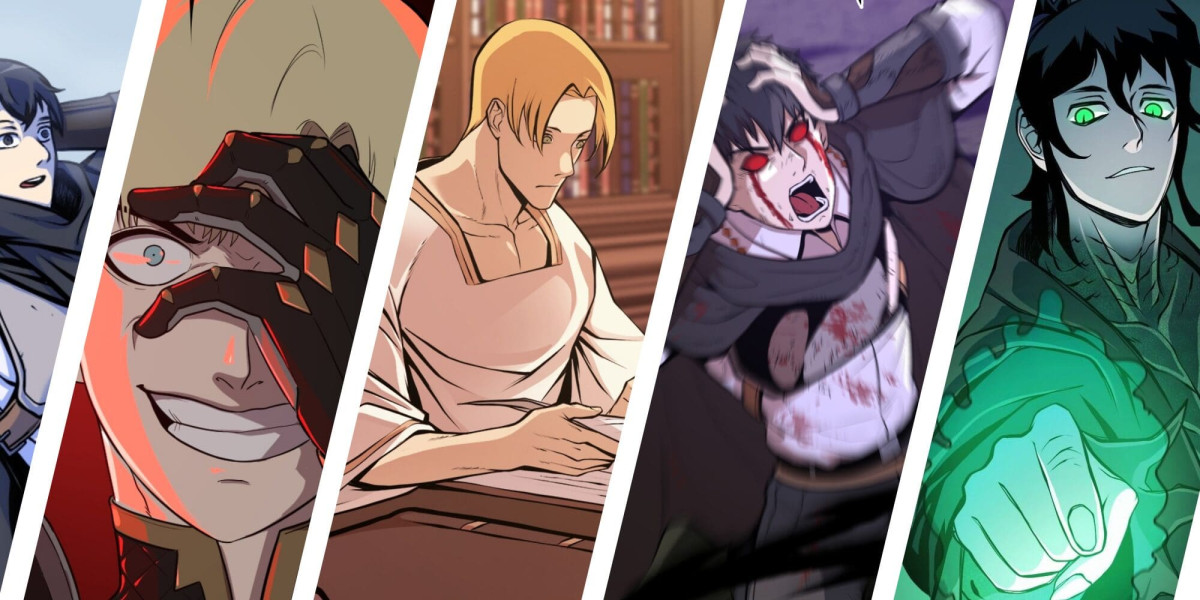
The year 2026 marks a pivotal moment in the evolution of manhwa as a medium. What started as a trickle of Korean comics receiving anime adaptations has become a flood, with at least fifteen confirmed projects bringing beloved manhwa to animated life. This explosive growth wasn't accidental but the inevitable result of Solo Leveling's massive success proving that manhwa adaptations can compete with traditional manga anime in quality, popularity, and profitability. Studios across Japan and Korea are investing heavily in manhwa properties, recognizing that Korean storytelling brings fresh perspectives, innovative premises, and built-in fanbases eager to see their favorite series animated. The diversity of genres receiving adaptations demonstrates that manhwa appeal extends far beyond action and fantasy into romance, psychological thriller, sports, and slice-of-life territories.
Vibe coding culture has made token anxiety worse by encouraging developers to just spin up agents and let them run. You stop watching costs until you get a bill that looks like a car payment.
Bold prediction. Within three years someone is going to use a custom executive avatar to commit fraud and it will become a major regulatory case that reshapes consent law around synthetic media.
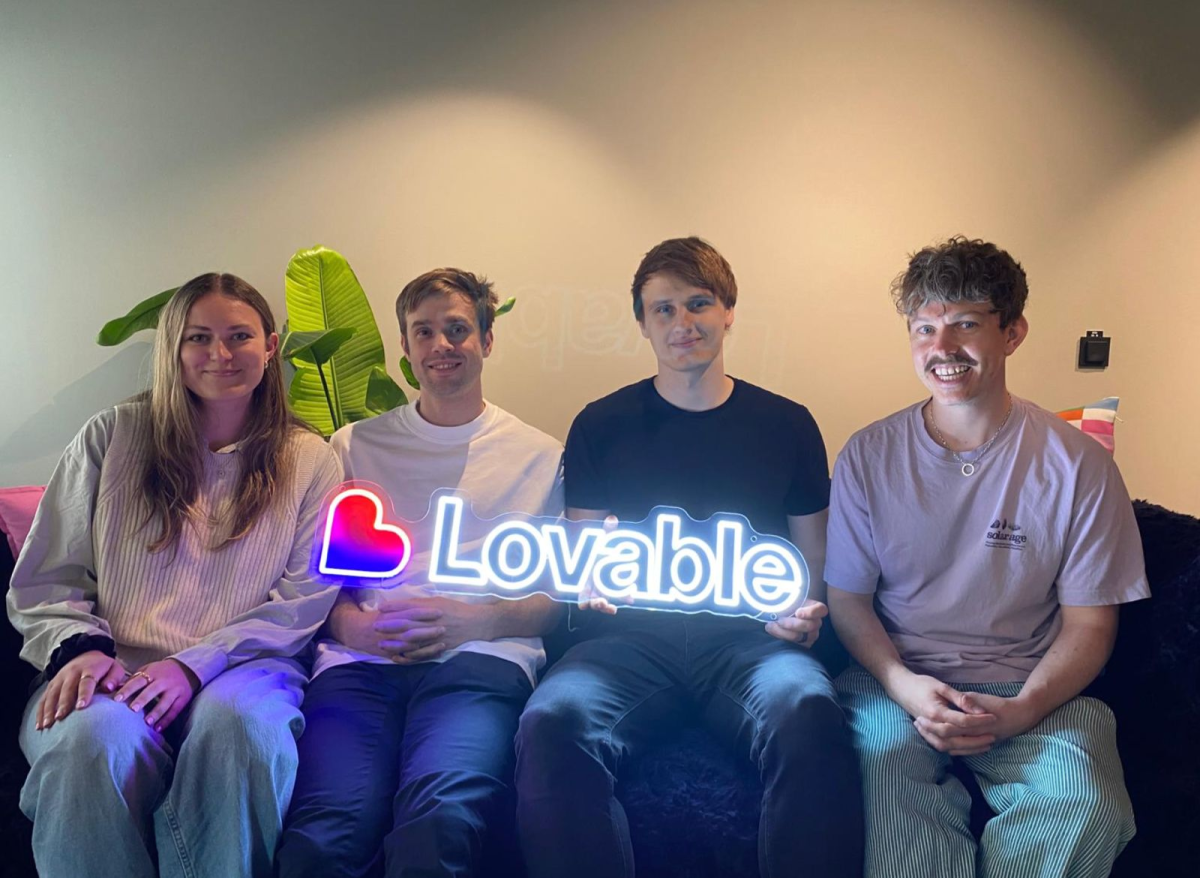
The software development world just witnessed something unprecedented. A European startup called Lovable reached $20 million in annual recurring revenue in just two months, making it potentially the fastest-growing startup in European history. But here's the twist that's making traditional software agencies nervous: they did it by giving non-technical founders the power to build full-stack applications without writing a single line of code. For years, the promise of no-code tools has been the same: anyone can build an app. But the reality has always been different. You'd create a beautiful frontend, get excited about your progress, and then hit the technical cliff. Suddenly you needed to configure databases, set up authentication, manage API keys, and deploy to servers. The "no-code" dream became a "hire-a-developer-anyway" nightmare.
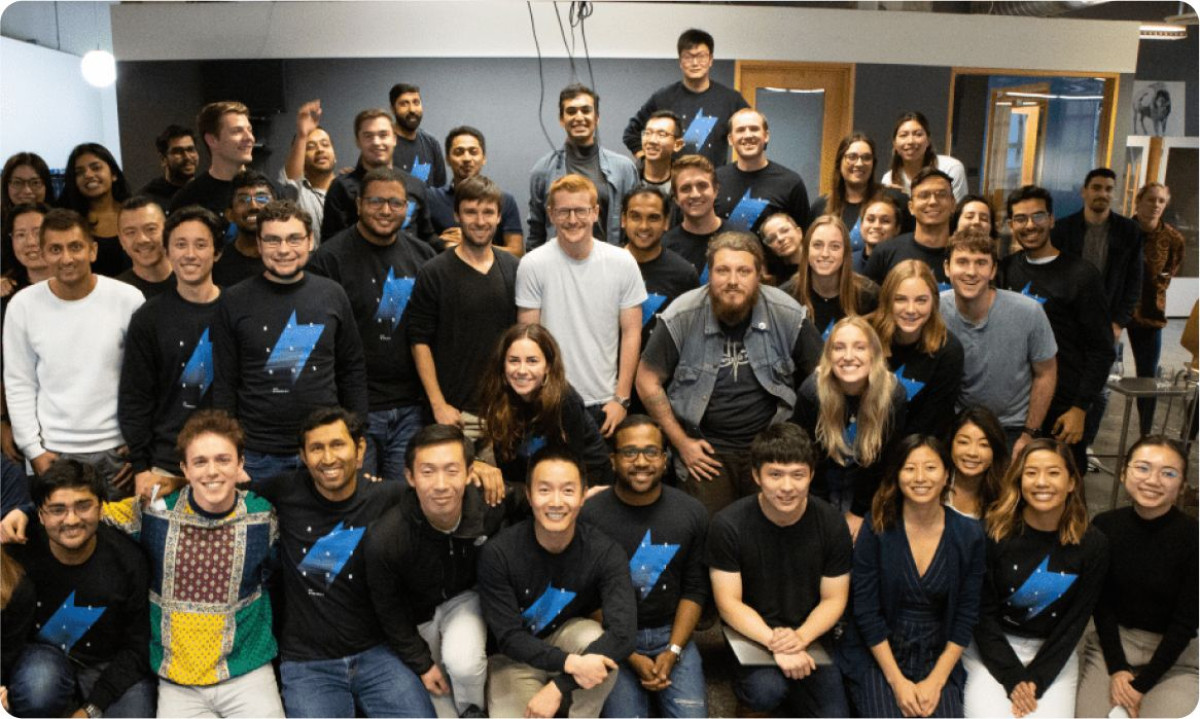
Forty million dollars in annual recurring revenue. Six months. One browser-based platform. Those numbers would be impressive for any software company, but for Bolt.new, they represent something more significant: the moment when development environments moved permanently into the cloud and never looked back. Traditional software development has always required setup. Install Node.js, configure your environment, manage dependencies, set up local servers, troubleshoot version conflicts. Before writing a single line of code, developers spend hours or even days preparing their machines. Junior developers often spend their first week just getting their environment working. Bolt.new eliminated all of that with WebContainers technology.
Hot take: this is less about chips and more about negotiating leverage. The moment you credibly threaten to build your own silicon, your existing suppliers suddenly find more capacity and better pricing.
Meta has just had one of its most important AI moments yet and the early signals are hard to ignore. Following the launch of its newest AI model Muse Spark, the company’s standalone Meta AI app surged dramatically in popularity, hinting at a much larger shift that is beginning to take shape. The release is particularly significant because it marks the first major AI model rollout under Alexandr Wang, who joined Meta to reboot its AI strategy. This is not just another incremental update. It represents a more aggressive and focused push into the AI race. According to data from Appfigures, Meta AI jumped from number 57 to number 5 on the U.S. App Store within a day of the launch. That kind of movement rarely happens without a strong underlying pull from users. It signals not curiosity but intent.
Professional workwear ensemble featuring white button-down shirt, black pencil skirt, black heels, gold watch, and black leather tote

Black and white striped top paired with polka dot pencil skirt, red accessories including crossbody bag, and black studded sandals

Beach vacation outfit featuring white embroidered sundress, orange handbag, strappy sandals, yellow sunglasses, and statement necklace