
As someone who spent eight years in enterprise IT before moving to datacenter ops, the pay jump was real. Around 28 percent more in my first year, and that was before the current crunch got this bad.
Sign up to see more
SignupAlready a member?
LoginBy continuing, you agree to Sociomix's Terms of Service, Privacy Policy

As someone who spent eight years in enterprise IT before moving to datacenter ops, the pay jump was real. Around 28 percent more in my first year, and that was before the current crunch got this bad.
The Uptime Institute keeps saying companies are making the skills crisis worse by demanding over-ambitious qualifications. Asking for ten years of liquid cooling experience when liquid cooling has not even been mainstream for ten years is a real problem.
The regression subgenre has exploded in popularity over the past few years, becoming one of the most beloved narrative frameworks in Korean manhwa. The core premise is deceptively simple: a protagonist dies or fails catastrophically, then returns to an earlier point in time with their memories intact. Armed with future knowledge, they get a second chance to change their fate, save loved ones, gain power, or pursue revenge against those who wronged them. What makes regression stories so compelling is the combination of dramatic irony, strategic satisfaction, and emotional depth they provide. Readers know what the protagonist knows, creating tension when other characters make mistakes we can see coming. We feel smart alongside protagonists who use foreknowledge to outmaneuver enemies. And we experience the emotional weight of carrying memories of futures that haven't happened yet, of people who died who are currently alive, of betrayals that haven't occurred.
The manhwa world exploded when Solo Leveling first introduced us to Sung Jinwoo's journey from the weakest hunter to humanity's strongest defender. Now, Solo Leveling Ragnarok brings a fresh perspective to this beloved universe, and fans everywhere are asking the same questions. Can the sequel live up to the original? Do you need to read Solo Leveling first? What makes this continuation worth your time? This guide covers everything you need to know about Solo Leveling Ragnarok, whether you're a longtime fan or someone curious about jumping into the series Solo Leveling Ragnarok is not a reboot or alternate timeline. This is a direct sequel that continues the story years after the original series concluded. The protagonist shifts from Sung Jinwoo to his son, Sung Suho, who must forge his own path in a world still recovering from the catastrophic events his father prevented.
Manhwa readers are living in genuinely historic times right now. Warner Bros partnering with Webtoon for animated adaptations on top of everything else happening with Korean comics in global media is unprecedented.
Three years ago I would have laughed at paying any monthly fee for a code assistant. Now I genuinely cannot imagine going back to editing without one. The tooling has crossed a real threshold.
To the person asking about Solo Leveling comparisons, I get the frustration but the reality is that comparison is probably what gets new readers in the door. Once they start reading they figure out the differences pretty quickly.
The argument that this becomes standard enterprise infrastructure feels right to me. Video for internal communications used to be a luxury. The cost curve Synthesia created makes it accessible enough to become default.
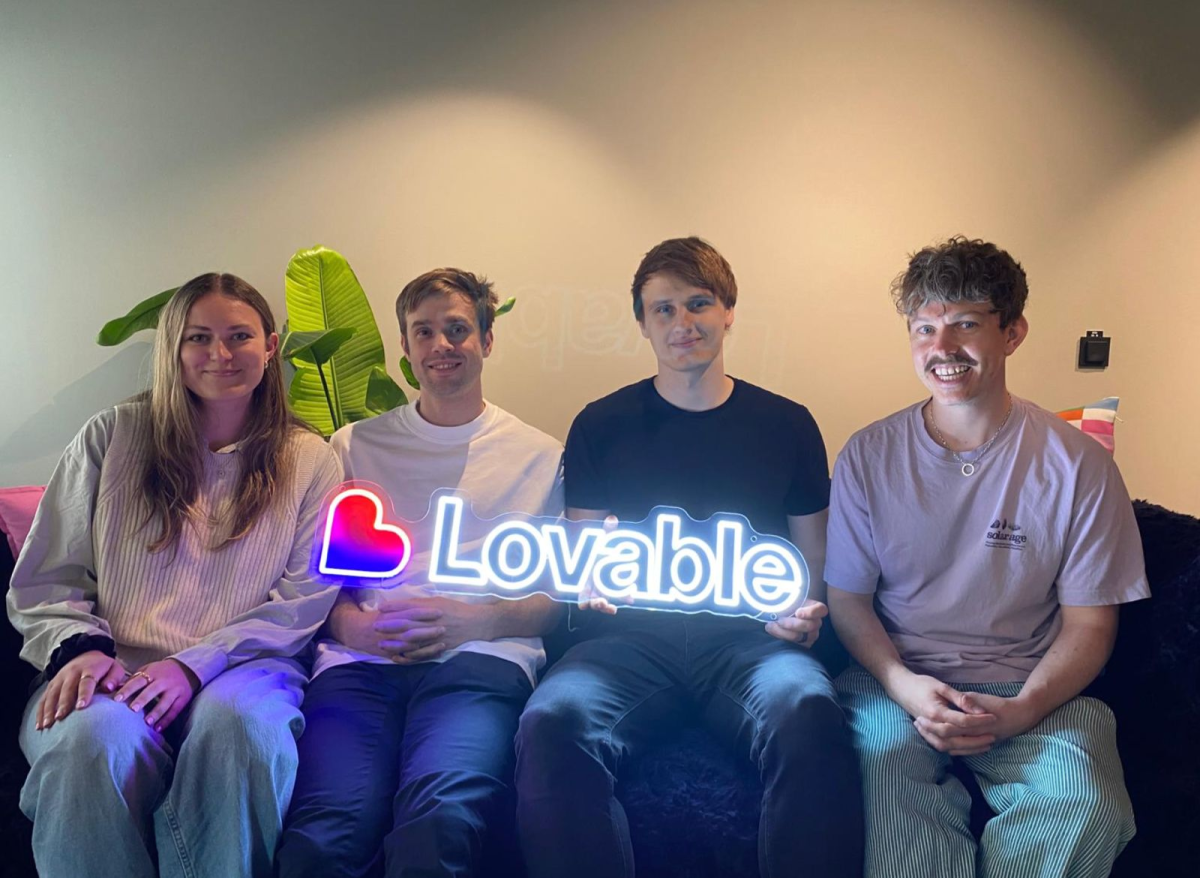
The software development world just witnessed something unprecedented. A European startup called Lovable reached $20 million in annual recurring revenue in just two months, making it potentially the fastest-growing startup in European history. But here's the twist that's making traditional software agencies nervous: they did it by giving non-technical founders the power to build full-stack applications without writing a single line of code. For years, the promise of no-code tools has been the same: anyone can build an app. But the reality has always been different. You'd create a beautiful frontend, get excited about your progress, and then hit the technical cliff. Suddenly you needed to configure databases, set up authentication, manage API keys, and deploy to servers. The "no-code" dream became a "hire-a-developer-anyway" nightmare.
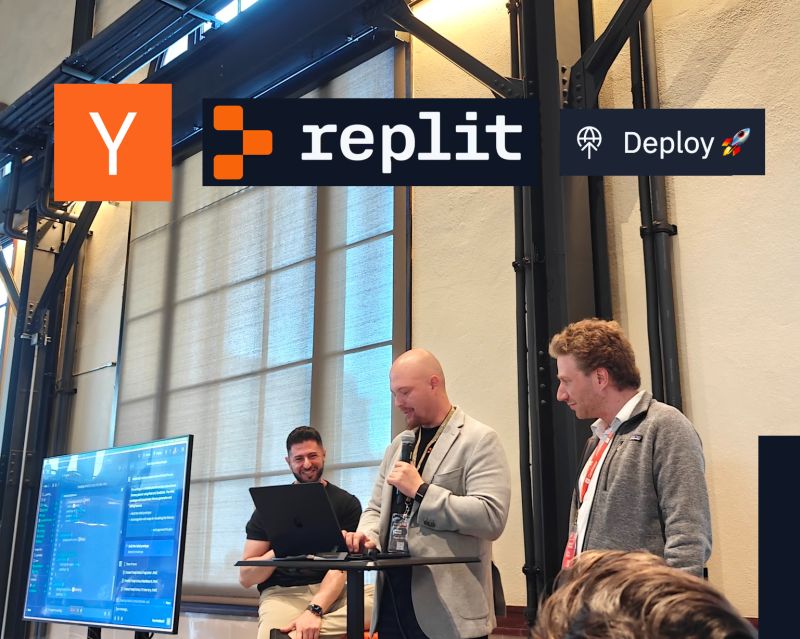
When a company's revenue jumps from $10 million to $100 million in nine months, you pay attention. When that growth comes from an AI agent that builds entire applications autonomously, you realize something fundamental just changed in software development. Replit Agent represents that change, and the numbers prove developers are ready for it. Replit started as a browser-based coding environment for education. Students could write Python or JavaScript without installing anything locally. Teachers loved it because setup time vanished. But the company saw something bigger. If you could run code in the browser, why not let AI write that code? That question led to Agent 3, an AI that doesn't just suggest code completions. It builds entire applications from scratch.
Anthropic on Tuesday unveiled an advanced artificial intelligence model designed specifically to identify software vulnerabilities, marking a significant development in the intersection of AI and cybersecurity. The model, named Claude Mythos Preview, will be available exclusively to a carefully selected group of companies as part of Project Glasswing, a new security initiative that aims to strengthen digital defenses while preventing malicious exploitation. The San Francisco based AI company has chosen to severely restrict access to Claude Mythos Preview due to its powerful capability to detect security weaknesses and software flaws. This decision reflects growing concerns about dual use AI technologies that could be weaponized by adversaries if they fell into the wrong hands.
That is not obviously true anymore. Google started as a search company and now runs one of the most sophisticated chip programs in the world. Amazon was a bookstore. Companies can change what they are good at if they invest seriously enough.
Three million weekly active Codex users versus Claude Code's $2.5 billion run-rate is an interesting comparison because it shows that raw user counts and actual developer spending tell very different stories.
The move from open-source Llama to proprietary Muse Spark is a philosophically significant pivot. Meta spent years building credibility and developer trust by being open. Monetization is a legitimate need but it comes at a real cost to that identity.
the era of security by obscurity is over. If AI can find a 27-year-old bug in days, the assumption that legacy undocumented code is safe because nobody knows it exists has to be abandoned permanently.
Professional outfit featuring light blue ruffled blouse, black pencil skirt, black flats, black handbag, and minimalist accessories
Sophisticated outfit featuring mint crossover crop top, black ruffled pencil skirt, strappy heels, with chic accessories including aviators and patent handbag
Feminine western-inspired outfit featuring denim skirt, embroidered blouse, brown gladiator sandals, and boho accessories
Casual chic outfit with white leggings, black plaid shirt, white splatter sneakers, brown messenger bag, silver watch, and perfume
Weekend casual outfit featuring pink graphic t-shirt, distressed jogger jeans, white sneakers, black crossbody bag, and pink accessories