Youngchan Hwang's artwork in the Jahak display scenes is genuinely haunting. The color shift from muted tones to stark contrast the moment we see the installations is such deliberate visual storytelling.
6
Sign up to see more
SignupAlready a member?
LoginBy continuing, you agree to Sociomix's Terms of Service, Privacy Policy

Youngchan Hwang's artwork in the Jahak display scenes is genuinely haunting. The color shift from muted tones to stark contrast the moment we see the installations is such deliberate visual storytelling.
Honestly the post undersells how funny some of the Suchan moments are. His specific brand of indignant outrage about the plagiarism has dark comedy energy that keeps the series from becoming oppressively grim.
The art style being described as typical BL conventions is doing a lot of heavy lifting in this review. Can someone with access give a more specific read on whether Nickup's style feels distinctive or genuinely generic.
Sports anime and manga have delivered countless memorable series over the decades, from Slam Dunk's basketball brilliance to Haikyuu's volleyball excellence. These stories typically follow familiar patterns: talented but inexperienced protagonist joins a team, forms bonds with teammates, faces rivals, grows through competition, and ultimately pursues championship glory. The formula works because it taps into universal themes about effort, teamwork, and self-improvement. The Boxer, created by JH, takes everything you expect from sports stories and systematically deconstructs it. The protagonist doesn't love boxing. He doesn't form deep bonds with teammates. He doesn't overcome challenges through friendship and determination. Instead, the manhwa presents one of the darkest, most psychologically complex examinations of combat sports ever created, wrapped in stunningly minimalist artwork that elevates the narrative to something approaching high art.

Does anyone actually know who the artist is? The writer gets mentioned constantly but I feel like the artist deserves way more credit for what makes this series special.
The premise alone sold me. A murim world invaded by outer space demons is the kind of chaotic energy I never knew I needed in my life.
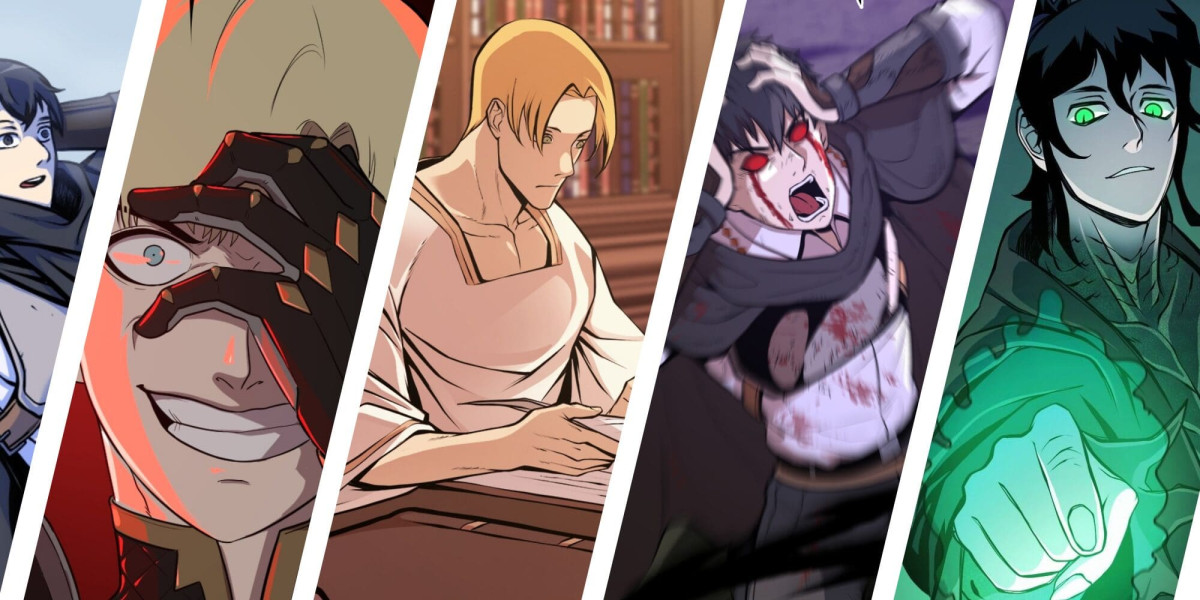
The year 2026 marks a pivotal moment in the evolution of manhwa as a medium. What started as a trickle of Korean comics receiving anime adaptations has become a flood, with at least fifteen confirmed projects bringing beloved manhwa to animated life. This explosive growth wasn't accidental but the inevitable result of Solo Leveling's massive success proving that manhwa adaptations can compete with traditional manga anime in quality, popularity, and profitability. Studios across Japan and Korea are investing heavily in manhwa properties, recognizing that Korean storytelling brings fresh perspectives, innovative premises, and built-in fanbases eager to see their favorite series animated. The diversity of genres receiving adaptations demonstrates that manhwa appeal extends far beyond action and fantasy into romance, psychological thriller, sports, and slice-of-life territories.
The world's largest hackathon mentioned in their blog materials being hosted on this platform is a signal that this is moving into serious developer community territory, not just the no-code crowd.
The uncanny valley comment is fair but it is improving fast. Avatar IV is noticeably better than Avatar III on micro-expressions. The gap between AI video and human video is closing every few months, not every few years.
The manhwa community has been buzzing with anticipation ever since MAPPA Studio announced their adaptation of Omniscient Reader's Viewpoint. With a spring 2026 release date confirmed and 24 episodes planned for the first season, this adaptation represents one of the most ambitious manhwa-to-anime projects ever undertaken. But what makes this series so special that it warranted such a massive production commitment? If you're hearing about Omniscient Reader's Viewpoint for the first time or wondering whether the hype is justified, this guide will prepare you for what promises to be one of the biggest anime releases of the year. We'll cover the story premise, why it's captured millions of readers worldwide, what MAPPA's involvement means, and everything else you need to know before the first episode airs

The flat pricing pitch sounds great until you hit the daily quota cap mid-debugging session and stare at a locked screen until midnight when it resets. Been there.
When a company raises $200 million in Series E funding during January 2026, investors are betting on more than potential. They're backing proven market demand and sustainable growth. Synthesia's funding round came alongside a 44% year-over-year increase in headcount to 706 employees, signaling aggressive expansion in a category the company essentially created: AI avatar-based video generation for enterprise training and communications. Corporate training videos have been expensive and slow to produce for decades. Recording a single 10-minute training module traditionally required booking a studio, hiring a presenter, scheduling a videographer, managing multiple takes, and editing everything together. If you needed to update information or translate content, you essentially started over. Synthesia eliminated this entire production workflow by replacing human presenters with AI avatars.

As someone who trades derivatives for a living, the funding rate setup before this move was textbook. Negative funding plus a catalyst equals exactly this kind of explosive short squeeze.
Meta spending 14.3 billion dollars to bring in Wang and then needing another nine months to ship the first model is either a story about how hard this is or a story about how much was broken. Probably both.
Anthropic on Tuesday unveiled an advanced artificial intelligence model designed specifically to identify software vulnerabilities, marking a significant development in the intersection of AI and cybersecurity. The model, named Claude Mythos Preview, will be available exclusively to a carefully selected group of companies as part of Project Glasswing, a new security initiative that aims to strengthen digital defenses while preventing malicious exploitation. The San Francisco based AI company has chosen to severely restrict access to Claude Mythos Preview due to its powerful capability to detect security weaknesses and software flaws. This decision reflects growing concerns about dual use AI technologies that could be weaponized by adversaries if they fell into the wrong hands.

As someone who works in a regulated financial environment, the local execution model of Claude Code is not optional for us, it is mandatory. Cloud-first tools like Codex's web agent are simply not viable for our compliance setup.
For comfort I always add gel insoles to my heels. Makes such a difference during those marathon meeting days