Is bio-harmony eating safe for someone with a history of disordered eating? The window structure feels like it could become another set of rigid rules to stress about.
22
Sign up to see more
SignupAlready a member?
LoginBy continuing, you agree to Sociomix's Terms of Service, Privacy Policy
Is bio-harmony eating safe for someone with a history of disordered eating? The window structure feels like it could become another set of rigid rules to stress about.
The underdog who can't cultivate inner energy angle is honestly a bit tired at this point. Nearly every murim series has some version of the protagonist being looked down on before their rise.
Is the Regressor Instruction Manual still ongoing or did it finish? Asking because I want to know whether to start now or wait for more chapters to build up.
My partner picked this up thinking it was a lighthearted undead adventure based on the title and was absolutely blindsided by chapter three. Consider this your warning to set expectations properly before recommending it to people.
The infrastructure arc where Lloyd redesigns the entire estate layout for maximum economic efficiency is the chapter where I went from liking this to being fully obsessed.
Tower climbing stories have become a dominant force in manhwa, but most follow predictable patterns. A protagonist enters a mysterious tower, gains powers, forms a party, and ascends floors while growing stronger. The formula works because progression feels satisfying and each floor presents new challenges. However, Doom Breaker takes this familiar framework and transforms it into something far more emotionally devastating and psychologically complex than typical tower stories. Also known as SSS-Class Suicide Hunter, Doom Breaker initially appears to be another power fantasy where the protagonist gains an overpowered ability. The premise sounds almost comedic. Kim Gongja can copy any skill by dying, then returns to life to use that ability. But beneath this seemingly absurd power lies a story about pain, sacrifice, redemption, and what it truly means to be a hero when heroism demands everything from you.
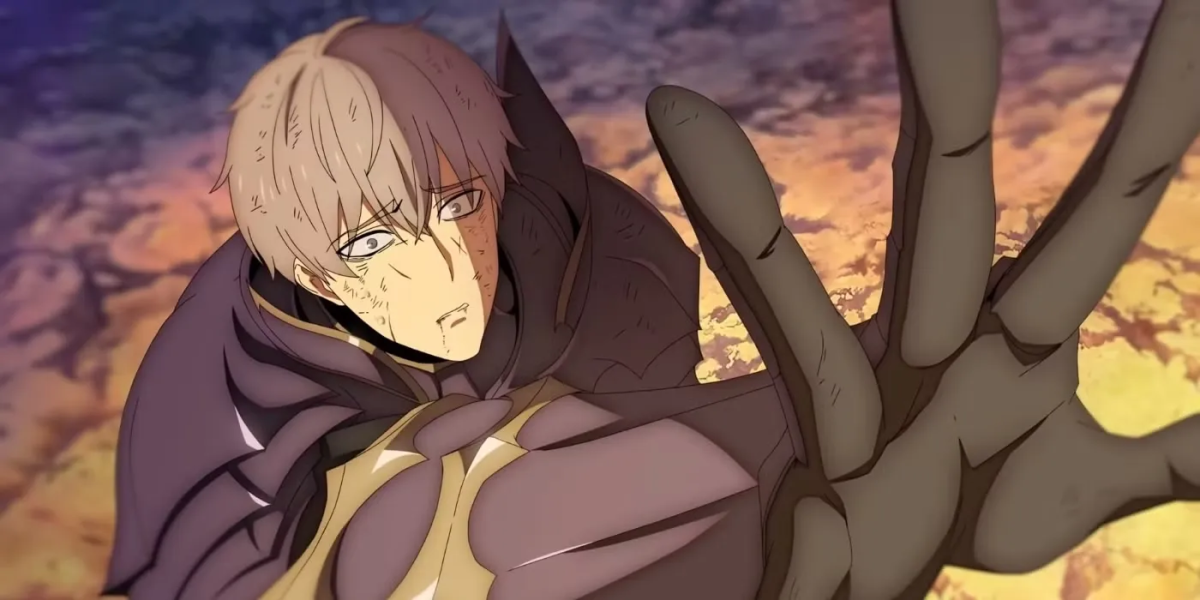
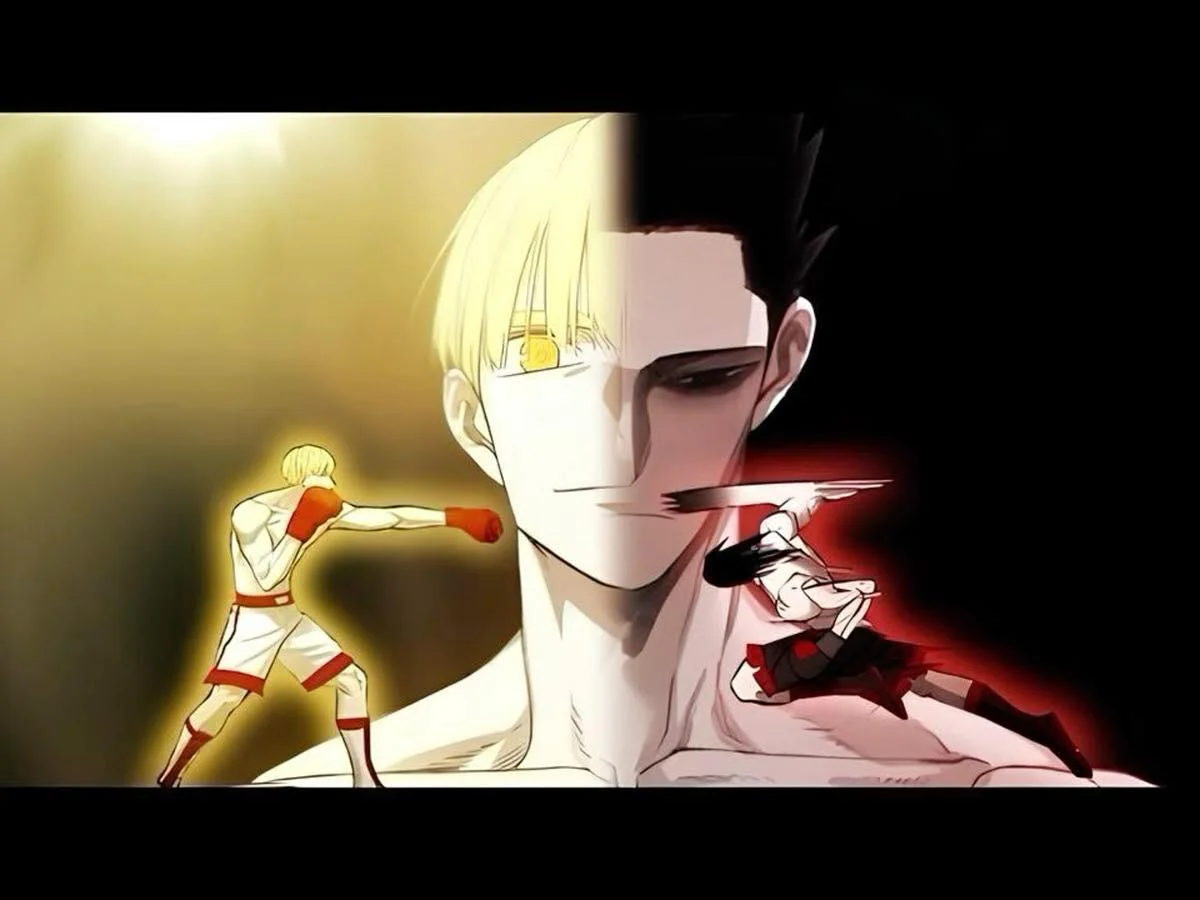
Sports anime and manga have delivered countless memorable series over the decades, from Slam Dunk's basketball brilliance to Haikyuu's volleyball excellence. These stories typically follow familiar patterns: talented but inexperienced protagonist joins a team, forms bonds with teammates, faces rivals, grows through competition, and ultimately pursues championship glory. The formula works because it taps into universal themes about effort, teamwork, and self-improvement. The Boxer, created by JH, takes everything you expect from sports stories and systematically deconstructs it. The protagonist doesn't love boxing. He doesn't form deep bonds with teammates. He doesn't overcome challenges through friendship and determination. Instead, the manhwa presents one of the darkest, most psychologically complex examinations of combat sports ever created, wrapped in stunningly minimalist artwork that elevates the narrative to something approaching high art.
Tried to make a video for a product launch last month and hit the rendering queue at peak hours. For solo creators that is fine. For agencies with client deadlines it is a real operational risk that the article does not mention.
The article nails something real with the professional aesthetic point. Tools built for developers should look like they were built by developers. There is a whole visual language around professional IDEs and ignoring it signals misalignment.
The manhwa community has been buzzing with anticipation ever since MAPPA Studio announced their adaptation of Omniscient Reader's Viewpoint. With a spring 2026 release date confirmed and 24 episodes planned for the first season, this adaptation represents one of the most ambitious manhwa-to-anime projects ever undertaken. But what makes this series so special that it warranted such a massive production commitment? If you're hearing about Omniscient Reader's Viewpoint for the first time or wondering whether the hype is justified, this guide will prepare you for what promises to be one of the biggest anime releases of the year. We'll cover the story premise, why it's captured millions of readers worldwide, what MAPPA's involvement means, and everything else you need to know before the first episode airs

The devil's advocate take here is that a lot of what this article praises as innovative is pretty common in light novel and web novel spaces if you read widely. The novelty is more about bringing it to manhwa format accessibly.
The found family element in Dungeon Reset through Dawoon befriending dungeon creatures is genuinely touching and the article is right that it adds an emotional core most system manhwa don't bother with.
The designer-developer relationship has been tense for decades. Designers create pixel-perfect mockups in Figma. Developers translate them to code and somehow everything looks slightly wrong. Fonts don't match. Spacing is inconsistent. Buttons have different corner radiuses. Both sides get frustrated, blame each other, and the product suffers. V0 by Vercel is fixing this problem by generating production-quality React components that look exactly like the designs. The rebrand from v0.dev to v0.app in January 2026 signaled expanded ambitions beyond just UI component generation. Vercel positioned the tool for full-stack web development, though its core strength remains frontend excellence. That strategic clarity matters because trying to be everything often means excelling at nothing. V0 chose to dominate the handoff between design and code before expanding into other areas.

Speaking from experience in L and D: the governance thing is not just corporate box-ticking. When you have 50 people creating training videos, brand consistency and content approval matter enormously. HeyGen was not really built for that workflow and it shows when teams scale past ten users.
Three million weekly users is a real number but it does not tell you anything about how much those users are actually relying on the tool versus dabbling. Revenue and retention tell the real story.
The article notes this is just feasibility studies right now. No team, no timeline, no commitment. This feels less like a strategic announcement and more like someone at Reuters talking to a few people inside Anthropic who are doing what every large company does, which is think about the future.
What I appreciate about the article is that it does not pretend this was some purely organic moment. It acknowledges the strategic layer while still giving credit to the genuine connection.
The crossbody strap on that bag makes it so practical while still looking polished. I need this in my life!