Does anyone else think Antoine Fuqua was the wrong director for this? His style tends toward big visceral impact and Michael Jackson's story needed someone with more psychological interiority.
21
Sign up to see more
SignupAlready a member?
LoginBy continuing, you agree to Sociomix's Terms of Service, Privacy Policy

Does anyone else think Antoine Fuqua was the wrong director for this? His style tends toward big visceral impact and Michael Jackson's story needed someone with more psychological interiority.
The technology sector is experiencing a paradox. While headlines scream about mass layoffs at major tech companies, a critical shortage is quietly building in one of the most essential areas of digital infrastructure. Datacenters, the physical backbone of our digital world, are facing an unprecedented demand surge, and there simply are not enough skilled professionals to build and maintain them. Countries across the globe are rushing to establish their own datacenter infrastructure. From India's ambitious plans to become a datacenter hub to the European Union's push for data sovereignty, and emerging markets in Southeast Asia and Latin America building their first large scale facilities, the construction boom is just beginning.
This is exactly what the murim genre needed in early 2026. Everything in the space was starting to feel like variations on the same template.
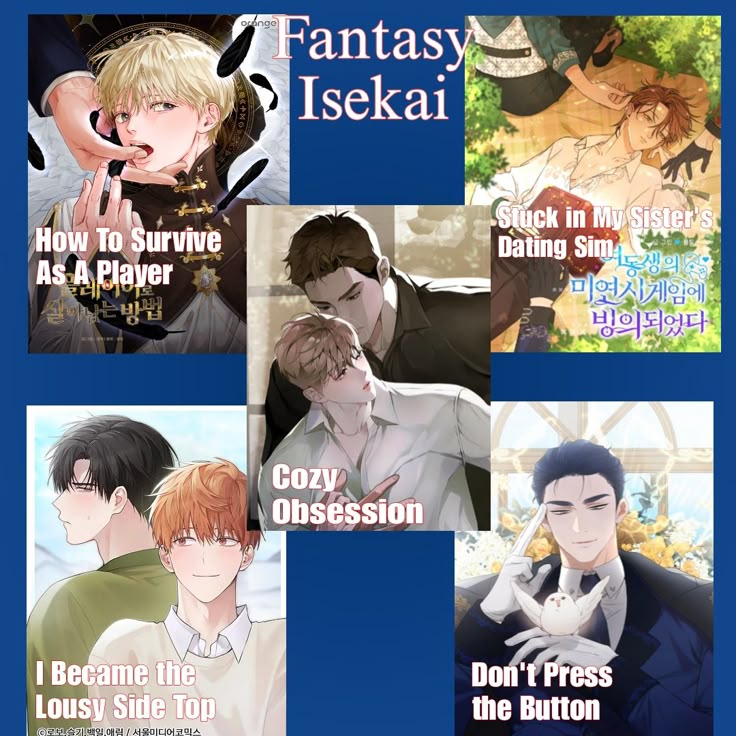
The BL (Boys' Love) genre has exploded in popularity over recent years, and isekai stories have dominated manhwa and manga for nearly a decade. Combining these elements seems like an obvious move, yet surprisingly few series have attempted it seriously. Shall I Write You A Love Letter, created by Nickup and Yutae and released on Lehzin in December 2025, takes the familiar otome isekai formula and transforms it into a compelling BL narrative that subverts expectations at every turn. Otome isekai typically features female protagonists transported into romance game worlds where they must navigate relationships with attractive male love interests. The formula has been refined through countless iterations to the point where readers can predict story beats from the first chapter. What makes Shall I Write You A Love Letter noteworthy is how it takes that established framework and examines it through a completely different lens, creating something that feels both familiar and refreshingly new.
The webtoon having a satisfying ending confirmed is a huge deal for anyone nervous about committing to a long series. Go in knowing it sticks the landing.
Three separate times while reading this series a minor character I had just started caring about died unfairly with things unresolved and I had to put my phone down and take a walk. The series earns its reputation.
The fact that this started as a simple podcast transcription tool and evolved into a platform with Sora 2 generative video integration is honestly one of the better product evolution stories in creator tech.
The point about product managers building demos during client meetings is the most underappreciated use case in this article. That scenario alone is worth the subscription cost for certain industries.
Multi-language support is solid. Transcription works across more than 25 languages and translation plus dubbing features are now built in. The lip sync for translated videos is a newer addition that makes dubbed content look much more natural.
Curious what the experience is like for a designer with zero coding background using v0. Is the prompt interface accessible enough that a non-technical person can actually get usable output without a developer sitting next to them?
Okay but has anyone actually stress tested one of these Lovable apps with real traffic? Asking because I want to know what breaks first.
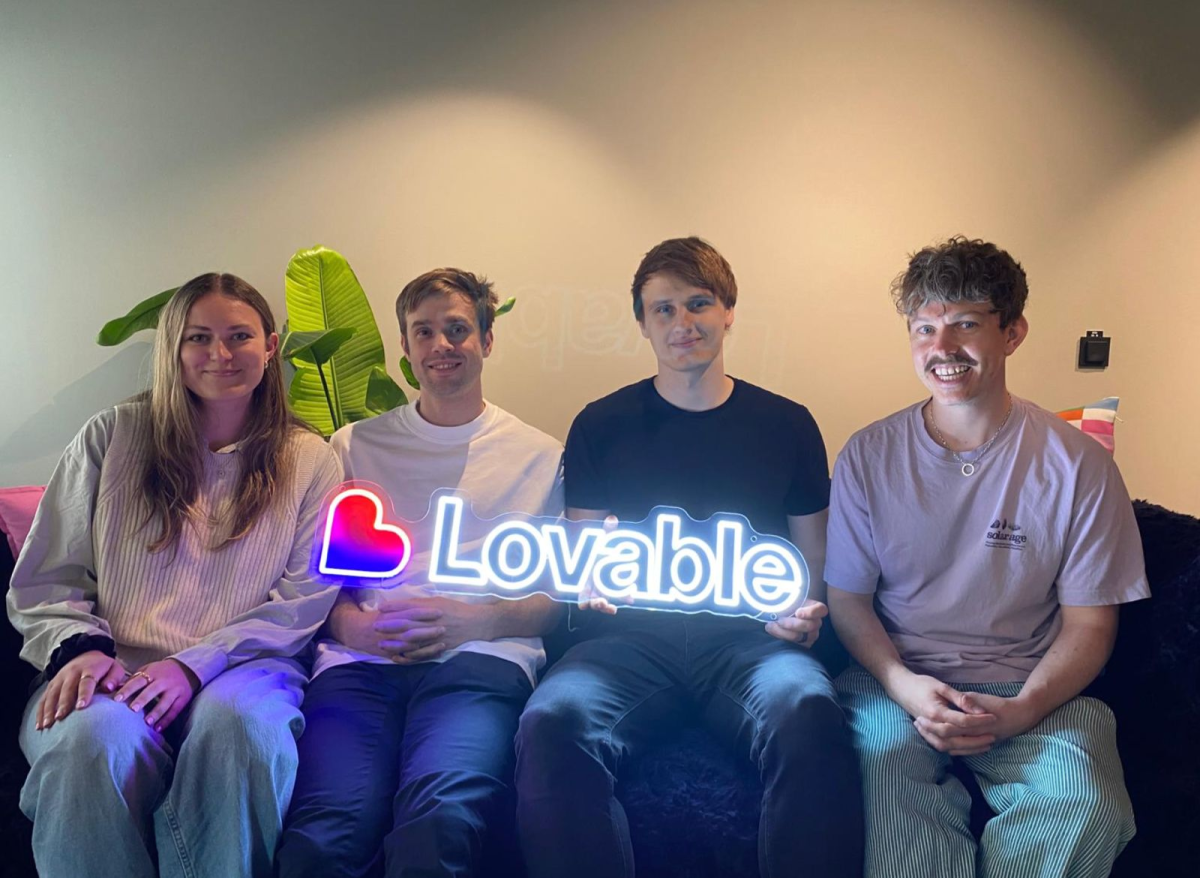
The software development world just witnessed something unprecedented. A European startup called Lovable reached $20 million in annual recurring revenue in just two months, making it potentially the fastest-growing startup in European history. But here's the twist that's making traditional software agencies nervous: they did it by giving non-technical founders the power to build full-stack applications without writing a single line of code. For years, the promise of no-code tools has been the same: anyone can build an app. But the reality has always been different. You'd create a beautiful frontend, get excited about your progress, and then hit the technical cliff. Suddenly you needed to configure databases, set up authentication, manage API keys, and deploy to servers. The "no-code" dream became a "hire-a-developer-anyway" nightmare.
I am more interested in whether this kind of vertical integration is actually good for users. If every major AI company ends up running on proprietary silicon, does that make the technology less interoperable and more siloed?
OpenAI's latest subscription offering represents its most aggressive move yet to reclaim market share in the rapidly expanding AI-powered coding assistant sector
Honestly her showing up to support a designer during his most vulnerable professional moment, his debut at a completely new house, says something about her character that no brand strategy document could manufacture.
You could totally make this work for date night with some strappy heels and statement earrings