Night eating syndrome and circadian eating misalignment feels like a connection this article only brushes. For people with clinical patterns of night eating the timing piece is genuinely therapeutic, not just optimization.
21
Sign up to see more
SignupAlready a member?
LoginBy continuing, you agree to Sociomix's Terms of Service, Privacy Policy

Night eating syndrome and circadian eating misalignment feels like a connection this article only brushes. For people with clinical patterns of night eating the timing piece is genuinely therapeutic, not just optimization.
I keep seeing people online ask whether Jaafar Jackson is a good actor or just a skilled impersonator. The article addresses this honestly and I think the answer is both, depending on which scenes you are watching.
Carnby Kim writing a thriller where the central wound is a stolen artistic concept, right as AI image generators are actively cannibalizing artists' work, is either incredible timing or incredibly deliberate planning. Probably both.
Everything the article says about the demons being a civilization with strategic logic is accurate and it makes the series more unsettling than most action manhwa. A thinking enemy that adapts is infinitely scarier than monsters.
In a medium filled with talented artists producing stunning work, making a claim about any series having the "best" art feels bold. Yet Nano Machine consistently delivers combat sequences so fluid, detailed, and visually innovative that even readers who don't typically care about martial arts stories find themselves captivated by the sheer spectacle on display. The series combines traditional murim aesthetics with futuristic sci-fi elements, creating a unique visual identity that stands apart from typical cultivation manhwa. The nano machine implanted in protagonist Cheon Yeo-Woon's body doesn't just give him power. It becomes a storytelling device that allows the artist to visualize techniques, energy flows, and combat analysis in ways other series can't replicate.

What chapter does it actually start getting good? Asking genuinely because a few people told me to push through the early episodes.
Does anyone else think the King of Hell arc genuinely elevates this beyond a pure comedy? The stakes feel real in a way that sneaks up on you.
Very good point. The earlier arcs especially have comedic timing that genuinely works and readers who hear it is emotionally devastating sometimes go in braced for unrelenting darkness and miss the full tonal range.
The designer-developer relationship has been tense for decades. Designers create pixel-perfect mockups in Figma. Developers translate them to code and somehow everything looks slightly wrong. Fonts don't match. Spacing is inconsistent. Buttons have different corner radiuses. Both sides get frustrated, blame each other, and the product suffers. V0 by Vercel is fixing this problem by generating production-quality React components that look exactly like the designs. The rebrand from v0.dev to v0.app in January 2026 signaled expanded ambitions beyond just UI component generation. Vercel positioned the tool for full-stack web development, though its core strength remains frontend excellence. That strategic clarity matters because trying to be everything often means excelling at nothing. V0 chose to dominate the handoff between design and code before expanding into other areas.

While Synthesia leads in revenue, HeyGen leads in customer acquisition momentum with 152% year-over-year growth in mid-market adoption. That explosive growth rate allowed HeyGen to close much of the customer count gap by late 2025. The company is winning by making avatar video accessible to smaller teams and individual creators who cannot afford enterprise contracts but need professional video capabilities. HeyGen positioned itself for small and medium businesses, marketing teams, content creators, and solo entrepreneurs rather than enterprise learning and development departments. This market segment values affordability, ease of use, and creative flexibility over governance features and advanced integrations. Average contract values are roughly one-third of Synthesia's, reflecting this different customer profile.
What gets lost in the speed conversation is testability. AI-generated code often lacks unit tests, edge case handling, and error states that a thoughtful developer would include. Those gaps bite you later.
Outcome-based meeting culture over attendance-based is a genuinely good idea that should have happened twenty years ago. The AI is just forcing a long overdue conversation.
The comparison between v0 and general-purpose AI coding tools is the key distinction the article gets right. Purpose-built training on frontend design patterns is what produces components that look like a human designer made deliberate choices, not a computer filling in defaults.
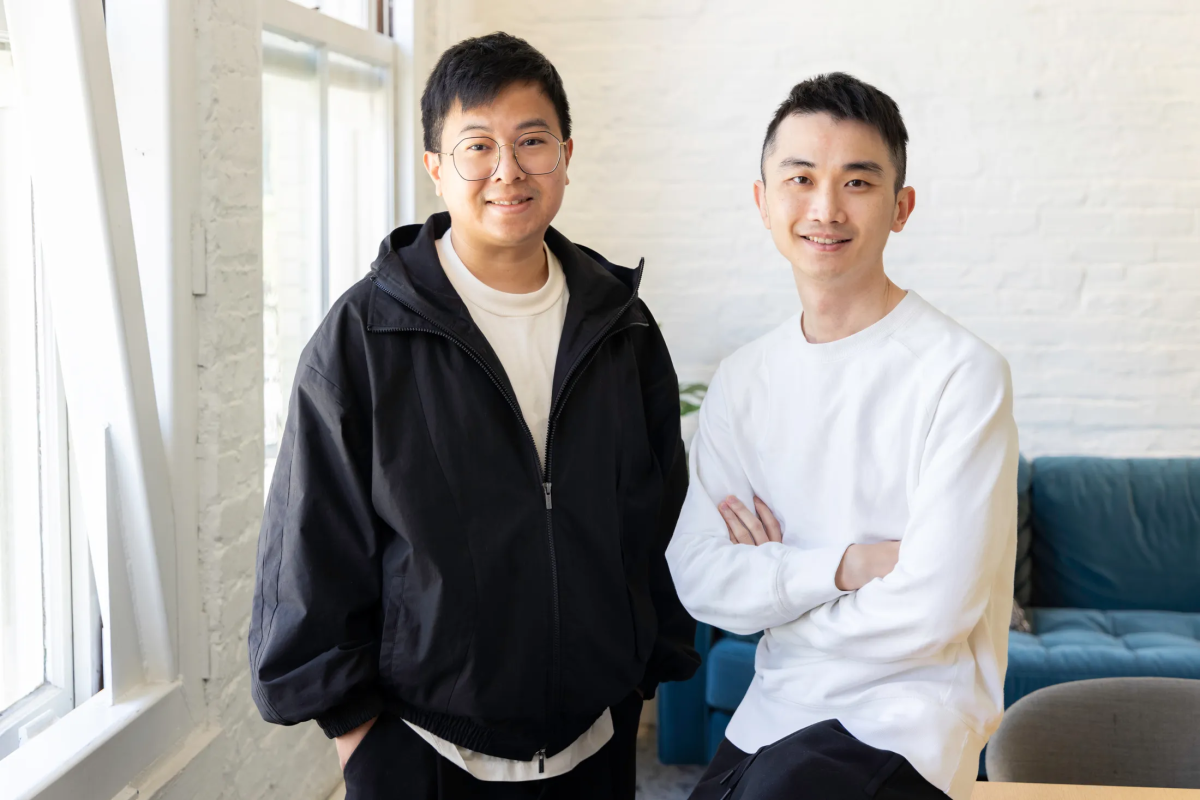
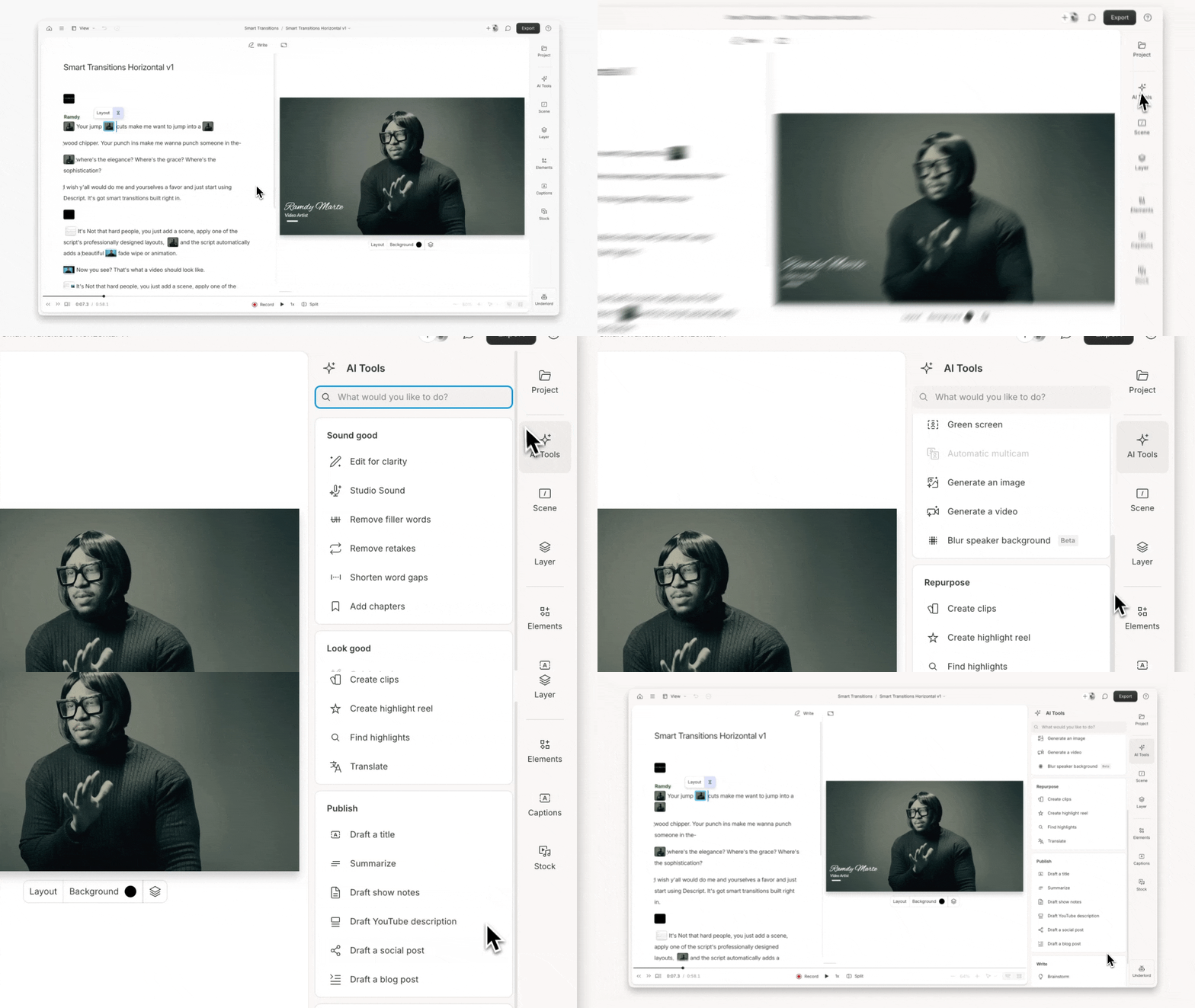
Most people can edit a Google Doc. Delete some words, rearrange sentences, fix typos, add paragraphs. It's intuitive and requires no special training. Now imagine editing video the same way. That's Descript's core innovation, and it transformed video editing from a specialized skill requiring expensive software into something anyone who can edit text can do effectively. Descript started as a transcription tool for podcasters. Record your podcast, upload it to Descript, and get an accurate transcript for show notes. But the founders realized something bigger. If you have a perfect transcript synchronized to audio, you can edit the audio by editing the text. Delete a word from the transcript and that word disappears from the audio. That insight became the foundation for a complete editing platform.
Hot take: OpenAI is still the consumer AI brand but Anthropic is quietly becoming the enterprise developer brand. This pricing move is OpenAI acknowledging that reality.
The piece is right that this is a signal more than a product. Meta is clearly trying to make Instagram feel more like a conversation platform and less like a broadcast one. That shift has real implications for how the algorithm rewards engagement.
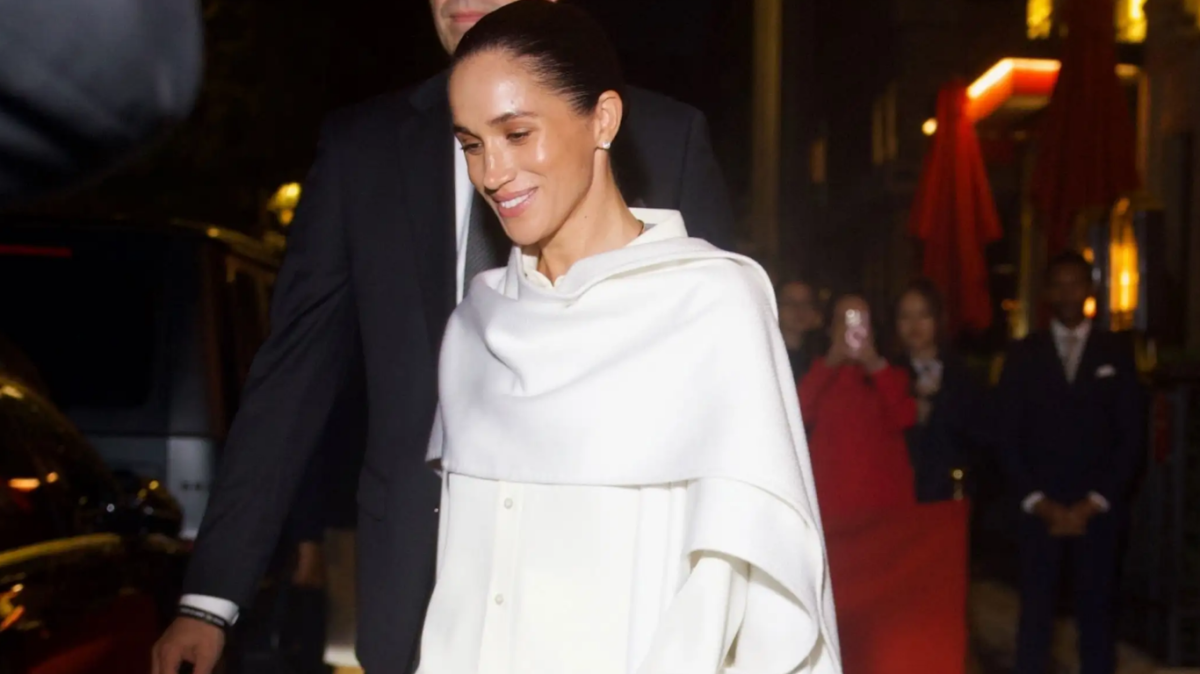
When you hear “Paris Fashion Week,” your mind races to haute couture, bold statements, and the world’s most glamorous attendees. But on October 4, 2025, the scene got a surprise guest—Meghan Markle, making what might be her most talked-about entrance yet. To call it a “debut” feels almost too neat, as if she’s stepping into a world she’s never touched. Yet, Meghan’s gradual evolution as a style influencer has been anything but accidental. Her Paris moment isn’t just celebrity spectacle; it’s a statement, a pivot, and a nuanced step into a new chapter. Here’s my take on why this matters.