
Does this series deal with AI art theft directly or is that more of a thematic subtext? I have seen people online claiming it is a direct commentary but the post seems to treat it as interpretive.
19
Sign up to see more
SignupAlready a member?
LoginBy continuing, you agree to Sociomix's Terms of Service, Privacy Policy

Does this series deal with AI art theft directly or is that more of a thematic subtext? I have seen people online claiming it is a direct commentary but the post seems to treat it as interpretive.
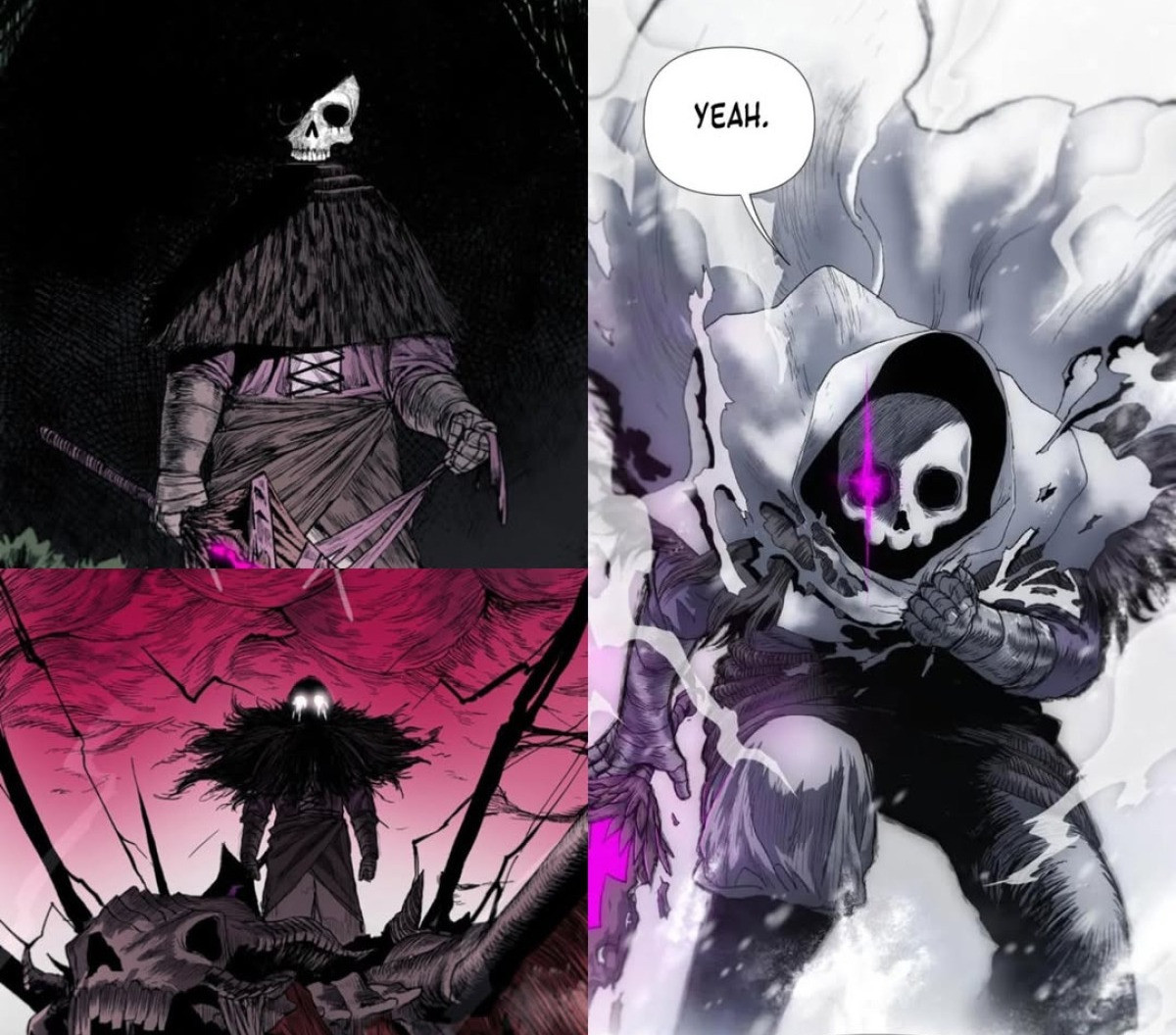
When a manhwa gets compared to Frieren: Beyond Journey's End but with a dark, bleak twist, expectations immediately rise. The Tale of the Skeleton Messenger, released on Webtoon in January 2026 by creators kain_y and SORAGAE, arrives with that exact premise and a tone that sets it apart from the increasingly crowded fantasy manhwa landscape. Most fantasy stories lean toward hopeful narratives where heroes overcome darkness through determination and friendship. Even dark fantasy typically offers glimmers of light and the possibility of triumph. The Tale of the Skeleton Messenger takes a different approach, embracing bleakness and melancholy in ways that feel refreshing rather than oppressive, thoughtful rather than nihilistic.
SSS-Class Revival Hunter should absolutely have been on this list. A protagonist who gains powers by dying repeatedly is one of the most creative mechanics the genre has ever produced.
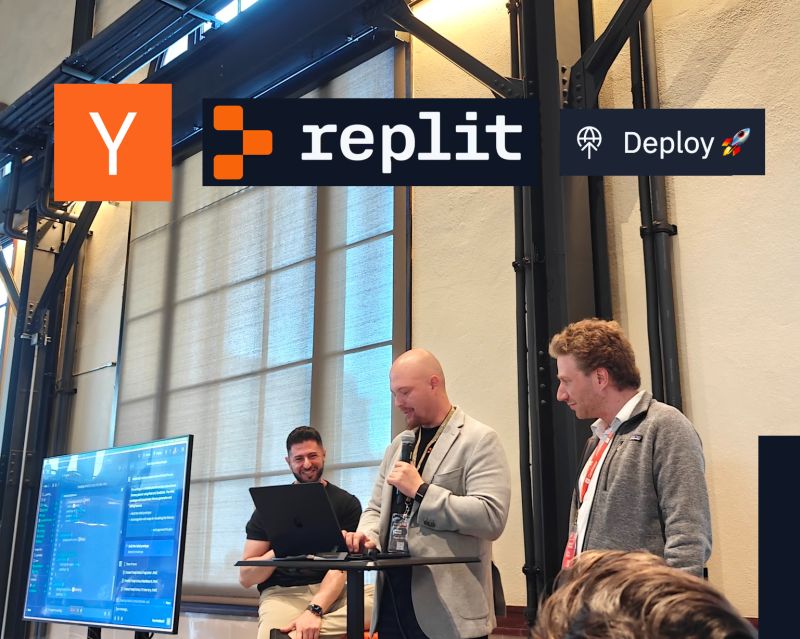
When a company's revenue jumps from $10 million to $100 million in nine months, you pay attention. When that growth comes from an AI agent that builds entire applications autonomously, you realize something fundamental just changed in software development. Replit Agent represents that change, and the numbers prove developers are ready for it. Replit started as a browser-based coding environment for education. Students could write Python or JavaScript without installing anything locally. Teachers loved it because setup time vanished. But the company saw something bigger. If you could run code in the browser, why not let AI write that code? That question led to Agent 3, an AI that doesn't just suggest code completions. It builds entire applications from scratch.
When you think of murim manhwa, your mind probably conjures images of ancient martial arts sects, internal energy cultivation, and warriors battling with swords and bare fists in historical settings. Science fiction elements like outer space invasions, advanced technology, and apocalyptic scenarios belong to completely different stories. Return of the Demonic Instructor takes these seemingly incompatible genres and weaves them into something genuinely innovative. Released on Webtoon in January 2026, this series arrived at the perfect moment when readers were hungry for fresh takes on established formulas. The premise alone sounds wild. A murim world gets invaded by demons from outer space, forcing martial artists to adapt centuries-old techniques to fight extraterrestrial threats. Then throw in regression, magic systems, and apocalyptic survival elements for good measure.

The competitive comparison with Microsoft Copilot is interesting. Copilot is baked into Teams natively, which is a distribution advantage. Otter is better on transcription accuracy but Copilot wins on not needing another tool.
The voice cloning ethics question is one the article completely sidesteps. Overdub is disclosed as a tool to fix your own recordings but the potential for misuse is real and regulators are starting to pay attention to AI voice cloning generally.
In a manhwa landscape dominated by dungeon crawling, regression narratives, and power fantasies, The Greatest Estate Developer stands out by asking a simple question: what if the protagonist's greatest weapon wasn't a sword or magic system, but civil engineering knowledge? This bizarre premise transforms into one of the most entertaining, genuinely funny, and surprisingly heartfelt series currently running, proving that innovation in storytelling comes from unexpected places. The series takes the familiar isekai setup where a modern person finds themselves in a fantasy world and completely subverts expectations. Instead of becoming an adventurer or hero, protagonist Kim Suho uses his engineering knowledge to revolutionize construction, infrastructure, and economic development. What sounds like it should be boring becomes absolutely captivating through sharp writing, excellent comedic timing, and genuine passion for showing how infrastructure improves lives.

Good question, actually. Their AI dubbing supports around 30 languages with proper lip sync, and the full text to speech library covers 140 plus. So the experience quality does vary depending on which tier of language support you are using.
To the question above, I think the moat is embedment in enterprise workflows. Once Claude Code is generating 20% of your company's GitHub commits, you do not rip it out. Switching costs in agentic AI are going to be enormous and Anthropic is winning that stickiness race.
Had Otter join a sensitive one-on-one performance conversation before my team had a policy around it. The employee was visibly uncomfortable. Some discussions genuinely should not be transcribed and organizations need clear rules about when this runs.
The comparison to WeChat as a super app is interesting but incomplete. WeChat's dominance came from geography and regulatory protection in a single market. Meta is trying to pull off a similar integration across dozens of markets with radically different regulatory environments. That is a fundamentally harder problem.
Hot take, the bigger threat is not Mythos itself, it is the open-weight model that arrives six months from now with similar capabilities and zero guardrails. Glasswing is buying time, not solving the problem.
Honestly, the most underrated part of this whole situation is that Bitcoin held $69K as support throughout the consolidation period. The Traders' Lower Realized Price holding was a strong technical signal that the article doesn't dig into enough.
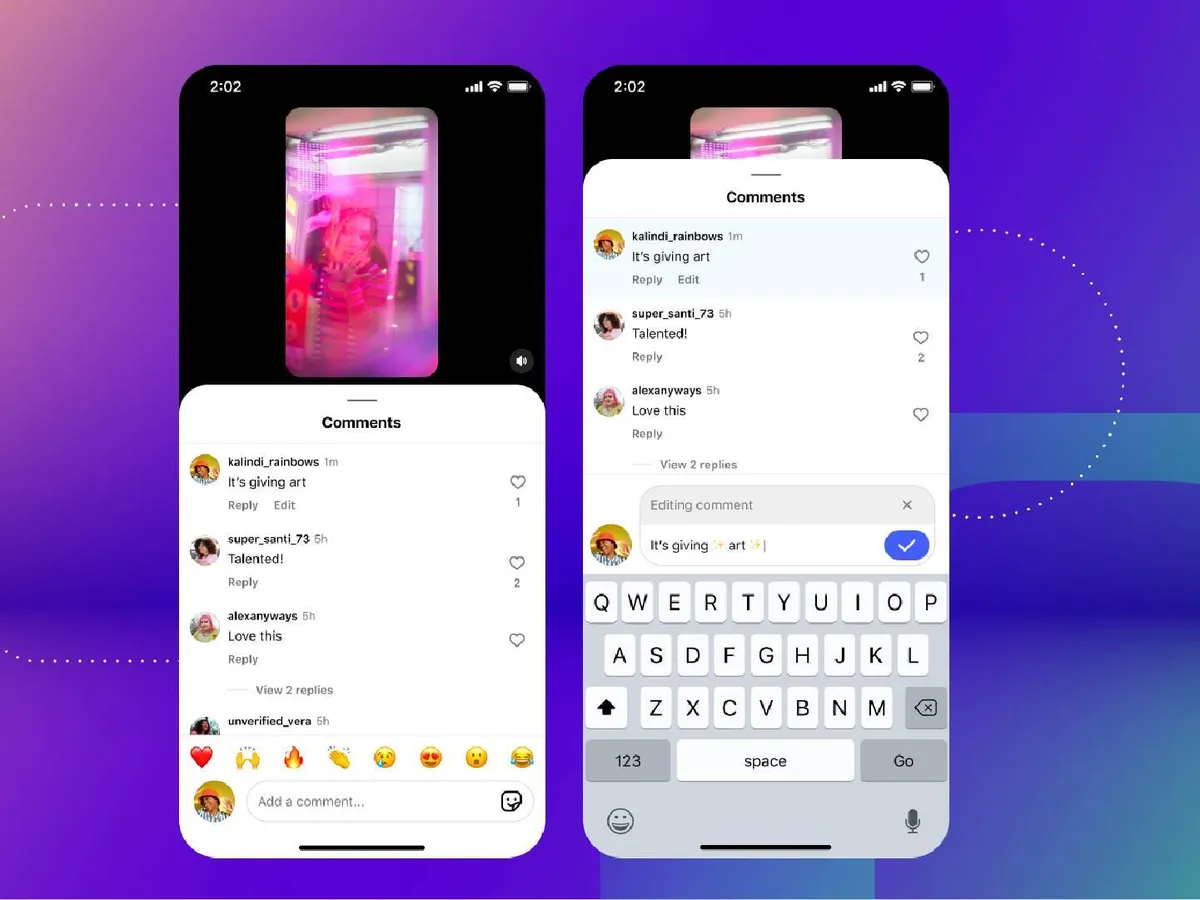
Instagram has rolled out a small but long overdue feature that users have been asking for years. You can now edit your comments after posting them. This simple change solves a very real frustration. Until now, fixing even the smallest typo meant deleting your comment and writing it all over again. That friction is finally gone. But there is a boundary. You get a 15 minute window after posting to make edits. Within that time, you can update your comment as many times as you want. There is also a layer of transparency built in. Once a comment is edited, others will be able to see that it has been modified. However, unlike platforms such as iMessage, Instagram does not show the edit history. What was originally written stays hidden.
The artificial intelligence industry is entering a new phase of competition, one that extends far beyond the development of advanced language models and neural networks. Companies are now engaged in an intense struggle to secure the computational infrastructure necessary to train and deploy their AI systems. In this context, Anthropic has reportedly begun exploring the possibility of designing and manufacturing its own specialized processors to power Claude, its flagship conversational AI platform, along with its broader suite of artificial intelligence technologies. This strategic consideration emerges at a critical moment in the global AI sector. The exponential growth in model complexity and capability has created unprecedented demand for high-performance computing resources. Sources familiar with the matter indicate that Anthropic is conducting feasibility studies to determine whether developing proprietary semiconductor technology could reduce its dependence on external hardware vendors while ensuring reliable access to the computing power required for its operations.