
Bio-harmony eating compared to intuitive eating is a conversation I would love to see more of. They seem like they could either complement each other well or directly conflict depending on what your intuition is currently telling you.
9
Sign up to see more
SignupAlready a member?
LoginBy continuing, you agree to Sociomix's Terms of Service, Privacy Policy

Bio-harmony eating compared to intuitive eating is a conversation I would love to see more of. They seem like they could either complement each other well or directly conflict depending on what your intuition is currently telling you.
If the concert sequences are your main reason for going, opening weekend in a good theater is probably worth it. If you are mainly interested in the biographical story, the streaming version will serve you just as well and the reviews suggest the narrative is thin enough that you will not feel like you missed a cinematic event by waiting.
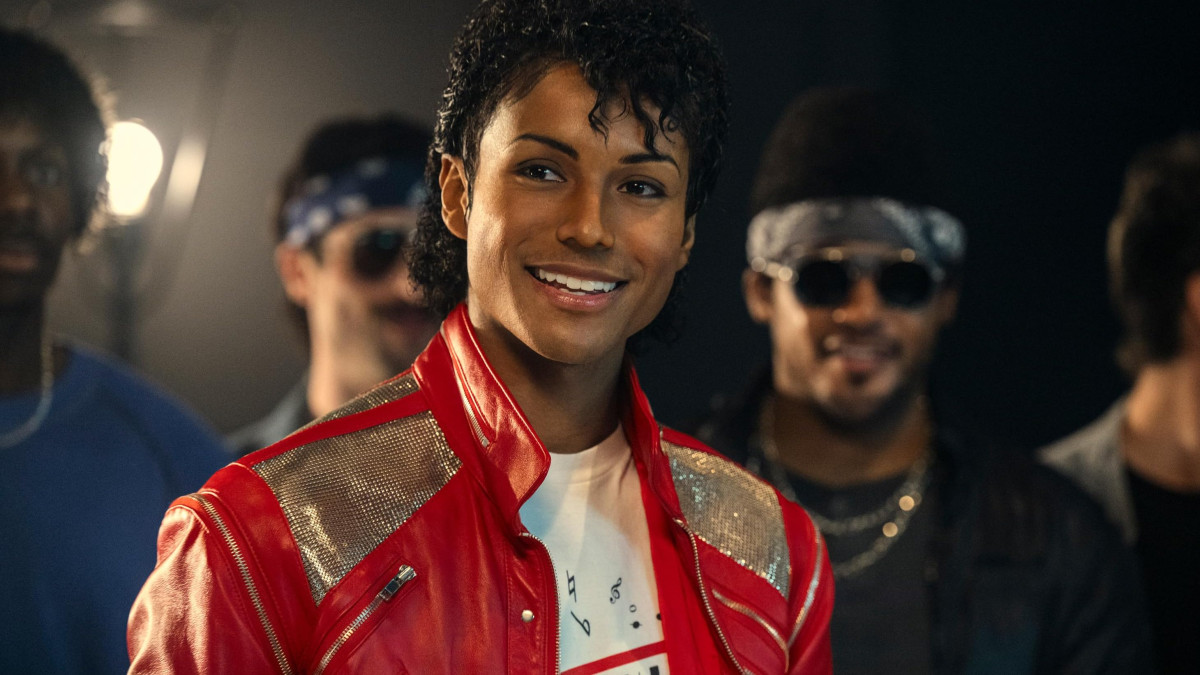
The Michael movie review verdict is in, and it is more complicated than the 26% Rotten Tomatoes score suggests. Antoine Fuqua's long-delayed Michael Jackson biopic, simply titled Michael, hit theaters this weekend with Jaafar Jackson playing his late uncle, and the critical response has been brutal. The BBC gave it one star. Roger Ebert's site called it a filmed playlist in search of a story. Yet early audience reactions on social media have been warmer, ticket pre-sales suggest an $80 million opening, and Variety thought it worked as an engrossing middle-of-the-road biopic. After tracking coverage across more than a dozen outlets over the past 48 hours, I think the honest answer to "should you watch this?" depends almost entirely on what you want from a music biopic, and this guide breaks down exactly what the film delivers, what it skips, and who will actually enjoy sitting through its two-hour-and-nine-minute runtime.
The article is a little too cheerful about how easy the transition is. The physical and operational realities are genuinely demanding. But the opportunity is absolutely real if you go in with clear eyes.
The technology sector is experiencing a paradox. While headlines scream about mass layoffs at major tech companies, a critical shortage is quietly building in one of the most essential areas of digital infrastructure. Datacenters, the physical backbone of our digital world, are facing an unprecedented demand surge, and there simply are not enough skilled professionals to build and maintain them. Countries across the globe are rushing to establish their own datacenter infrastructure. From India's ambitious plans to become a datacenter hub to the European Union's push for data sovereignty, and emerging markets in Southeast Asia and Latin America building their first large scale facilities, the construction boom is just beginning.

The nuclear and aerospace crossover is interesting. Datacenters are actively recruiting from those industries because the operational discipline and power systems expertise transfer directly. That is not a connection most people make.
In a manhwa landscape dominated by dungeon crawling, regression narratives, and power fantasies, The Greatest Estate Developer stands out by asking a simple question: what if the protagonist's greatest weapon wasn't a sword or magic system, but civil engineering knowledge? This bizarre premise transforms into one of the most entertaining, genuinely funny, and surprisingly heartfelt series currently running, proving that innovation in storytelling comes from unexpected places. The series takes the familiar isekai setup where a modern person finds themselves in a fantasy world and completely subverts expectations. Instead of becoming an adventurer or hero, protagonist Kim Suho uses his engineering knowledge to revolutionize construction, infrastructure, and economic development. What sounds like it should be boring becomes absolutely captivating through sharp writing, excellent comedic timing, and genuine passion for showing how infrastructure improves lives.

Cheon Yeo-Woon's face during the moment he commits to a finishing technique is always perfectly drawn. That one expression communicates certainty and cost simultaneously and they nail it every single time.
Sports anime and manga have delivered countless memorable series over the decades, from Slam Dunk's basketball brilliance to Haikyuu's volleyball excellence. These stories typically follow familiar patterns: talented but inexperienced protagonist joins a team, forms bonds with teammates, faces rivals, grows through competition, and ultimately pursues championship glory. The formula works because it taps into universal themes about effort, teamwork, and self-improvement. The Boxer, created by JH, takes everything you expect from sports stories and systematically deconstructs it. The protagonist doesn't love boxing. He doesn't form deep bonds with teammates. He doesn't overcome challenges through friendship and determination. Instead, the manhwa presents one of the darkest, most psychologically complex examinations of combat sports ever created, wrapped in stunningly minimalist artwork that elevates the narrative to something approaching high art.

Hot take: any developer who dismisses v0 because they think AI-generated code is beneath them is going to spend the next five years watching their colleagues ship twice as fast.
The article says Luma AI and Pika have gained only moderate traction. Has anyone checked on Luma Ray 3 recently? The reasoning video model approach is genuinely different architecture and worth watching.
The designer-developer relationship has been tense for decades. Designers create pixel-perfect mockups in Figma. Developers translate them to code and somehow everything looks slightly wrong. Fonts don't match. Spacing is inconsistent. Buttons have different corner radiuses. Both sides get frustrated, blame each other, and the product suffers. V0 by Vercel is fixing this problem by generating production-quality React components that look exactly like the designs. The rebrand from v0.dev to v0.app in January 2026 signaled expanded ambitions beyond just UI component generation. Vercel positioned the tool for full-stack web development, though its core strength remains frontend excellence. That strategic clarity matters because trying to be everything often means excelling at nothing. V0 chose to dominate the handoff between design and code before expanding into other areas.

Cautiously optimistic here. The edit feature is genuinely good. The 15 minute window prevents abuse. The teen safety controls are moving in the right direction even if the motivation is partly legal. Progress is progress even when it is slow.
CUDA is a moat but even Jensen Huang has publicly said he worries about competition. When the CEO of the dominant company in a market says he is worried, you should probably listen.
Codex producing more production-ready code versus Codex being faster and cheaper on straightforward tasks is a genuinely useful distinction that most of these comparison articles miss completely.
Oil dropping 16% because the Strait of Hormuz reopened is actually disinflationary. That might give the Fed more room to maneuver. The connection between the ceasefire and crypto is more layered than people realize.
Does anyone know if Anthropic has actually started hiring chip architects yet? Because there is a massive gap between exploring feasibility and actually assembling a competitive semiconductor team.