
The film getting a projected $150 million worldwide opening weekend kind of proves the article's point that the audience for this is enormous regardless of what critics think. Fan enthusiasm for Michael Jackson does not expire.
20
Sign up to see more
SignupAlready a member?
LoginBy continuing, you agree to Sociomix's Terms of Service, Privacy Policy

The film getting a projected $150 million worldwide opening weekend kind of proves the article's point that the audience for this is enormous regardless of what critics think. Fan enthusiasm for Michael Jackson does not expire.
Fair pushback above, but the counterpoint is that even with aggressive automation, demand is growing so fast that total headcount is still projected to increase. A shrinking ratio applied to a doubling base still means more jobs.
Wait, is Omniscient Reader even on this list? Because that is the adaptation I thought was supposed to arrive this year and the article does not seem to mention it directly.
The bullseye impact effect for punches is one of those visual inventions so simple and effective that you wonder why no one did it before. Every adaptation needs to preserve that or something equivalent.
Honestly worried the anime will sanitize Yu's emptiness and give him a more conventional emotional arc just to make him relatable to a broader audience. That would completely ruin the point.
The article says transcription accuracy exceeds 95% with clear audio. That qualifier, with clear audio, is doing a lot of heavy lifting. Home offices, open floor plans, overlapping speakers, accents. Real conditions are messier than the demo.
For teams already standardized on GitHub, Copilot at $10 is probably still the rational default. The ecosystem integration is seamless and the price advantage is real even with Windsurf's current positioning.
One thing the article misses entirely, what happens to your workflow when Windsurf is down or having model issues. Dependence on a single AI tool creates a fragile development environment.
Starting this because my friend would not stop talking about it. Three chapters in and Lloyd's reaction to calculating profit margins from a drainage project genuinely made me laugh out loud.
Still not convinced the 70 percent time savings claim holds up for complex multi-guest interview content where you are making a lot of editorial decisions about structure. Simple cleanup, yes. Complex restructuring, that number feels inflated.
Speaking from experience in advertising production, the team workspace features are the most underappreciated part of this. Leaving frame-level feedback without sending files back and forth is the kind of workflow improvement that actually saves hours per project.
The designer-developer relationship has been tense for decades. Designers create pixel-perfect mockups in Figma. Developers translate them to code and somehow everything looks slightly wrong. Fonts don't match. Spacing is inconsistent. Buttons have different corner radiuses. Both sides get frustrated, blame each other, and the product suffers. V0 by Vercel is fixing this problem by generating production-quality React components that look exactly like the designs. The rebrand from v0.dev to v0.app in January 2026 signaled expanded ambitions beyond just UI component generation. Vercel positioned the tool for full-stack web development, though its core strength remains frontend excellence. That strategic clarity matters because trying to be everything often means excelling at nothing. V0 chose to dominate the handoff between design and code before expanding into other areas.
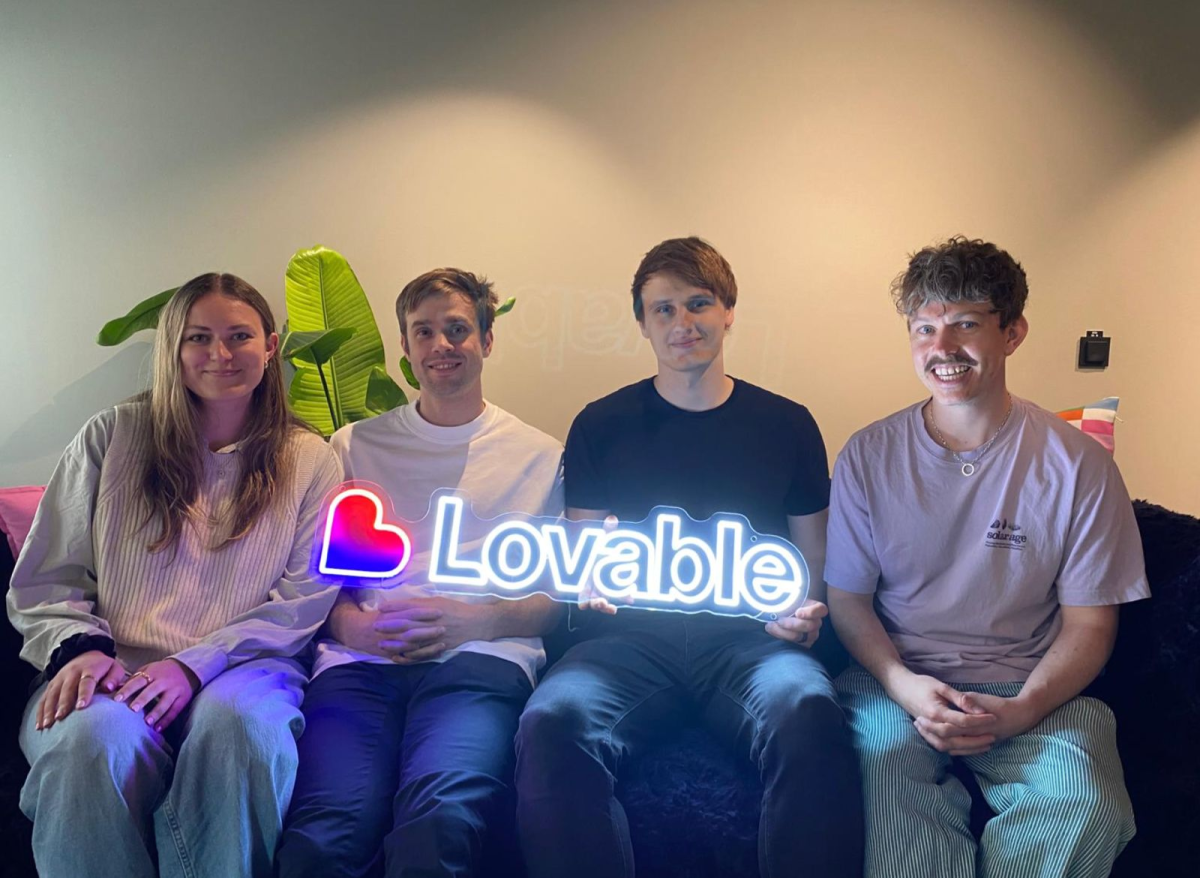
The software development world just witnessed something unprecedented. A European startup called Lovable reached $20 million in annual recurring revenue in just two months, making it potentially the fastest-growing startup in European history. But here's the twist that's making traditional software agencies nervous: they did it by giving non-technical founders the power to build full-stack applications without writing a single line of code. For years, the promise of no-code tools has been the same: anyone can build an app. But the reality has always been different. You'd create a beautiful frontend, get excited about your progress, and then hit the technical cliff. Suddenly you needed to configure databases, set up authentication, manage API keys, and deploy to servers. The "no-code" dream became a "hire-a-developer-anyway" nightmare.
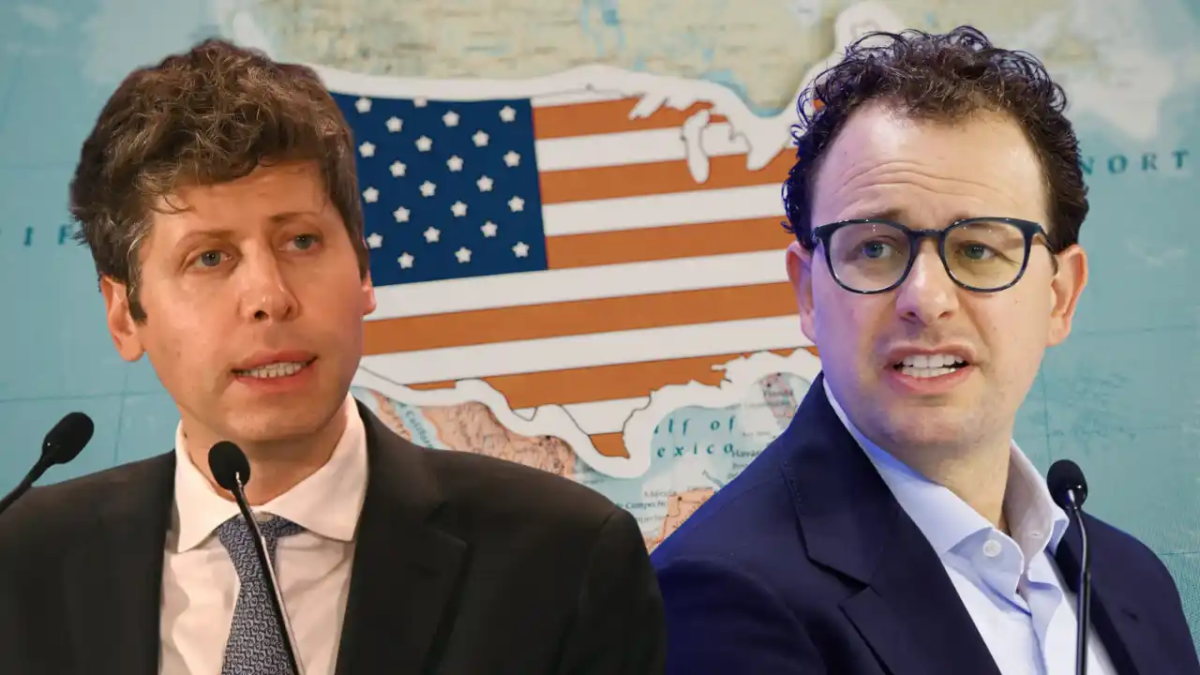
There's a photograph from February 2026 that pretty much sums up the state of AI right now. At the India AI Impact Summit in New Delhi, Indian Prime Minister Narendra Modi invited the world's tech leaders onstage for a group photo. Everyone held hands. Well, almost everyone. Sam Altman of OpenAI and Dario Amodei of Anthropic, standing right next to each other, refused to clasp hands and instead raised their fists separately. The internet, predictably, lost its mind. An awkward moment between OpenAI CEO Sam Altman and Anthropic CEO Dario Amodei at an AI Summit captured the increasingly icy relations between two rival tech leaders who started off as colleagues. That's not just petty drama. It's a window into what may be the most consequential corporate rivalry in the technology world right now, one that's playing out in boardrooms, courtrooms, Super Bowl ads, and billion-dollar compute deals all at once.
As someone who lived through 2018 and 2022, the pattern I'm seeing is familiar. A sharp geopolitical catalyst, a short squeeze, institutional framing, and the article ends with risk warnings that nobody reads. Be careful.
The part where they disclosed that a Chinese state-sponsored group already used Claude to autonomously execute cyberattacks across roughly 30 targets last year is the buried lede of this whole announcement. That happened. We are already in that timeline.
My neighbor who works at a pension fund told me last month they were finally allowed to have a small allocation to Bitcoin ETFs. That kind of quiet institutional creep is happening everywhere and most retail traders are not pricing it in.
You design for flexibility and you make architectural bets based on what you think will be stable. Memory bandwidth and interconnect performance have been consistently important across generations. You build around those first principles.
Meta has just had one of its most important AI moments yet and the early signals are hard to ignore. Following the launch of its newest AI model Muse Spark, the company’s standalone Meta AI app surged dramatically in popularity, hinting at a much larger shift that is beginning to take shape. The release is particularly significant because it marks the first major AI model rollout under Alexandr Wang, who joined Meta to reboot its AI strategy. This is not just another incremental update. It represents a more aggressive and focused push into the AI race. According to data from Appfigures, Meta AI jumped from number 57 to number 5 on the U.S. App Store within a day of the launch. That kind of movement rarely happens without a strong underlying pull from users. It signals not curiosity but intent.
The $8 Go tier is interesting too and barely gets mentioned. There are a lot of developers who want occasional agentic help but do not need daily limits. That tier is smart market segmentation.