Completely agree. The muted palette for Suchan's everyday life versus the stark, high-contrast horror of the Jahak installations is a choice that carries enormous emotional information. That is not decoration, that is storytelling.
13
Sign up to see more
SignupAlready a member?
LoginBy continuing, you agree to Sociomix's Terms of Service, Privacy Policy

Completely agree. The muted palette for Suchan's everyday life versus the stark, high-contrast horror of the Jahak installations is a choice that carries enormous emotional information. That is not decoration, that is storytelling.
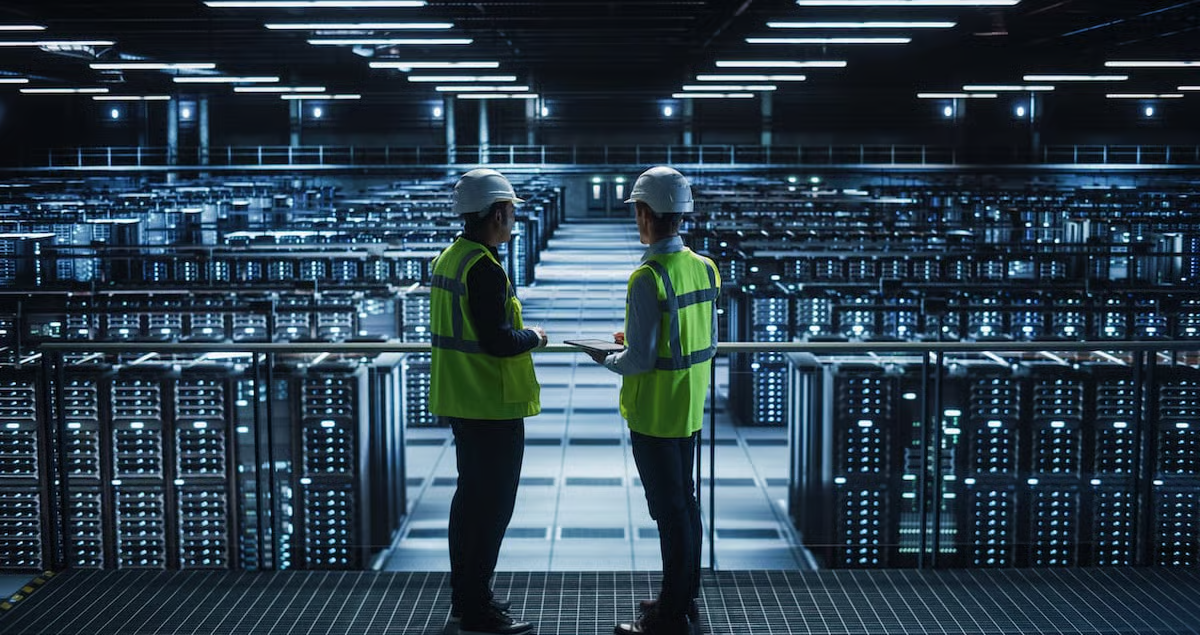
The technology sector is experiencing a paradox. While headlines scream about mass layoffs at major tech companies, a critical shortage is quietly building in one of the most essential areas of digital infrastructure. Datacenters, the physical backbone of our digital world, are facing an unprecedented demand surge, and there simply are not enough skilled professionals to build and maintain them. Countries across the globe are rushing to establish their own datacenter infrastructure. From India's ambitious plans to become a datacenter hub to the European Union's push for data sovereignty, and emerging markets in Southeast Asia and Latin America building their first large scale facilities, the construction boom is just beginning.
Saying Gosu needs to distinguish itself in a crowded martial arts anime landscape is true but also dismisses how much the murim setting distinguishes itself by default from Japanese martial arts frameworks.
To the person asking about The Warrior Returns, the first ten chapters are deliberately paced to establish the culture shock comedy. Around chapter fifteen it shifts gears significantly and the emotional stakes get much heavier. Give it that long.
Disagree with the article's framing that Ragnarok improves on the original's weaknesses. The original's narrow focus on Jinwoo was a feature, not a flaw. The expanded cast sometimes dilutes the tension.
In a medium filled with talented artists producing stunning work, making a claim about any series having the "best" art feels bold. Yet Nano Machine consistently delivers combat sequences so fluid, detailed, and visually innovative that even readers who don't typically care about martial arts stories find themselves captivated by the sheer spectacle on display. The series combines traditional murim aesthetics with futuristic sci-fi elements, creating a unique visual identity that stands apart from typical cultivation manhwa. The nano machine implanted in protagonist Cheon Yeo-Woon's body doesn't just give him power. It becomes a storytelling device that allows the artist to visualize techniques, energy flows, and combat analysis in ways other series can't replicate.

Sports anime and manga have delivered countless memorable series over the decades, from Slam Dunk's basketball brilliance to Haikyuu's volleyball excellence. These stories typically follow familiar patterns: talented but inexperienced protagonist joins a team, forms bonds with teammates, faces rivals, grows through competition, and ultimately pursues championship glory. The formula works because it taps into universal themes about effort, teamwork, and self-improvement. The Boxer, created by JH, takes everything you expect from sports stories and systematically deconstructs it. The protagonist doesn't love boxing. He doesn't form deep bonds with teammates. He doesn't overcome challenges through friendship and determination. Instead, the manhwa presents one of the darkest, most psychologically complex examinations of combat sports ever created, wrapped in stunningly minimalist artwork that elevates the narrative to something approaching high art.

The 128k context window thing is real but prompt quality still matters a lot. Feeding v0 your entire design system and getting back something coherent requires thoughtful prompting, not just dumping files and hoping for magic.
25 free credits is a fair trial. I built a small REST API wrapper during the evaluation and had enough budget left over to debug a gnarly async issue. That is a meaningful test.
The difference this time is the AI layer. Previous no-code tools required you to think like a developer but without writing code. Bolt lets you describe outcomes and handles the implementation thinking. That is a qualitatively different kind of tool.
What strikes me reading this is that the article describes temporal consistency and physical realism as breakthrough achievements. Two years ago those were the minimum requirements we expected from any professional video tool. The baseline has shifted that dramatically.
While Synthesia leads in revenue, HeyGen leads in customer acquisition momentum with 152% year-over-year growth in mid-market adoption. That explosive growth rate allowed HeyGen to close much of the customer count gap by late 2025. The company is winning by making avatar video accessible to smaller teams and individual creators who cannot afford enterprise contracts but need professional video capabilities. HeyGen positioned itself for small and medium businesses, marketing teams, content creators, and solo entrepreneurs rather than enterprise learning and development departments. This market segment values affordability, ease of use, and creative flexibility over governance features and advanced integrations. Average contract values are roughly one-third of Synthesia's, reflecting this different customer profile.
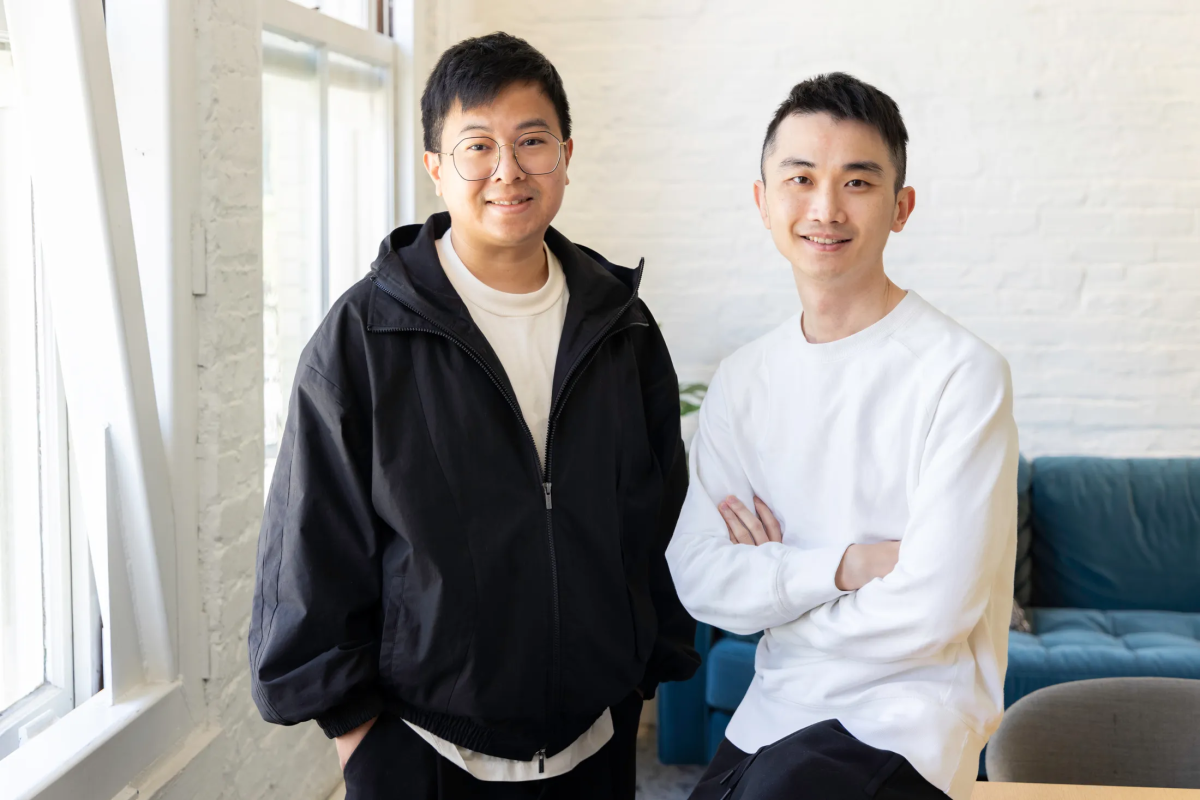
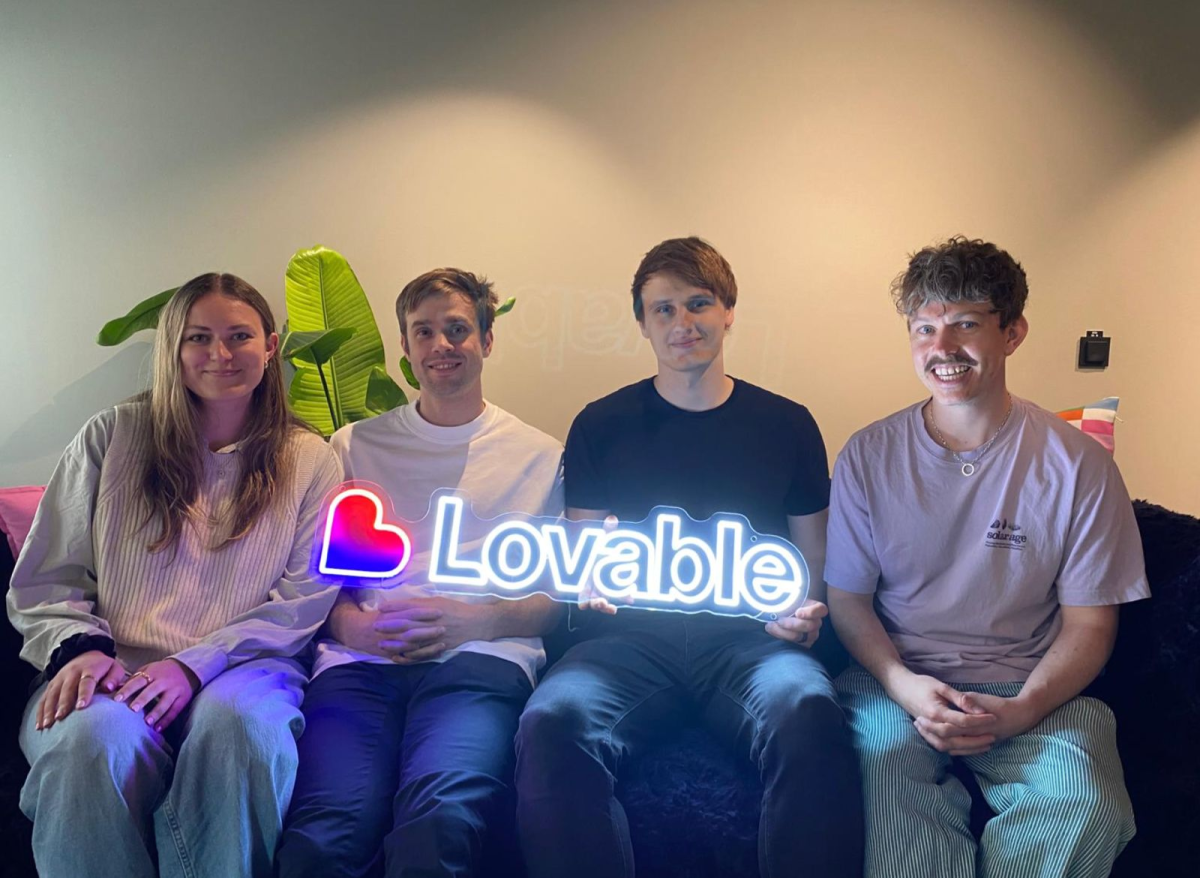
The software development world just witnessed something unprecedented. A European startup called Lovable reached $20 million in annual recurring revenue in just two months, making it potentially the fastest-growing startup in European history. But here's the twist that's making traditional software agencies nervous: they did it by giving non-technical founders the power to build full-stack applications without writing a single line of code. For years, the promise of no-code tools has been the same: anyone can build an app. But the reality has always been different. You'd create a beautiful frontend, get excited about your progress, and then hit the technical cliff. Suddenly you needed to configure databases, set up authentication, manage API keys, and deploy to servers. The "no-code" dream became a "hire-a-developer-anyway" nightmare.
It stays in its original position. The edit just updates the text in place. No reordering happens which is the right behavior honestly.
In an extraordinary move signaling growing alarm over artificial intelligence capabilities, US Treasury Secretary Scott Bessent and Federal Reserve Chair Jerome Powell jointly summoned the nation's most powerful banking executives to an emergency meeting this week at Treasury headquarters in Washington, DC. The hastily arranged gathering centered on mounting cybersecurity concerns stemming from Anthropic's latest artificial intelligence system, known as Claude Mythos. The San Francisco-based AI company recently disclosed that its newest model demonstrates unprecedented abilities to identify and exploit software vulnerabilities, raising immediate red flags across the financial sector and national security establishment.

Semiconductor development takes three to five years minimum. If Anthropic starts today they are looking at 2029 or 2030 before custom silicon is actually running production workloads. The AI landscape will be almost unrecognizable by then.
The global cryptocurrency market capitalization has climbed back above the $2.5 trillion threshold, fueled by a massive liquidation of short positions and renewed institutional interest. Geopolitical developments and shifting investor sentiment combined to create a powerful rally that caught bearish traders off guard, resulting in substantial losses for those betting against the market. According to data from CoinGecko, the total market capitalization of all cryptocurrencies combined increased 1.4% to reach $2.52 trillion on Friday, April 10. Bitcoin experienced a notable surge of over 3%, briefly touching the $73,000 mark before consolidating around $72,000 at the time of writing. Ethereum demonstrated equally impressive strength, pushing past the $2,200 level, while the majority of top 10 cryptocurrencies by market capitalization also posted significant gains.

Real talk, the real winner here might be India. 3.5 billion users across Meta's platforms with a huge and growing share coming from the subcontinent means Muse Spark rolling into WhatsApp there is going to touch an enormous number of lives very quickly.
You could totally make this more casual by swapping the heels for white sneakers and the geometric bag for a canvas tote