Antoine Fuqua is an interesting choice in retrospect. Training Day is one of the most morally complex films of the 2000s. Watching him direct something this deliberately toothless has to sting a little.
3
Sign up to see more
SignupAlready a member?
LoginBy continuing, you agree to Sociomix's Terms of Service, Privacy Policy

Antoine Fuqua is an interesting choice in retrospect. Training Day is one of the most morally complex films of the 2000s. Watching him direct something this deliberately toothless has to sting a little.
As someone who started ORV skeptically because I thought it was just another system apocalypse story, I can confirm it earns every bit of its reputation by around episode 10 or so if the pacing holds.
The Warrior Returns made me genuinely emotional in a way I did not expect from what initially looked like a fish-out-of-water comedy setup. When he sees his family again the series drops its humorous tone completely and the shift is earned.
In a medium filled with talented artists producing stunning work, making a claim about any series having the "best" art feels bold. Yet Nano Machine consistently delivers combat sequences so fluid, detailed, and visually innovative that even readers who don't typically care about martial arts stories find themselves captivated by the sheer spectacle on display. The series combines traditional murim aesthetics with futuristic sci-fi elements, creating a unique visual identity that stands apart from typical cultivation manhwa. The nano machine implanted in protagonist Cheon Yeo-Woon's body doesn't just give him power. It becomes a storytelling device that allows the artist to visualize techniques, energy flows, and combat analysis in ways other series can't replicate.

The demonic versus orthodox visual coding is so ingrained now that when Cheon Yeo-Woon uses orthodox-adjacent techniques the color confusion reads as intentional character development. That is artist and writer working in perfect sync.
The regression subgenre has exploded in popularity over the past few years, becoming one of the most beloved narrative frameworks in Korean manhwa. The core premise is deceptively simple: a protagonist dies or fails catastrophically, then returns to an earlier point in time with their memories intact. Armed with future knowledge, they get a second chance to change their fate, save loved ones, gain power, or pursue revenge against those who wronged them. What makes regression stories so compelling is the combination of dramatic irony, strategic satisfaction, and emotional depth they provide. Readers know what the protagonist knows, creating tension when other characters make mistakes we can see coming. We feel smart alongside protagonists who use foreknowledge to outmaneuver enemies. And we experience the emotional weight of carrying memories of futures that haven't happened yet, of people who died who are currently alive, of betrayals that haven't occurred.

Something the article touches on but could expand is how regression protagonists often become lonely because of their foreknowledge. Knowing what people will do, which friendships will last, which loved ones will survive, creates an isolation that the best series explore thoughtfully.
As someone who works in legal services, the discovery risk here is not theoretical. Permanent searchable records of internal business discussions are exactly what opposing counsel subpoenas. Your candid meeting conversations become a liability.
Been following since the web novel days back in 2023 and watching new anime-only fans discover Ragnarok through the manhwa has been genuinely wholesome. The fanbase is growing in the right direction.
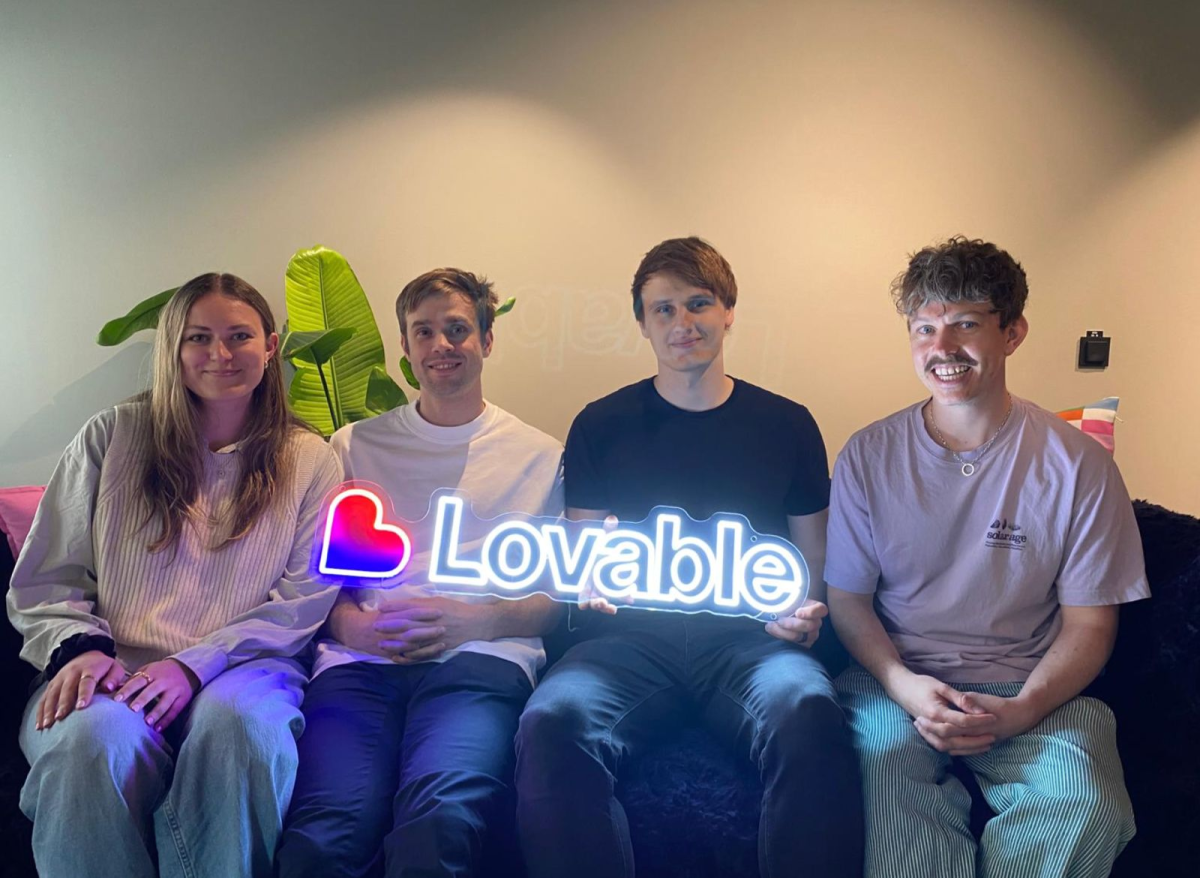
The software development world just witnessed something unprecedented. A European startup called Lovable reached $20 million in annual recurring revenue in just two months, making it potentially the fastest-growing startup in European history. But here's the twist that's making traditional software agencies nervous: they did it by giving non-technical founders the power to build full-stack applications without writing a single line of code. For years, the promise of no-code tools has been the same: anyone can build an app. But the reality has always been different. You'd create a beautiful frontend, get excited about your progress, and then hit the technical cliff. Suddenly you needed to configure databases, set up authentication, manage API keys, and deploy to servers. The "no-code" dream became a "hire-a-developer-anyway" nightmare.
I appreciate that they use paid actors for stock avatars rather than scraped training data. That is not just an ethics checkbox. It is what makes enterprise legal teams comfortable signing the contract.
Anthropic's enterprise market share going from 18 percent in 2024 to 29 percent in 2025 is the stat that explains why OpenAI is so rattled right now.
OpenAI's latest subscription offering represents its most aggressive move yet to reclaim market share in the rapidly expanding AI-powered coding assistant sector
The article mentions Microsoft has been more circumspect about its chip efforts. But the Maia 200 chip is definitely real and is designed specifically for Azure AI workloads. Microsoft is very much in this race, just quieter about it.
Not gonna lie, the subscription tier sprawl from OpenAI is getting exhausting. Free, Go, Plus, $100 Pro, $200 Pro. Just tell me what I get and what it costs without needing a comparison spreadsheet.
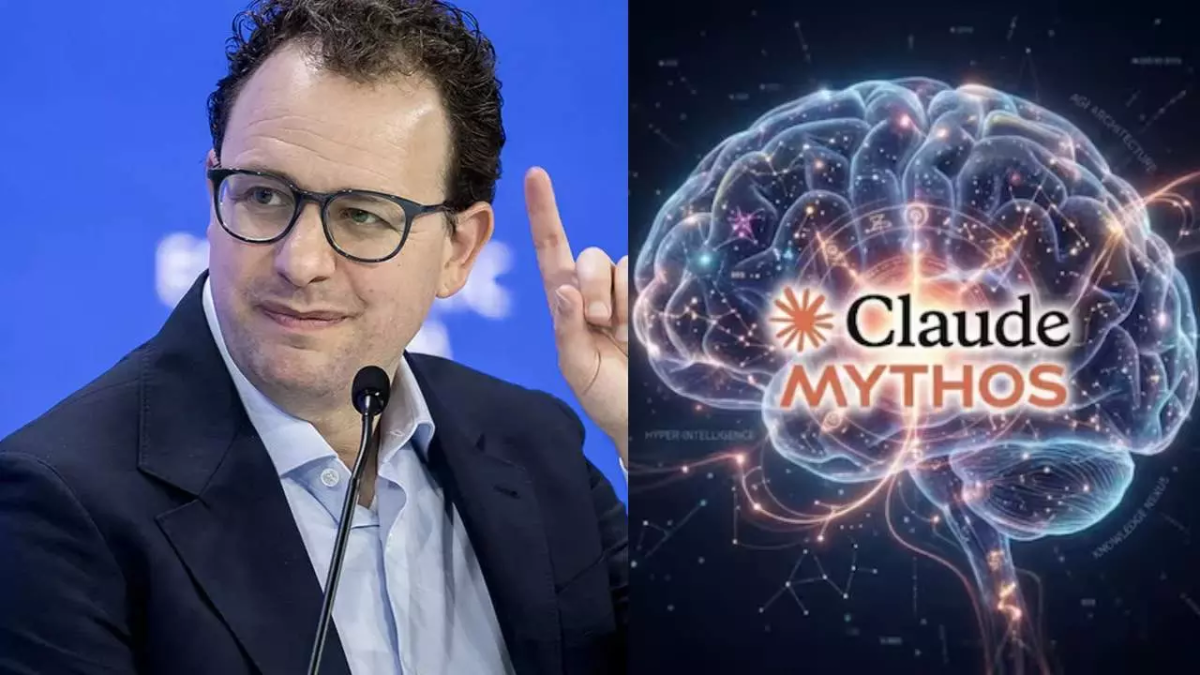
Anthropic on Tuesday unveiled an advanced artificial intelligence model designed specifically to identify software vulnerabilities, marking a significant development in the intersection of AI and cybersecurity. The model, named Claude Mythos Preview, will be available exclusively to a carefully selected group of companies as part of Project Glasswing, a new security initiative that aims to strengthen digital defenses while preventing malicious exploitation. The San Francisco based AI company has chosen to severely restrict access to Claude Mythos Preview due to its powerful capability to detect security weaknesses and software flaws. This decision reflects growing concerns about dual use AI technologies that could be weaponized by adversaries if they fell into the wrong hands.