Taibbi_Talk



That study is worth knowing about and I think the honest answer is the research is still being sorted out. Some trials show timing effects independent of calories, others do not. The population tested and the window timing seem to matter a lot.
22

I keep seeing people online ask whether Jaafar Jackson is a good actor or just a skilled impersonator. The article addresses this honestly and I think the answer is both, depending on which scenes you are watching.
22

Michael Movie Review Should You Watch The Michael Jackson Biopic In 2026
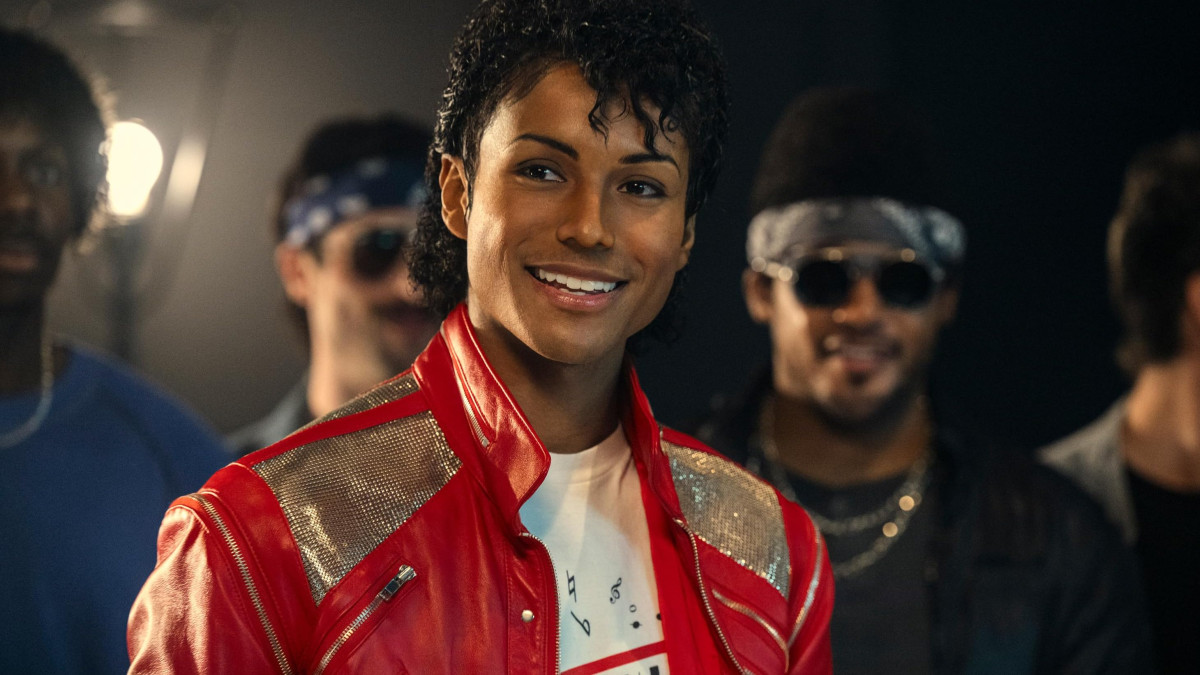
The Michael movie review verdict is in, and it is more complicated than the 26% Rotten Tomatoes score suggests. Antoine Fuqua's long-delayed Michael Jackson biopic, simply titled Michael, hit theaters this weekend with Jaafar Jackson playing his late uncle, and the critical response has been brutal. The BBC gave it one star. Roger Ebert's site called it a filmed playlist in search of a story. Yet early audience reactions on social media have been warmer, ticket pre-sales suggest an $80 million opening, and Variety thought it worked as an engrossing middle-of-the-road biopic. After tracking coverage across more than a dozen outlets over the past 48 hours, I think the honest answer to "should you watch this?" depends almost entirely on what you want from a music biopic, and this guide breaks down exactly what the film delivers, what it skips, and who will actually enjoy sitting through its two-hour-and-nine-minute runtime.
430
Save

My one complaint is that some of the smaller filler fight chapters have noticeably lower art quality. The peak chapters are extraordinary but the consistency across two hundred plus chapters is not quite as airtight as the article suggests.
8

The article's point about second chances resonating universally is why this genre crosses cultural and language barriers so effectively. The wish fulfillment is not about power, it is about the universal desire to do better with what you know now.
9

My issue with the post is it presents confirmed details confidently that are not actually confirmed. There is a difference between hype writing and accurate reporting and this leans hard into the former.
16

Hard disagree. Sometimes you just want to watch an absurdly powerful protagonist obliterate everything in their path. Not every manhwa needs to be a strategic underdog story.
24

The article nails it when it talks about combat fatigue being a real problem in long-running series. Nano Machine is well past two hundred chapters and I still get genuinely excited when a new fight starts. That does not happen with most murim series.
23

The AI That Finally Makes Designers And Developers Actually Like Each Other
The designer-developer relationship has been tense for decades. Designers create pixel-perfect mockups in Figma. Developers translate them to code and somehow everything looks slightly wrong. Fonts don't match. Spacing is inconsistent. Buttons have different corner radiuses. Both sides get frustrated, blame each other, and the product suffers. V0 by Vercel is fixing this problem by generating production-quality React components that look exactly like the designs. The rebrand from v0.dev to v0.app in January 2026 signaled expanded ambitions beyond just UI component generation. Vercel positioned the tool for full-stack web development, though its core strength remains frontend excellence. That strategic clarity matters because trying to be everything often means excelling at nothing. V0 chose to dominate the handoff between design and code before expanding into other areas.

568
Save

Edit Video By Deleting Words Like You're Fixing A Google Doc
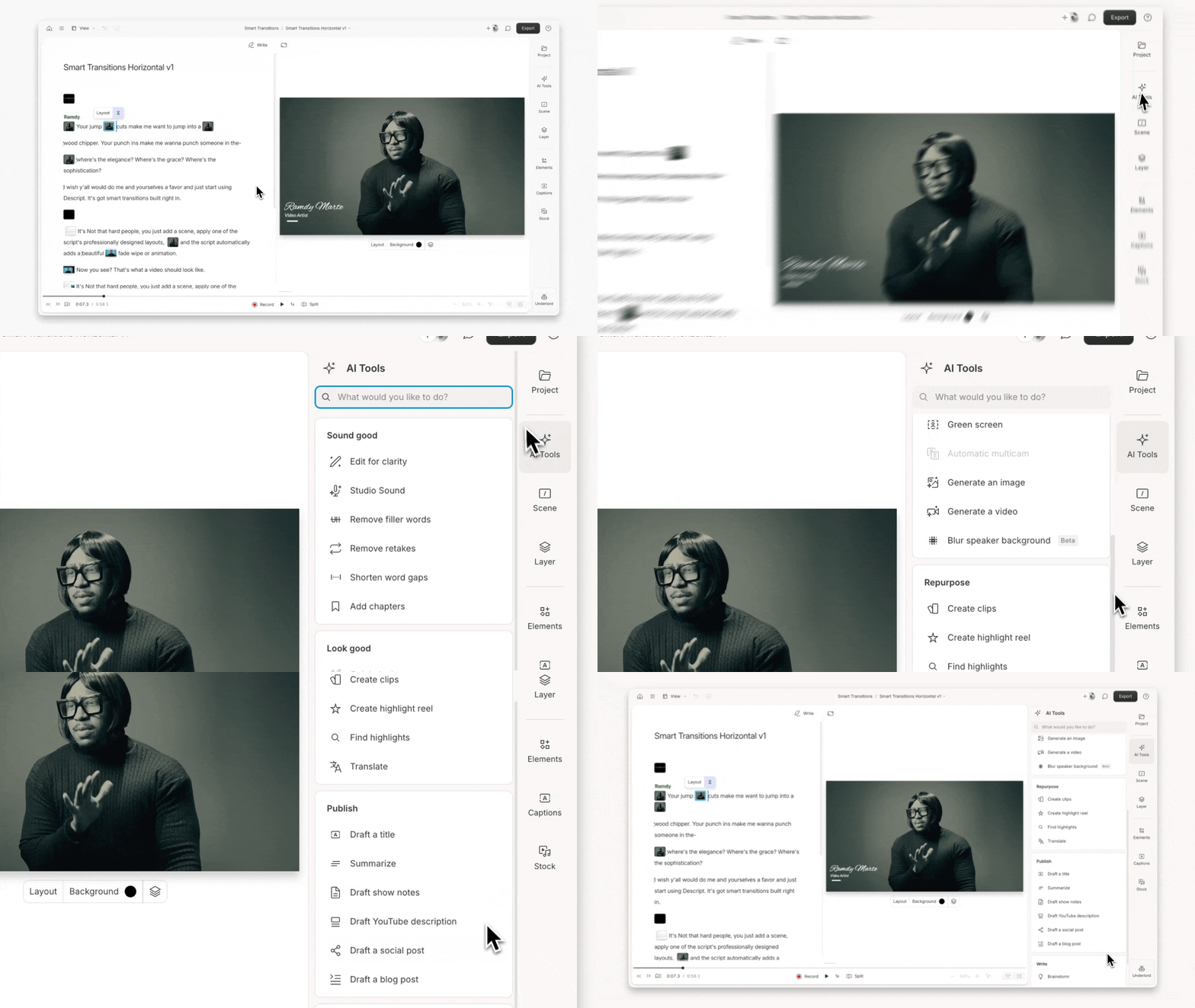
Most people can edit a Google Doc. Delete some words, rearrange sentences, fix typos, add paragraphs. It's intuitive and requires no special training. Now imagine editing video the same way. That's Descript's core innovation, and it transformed video editing from a specialized skill requiring expensive software into something anyone who can edit text can do effectively. Descript started as a transcription tool for podcasters. Record your podcast, upload it to Descript, and get an accurate transcript for show notes. But the founders realized something bigger. If you have a perfect transcript synchronized to audio, you can edit the audio by editing the text. Delete a word from the transcript and that word disappears from the audio. That insight became the foundation for a complete editing platform.
400
Save

$200M Funding And 140 Languages Later, Your Training Videos Write Themselves
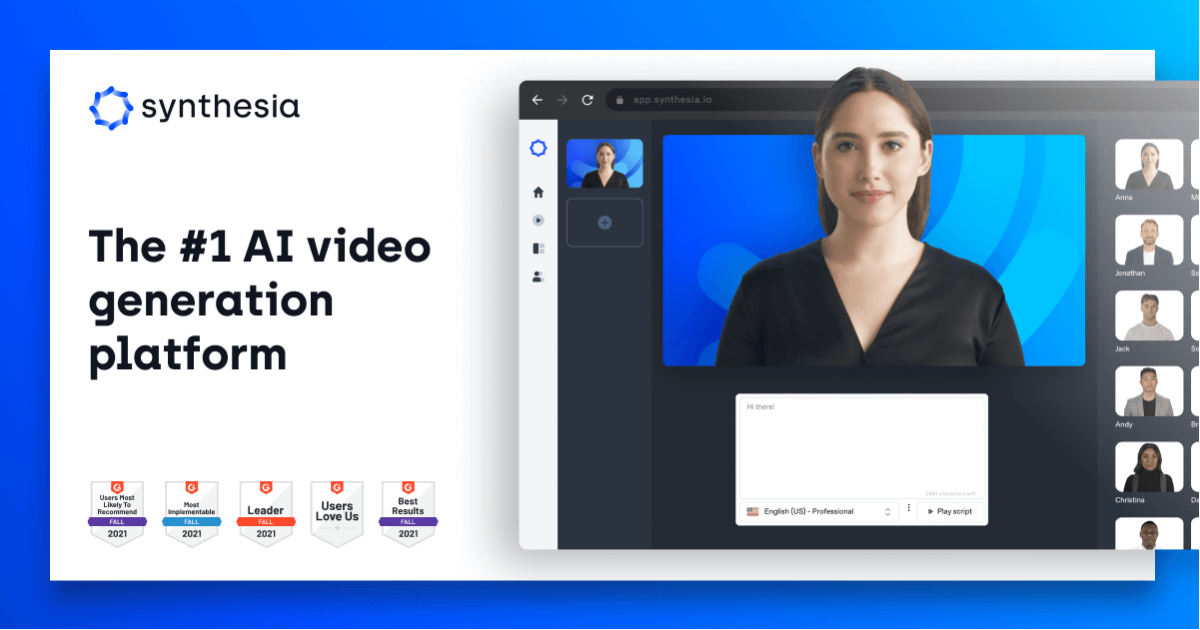
When a company raises $200 million in Series E funding during January 2026, investors are betting on more than potential. They're backing proven market demand and sustainable growth. Synthesia's funding round came alongside a 44% year-over-year increase in headcount to 706 employees, signaling aggressive expansion in a category the company essentially created: AI avatar-based video generation for enterprise training and communications. Corporate training videos have been expensive and slow to produce for decades. Recording a single 10-minute training module traditionally required booking a studio, hiring a presenter, scheduling a videographer, managing multiple takes, and editing everything together. If you needed to update information or translate content, you essentially started over. Synthesia eliminated this entire production workflow by replacing human presenters with AI avatars.
430
Save

The Boxer Anime Adaptation Will Change How You See Sports Manhwa
Sports anime and manga have delivered countless memorable series over the decades, from Slam Dunk's basketball brilliance to Haikyuu's volleyball excellence. These stories typically follow familiar patterns: talented but inexperienced protagonist joins a team, forms bonds with teammates, faces rivals, grows through competition, and ultimately pursues championship glory. The formula works because it taps into universal themes about effort, teamwork, and self-improvement. The Boxer, created by JH, takes everything you expect from sports stories and systematically deconstructs it. The protagonist doesn't love boxing. He doesn't form deep bonds with teammates. He doesn't overcome challenges through friendship and determination. Instead, the manhwa presents one of the darkest, most psychologically complex examinations of combat sports ever created, wrapped in stunningly minimalist artwork that elevates the narrative to something approaching high art.

220
Save

The article mentions backend limitations honestly. What it does not mention is that pairing v0 with something like Supabase for the backend actually gets you surprisingly close to a full-stack setup without writing much code at all.
22

Beating Google And OpenAI At Video Generation With A 1,247 Elo Score
The AI video generation race just got a clear winner. Runway Gen-4.5 topped the Video Arena leaderboard with a 1,247 Elo score, surpassing both Google Veo 3 and OpenAI Sora 2. For those unfamiliar with Elo ratings, this is the same system used to rank chess players and competitive games. A higher score means more wins in head-to-head comparisons. When real users compare videos side by side without knowing which AI generated them, they consistently choose Runway's output. Runway didn't start as an enterprise video tool. It began as a playground for artists and filmmakers who wanted to experiment with AI-generated visuals. The early versions produced fascinating but inconsistent results. Sometimes you'd get stunning cinematic footage. Other times you'd get distorted motion and unrealistic physics. Gen-4.5 changed that equation by achieving breakthrough consistency in motion quality and physical accuracy.
258
Save

The cybersecurity program finding thousands of zero days in weeks makes me simultaneously grateful Anthropic exists and terrified about what happens when a less careful organization builds something similar.
24

My company is one of those 500 enterprises spending over a million a year on Anthropic. The ROI is there but so is the dependency risk. Nobody is talking about what happens if Anthropic raises prices significantly post-IPO.
20
Does anyone know if the team workspace supports external reviewers or do all 10 collaborators need paid accounts? That matters a lot for agencies doing client approvals.
0

OpenAI Intensifies AI Coding War With New $100 ChatGPT Pro Tier Targeting Anthropic's Dominance
OpenAI's latest subscription offering represents its most aggressive move yet to reclaim market share in the rapidly expanding AI-powered coding assistant sector
257
Save

Anthropic Unveils Powerful Cybersecurity AI Model With Restricted Access To Tech Giants Only
Anthropic on Tuesday unveiled an advanced artificial intelligence model designed specifically to identify software vulnerabilities, marking a significant development in the intersection of AI and cybersecurity. The model, named Claude Mythos Preview, will be available exclusively to a carefully selected group of companies as part of Project Glasswing, a new security initiative that aims to strengthen digital defenses while preventing malicious exploitation. The San Francisco based AI company has chosen to severely restrict access to Claude Mythos Preview due to its powerful capability to detect security weaknesses and software flaws. This decision reflects growing concerns about dual use AI technologies that could be weaponized by adversaries if they fell into the wrong hands.

333
Save