I want to know if a continuous glucose monitor is worth it for learning your personal meal timing patterns or if you can figure it out without spending the money.
8
Sign up to see more
SignupAlready a member?
LoginBy continuing, you agree to Sociomix's Terms of Service, Privacy Policy

I want to know if a continuous glucose monitor is worth it for learning your personal meal timing patterns or if you can figure it out without spending the money.
The year 2026 marks a pivotal moment in the evolution of manhwa as a medium. What started as a trickle of Korean comics receiving anime adaptations has become a flood, with at least fifteen confirmed projects bringing beloved manhwa to animated life. This explosive growth wasn't accidental but the inevitable result of Solo Leveling's massive success proving that manhwa adaptations can compete with traditional manga anime in quality, popularity, and profitability. Studios across Japan and Korea are investing heavily in manhwa properties, recognizing that Korean storytelling brings fresh perspectives, innovative premises, and built-in fanbases eager to see their favorite series animated. The diversity of genres receiving adaptations demonstrates that manhwa appeal extends far beyond action and fantasy into romance, psychological thriller, sports, and slice-of-life territories.
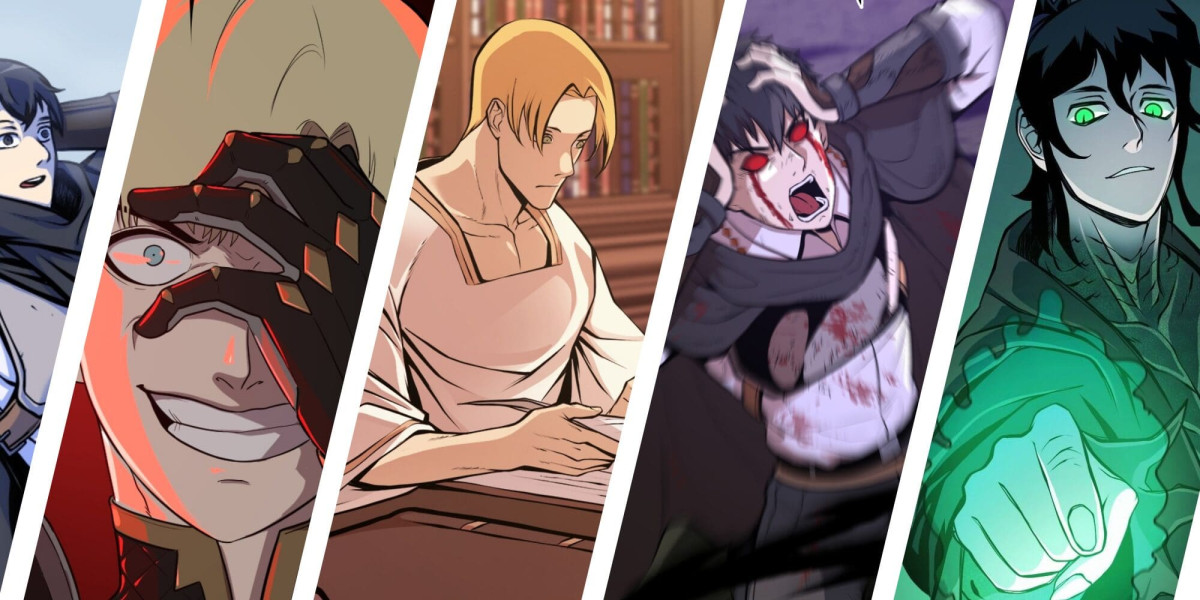
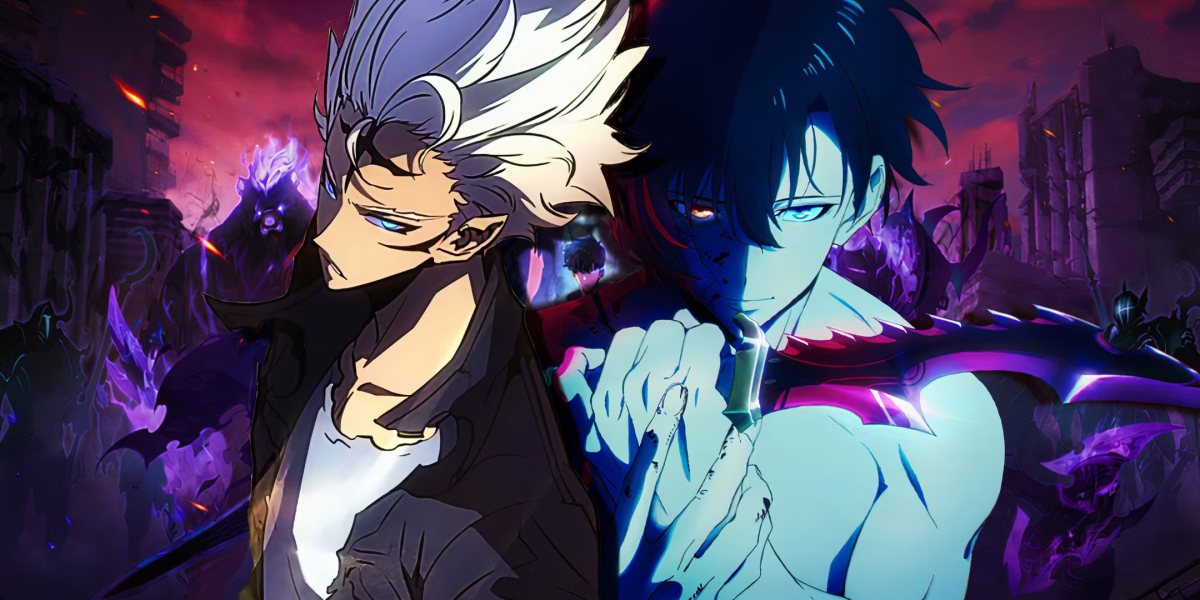
The manhwa world exploded when Solo Leveling first introduced us to Sung Jinwoo's journey from the weakest hunter to humanity's strongest defender. Now, Solo Leveling Ragnarok brings a fresh perspective to this beloved universe, and fans everywhere are asking the same questions. Can the sequel live up to the original? Do you need to read Solo Leveling first? What makes this continuation worth your time? This guide covers everything you need to know about Solo Leveling Ragnarok, whether you're a longtime fan or someone curious about jumping into the series Solo Leveling Ragnarok is not a reboot or alternate timeline. This is a direct sequel that continues the story years after the original series concluded. The protagonist shifts from Sung Jinwoo to his son, Sung Suho, who must forge his own path in a world still recovering from the catastrophic events his father prevented.
The fact that they turned down a $3 billion Adobe acquisition offer tells you everything about where the founders think this is going. You do not walk away from that number unless you have very specific reasons to believe the company is worth multiples more.
The article mentions 70 percent editing time reduction and I was skeptical until I tracked my own numbers for a month. The actual time savings on a 30-minute interview episode was closer to 65 percent. So yeah, those claims check out.
Respectfully, the article is a bit loose with facts. Windsurf uses a credit and quota system depending on which model you pick. Calling it unlimited with no asterisks is not accurate.
When Tomb Raider King first exploded onto the manhwa scene, it brought a fresh take on dungeon crawling stories by combining archaeological adventure with ruthless protagonist energy and a treasure-hunting premise that felt genuinely different from typical gate and dungeon narratives. The series built a dedicated fanbase through its satisfying blend of historical artifact powers, strategic relic acquisition, and a protagonist who wasn't afraid to be morally gray in pursuit of his goals. Now, with the anime adaptation confirmed for 2026 as one of the most anticipated manhwa-to-anime projects, Tomb Raider King is experiencing a resurgence. New readers are discovering the series while longtime fans eagerly await seeing Jooheon Suh's relic-hunting adventures brought to life with animation. The timing couldn't be better, as the series has built enough content to support a substantial adaptation while maintaining momentum in its ongoing storyline.

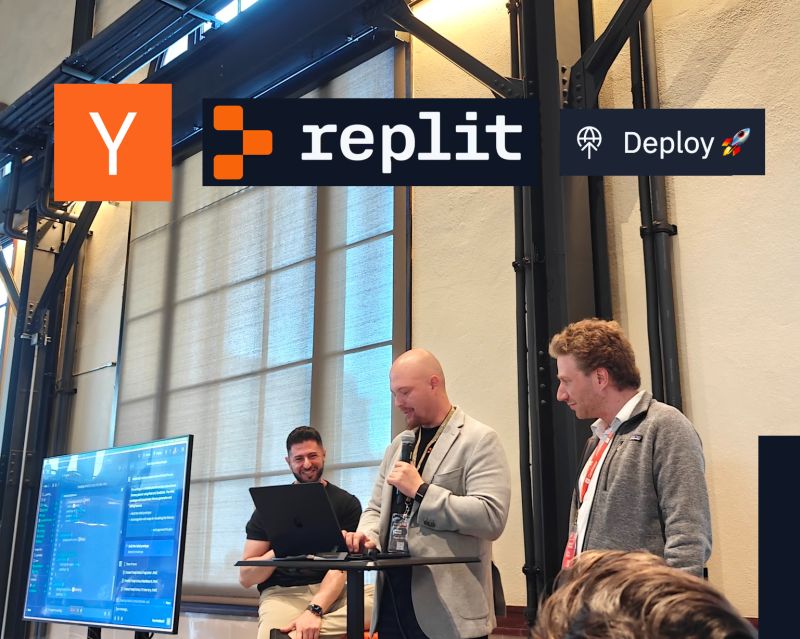
When a company's revenue jumps from $10 million to $100 million in nine months, you pay attention. When that growth comes from an AI agent that builds entire applications autonomously, you realize something fundamental just changed in software development. Replit Agent represents that change, and the numbers prove developers are ready for it. Replit started as a browser-based coding environment for education. Students could write Python or JavaScript without installing anything locally. Teachers loved it because setup time vanished. But the company saw something bigger. If you could run code in the browser, why not let AI write that code? That question led to Agent 3, an AI that doesn't just suggest code completions. It builds entire applications from scratch.
Revenue per employee of over two million dollars is genuinely absurd for a software company. The traditional playbook where you hire a large development team to match growth is completely broken as a model.
The Figma import feature is criminally underrated. Bring in your design frames directly and Bolt converts them into working code. That alone collapses the handoff process between design and engineering by days.
Every AI company is claiming their model reasons deeply and handles complex domains. The part that will actually differentiate Meta is whether the experience inside WhatsApp and Instagram becomes noticeably smarter in the next sixty days. That is the real test.
The WhatsApp comparison is interesting since WhatsApp also does not show version history on edited messages. It seems like Meta has a consistent internal policy across its apps to show the edited label but hide original content.
Buying time matters though. Getting defenders trained and workflows established before the capabilities go wide is genuinely valuable. You do not dismiss a six-month head start just because it is not a permanent solution.
Honestly just glad I can fix my autocorrect disasters now. The amount of times my phone changed a normal word into something embarrassing and I had to delete the whole comment was too high.
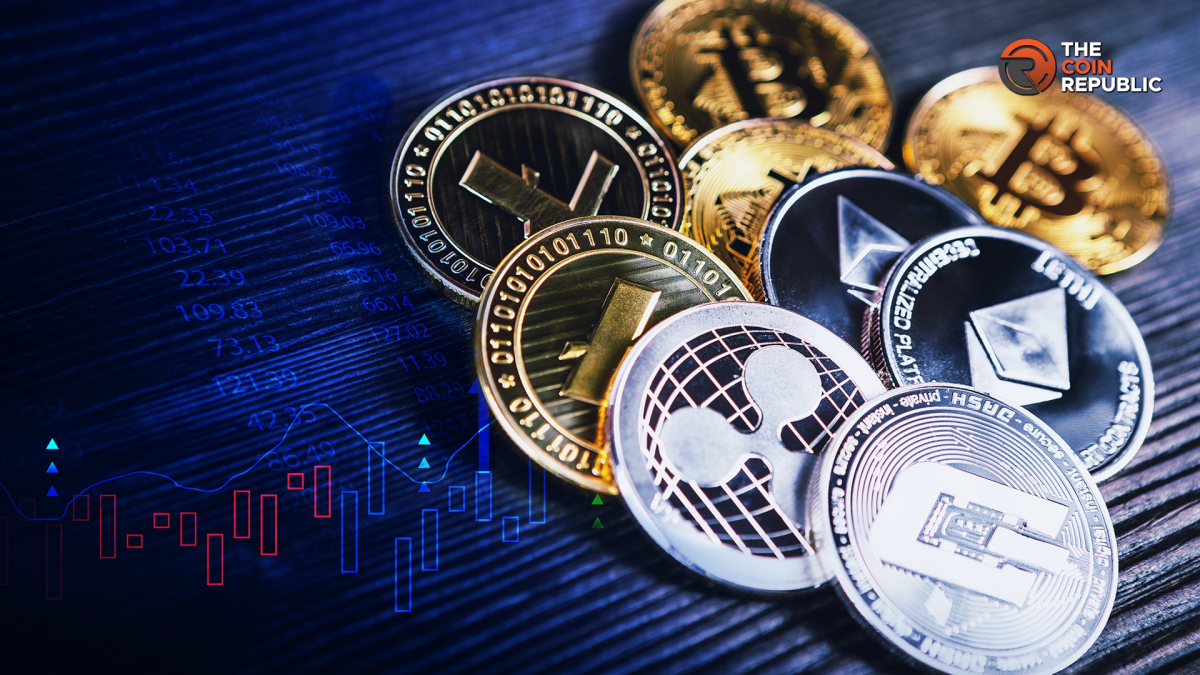
The global cryptocurrency market capitalization has climbed back above the $2.5 trillion threshold, fueled by a massive liquidation of short positions and renewed institutional interest. Geopolitical developments and shifting investor sentiment combined to create a powerful rally that caught bearish traders off guard, resulting in substantial losses for those betting against the market. According to data from CoinGecko, the total market capitalization of all cryptocurrencies combined increased 1.4% to reach $2.52 trillion on Friday, April 10. Bitcoin experienced a notable surge of over 3%, briefly touching the $73,000 mark before consolidating around $72,000 at the time of writing. Ethereum demonstrated equally impressive strength, pushing past the $2,200 level, while the majority of top 10 cryptocurrencies by market capitalization also posted significant gains.
My concern is less with Mythos specifically and more with what comes after Mythos when the next generation of models makes this one look like a calculator.
Could we see this with a ponytail? The loose waves are gorgeous but wondering about alternatives