
Can I use L-theanine with caffeine every day without building tolerance? That combination is the one thing I've actually noticed a real effect from.
15
Sign up to see more
SignupAlready a member?
LoginBy continuing, you agree to Sociomix's Terms of Service, Privacy Policy

Can I use L-theanine with caffeine every day without building tolerance? That combination is the one thing I've actually noticed a real effect from.
This is my main objection too. The approach as described seems designed for someone eating alone or with a fully compliant household. Real life has birthday dinners and work events and none of that fits neatly into any eating window.
Estate-approved biopics are basically a subgenre at this point. You get the music, you get the performance, you get a version of the life story that has been pre-approved for palatability. Michael is just the most expensive example so far.
Critics who are upset about what the film leaves out should be upset with the estate for controlling the narrative, not with Jaafar. He gave everything to this performance. The creative limitations are above his pay grade.
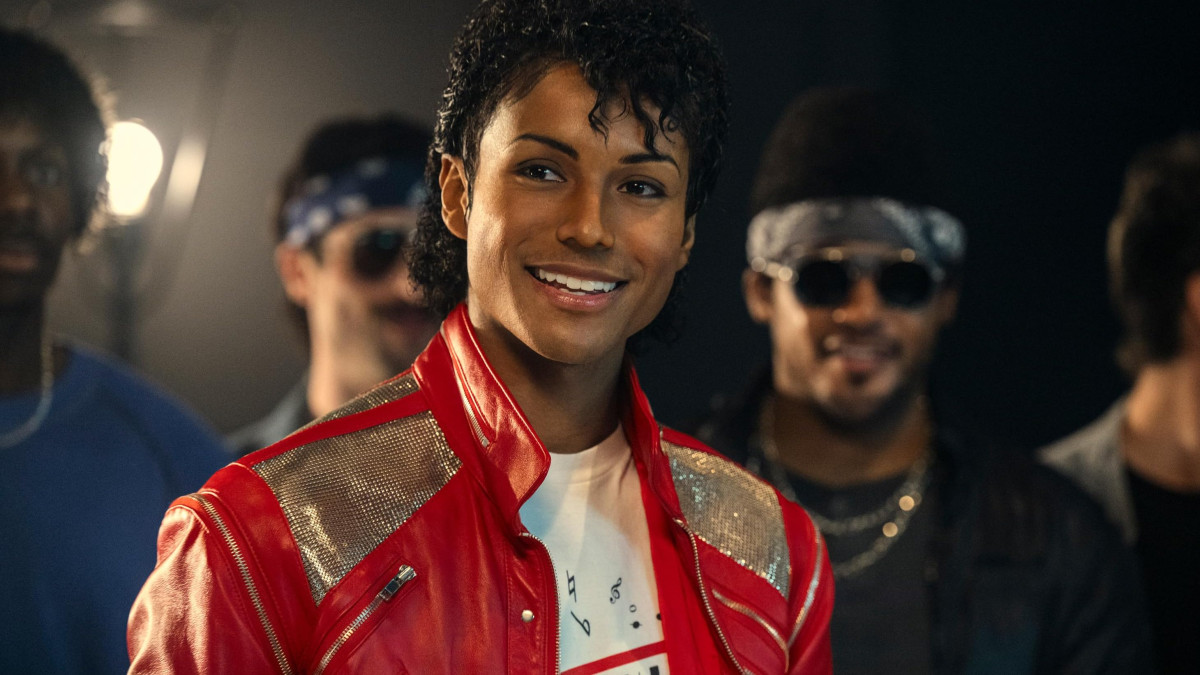
The Michael movie review verdict is in, and it is more complicated than the 26% Rotten Tomatoes score suggests. Antoine Fuqua's long-delayed Michael Jackson biopic, simply titled Michael, hit theaters this weekend with Jaafar Jackson playing his late uncle, and the critical response has been brutal. The BBC gave it one star. Roger Ebert's site called it a filmed playlist in search of a story. Yet early audience reactions on social media have been warmer, ticket pre-sales suggest an $80 million opening, and Variety thought it worked as an engrossing middle-of-the-road biopic. After tracking coverage across more than a dozen outlets over the past 48 hours, I think the honest answer to "should you watch this?" depends almost entirely on what you want from a music biopic, and this guide breaks down exactly what the film delivers, what it skips, and who will actually enjoy sitting through its two-hour-and-nine-minute runtime.
LINE Webtoon's CEO pledged something like twenty anime series from webtoons back in 2025. The fact that we are actually approaching that number is wild to see in real time.
The murim genre getting mainstream anime exposure through Gosu is genuinely exciting for readers of that subgenre. Cultivation and sect culture is so interesting and so rarely adapted for non-Korean audiences.
Fair point about the underdog trope being common, but the twist here is that his inability to cultivate isn't eventually fixed by a secret technique or hidden talent. It stays a limitation he works around creatively. That's actually more interesting than the typical hidden genius reveal.
God of High School's later arcs went off the rails visually though. Power scaling became so abstract the fights stopped being readable. Nano Machine maintains clarity even as the scale grows, which is exactly what GodHS lost.
In a manhwa landscape dominated by dungeon crawling, regression narratives, and power fantasies, The Greatest Estate Developer stands out by asking a simple question: what if the protagonist's greatest weapon wasn't a sword or magic system, but civil engineering knowledge? This bizarre premise transforms into one of the most entertaining, genuinely funny, and surprisingly heartfelt series currently running, proving that innovation in storytelling comes from unexpected places. The series takes the familiar isekai setup where a modern person finds themselves in a fantasy world and completely subverts expectations. Instead of becoming an adventurer or hero, protagonist Kim Suho uses his engineering knowledge to revolutionize construction, infrastructure, and economic development. What sounds like it should be boring becomes absolutely captivating through sharp writing, excellent comedic timing, and genuine passion for showing how infrastructure improves lives.

For the person asking about how much to read before the anime, getting through the first 50 to 60 chapters gives you a solid foundation without spoiling most of the major arcs. The first season will almost certainly adapt that range anyway.
Solo Leveling being the first manhwa anime to win Anime of the Year at the Crunchyroll Awards was a watershed moment. Not just for manhwa but for how the global anime community thinks about Korean storytelling.
Worried this democratization narrative overlooks what it does to professionals. When the tool removes the skill barrier, it also removes the justification for rates that used to compensate for years of learned expertise.
The article mentions 70 percent editing time reduction and I was skeptical until I tracked my own numbers for a month. The actual time savings on a 30-minute interview episode was closer to 65 percent. So yeah, those claims check out.
Honestly the most interesting competitive dynamic right now is not HeyGen versus Synthesia. It is what happens when every major creative platform adds an AI presenter feature natively. That is the existential question for standalone avatar video tools.
The designer-developer relationship has been tense for decades. Designers create pixel-perfect mockups in Figma. Developers translate them to code and somehow everything looks slightly wrong. Fonts don't match. Spacing is inconsistent. Buttons have different corner radiuses. Both sides get frustrated, blame each other, and the product suffers. V0 by Vercel is fixing this problem by generating production-quality React components that look exactly like the designs. The rebrand from v0.dev to v0.app in January 2026 signaled expanded ambitions beyond just UI component generation. Vercel positioned the tool for full-stack web development, though its core strength remains frontend excellence. That strategic clarity matters because trying to be everything often means excelling at nothing. V0 chose to dominate the handoff between design and code before expanding into other areas.

Can we acknowledge that both companies spending over 19 billion dollars combined on infrastructure in a single year means the compute buildout is now an infrastructure crisis as much as a business story? The power grid implications alone are enormous.
Wait, JPMorgan is literally listed as a Project Glasswing partner but Dimon couldn't make it to the meeting? That detail is doing a lot of work in this article.
What happens to the Ray-Ban glasses when this rolls out to the hardware ecosystem? That is where the ambient AI angle gets genuinely interesting and genuinely creepy in equal measure.
Hot take, TikTok is the most honest platform out there right now. At least they are telling you upfront that they can read your messages. Meta spent years pretending to care about E2EE and then quietly rolled it back this spring.