The article is very bullish and I mostly agree, but let us be honest that a lot of these new facilities are being built in politically uncertain regions. Geopolitical risk is real and it cuts both ways.
0
Sign up to see more
SignupAlready a member?
LoginBy continuing, you agree to Sociomix's Terms of Service, Privacy Policy

The article is very bullish and I mostly agree, but let us be honest that a lot of these new facilities are being built in politically uncertain regions. Geopolitical risk is real and it cuts both ways.
Sci-fi demons invading a martial arts world is not a new concept if you've read enough light novels, but the execution here is genuinely fresh.
Calling this one of the most ambitious manhwa-to-anime projects ever when we have zero episode count confirmed is a stretch. The ambition is assumed, not proven yet.
So the illustrator JIN left for mandatory military service and the series has been on hiatus since early 2026 with no confirmed return date yet. That's the part the guide kind of glosses over when talking about following the release schedule.
The art style during demon tech sequences has a completely different visual language than the murim scenes and that's intentional contrast, not inconsistency.
The manhwa community has been buzzing with anticipation ever since MAPPA Studio announced their adaptation of Omniscient Reader's Viewpoint. With a spring 2026 release date confirmed and 24 episodes planned for the first season, this adaptation represents one of the most ambitious manhwa-to-anime projects ever undertaken. But what makes this series so special that it warranted such a massive production commitment? If you're hearing about Omniscient Reader's Viewpoint for the first time or wondering whether the hype is justified, this guide will prepare you for what promises to be one of the biggest anime releases of the year. We'll cover the story premise, why it's captured millions of readers worldwide, what MAPPA's involvement means, and everything else you need to know before the first episode airs

Hot take. The ghostwriter framing is better than any otome isekai setup I can think of because it forces the protagonist into an emotional position that is inherently compromised from the start. He is literally writing someone else's heart.
Doom Breaker is proof that the tower climbing genre still has unexplored territory. People were calling it creatively exhausted two years ago and then this exists.
The article nails it when it talks about combat fatigue being a real problem in long-running series. Nano Machine is well past two hundred chapters and I still get genuinely excited when a new fight starts. That does not happen with most murim series.
The comparison to Hajime no Ippo is interesting but they are almost opposite stories. Ippo is about climbing toward the top through effort and heart. The Boxer is about what happens at the very top when effort is irrelevant.
When a company's revenue jumps from $10 million to $100 million in nine months, you pay attention. When that growth comes from an AI agent that builds entire applications autonomously, you realize something fundamental just changed in software development. Replit Agent represents that change, and the numbers prove developers are ready for it. Replit started as a browser-based coding environment for education. Students could write Python or JavaScript without installing anything locally. Teachers loved it because setup time vanished. But the company saw something bigger. If you could run code in the browser, why not let AI write that code? That question led to Agent 3, an AI that doesn't just suggest code completions. It builds entire applications from scratch.
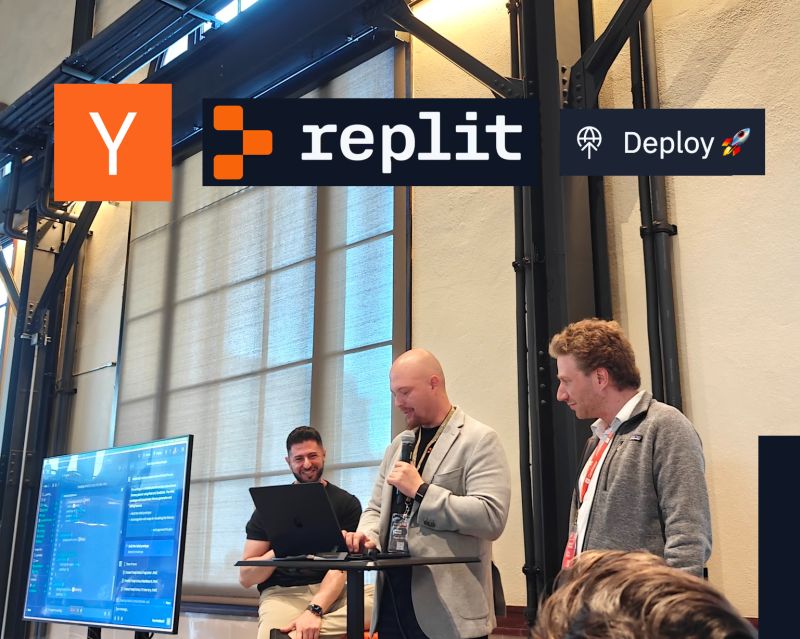
Building the article-mentioned meta-capability aside, what really sells me on the long term story here is that Replit has deployment infrastructure baked in. Writing code is one thing. Shipping it somewhere real without fighting cloud configuration is where most projects go to die.
The designer-developer relationship has been tense for decades. Designers create pixel-perfect mockups in Figma. Developers translate them to code and somehow everything looks slightly wrong. Fonts don't match. Spacing is inconsistent. Buttons have different corner radiuses. Both sides get frustrated, blame each other, and the product suffers. V0 by Vercel is fixing this problem by generating production-quality React components that look exactly like the designs. The rebrand from v0.dev to v0.app in January 2026 signaled expanded ambitions beyond just UI component generation. Vercel positioned the tool for full-stack web development, though its core strength remains frontend excellence. That strategic clarity matters because trying to be everything often means excelling at nothing. V0 chose to dominate the handoff between design and code before expanding into other areas.
What strikes me most is the setting. A historic chapel. A designer honoring his predecessors. A guest with her own complicated relationship to legacy and history. The layers write themselves.
Those black pumps look gorgeous but my feet would be killing me by lunch. Any recommendations for comfortable alternatives?