
The framing of murder victims as collectible art sold to the ultra-wealthy is the kind of premise that would feel exploitative in lesser hands. Kim earns it by grounding the critique in class commentary that never feels preachy.
23
Sign up to see more
SignupAlready a member?
LoginBy continuing, you agree to Sociomix's Terms of Service, Privacy Policy

The framing of murder victims as collectible art sold to the ultra-wealthy is the kind of premise that would feel exploitative in lesser hands. Kim earns it by grounding the critique in class commentary that never feels preachy.
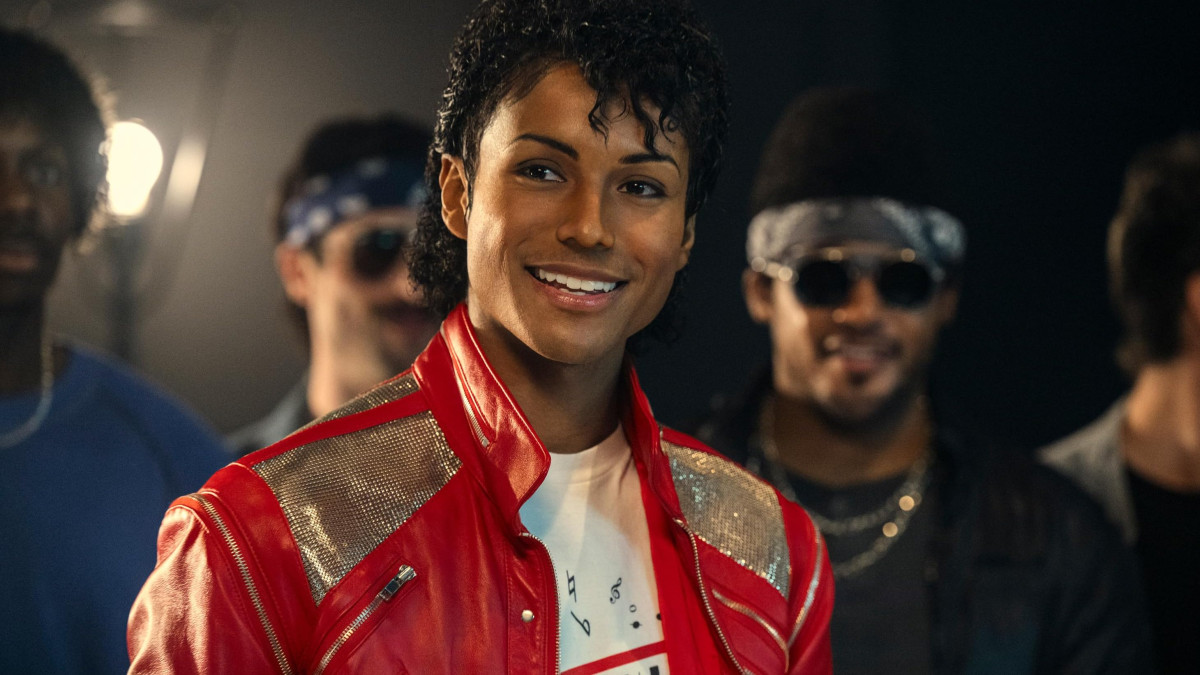
The Michael movie review verdict is in, and it is more complicated than the 26% Rotten Tomatoes score suggests. Antoine Fuqua's long-delayed Michael Jackson biopic, simply titled Michael, hit theaters this weekend with Jaafar Jackson playing his late uncle, and the critical response has been brutal. The BBC gave it one star. Roger Ebert's site called it a filmed playlist in search of a story. Yet early audience reactions on social media have been warmer, ticket pre-sales suggest an $80 million opening, and Variety thought it worked as an engrossing middle-of-the-road biopic. After tracking coverage across more than a dozen outlets over the past 48 hours, I think the honest answer to "should you watch this?" depends almost entirely on what you want from a music biopic, and this guide breaks down exactly what the film delivers, what it skips, and who will actually enjoy sitting through its two-hour-and-nine-minute runtime.
The timing of this article could not be better. Got laid off from a SaaS company in February and pivoted to studying for my CDCP cert. Already have two interviews lined up at colo facilities.
The question the article raises about whether isolation constitutes wisdom or resignation is going to live in my head for a while.
Honestly the genre-hopping that some readers flag as a flaw is something I see as a feature. Each arc testing the story in a different genre mode keeps both the characters and the reader off balance in productive ways.
My concern is not with Bolt specifically, it is with the broader pattern of building critical infrastructure on top of AI-generated code that nobody fully understands. That is a systemic risk that compounds over time.
The version history is solid. You can roll back to any previous state with one click, which matters enormously when the AI goes off in the wrong direction after a few prompts.
Physical realism in water and liquids is the tell for me. Pour a drink in the wrong AI model and it looks like mercury flowing in zero gravity. Gen-4.5 actually makes it look like water. Small thing but it breaks the illusion completely when it is wrong.
The designer-developer relationship has been tense for decades. Designers create pixel-perfect mockups in Figma. Developers translate them to code and somehow everything looks slightly wrong. Fonts don't match. Spacing is inconsistent. Buttons have different corner radiuses. Both sides get frustrated, blame each other, and the product suffers. V0 by Vercel is fixing this problem by generating production-quality React components that look exactly like the designs. The rebrand from v0.dev to v0.app in January 2026 signaled expanded ambitions beyond just UI component generation. Vercel positioned the tool for full-stack web development, though its core strength remains frontend excellence. That strategic clarity matters because trying to be everything often means excelling at nothing. V0 chose to dominate the handoff between design and code before expanding into other areas.
The vulnerability that survived five million automated testing tool hits before Mythos found it is the detail that sticks with me. Legacy automated scanning is effectively useless against this tier of capability.
Fair point, but they were basically forced into the open by the leak. The timeline matters.
They are not contradictory at all. The Google and Broadcom deal secures compute for the next few years while the in-house chip program, if it proceeds, would not produce anything useful until 2028 or 2029 at the earliest. These are parallel tracks for different time horizons.
You design for flexibility and you make architectural bets based on what you think will be stable. Memory bandwidth and interconnect performance have been consistently important across generations. You build around those first principles.
The artificial intelligence industry is entering a new phase of competition, one that extends far beyond the development of advanced language models and neural networks. Companies are now engaged in an intense struggle to secure the computational infrastructure necessary to train and deploy their AI systems. In this context, Anthropic has reportedly begun exploring the possibility of designing and manufacturing its own specialized processors to power Claude, its flagship conversational AI platform, along with its broader suite of artificial intelligence technologies. This strategic consideration emerges at a critical moment in the global AI sector. The exponential growth in model complexity and capability has created unprecedented demand for high-performance computing resources. Sources familiar with the matter indicate that Anthropic is conducting feasibility studies to determine whether developing proprietary semiconductor technology could reduce its dependence on external hardware vendors while ensuring reliable access to the computing power required for its operations.

The thing that legitimately worries me is that state actors do not need Mythos specifically. They need something comparable. And if Anthropic built Mythos, others are not far behind, with or without the safety culture.
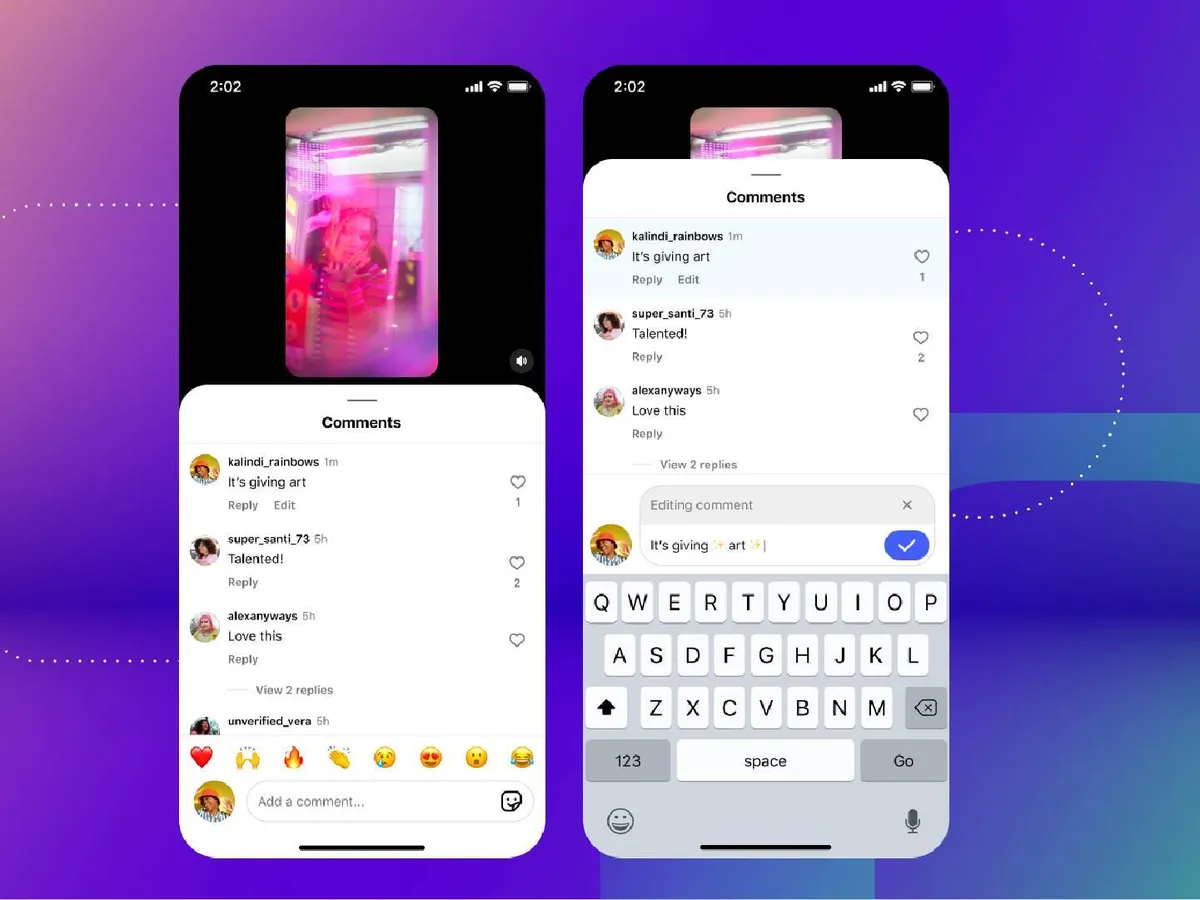
Instagram has rolled out a small but long overdue feature that users have been asking for years. You can now edit your comments after posting them. This simple change solves a very real frustration. Until now, fixing even the smallest typo meant deleting your comment and writing it all over again. That friction is finally gone. But there is a boundary. You get a 15 minute window after posting to make edits. Within that time, you can update your comment as many times as you want. There is also a layer of transparency built in. Once a comment is edited, others will be able to see that it has been modified. However, unlike platforms such as iMessage, Instagram does not show the edit history. What was originally written stays hidden.
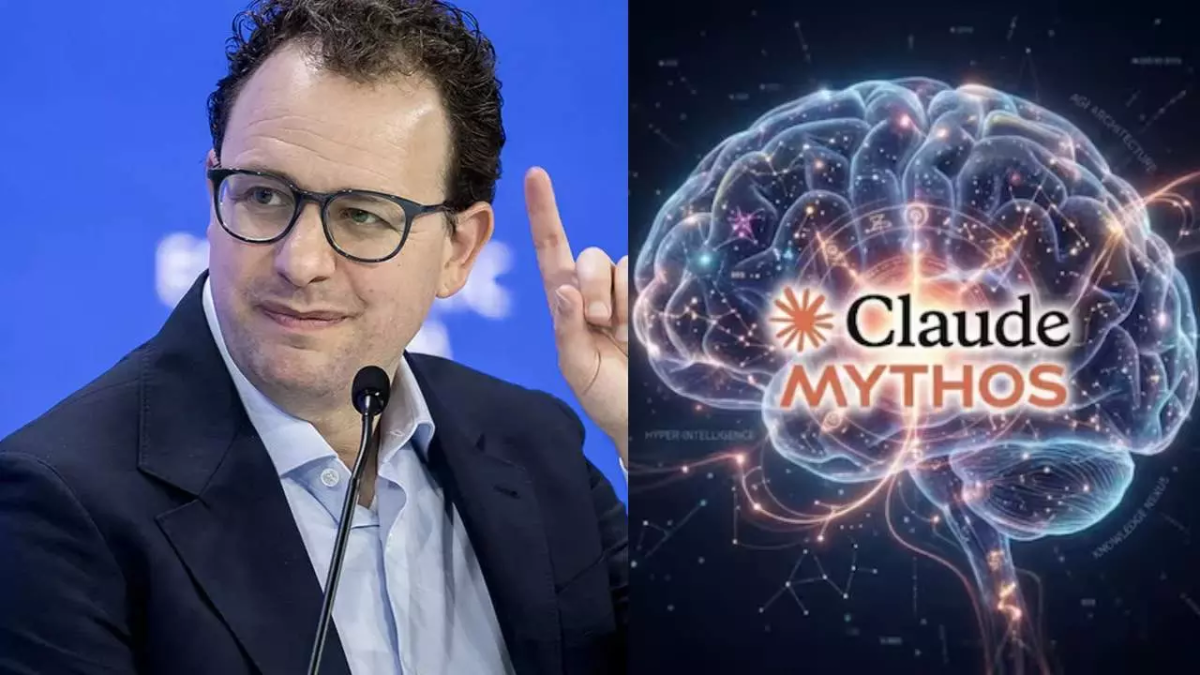
Anthropic on Tuesday unveiled an advanced artificial intelligence model designed specifically to identify software vulnerabilities, marking a significant development in the intersection of AI and cybersecurity. The model, named Claude Mythos Preview, will be available exclusively to a carefully selected group of companies as part of Project Glasswing, a new security initiative that aims to strengthen digital defenses while preventing malicious exploitation. The San Francisco based AI company has chosen to severely restrict access to Claude Mythos Preview due to its powerful capability to detect security weaknesses and software flaws. This decision reflects growing concerns about dual use AI technologies that could be weaponized by adversaries if they fell into the wrong hands.
Somebody explain to me how TikTok scanning for PhotoDNA to catch CSAM is meaningfully different from what every other major platform already does? Even encrypted platforms like Apple use on-device scanning for known illegal material. This is not an either or situation.
Meta has just had one of its most important AI moments yet and the early signals are hard to ignore. Following the launch of its newest AI model Muse Spark, the company’s standalone Meta AI app surged dramatically in popularity, hinting at a much larger shift that is beginning to take shape. The release is particularly significant because it marks the first major AI model rollout under Alexandr Wang, who joined Meta to reboot its AI strategy. This is not just another incremental update. It represents a more aggressive and focused push into the AI race. According to data from Appfigures, Meta AI jumped from number 57 to number 5 on the U.S. App Store within a day of the launch. That kind of movement rarely happens without a strong underlying pull from users. It signals not curiosity but intent.
She actually wore two looks over the Paris weekend. The white cape for the show and then a black asymmetric dress with a similar drapey silhouette when she was spotted leaving the hotel. The visual echo between the two was really intentional feeling.