The term brain wealth feels a little too market friendly for my taste but I can't argue with the underlying framework. Proactive, compounding investment in cognitive health is just good strategy regardless of what you call it.
24
Sign up to see more
SignupAlready a member?
LoginBy continuing, you agree to Sociomix's Terms of Service, Privacy Policy
The term brain wealth feels a little too market friendly for my taste but I can't argue with the underlying framework. Proactive, compounding investment in cognitive health is just good strategy regardless of what you call it.
Saying Gosu needs to distinguish itself in a crowded martial arts anime landscape is true but also dismisses how much the murim setting distinguishes itself by default from Japanese martial arts frameworks.
Four billion dollar company, UK based, founded in 2017. This is the kind of story that should be getting more attention as proof that European AI startups can compete at global scale.
The private sharing feature for paid plans solves a real problem I didn't know I had. Being able to share a working prototype with clients via a private link without exposing the project files is exactly the right level of control.
In a manhwa landscape dominated by dungeon crawling, regression narratives, and power fantasies, The Greatest Estate Developer stands out by asking a simple question: what if the protagonist's greatest weapon wasn't a sword or magic system, but civil engineering knowledge? This bizarre premise transforms into one of the most entertaining, genuinely funny, and surprisingly heartfelt series currently running, proving that innovation in storytelling comes from unexpected places. The series takes the familiar isekai setup where a modern person finds themselves in a fantasy world and completely subverts expectations. Instead of becoming an adventurer or hero, protagonist Kim Suho uses his engineering knowledge to revolutionize construction, infrastructure, and economic development. What sounds like it should be boring becomes absolutely captivating through sharp writing, excellent comedic timing, and genuine passion for showing how infrastructure improves lives.

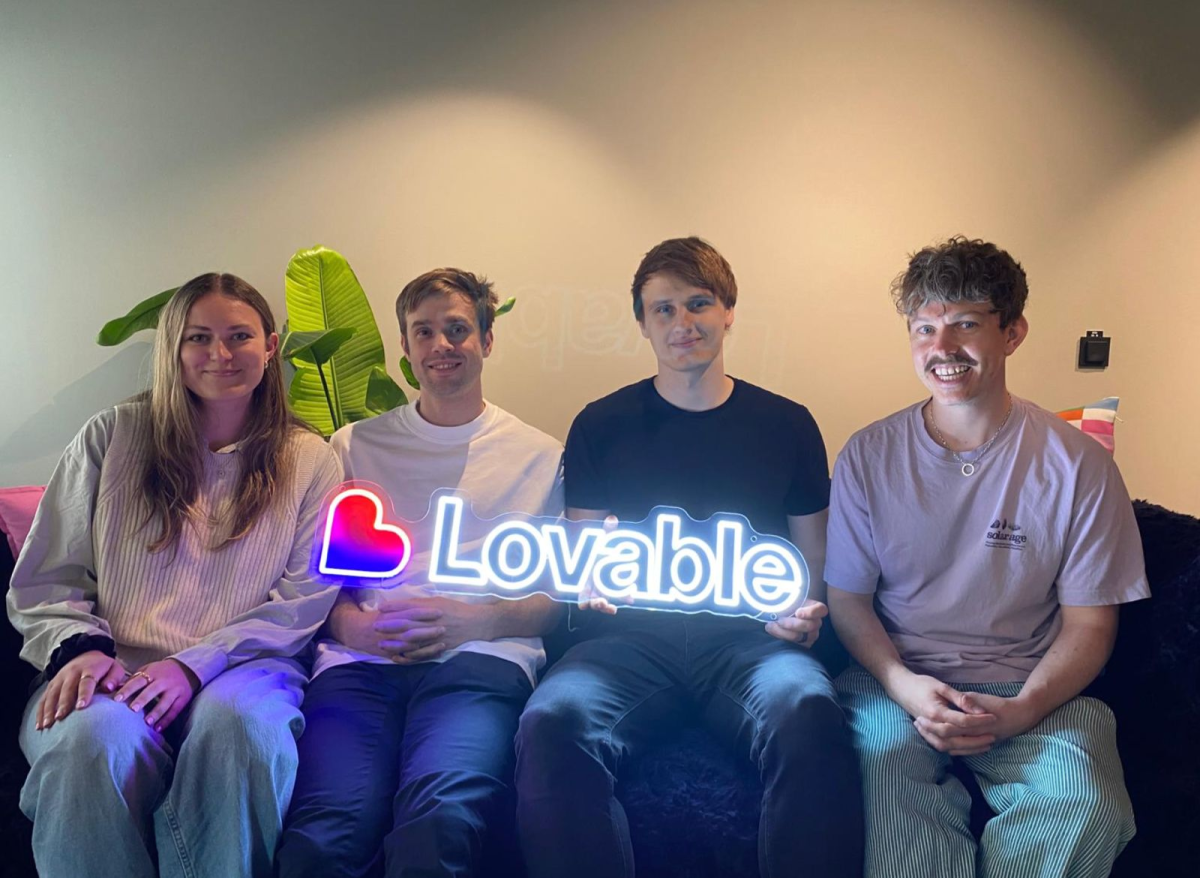
The software development world just witnessed something unprecedented. A European startup called Lovable reached $20 million in annual recurring revenue in just two months, making it potentially the fastest-growing startup in European history. But here's the twist that's making traditional software agencies nervous: they did it by giving non-technical founders the power to build full-stack applications without writing a single line of code. For years, the promise of no-code tools has been the same: anyone can build an app. But the reality has always been different. You'd create a beautiful frontend, get excited about your progress, and then hit the technical cliff. Suddenly you needed to configure databases, set up authentication, manage API keys, and deploy to servers. The "no-code" dream became a "hire-a-developer-anyway" nightmare.
Muse Spark being the first in the Muse series with larger models already in development tells you the real bet is on what comes next, not this release. This is validation of the architecture, not the final destination.
Meta has just had one of its most important AI moments yet and the early signals are hard to ignore. Following the launch of its newest AI model Muse Spark, the company’s standalone Meta AI app surged dramatically in popularity, hinting at a much larger shift that is beginning to take shape. The release is particularly significant because it marks the first major AI model rollout under Alexandr Wang, who joined Meta to reboot its AI strategy. This is not just another incremental update. It represents a more aggressive and focused push into the AI race. According to data from Appfigures, Meta AI jumped from number 57 to number 5 on the U.S. App Store within a day of the launch. That kind of movement rarely happens without a strong underlying pull from users. It signals not curiosity but intent.
Hot take, the platforms with E2EE actually have stronger safety cultures in my experience because they have had to develop better community tools and on-device detection since they cannot rely on server-side scanning as a crutch.
Real talk, the idea that platforms are moving toward AI that proactively guides users toward healthier interactions sounds nice in a press release and terrifying in practice. Who decides what a healthy interaction looks like?
I'm wondering if I could wear this to my cousin's bridal shower next month. Do you think the blush pink would be appropriate or too close to white?
I've got wider hips - do you think this style skirt would be flattering on my body type? I love how it flows!
I'm obsessed with how the green plaid works with those striped shoes. Has anyone tried mixing patterns like this before?