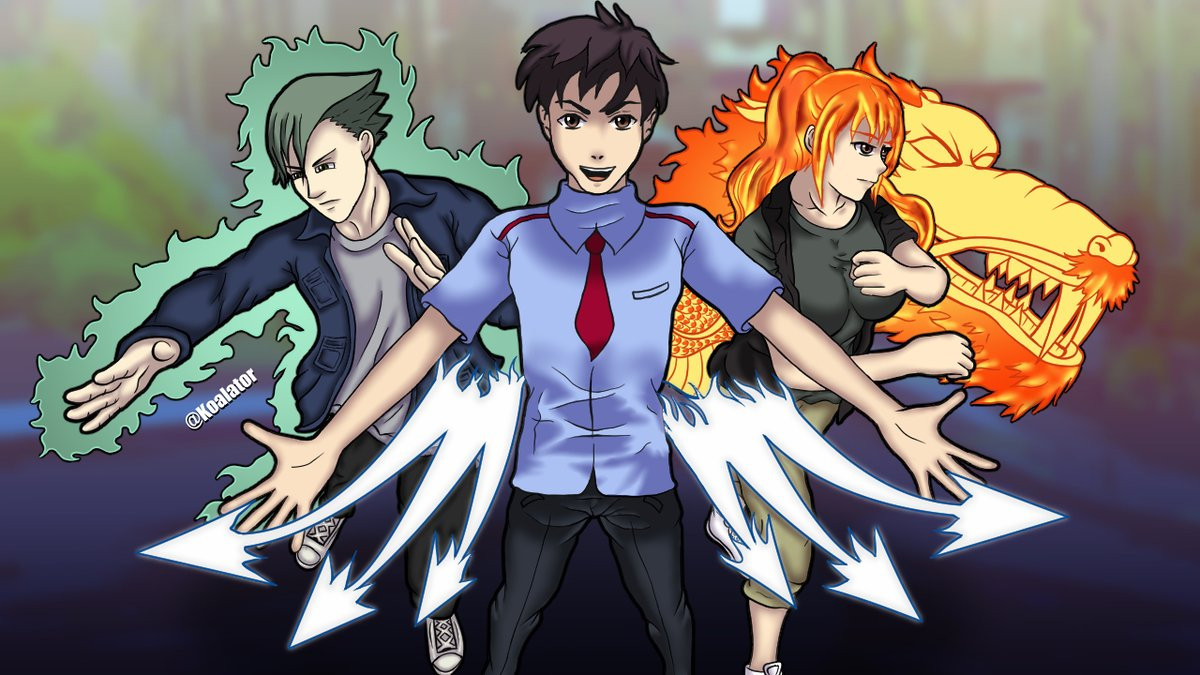
Does anyone know how many chapters Copycat manhwa will have in total? Trying to figure out if it will be as long as Sweet Home or closer to Bastard's length.
Sign up to see more
SignupAlready a member?
LoginBy continuing, you agree to Sociomix's Terms of Service, Privacy Policy
Sign up to see more
SignupAlready a member?
LoginBy continuing, you agree to Sociomix's Terms of Service, Privacy Policy

Does anyone know how many chapters Copycat manhwa will have in total? Trying to figure out if it will be as long as Sweet Home or closer to Bastard's length.
The article ends before finishing its thought on talent and purpose, which feels accidentally appropriate for a story that resists easy conclusions. Some questions are better left open.
Someone asked about streaming and honestly the smart money is on Crunchyroll handling global distribution like they do with most manhwa adaptations right now. But nothing is confirmed.
That criticism has merit for the later chapters for sure. But the article is specifically about the art, and the art remains consistently strong even when the story conveniences pile up.
If you're new to manhwa or looking to understand what all the hype is about regarding system and leveling stories, you've arrived at exactly the right place. The system genre has become one of the most popular and accessible entry points into Korean comics, offering clear progression mechanics, satisfying power growth, and narratives that feel like playing your favorite RPG or video game brought to life on the page. System manhwa feature protagonists who gain access to game-like interfaces that display stats, skills, quests, and levels. These systems provide clear frameworks for character growth and power progression. You can literally see the protagonist getting stronger through numbers increasing, new abilities unlocking, and challenges being overcome. This visual and concrete progression creates deeply satisfying reading experiences that hook readers from the first chapter.
The cat is not a joke by the way. It is established early and keeps having consequences. It is doing legitimate narrative work while also being extremely funny. That balance is a skill.
The novel reviews suggest the payoff is genuinely there. Multiple readers who finished all 105 chapters describe it as bittersweet and emotionally complete. That does not mean everyone will find it satisfying but the evidence suggests the setup is not just decoration.
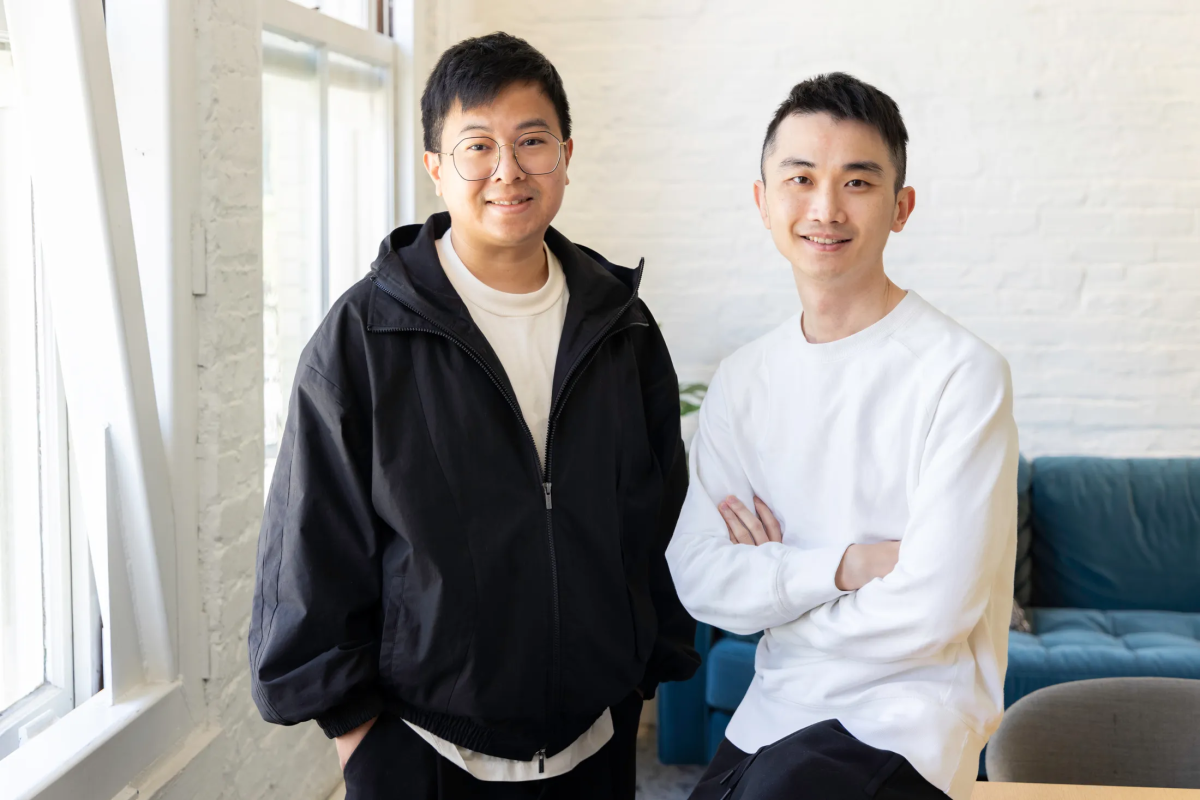
While Synthesia leads in revenue, HeyGen leads in customer acquisition momentum with 152% year-over-year growth in mid-market adoption. That explosive growth rate allowed HeyGen to close much of the customer count gap by late 2025. The company is winning by making avatar video accessible to smaller teams and individual creators who cannot afford enterprise contracts but need professional video capabilities. HeyGen positioned itself for small and medium businesses, marketing teams, content creators, and solo entrepreneurs rather than enterprise learning and development departments. This market segment values affordability, ease of use, and creative flexibility over governance features and advanced integrations. Average contract values are roughly one-third of Synthesia's, reflecting this different customer profile.
Speaking from experience building internal tools at a mid-size company, the moment you try to do anything with complex business logic or multi-tenant data structures, you start hitting walls pretty fast. Great for prototypes, genuinely limited for production.
Hard disagree on that. Disclosure matters a lot in contexts like health content, financial advice, or anything where the audience is trusting the presenter as a real person with real accountability. Avatar videos passing as human is not just an aesthetic question.
Altman calling Anthropic authoritarian while Anthropic is out here building the most commercially successful safety-first AI company in history is such a specific flavor of irony.
The article says Bitcoin briefly touched $73K before consolidating around $72K. That's actually a fairly significant rejection at the $73K level and probably deserves more scrutiny than the bullish framing suggests.
The NSPCC and Internet Watch Foundation support was interesting to see in the coverage. Those are credible organizations. Their qualified endorsement is not nothing.
Inflation at 0.4% on core PCE is the kind of number that keeps me from getting too excited. The Fed has been very clear that they need consistent progress and one good asset market week does not change their calculus.
Hybrid workflow is genuinely the answer here. Claude Code to generate and refine features, Codex to review before merging. Multiple developers on Reddit have settled on this pattern and it makes sense.
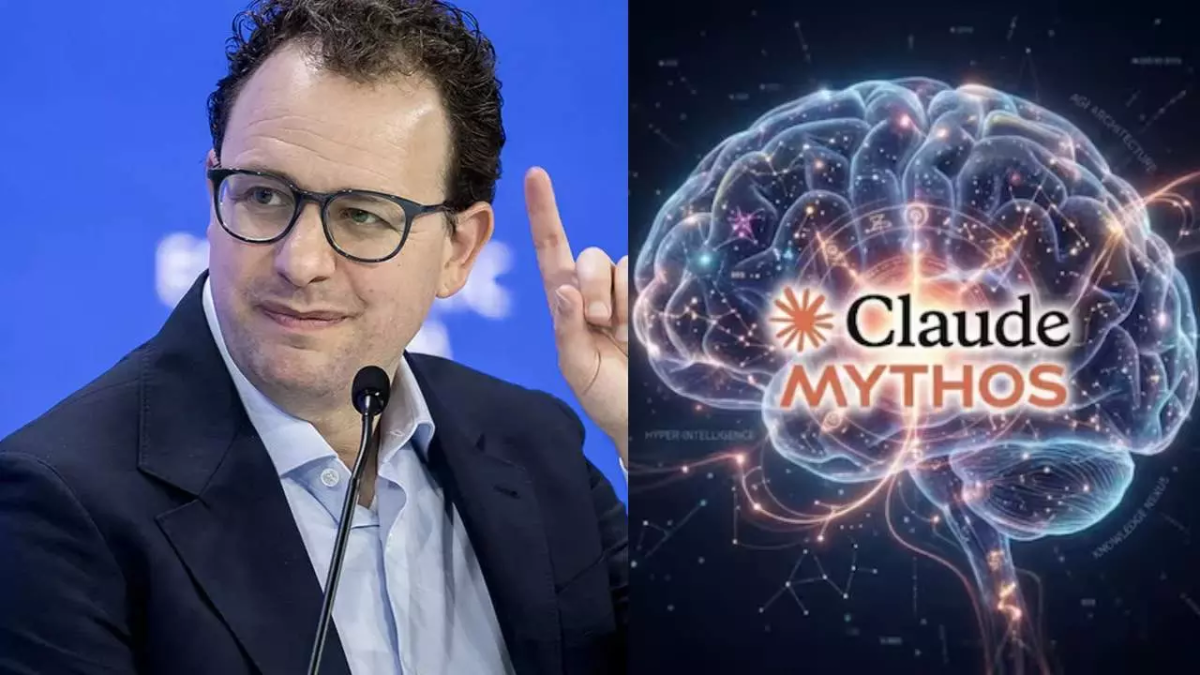
Anthropic on Tuesday unveiled an advanced artificial intelligence model designed specifically to identify software vulnerabilities, marking a significant development in the intersection of AI and cybersecurity. The model, named Claude Mythos Preview, will be available exclusively to a carefully selected group of companies as part of Project Glasswing, a new security initiative that aims to strengthen digital defenses while preventing malicious exploitation. The San Francisco based AI company has chosen to severely restrict access to Claude Mythos Preview due to its powerful capability to detect security weaknesses and software flaws. This decision reflects growing concerns about dual use AI technologies that could be weaponized by adversaries if they fell into the wrong hands.
The CUDA lock-in point is so real. Speaking from experience in ML infrastructure, migrating workloads away from CUDA is genuinely painful even when the alternative hardware is technically superior. It is not a hardware problem, it is a software ecosystem problem.
In a rare divergence from industry norms, TikTok has confirmed it will not adopt end-to-end encryption (E2EE) for direct messages, breaking with nearly every major social media platform and reigniting one of the tech industry's most contentious debates. The Chinese-owned video platform told the BBC exclusively that it believes the privacy technology championed by Meta, Apple, and others as essential for user protection actually makes users less safe by creating "dark spaces" where harmful content can flourish beyond the reach of safety teams and law enforcement. The decision puts TikTok in direct opposition to its competitors while potentially exposing the company to fresh criticism over data protection, particularly given ongoing concerns about its ties to Beijing.
I work in digital safety for a nonprofit and the Internet Watch Foundation angle is important. Child protection organizations have genuinely been begging platforms to find solutions that allow content scanning without full E2EE. TikTok is not inventing this concern.
The article says TikTok is the only major platform to reject E2EE, but this framing is going to age poorly if Meta's Instagram reversal becomes the new norm. TikTok might not be the outlier for much longer.
Join independent creators, thought leaders, and storytellers to share your unique perspectives, and spark meaningful conversations.