Friendsmas Isn't Replacing Family Christmas, It's Fixing What Family Christmas Broke

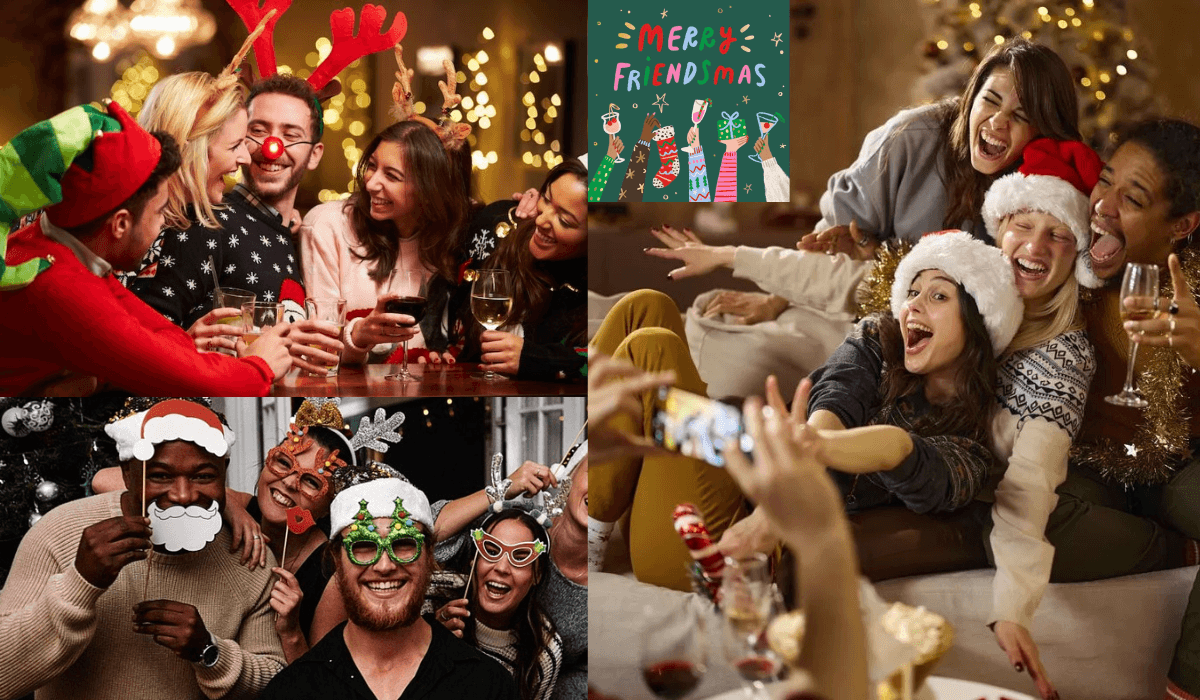
Nearly three-quarters of British adults now celebrate Friendsmas, with Gen Z leading a generational shift that older relatives find baffling or even offensive. Critics worry about traditions crumbling and family bonds weakening. But they're missing the point entirely.
Friendsmas isn't destroying Christmas. It's rescuing the holiday's actual purpose from the obligations, tensions, and forced performances that traditional family gatherings have become. Rather than abandoning connection, younger generations are choosing to celebrate with people who actually make them feel connected. That's not cultural decay. That's evolution toward something more honest.
The Obligations We Stopped Pretending to Enjoy
Traditional family Christmas operates on a specific script that most people could recite from memory. You travel to parents' or grandparents' homes regardless of distance or expense. You spend days with relatives you see once annually, making small talk and avoiding controversial topics. You exchange gifts with people whose interests you barely know. You eat specific foods prepared specific ways while pretending to care deeply about recipes and traditions you'd never choose independently.
The entire enterprise runs on obligation disguised as joy. We tell ourselves these gatherings matter because they're supposed to matter, because previous generations did them, because family is important. But somewhere along the way, many of these celebrations became performances of connection rather than actual connection. You show up, play your role, survive the tensions and microaggressions and political arguments, then leave exhausted and relieved.
Gen Z and younger millennials increasingly refuse this charade. Forty-five percent of Gen Z adults plan to celebrate Friendsmas, with many considering it equal to or more important than traditional family Christmas. They're not rejecting connection or tradition. They're rejecting the specific obligation to perform affection they don't feel while tolerating people whose values fundamentally clash with their own.
The older generation's horrified response reveals the threat this poses. If family gatherings only happen because of obligation, what happens when younger people decide obligation isn't enough? The answer: they create new traditions based on genuine affection rather than genetic proximity. They choose their family instead of defaulting to the one they were born into.
What We Actually Want From Holiday Celebrations
Research shows people celebrate Friendsmas for reasons that sound suspiciously like what Christmas is supposedly about. They want to relax with people they genuinely enjoy. They want to avoid family tensions and judgment. They want to create memories in low-pressure environments where they can be themselves rather than performing acceptable versions for relatives.
Women particularly report finding Friendsmas less stressful than traditional family Christmas. This isn't surprising. Women typically shoulder the emotional labor of family gatherings, managing everyone's feelings, preparing meals, orchestrating gift exchanges, and smoothing over conflicts. Friendsmas distributes that labor more evenly through potluck dinners and shared planning while removing the specific stress of navigating family dynamics and meeting impossible expectations.
The activities people choose for Friendsmas reveal what we actually want from holiday celebrations: watching movies together, sharing meals, playing games, going to Christmas markets. Simple activities centered on enjoying each other's company. No elaborate gift obligations. No fraught conversations about when you're getting married or why you changed careers or whether you're raising your children correctly. Just people who like each other spending time together.
This sounds remarkably like what Christmas was supposedly always about before it became commercialized performance. Connection. Joy. Celebration. Rest. Everything traditional family Christmas claims to provide but often doesn't, especially for people whose families make them feel judged, misunderstood, or actively unwelcome.

The Generational Divide That Reveals Everything
Only 13 percent of over-65s celebrate Friendsmas compared to 40 percent of under-35s. This isn't just about young people being trendy or self-centered. It reflects fundamentally different understandings of what family means and what obligation requires.
Boomers and older generations were raised with clear hierarchies and expectations. You respected elders regardless of whether they earned respect. You maintained family connections regardless of whether those connections felt healthy or reciprocal. You showed up because showing up was what family meant. Questioning these obligations was itself seen as moral failing.
Younger generations were raised with different values. They were told to set boundaries, prioritize mental health, and surround themselves with people who support rather than diminish them. They learned that blood relation doesn't automatically confer the right to someone's time and emotional energy. They internalized that chosen family can be more meaningful than biological family.
When these generations collide over Friendsmas, they're arguing about fundamentally different worldviews. Older relatives see younger people abandoning duty and tradition. Younger people see themselves finally honoring their actual values rather than performing values they don't hold. Both are right from their own perspectives. But only one perspective allows for the possibility that family gatherings should make participants feel good rather than just fulfill obligation.
Why This Threatens Traditional Power Structures
The panic about Friendsmas isn't really about preserving tradition or protecting family bonds. It's about maintaining control and hierarchy. Traditional family Christmas gives older generations leverage. If you want to participate in family celebrations, you must accept the terms set by whoever hosts. You must tolerate their politics, religion, and lifestyle judgments. You must perform gratitude for their generosity in allowing you to visit.
This dynamic preserves generational authority. Parents and grandparents remain gatekeepers of family connection, dispensing access and approval to younger relatives who comply with expectations. The threat of being excluded from family gatherings keeps people in line, forces them to suppress authentic selves, pressures them to maintain relationships that may be actively harmful.
Friendsmas destroys this leverage completely. If you know you can create meaningful holiday celebrations without family involvement, you don't need to tolerate behavior that makes you miserable. You don't have to smile through racist jokes, homophobic comments, or invasive questions about your life choices just to avoid spending Christmas alone. You have alternatives.
This shift terrifies people whose primary relationship to power comes through family hierarchy. If younger relatives don't need traditional family Christmas, those relatives gain the freedom to set boundaries, demand respect, and walk away from interactions that harm them. The obligation that kept families together despite fundamental incompatibility dissolves, replaced by voluntary association based on mutual respect and genuine affection.
The Chosen Family Revolution
What critics miss is that Friendsmas participants aren't abandoning family. They're expanding the definition. Sociology research shows friendships increasingly provide the same emotional bonds previously associated exclusively with biological family. Younger generations describe friends as "chosen family," relationships built on shared values and mutual support rather than genetic accident.
This represents profound cultural shift. For most of human history, family meant blood. You were stuck with whoever you were born to, and maintaining those connections was essential for survival. Modernity freed us from that necessity. We can now build support networks based on compatibility rather than proximity. We can choose who gets intimate access to our lives rather than defaulting to relatives.
Friendsmas celebrates this freedom. It says that the people who know you best, support you most consistently, and make you feel most yourself deserve prominent roles in your most important celebrations. It suggests that authentic connection matters more than maintaining appearances or honoring obligations to people who've never really tried to understand you.
For people whose biological families are supportive and loving, this shift poses no threat. They're welcome to maintain traditional celebrations that genuinely bring joy. But for people whose families are toxic, judgmental, or simply incompatible with who they've become, Friendsmas offers liberation. It says you don't have to choose between holiday celebration and emotional wellbeing. You can have both.
The Money Conversation Nobody Wants to Have
Friendsmas also solves the financial nightmare that Christmas has become. Traditional family gatherings involve enormous expense. Travel during peak holiday season. Hotels or cramped sleeping arrangements. Gifts for extended family members you barely know. Pressure to match others' spending despite different financial circumstances. The whole enterprise can cost hundreds or thousands of dollars that many people don't have.
Friendsmas typically costs around 86 dollars per person, split among five friends. That's manageable. Participants often do potluck meals, Secret Santa exchanges with modest limits, or skip gifts entirely in favor of shared experiences. Nobody's mortgaging their financial future to participate. Nobody feels pressured to buy elaborate presents to prove their love. The focus shifts from consumption to connection.
This economic dimension matters enormously but rarely gets discussed. Family gatherings often involve hidden class tensions. Wealthier relatives can afford generous gifts and elaborate hosting. Less wealthy relatives struggle to reciprocate, creating resentment and shame. Friendsmas among people with similar financial situations eliminates this dynamic entirely. Everyone contributes what they can, nobody feels judged, and the celebration happens regardless of individual budgets.
The fact that younger generations embrace this more economical approach reflects not just different values but different economic realities. They face housing crises, student debt, and wage stagnation that previous generations didn't experience. Traditional Christmas's consumer excess feels both financially impossible and morally questionable. Friendsmas offers an alternative that aligns with both their values and their bank accounts.
What Gets Lost and What Gets Gained
Critics are right that something gets lost when Friendsmas replaces or supplements traditional family gatherings. Connections with extended family may weaken. Family traditions may die out. Grandparents may see grandchildren less frequently. These losses are real and deserve acknowledgment.
But what gets gained deserves equal consideration. Mental health improves when people aren't forced into situations that trigger anxiety or depression. Authenticity increases when you can celebrate with people who know and accept your actual self. Joy becomes possible when gatherings center on mutual enjoyment rather than forced obligation. And crucially, the relationships that do continue become healthier because they're chosen rather than mandatory.
Families that adapt to this shift by making their gatherings genuinely welcoming will maintain connections. Parents and grandparents who respect boundaries, accept their children as they are, and create environments where everyone feels comfortable will still see their relatives during holidays. The difference is those relatives will come because they want to, not because they feel they must.
Families that refuse to adapt, that demand compliance with their values and refuse to respect different choices, may indeed see less of younger relatives. But that's not Friendsmas's fault. That's the natural consequence of relationships built on control rather than love. Younger generations are simply refusing to sacrifice their wellbeing to maintain connections that hurt them. That's not selfishness. That's self-preservation.
The Future of Holiday Traditions
Friendsmas won't replace family Christmas entirely. Most people celebrating Friendsmas still also attend some family gatherings. The innovation is recognizing that you can do both, that holidays can accommodate multiple celebrations serving different purposes. December 20 has emerged as the preferred Friendsmas date, giving people time to celebrate with friends before traveling for family obligations.
This both/and approach rather than either/or thinking represents mature evolution. Rather than completely abandoning family traditions, younger generations are supplementing them with additional celebrations that better meet their needs. They're creating new traditions while maintaining (carefully curated) old ones. They're building holiday experiences that honor multiple important relationships rather than forcing everything into one fraught gathering.
What we're witnessing isn't tradition's death but its evolution. Traditions aren't fixed eternal practices. They've always changed as cultures and values shift. Scottish people once celebrated Hogmanay rather than Christmas. Japanese people now eat KFC for Christmas despite having no Christian tradition. Every generation adapts holidays to serve contemporary needs while maintaining continuity with the past.
Friendsmas fits this pattern perfectly. It preserves Christmas's core values of connection, celebration, and gratitude while adapting the specific form to serve modern life. It acknowledges that family structure has changed, that geographic mobility is normal, that diverse lifestyles deserve respect. It refuses to sacrifice wellbeing for appearance while maintaining genuine connection with chosen community.
The Permission We All Need
Perhaps Friendsmas's greatest gift is permission. Permission to prioritize your mental health over family obligation. Permission to build celebrations that actually bring you joy rather than stress. Permission to define family by quality of relationship rather than genetic proximity. Permission to say that sometimes friends understand you better than relatives ever will.
This permission threatens people invested in traditional power structures, which is why resistance has been so intense. But for people suffocated by obligation, judgment, and performance, this permission feels like breathing after years underwater. It says you're allowed to want things to be different. You're allowed to create traditions that actually serve you. You're allowed to celebrate holidays in ways that genuinely feel celebratory.
The older generation worrying about Friendsmas destroying family bonds should consider what kinds of bonds are worth preserving. If relationships only exist because of obligation, are they actually relationships? If gatherings only happen because people feel they must attend, are they actually celebrations? If family connection requires younger generations to suppress their authentic selves, is that connection worth having?
Why I'm Convinced This Shift Is Overdue
I'll be honest: watching the panic about Friendsmas has been simultaneously amusing and revealing. The outrage tells you everything you need to know about whose interests traditional Christmas serves. When older generations mourn the loss of obligation-based gatherings, they're mourning their ability to command attendance regardless of whether they've earned it through actually being good company.
I've watched too many friends endure Christmas gatherings that leave them depleted, anxious, or actively traumatized. LGBTQ friends subjected to misgendering and lectures about lifestyle choices. Friends of color forced to smile through racist comments from relatives who "don't mean anything by it." Women interrogated about their bodies, relationships, and reproductive choices. People whose political or religious evolution has made them unrecognizable to families who refuse to accept change.
These people don't owe their families continued participation in these rituals. They don't owe anyone the performance of joy when what they actually feel is dread. The radical act isn't celebrating with friends instead of family. The radical act is admitting that some family relationships aren't worth preserving in their current form, and that's okay.
What strikes me most about Friendsmas is how it reveals what we've always known but been too polite to say: many traditional family Christmases are terrible. They're expensive, stressful, emotionally exhausting performances of connection that rarely involve actual connection. We've been collectively pretending otherwise because admitting the truth felt like moral failure. Friendsmas gives us permission to stop pretending.
I also think there's something deeply healthy about younger generations refusing to accept relationships that harm them simply because "that's family." The boundary-setting and prioritization of mental health that Boomers criticize as selfishness is actually emotional maturity. It's recognizing that you can't pour from an empty cup, that you can't maintain connections that require suppressing your authentic self, that preservation of appearance isn't worth the cost to your wellbeing.
The families freaking out about Friendsmas should be asking themselves why their younger relatives prefer friends' company to theirs. If the answer involves political arguments, judgment, invasive questions, or general disrespect, the problem isn't Friendsmas. The problem is behavior that makes people feel unwelcome in spaces that supposedly celebrate love and connection.
The Future I Actually Want to See
Friendsmas suggests a different possibility. That holidays can center genuine affection rather than obligation. That celebrations can actually be celebratory rather than endurance tests. That family bonds worth preserving will survive the shift to voluntary participation, while bonds built only on control and guilt will naturally dissolve.
Here's what I hope happens: families who genuinely want to see their younger relatives will adapt. They'll create welcoming environments where people feel accepted. They'll respect boundaries and different life choices. They'll recognize that maintaining connection requires effort from all parties, not just compliance from younger generations. These families will continue having meaningful gatherings because people actually want to attend.
Families that refuse to adapt will see less of their relatives, and frankly, that's exactly as it should be. If you can't be bothered to treat your children or grandchildren with basic respect, you don't deserve the privilege of their company. If you insist on wielding family obligation as a weapon to control behavior you disapprove of, you'll discover that weapon has lost its power. And when you're spending Christmas alone because you prioritized being right over being kind, you'll have only yourself to blame.
The beauty of Friendsmas is that it redistributes power in relationships where power has been badly imbalanced. It says that connection is a two-way street, that obligation without reciprocity isn't sustainable, that respect must be mutual or the relationship isn't worth having. These truths apply to all relationships, but we've had a collective blind spot about family. Friendsmas forces us to remove that blind spot and evaluate family bonds by the same standards we apply to friendships.
If that evaluation reveals that many family relationships are transactional, conditional, and fundamentally disrespectful, that's information worth having. And if younger generations respond by building alternative communities that actually support them, that's not cultural decay. That's cultural progress. Maybe the real Christmas miracle is finally having the courage to admit that blood relation doesn't excuse bad behavior, and that chosen family can be more meaningful than biological family ever was.
That's the future Friendsmas points toward, and honestly? I can't wait to see it fully realized.
Friendsmas Isn't Replacing Family Christmas, It's Fixing What Family Christmas Broke
Nearly three-quarters of British adults now celebrate Friendsmas, with Gen Z leading a generational shift that older relatives find baffling or even offensive. Critics worry about traditions crumbling and family bonds weakening. But they're missing the point entirely. Friendsmas isn't destroying Christmas. It's rescuing the holiday's actual purpose from the obligations, tensions, and forced performances that traditional family gatherings have become. Rather than abandoning connection, younger generations are choosing to celebrate with people who actually make them feel connected. That's not cultural decay. That's evolution toward something more honest.
The Obligations We Stopped Pretending to Enjoy
Traditional family Christmas operates on a specific script that most people could recite from memory. You travel to parents' or grandparents' homes regardless of distance or expense. You spend days with relatives you see once annually, making small talk and avoiding controversial topics. You exchange gifts with people whose interests you barely know. You eat specific foods prepared specific ways while pretending to care deeply about recipes and traditions you'd never choose independently.
The entire enterprise runs on obligation disguised as joy. We tell ourselves these gatherings matter because they're supposed to matter, because previous generations did them, because family is important. But somewhere along the way, many of these celebrations became performances of connection rather than actual connection. You show up, play your role, survive the tensions and microaggressions and political arguments, then leave exhausted and relieved.
Gen Z and younger millennials increasingly refuse this charade. Forty-five percent of Gen Z adults plan to celebrate Friendsmas, with many considering it equal to or more important than traditional family Christmas. They're not rejecting connection or tradition. They're rejecting the specific obligation to perform affection they don't feel while tolerating people whose values fundamentally clash with their own.
The older generation's horrified response reveals the threat this poses. If family gatherings only happen because of obligation, what happens when younger people decide obligation isn't enough? The answer: they create new traditions based on genuine affection rather than genetic proximity. They choose their family instead of defaulting to the one they were born into.
What We Actually Want From Holiday Celebrations
Research shows people celebrate Friendsmas for reasons that sound suspiciously like what Christmas is supposedly about. They want to relax with people they genuinely enjoy. They want to avoid family tensions and judgment. They want to create memories in low-pressure environments where they can be themselves rather than performing acceptable versions for relatives.
Women particularly report finding Friendsmas less stressful than traditional family Christmas. This isn't surprising. Women typically shoulder the emotional labor of family gatherings, managing everyone's feelings, preparing meals, orchestrating gift exchanges, and smoothing over conflicts. Friendsmas distributes that labor more evenly through potluck dinners and shared planning while removing the specific stress of navigating family dynamics and meeting impossible expectations.
The activities people choose for Friendsmas reveal what we actually want from holiday celebrations: watching movies together, sharing meals, playing games, going to Christmas markets. Simple activities centered on enjoying each other's company. No elaborate gift obligations. No fraught conversations about when you're getting married or why you changed careers or whether you're raising your children correctly. Just people who like each other spending time together.
This sounds remarkably like what Christmas was supposedly always about before it became commercialized performance. Connection. Joy. Celebration. Rest. Everything traditional family Christmas claims to provide but often doesn't, especially for people whose families make them feel judged, misunderstood, or actively unwelcome.
The Generational Divide That Reveals Everything
Only 13 percent of over-65s celebrate Friendsmas compared to 40 percent of under-35s. This isn't just about young people being trendy or self-centered. It reflects fundamentally different understandings of what family means and what obligation requires.
Boomers and older generations were raised with clear hierarchies and expectations. You respected elders regardless of whether they earned respect. You maintained family connections regardless of whether those connections felt healthy or reciprocal. You showed up because showing up was what family meant. Questioning these obligations was itself seen as moral failing.
Younger generations were raised with different values. They were told to set boundaries, prioritize mental health, and surround themselves with people who support rather than diminish them. They learned that blood relation doesn't automatically confer the right to someone's time and emotional energy. They internalized that chosen family can be more meaningful than biological family.
When these generations collide over Friendsmas, they're arguing about fundamentally different worldviews. Older relatives see younger people abandoning duty and tradition. Younger people see themselves finally honoring their actual values rather than performing values they don't hold. Both are right from their own perspectives. But only one perspective allows for the possibility that family gatherings should make participants feel good rather than just fulfill obligation.
Why This Threatens Traditional Power Structures
The panic about Friendsmas isn't really about preserving tradition or protecting family bonds. It's about maintaining control and hierarchy. Traditional family Christmas gives older generations leverage. If you want to participate in family celebrations, you must accept the terms set by whoever hosts. You must tolerate their politics, religion, and lifestyle judgments. You must perform gratitude for their generosity in allowing you to visit.
This dynamic preserves generational authority. Parents and grandparents remain gatekeepers of family connection, dispensing access and approval to younger relatives who comply with expectations. The threat of being excluded from family gatherings keeps people in line, forces them to suppress authentic selves, pressures them to maintain relationships that may be actively harmful.
Friendsmas destroys this leverage completely. If you know you can create meaningful holiday celebrations without family involvement, you don't need to tolerate behavior that makes you miserable. You don't have to smile through racist jokes, homophobic comments, or invasive questions about your life choices just to avoid spending Christmas alone. You have alternatives.
This shift terrifies people whose primary relationship to power comes through family hierarchy. If younger relatives don't need traditional family Christmas, those relatives gain the freedom to set boundaries, demand respect, and walk away from interactions that harm them. The obligation that kept families together despite fundamental incompatibility dissolves, replaced by voluntary association based on mutual respect and genuine affection.
The Chosen Family Revolution
What critics miss is that Friendsmas participants aren't abandoning family. They're expanding the definition. Sociology research shows friendships increasingly provide the same emotional bonds previously associated exclusively with biological family. Younger generations describe friends as "chosen family," relationships built on shared values and mutual support rather than genetic accident.
This represents profound cultural shift. For most of human history, family meant blood. You were stuck with whoever you were born to, and maintaining those connections was essential for survival. Modernity freed us from that necessity. We can now build support networks based on compatibility rather than proximity. We can choose who gets intimate access to our lives rather than defaulting to relatives.
Friendsmas celebrates this freedom. It says that the people who know you best, support you most consistently, and make you feel most yourself deserve prominent roles in your most important celebrations. It suggests that authentic connection matters more than maintaining appearances or honoring obligations to people who've never really tried to understand you.
For people whose biological families are supportive and loving, this shift poses no threat. They're welcome to maintain traditional celebrations that genuinely bring joy. But for people whose families are toxic, judgmental, or simply incompatible with who they've become, Friendsmas offers liberation. It says you don't have to choose between holiday celebration and emotional wellbeing. You can have both.
The Money Conversation Nobody Wants to Have
Friendsmas also solves the financial nightmare that Christmas has become. Traditional family gatherings involve enormous expense. Travel during peak holiday season. Hotels or cramped sleeping arrangements. Gifts for extended family members you barely know. Pressure to match others' spending despite different financial circumstances. The whole enterprise can cost hundreds or thousands of dollars that many people don't have.
Friendsmas typically costs around 86 dollars per person, split among five friends. That's manageable. Participants often do potluck meals, Secret Santa exchanges with modest limits, or skip gifts entirely in favor of shared experiences. Nobody's mortgaging their financial future to participate. Nobody feels pressured to buy elaborate presents to prove their love. The focus shifts from consumption to connection.
This economic dimension matters enormously but rarely gets discussed. Family gatherings often involve hidden class tensions. Wealthier relatives can afford generous gifts and elaborate hosting. Less wealthy relatives struggle to reciprocate, creating resentment and shame. Friendsmas among people with similar financial situations eliminates this dynamic entirely. Everyone contributes what they can, nobody feels judged, and the celebration happens regardless of individual budgets.
The fact that younger generations embrace this more economical approach reflects not just different values but different economic realities. They face housing crises, student debt, and wage stagnation that previous generations didn't experience. Traditional Christmas's consumer excess feels both financially impossible and morally questionable. Friendsmas offers an alternative that aligns with both their values and their bank accounts.
What Gets Lost and What Gets Gained
Critics are right that something gets lost when Friendsmas replaces or supplements traditional family gatherings. Connections with extended family may weaken. Family traditions may die out. Grandparents may see grandchildren less frequently. These losses are real and deserve acknowledgment.
But what gets gained deserves equal consideration. Mental health improves when people aren't forced into situations that trigger anxiety or depression. Authenticity increases when you can celebrate with people who know and accept your actual self. Joy becomes possible when gatherings center on mutual enjoyment rather than forced obligation. And crucially, the relationships that do continue become healthier because they're chosen rather than mandatory.
Families that adapt to this shift by making their gatherings genuinely welcoming will maintain connections. Parents and grandparents who respect boundaries, accept their children as they are, and create environments where everyone feels comfortable will still see their relatives during holidays. The difference is those relatives will come because they want to, not because they feel they must.
Families that refuse to adapt, that demand compliance with their values and refuse to respect different choices, may indeed see less of younger relatives. But that's not Friendsmas's fault. That's the natural consequence of relationships built on control rather than love. Younger generations are simply refusing to sacrifice their wellbeing to maintain connections that hurt them. That's not selfishness. That's self-preservation.
The Future of Holiday Traditions
Friendsmas won't replace family Christmas entirely. Most people celebrating Friendsmas still also attend some family gatherings. The innovation is recognizing that you can do both, that holidays can accommodate multiple celebrations serving different purposes. December 20 has emerged as the preferred Friendsmas date, giving people time to celebrate with friends before traveling for family obligations.
This both/and approach rather than either/or thinking represents mature evolution. Rather than completely abandoning family traditions, younger generations are supplementing them with additional celebrations that better meet their needs. They're creating new traditions while maintaining (carefully curated) old ones. They're building holiday experiences that honor multiple important relationships rather than forcing everything into one fraught gathering.
What we're witnessing isn't tradition's death but its evolution. Traditions aren't fixed eternal practices. They've always changed as cultures and values shift. Scottish people once celebrated Hogmanay rather than Christmas. Japanese people now eat KFC for Christmas despite having no Christian tradition. Every generation adapts holidays to serve contemporary needs while maintaining continuity with the past.
Friendsmas fits this pattern perfectly. It preserves Christmas's core values of connection, celebration, and gratitude while adapting the specific form to serve modern life. It acknowledges that family structure has changed, that geographic mobility is normal, that diverse lifestyles deserve respect. It refuses to sacrifice wellbeing for appearance while maintaining genuine connection with chosen community.
The Permission We All Need
Perhaps Friendsmas's greatest gift is permission. Permission to prioritize your mental health over family obligation. Permission to build celebrations that actually bring you joy rather than stress. Permission to define family by quality of relationship rather than genetic proximity. Permission to say that sometimes friends understand you better than relatives ever will.
This permission threatens people invested in traditional power structures, which is why resistance has been so intense. But for people suffocated by obligation, judgment, and performance, this permission feels like breathing after years underwater. It says you're allowed to want things to be different. You're allowed to create traditions that actually serve you. You're allowed to celebrate holidays in ways that genuinely feel celebratory.
The older generation worrying about Friendsmas destroying family bonds should consider what kinds of bonds are worth preserving. If relationships only exist because of obligation, are they actually relationships? If gatherings only happen because people feel they must attend, are they actually celebrations? If family connection requires younger generations to suppress their authentic selves, is that connection worth having?
Why I'm Convinced This Shift Is Overdue
I'll be honest: watching the panic about Friendsmas has been simultaneously amusing and revealing. The outrage tells you everything you need to know about whose interests traditional Christmas serves. When older generations mourn the loss of obligation-based gatherings, they're mourning their ability to command attendance regardless of whether they've earned it through actually being good company.
I've watched too many friends endure Christmas gatherings that leave them depleted, anxious, or actively traumatized. LGBTQ friends subjected to misgendering and lectures about lifestyle choices. Friends of color forced to smile through racist comments from relatives who "don't mean anything by it." Women interrogated about their bodies, relationships, and reproductive choices. People whose political or religious evolution has made them unrecognizable to families who refuse to accept change.
These people don't owe their families continued participation in these rituals. They don't owe anyone the performance of joy when what they actually feel is dread. The radical act isn't celebrating with friends instead of family. The radical act is admitting that some family relationships aren't worth preserving in their current form, and that's okay.
What strikes me most about Friendsmas is how it reveals what we've always known but been too polite to say: many traditional family Christmases are terrible. They're expensive, stressful, emotionally exhausting performances of connection that rarely involve actual connection. We've been collectively pretending otherwise because admitting the truth felt like moral failure. Friendsmas gives us permission to stop pretending.
I also think there's something deeply healthy about younger generations refusing to accept relationships that harm them simply because "that's family." The boundary-setting and prioritization of mental health that Boomers criticize as selfishness is actually emotional maturity. It's recognizing that you can't pour from an empty cup, that you can't maintain connections that require suppressing your authentic self, that preservation of appearance isn't worth the cost to your wellbeing.
The families freaking out about Friendsmas should be asking themselves why their younger relatives prefer friends' company to theirs. If the answer involves political arguments, judgment, invasive questions, or general disrespect, the problem isn't Friendsmas. The problem is behavior that makes people feel unwelcome in spaces that supposedly celebrate love and connection.
The Future I Actually Want to See
Friendsmas suggests a different possibility. That holidays can center genuine affection rather than obligation. That celebrations can actually be celebratory rather than endurance tests. That family bonds worth preserving will survive the shift to voluntary participation, while bonds built only on control and guilt will naturally dissolve.
Here's what I hope happens: families who genuinely want to see their younger relatives will adapt. They'll create welcoming environments where people feel accepted. They'll respect boundaries and different life choices. They'll recognize that maintaining connection requires effort from all parties, not just compliance from younger generations. These families will continue having meaningful gatherings because people actually want to attend.
Families that refuse to adapt will see less of their relatives, and frankly, that's exactly as it should be. If you can't be bothered to treat your children or grandchildren with basic respect, you don't deserve the privilege of their company. If you insist on wielding family obligation as a weapon to control behavior you disapprove of, you'll discover that weapon has lost its power. And when you're spending Christmas alone because you prioritized being right over being kind, you'll have only yourself to blame.
The beauty of Friendsmas is that it redistributes power in relationships where power has been badly imbalanced. It says that connection is a two-way street, that obligation without reciprocity isn't sustainable, that respect must be mutual or the relationship isn't worth having. These truths apply to all relationships, but we've had a collective blind spot about family. Friendsmas forces us to remove that blind spot and evaluate family bonds by the same standards we apply to friendships.
If that evaluation reveals that many family relationships are transactional, conditional, and fundamentally disrespectful, that's information worth having. And if younger generations respond by building alternative communities that actually support them, that's not cultural decay. That's cultural progress. Maybe the real Christmas miracle is finally having the courage to admit that blood relation doesn't excuse bad behavior, and that chosen family can be more meaningful than biological family ever was.
That's the future Friendsmas points toward, and honestly? I can't wait to see it fully realized.