Why Weird Science Star Kelly LeBrock Walked Away From Fame For Ranch Life

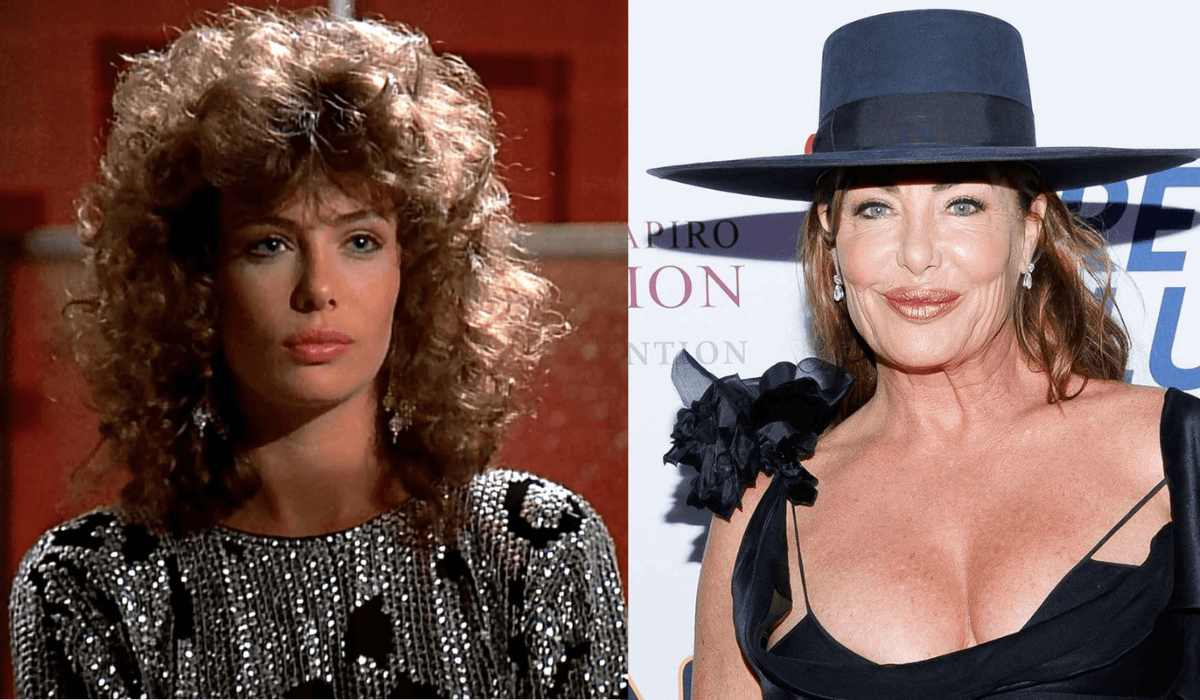
Kelly LeBrock stepped into the Beverly Hills spotlight last week wearing custom cowboy boots emblazoned with her initials, a fitting symbol for someone who traded Hollywood glamour for something most celebrities never even consider. The woman who defined 1980s beauty standards made a rare public appearance at Lisa Vanderpump's Dog Gala, her first significant outing in years from the remote California ranch that has been her sanctuary for three decades.
The 65 year old actress looked comfortable and content at the charity event, a stark contrast to the glossy magazine covers and red carpets that once defined her life. Her appearance sparked renewed curiosity about one of entertainment's most deliberate disappearances. LeBrock didn't fade from Hollywood. She escaped it, and she has never looked back with regret.
From Global Icon to Countryside Recluse
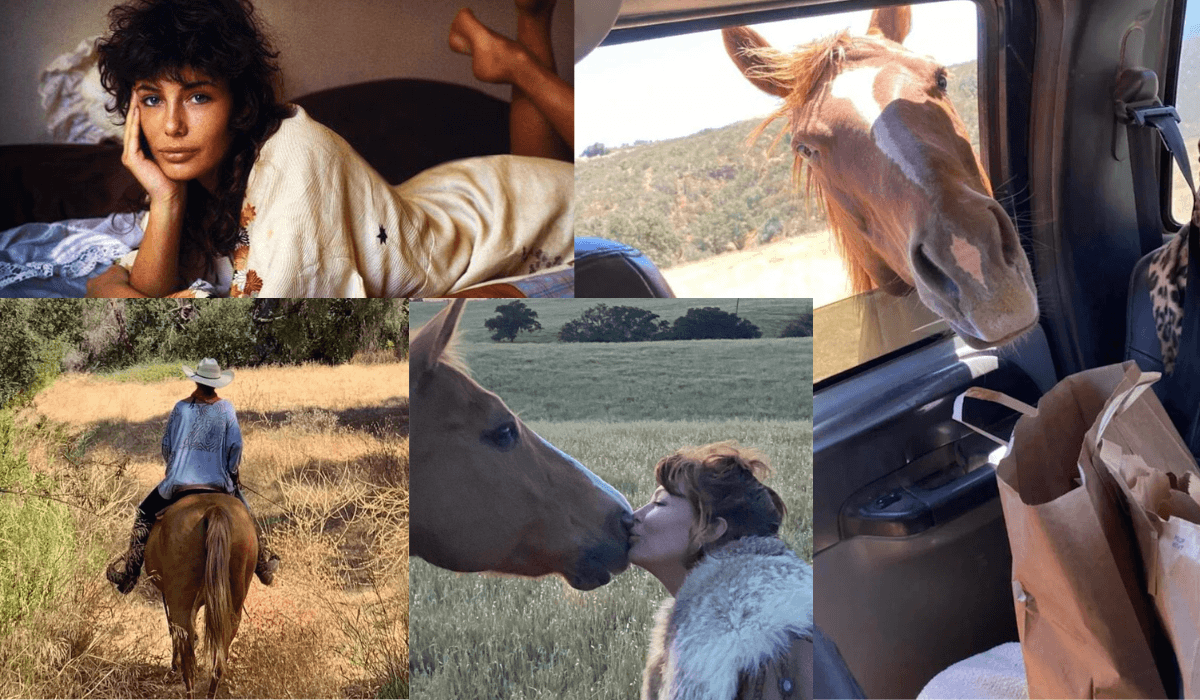
LeBrock now lives on a sprawling property in Santa Ynez, California, roughly three hours up the coast from Los Angeles. The ranch sits tucked behind a lake, surrounded by countryside she describes as so incredible it feels like living in church. She manages the entire operation almost single handedly, caring for horses, cattle, dogs, and chickens with only one helper who comes by for a single day each week.
The actress spoke candidly about her chosen isolation during the recent gala appearance. She admitted to being something of a recluse now, rarely venturing beyond her property boundaries. But rather than expressing any sadness about this isolation, she emphasized genuine contentment. Her life revolves around animals, land management, and the kind of physical work that leaves dirt under your fingernails.
She summarized her transformation with a memorable phrase. "I gave up diamonds for dirt," she told reporters. The line captures the enormity of her choice. LeBrock walked away from wealth, fame, and the kind of recognition that most people spend their entire lives pursuing. She chose manual labor, solitude, and obscurity instead.
The Journey That Led to Stardom
Understanding why LeBrock left requires understanding what she left behind. Born in New York City on March 24, 1960, to a French Canadian father and Irish mother, she was raised primarily in London's Kensington neighborhood. Her mother had been a model, and Kelly followed that path at age 16 when she returned to New York.
Her breakthrough arrived at 19 with a 24 page spread in Vogue magazine. The exposure catapulted her into the upper echelons of fashion modeling. Christian Dior offered her a lucrative contract requiring just 30 days of work annually. She appeared on hundreds of magazine covers and became one of the most requested models at the prestigious Eileen Ford agency.
Then came the Pantene commercials. LeBrock became the face of the shampoo brand, delivering a line that entered pop culture permanently. "Don't hate me because I'm beautiful" became shorthand for a particular kind of awareness about privilege and appearance. People still quote it today, often ironically, decades after the commercials stopped airing.
Her modeling success opened Hollywood doors. In 1984, she made her film debut in "The Woman in Red," starring opposite comedy legend Gene Wilder. The role typecast her immediately as the fantasy woman, the unattainable object of desire. She played a woman so breathtakingly beautiful that Wilder's character risks destroying his entire life pursuing her.
The following year brought "Weird Science," directed by John Hughes. LeBrock portrayed Lisa, a perfect woman literally created by two teenage boys using their computer. The role cemented her status as the decade's definitive fantasy figure. Interestingly, she initially turned down the part because she was vacationing in the South of France with musician Sting. Only after the original choice, model Kelly Emberg, didn't work out did LeBrock fly from France to Chicago for filming.
Her chemistry with Gene Wilder extended beyond professional collaboration. After LeBrock's father died, Wilder became a surrogate father figure, providing guidance and support throughout her career. Their bond lasted until Wilder's death in 2016, and LeBrock still speaks movingly about his influence on her life.
The Marriage That Changed Everything
LeBrock's first marriage to film producer and restaurateur Victor Drai lasted from 1984 to 1986. During that period, she met martial arts actor Steven Seagal. Their relationship began while Seagal was still married to his first wife, Miyako Fujitani. LeBrock gave birth to their daughter Annaliza in spring 1987, and the couple married that September.
They had two more children together: son Dominic, born in June 1990, and daughter Arissa, born in 1993. That same year they appeared together in the action thriller "Hard to Kill," with LeBrock playing a nurse Seagal's character must protect. For a brief moment, they seemed like Hollywood's power couple, combining his action star status with her iconic beauty.
The reality behind closed doors told a different story. In 1994, LeBrock filed for divorce, citing irreconcilable differences. What followed became a tabloid spectacle that played out on evening news broadcasts across the country. The divorce proceedings turned ugly, with details of their private lives becoming public fodder.
LeBrock later characterized Seagal harshly in interviews. In 2021, she called him "a tragedy of Hollywood" and described him as a very sad person. She suggested he had been bullied as a child, very sickly and weak, and theorized that this childhood treatment caused him to become lost as he aged. Her comments came years after Seagal had faced multiple accusations of sexual misconduct and drawn criticism for his vocal support of Russian President Vladimir Putin.
The actress expressed pity rather than anger. Yet her decision to completely remove herself and her children from that world speaks to damage that went deeper than she might publicly acknowledge.
The Escape to Santa Ynez
In 1995, while the divorce was still finalizing, LeBrock purchased a large plot of land in Santa Ynez for $2.7 million. Property records show she transferred ownership into a trust. The ranch initially had no bedroom structures, just raw land with potential. Over the years, she built it into a comprehensive compound with a sprawling main residence, multiple barns, and all the infrastructure needed for serious ranching.
The location, near where Michael Jackson once owned his Neverland Ranch, offered something money often cannot buy: genuine privacy. LeBrock moved her three children out of Los Angeles entirely, determined to shield them from the media circus surrounding their parents' divorce.
She took dramatic steps to insulate her family from Hollywood culture. She got rid of the television completely, unwilling to risk her children accidentally seeing news coverage about their parents. She wanted them growing up around what she called "real people," the children of gas pump attendants, plumbers, and families with regular jobs far removed from entertainment industry pretensions.
LeBrock later admitted she became a hermit during this period. The characterization wasn't self-pitying but factual. She withdrew from society deliberately and comprehensively. The ranch became her entire world, and she liked it that way.
What Fame Cost Her
Years later, with perspective only time provides, LeBrock spoke bluntly about the psychological toll of early fame. She became famous extremely young, and the experience caused trauma rather than fulfillment. Being famous, she concluded, is not for everybody.
She was never impressed by celebrity or fabulous lifestyle trappings. Even during her modeling and acting peak, she approached work as simply a job rather than a validation of her worth. She never bought into the narrative that being a pretty lady made her special or important. She viewed herself as fundamentally normal, and Hollywood's obsession with beauty and status felt foreign and uncomfortable.
This perspective explains why walking away proved easier for her than it might have been for someone who craved validation from fame. LeBrock never wanted the attention in the first place. She wanted dirt under her fingernails and outdoor life, not premieres and photo shoots.
Hollywood, she realized, was absolutely not the place to raise children. The industry's values, the constant scrutiny, the artificial nature of relationships and interactions, all of it struck her as toxic. Her divorce being splashed across news broadcasts crystallized her determination to get out.
Building a New Life
The ranch became her refuge and her project. LeBrock learned to manage significant acreage, care for multiple species of animals, and handle the physical demands of rural property ownership. The work is genuinely difficult, requiring early mornings, physical strength, and constant attention to detail.
Images she has occasionally shared on social media reveal the stunning natural beauty surrounding her daily life. In one photograph, a bobcat drinks from her fountain, casually visiting her front garden. Another image shows one of her horses sticking its head through her car window as she returns from grocery shopping, a moment of gentle comedy that captures the intimacy she has with her animals.
The property, which she describes as a little gem behind the lake, provides the kind of peace that cannot exist in Los Angeles. She has no interest in the social scene, no desire to attend industry events, no nostalgia for red carpets or award shows.
Her rare appearance at the Vanderpump Dog Gala represented an exception driven by values rather than vanity. LeBrock cares deeply about animal welfare, and the event raises money for dog rescue, rehoming, and rehabilitation. That cause could draw her from seclusion when little else would.
The Personal Cost of Privacy
LeBrock's choice came with sacrifices beyond the obvious professional ones. She effectively ended her acting career while still relatively young. After "Hard to Kill" in 1990, she appeared in only a handful of films: "Betrayal of the Dove" in 1993, "Tracks of a Killer" in 1996, "Wrongfully Accused" in 1998, and a few small independent projects.
Her final film role came in 2021's "Tomorrow's Today," an indie production that barely registered publicly. By that point, acting was clearly a side pursuit rather than a career. She did appear in Starz's "A Prince for Christmas" in 2015, playing the queen of a fictional European kingdom, but these were occasional gigs rather than a sustained return to Hollywood.
The isolation also meant less financial opportunity. While she earned substantial money during her modeling and early acting peak, walking away from fame meant walking away from the continued income it generates. Celebrity endorsements, appearances, and roles that might have sustained her financially into older age simply weren't available anymore because she made herself unavailable.
Her third marriage, to retired investment banker Fred Steck in July 2007, ended in divorce the following year. Finding romantic partnership while living as a recluse on a remote ranch presents obvious challenges.
After her brother Harold died in 2008, LeBrock channeled her grief into volunteer work with terminally ill patients. She became a celebrity spokesperson for Club Carson, an organization supporting children with cancer. These philanthropic efforts suggest someone searching for meaning beyond personal comfort.
Recent Developments and Future Plans
The recent gala appearance revealed LeBrock has been developing business ventures aligned with her rural lifestyle and values. She discussed creating animal skincare products, describing wound care formulations she believes are extraordinary in their effectiveness.
She also mentioned developing products for humans. LeBrock revealed she had a significant skin cancer removed, leaving what she described as a big hole. Using her own formulations, the scar has reportedly healed so completely it's no longer visible. Whether these products will reach market or remain personal projects remains unclear.
At 65, LeBrock appears content with her choices in ways that feel genuine rather than performative. She shows no signs of wanting to return to Hollywood, no hint of regret about the fame she abandoned. The custom cowboy boots at the gala represented her identity now, not a costume for a rare public appearance.
Why This Story Resonates
LeBrock's decision challenges fundamental assumptions about success, happiness, and what constitutes a life well lived. Our culture treats fame as the ultimate achievement, the goal everyone should pursue. We assume celebrities who step away must have failed somehow, unable to maintain relevance and therefore forced into retirement.
LeBrock's story contradicts that narrative completely. She didn't fail. She succeeded at modeling and acting, achieving the kind of recognition most people only dream about. Then she evaluated what that success actually felt like and decided it wasn't worth continuing.
This is an incredibly rare choice. Think about how many celebrities cling desperately to fame long after their peak, how many try comeback after comeback, how many can't imagine life outside the spotlight. LeBrock simply walked away and never looked back because she found something she valued more.
Her transformation from Hollywood sex symbol to ranch owner caring for cattle and chickens represents a kind of courage often unrecognized. It takes significant strength to reject what society tells you should make you happy, especially when you've already attained it. Most people never question whether fame and wealth actually deliver satisfaction. LeBrock questioned it and found her answer in physical labor and isolation.
Choosing Authenticity Over Image
Honestly, I find LeBrock's story both inspiring and a bit sad. Inspiring because she had the clarity to recognize that fame was harming rather than helping her, and the courage to completely restart her life according to her own values. That's admirable in any context but particularly remarkable given how young she was when she made this choice.
The sadness comes from what drove her decision. The ugly divorce, the media circus, the need to protect her children from public scrutiny, these suggest trauma rather than simply philosophical preference for rural living. She didn't just choose the ranch. She fled to it, seeking sanctuary from a world that had become hostile and invasive.
There's something troubling about an industry that chews people up so thoroughly they need to become hermits to recover. LeBrock's experience with fame caused trauma, as she explicitly stated. That's a damning indictment of how Hollywood treats its stars, particularly women whose value the industry sees primarily in terms of physical appearance.
Her description of never being impressed with being famous or fabulous rings true in ways that make me respect her more. She maintained enough perspective throughout her peak to recognize it was all nonsense. She did her job without confusing it with her identity or worth. That's psychologically healthy in ways most celebrities never achieve.
The fact she had to eliminate television from her home to protect her children from seeing news about their parents' divorce reveals how invasive media coverage becomes. Her kids couldn't simply exist in Los Angeles without constant reminders of their family's problems being public entertainment. That's genuinely harmful, and her protective response makes sense.
What strikes me most is her sustained contentment three decades later. This wasn't a brief retreat to heal before returning. This became her permanent life, and she shows no inclination to change it. The ranch isn't a phase. It's who she is now.
I do wonder about the cost of such extreme isolation. LeBrock describes rarely leaving her property, characterizing herself as a recluse. While she frames this positively, complete social isolation can be psychologically damaging over time. Humans are social creatures, and cutting ourselves off too completely from community creates its own problems.
But LeBrock seems genuinely happy. Her description of the countryside as so incredible it feels like living in church suggests someone who has found meaning and peace. Her commitment to animal welfare, her business ventures developing skincare products, her volunteer work with cancer patients, these indicate continued engagement with life and purpose.
Perhaps the real lesson is that happiness looks different for everyone. What our culture treats as universal goals like fame, wealth, and recognition actually make some people miserable. LeBrock had the self-awareness to recognize she was one of those people and the courage to build a completely different life.
The Broader Trend: Celebrities Choosing Different Paths
LeBrock isn't alone in trading Hollywood for rural simplicity. Amanda Seyfried moved her family to a farm in New York's Catskill Mountains, seeking more balanced life away from Los Angeles intensity. "Entourage" actor Adrian Grenier left Hollywood entirely for farm life in Texas. More recently, Joe Manganiello and fiancée Caitlin O'Connor moved back to their hometown of Pittsburgh, prioritizing authentic connection to place and community over industry proximity.
These decisions suggest growing recognition that Hollywood's lifestyle comes with significant costs. The lack of privacy, the constant judgment, the artificial relationships, the pressure to maintain impossible standards, all of it takes a psychological toll that success and money don't necessarily compensate for.
What makes LeBrock's choice particularly striking is how complete her departure was. She didn't maintain a foot in both worlds. She didn't do occasional projects while mostly living privately. She cut ties almost entirely, appearing in a handful of small films over three decades but otherwise vanishing from public life.
That totality suggests her experience in Hollywood was more damaging than she might publicly discuss. You don't become a hermit unless you're escaping something genuinely harmful. Her willingness to use that word, hermit, indicates self-awareness about how extreme her withdrawal was.
What Her Story Says About Fame
Kelly LeBrock's journey forces uncomfortable questions about how we treat celebrities and what we expect from fame. She became famous for being beautiful, not for any particular skill or achievement. The roles she landed required her to embody male fantasy, to represent unattainable perfection rather than complex humanity.
That's a dehumanizing position to occupy, being valued primarily as an aesthetic object rather than a person. It's not surprising she never felt impressed by that attention or struggled to find meaning in it. How could you?
The aftermath of her divorce reveals another disturbing pattern. Why should the dissolution of a marriage become evening news? Why should her children risk seeing intimate family details discussed publicly? This kind of invasive coverage serves no legitimate public interest. It's pure exploitation.
LeBrock's response, removing television and relocating her family entirely, represents an indictment of media culture. We treat celebrities as public property, as though fame negates their right to privacy. Then we wonder why so many struggle with mental health, addiction, and the various pathologies fame breeds.
Her sustained happiness in obscurity suggests fame itself was the problem, not peripheral issues like which roles she was offered or how she was treated on set. The fundamental condition of being famous, of having strangers feel entitled to your life and image, was intolerable to her.
That's a valid response, even if it's a minority one. Most people pursue fame specifically because they want that attention. LeBrock never wanted it. She modeled because she was good at it. She acted because the opportunities came. But the recognition that accompanied those careers felt burdensome rather than validating.
At 65, LeBrock seems unlikely to dramatically change her lifestyle. The ranch has been her home for 35 years, more than half her life. It's where she raised her children, where she healed from divorce trauma, where she built an identity completely separate from Hollywood.
Her children, Annaliza, Dominic, and Arissa, are now adults living their own lives. She succeeded in her primary goal of raising them away from Hollywood's influence, giving them what she considers normal childhoods among regular people.
Whether her animal and human skincare products develop into a successful business remains to be seen. But entrepreneurship aligns with her values, using her ranch experience to create something practical and helpful. It's consistent with someone who chose dirt over diamonds.
Her appearance at the Vanderpump Gala might signal willingness to occasionally emerge for causes she cares about. Animal welfare clearly matters deeply to her, given how she structures her entire life around caring for creatures. Supporting organizations doing similar work makes sense.
But don't expect a Hollywood comeback. LeBrock has made her peace with obscurity. She's not interested in resurrection, revival, or whatever you'd call a return to acting after a 30 year absence. That life is finished, and she's content with what she chose instead.
Redefining Success
Kelly LeBrock's story ultimately asks what success actually means. By conventional measures, she had it. Beauty, fame, wealth, recognition, she possessed everything our culture treats as markers of achievement. Yet she experienced those things as traumatic rather than fulfilling.
Her willingness to walk completely away, to embrace obscurity and manual labor, demonstrates that success is deeply personal. What works for most people didn't work for her. Rather than forcing herself to continue in a life that made her miserable, she had the courage to completely reinvent herself.
Three decades later, living quietly on her Santa Ynez ranch, caring for animals and land, LeBrock has found something Hollywood never gave her: peace. That might be the greatest success of all.