
There is room for flexibility without abandoning the framework entirely. An occasional late dinner is not the same as a chronic late eating pattern. Most proponents of this approach acknowledge that consistency matters more than perfection.
Sign up to see more
SignupAlready a member?
LoginBy continuing, you agree to Sociomix's Terms of Service, Privacy Policy
Sign up to see more
SignupAlready a member?
LoginBy continuing, you agree to Sociomix's Terms of Service, Privacy Policy

There is room for flexibility without abandoning the framework entirely. An occasional late dinner is not the same as a chronic late eating pattern. Most proponents of this approach acknowledge that consistency matters more than perfection.
The article mentions fermented foods being more effective at breakfast than as late night snacks. Has anyone actually tested kefir at breakfast specifically and noticed a difference versus other times?
The casting process described here, two years, a global search, no formal auditions, starting with a voice note, is genuinely unlike anything I have read about a major studio production. Hollywood usually works in very specific ways and this broke almost every convention.
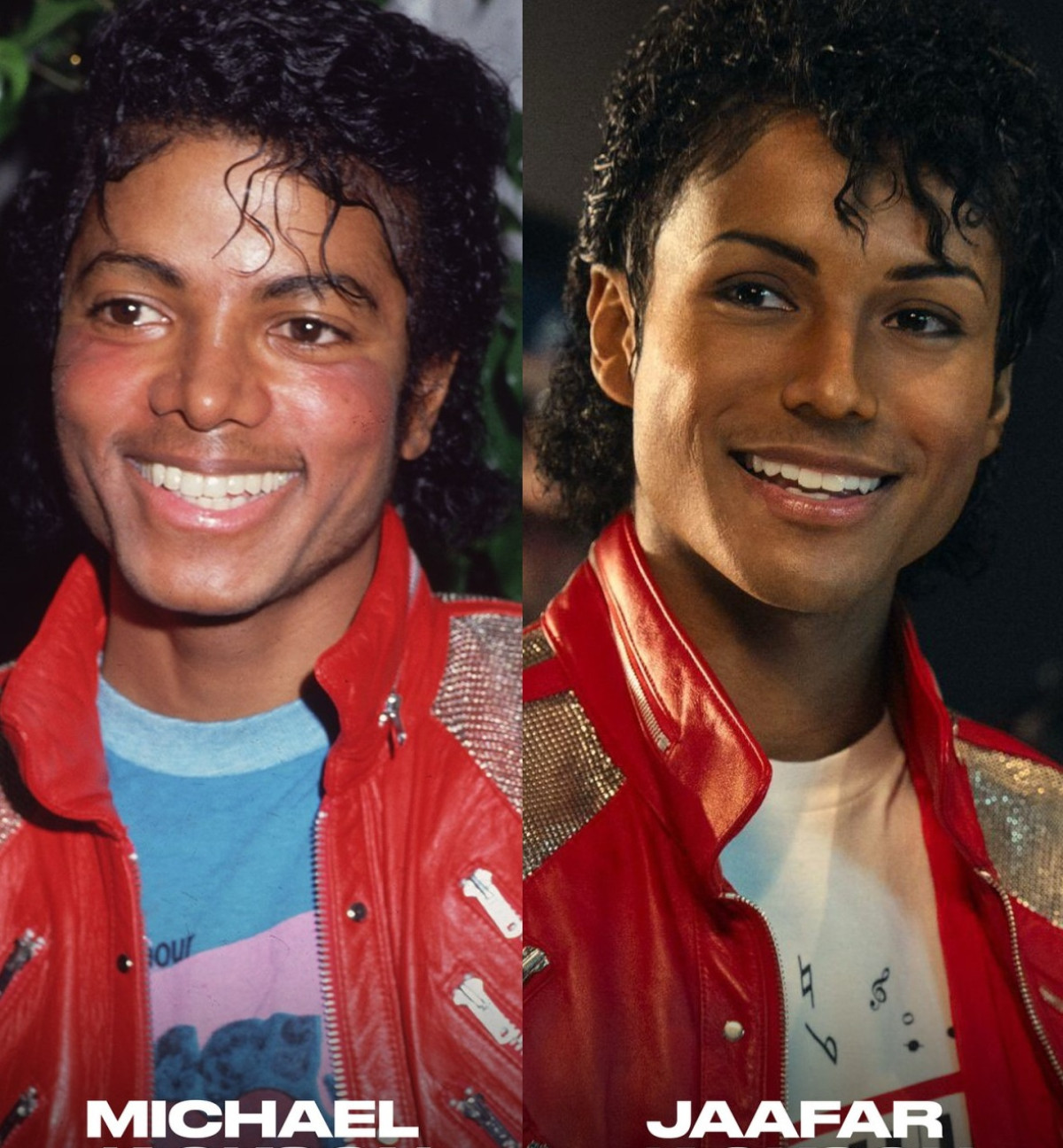
Jaafar Jackson plays Michael Jackson in the 2026 biopic Michael, and the story of how the 29-year-old newcomer landed the role is more interesting than the film itself. It started with a voice note. It involved a two-year global casting search with no formal auditions. It required Jaafar to keep the role secret from his own family for a full year. And it ended with his grandmother Katherine Jackson, the woman who knew Michael longest and loved him most, telling producers that her grandson didn't just resemble her son, he embodied him. After tracking every interview, behind-the-scenes video, and production report released since the film was announced, I can tell you that the choice of Jaafar was not nepotism, not a publicity play, and not the obvious pick everyone assumes it was. It was a hard-earned outcome of the most unusual casting process in recent biopic history, and here is how it actually happened.
The physical reality of datacenter work is something no amount of research can fully prepare you for. The scale, the noise, the heat, the stakes. You either find that environment motivating or you do not. Worth figuring that out before making a full career pivot.
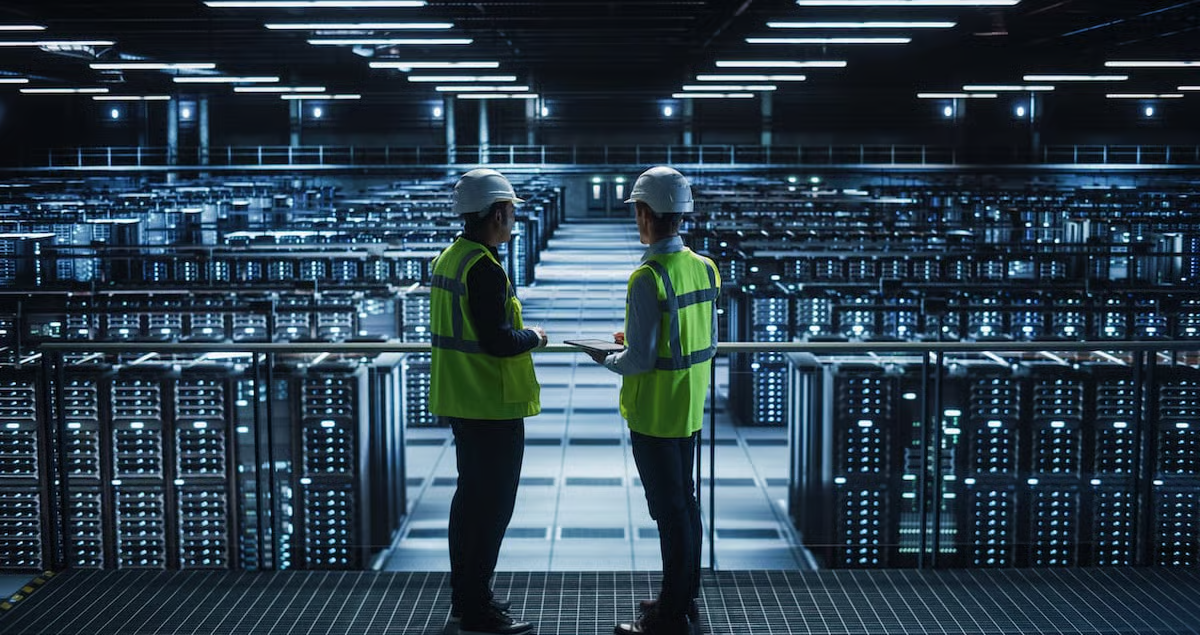
The technology sector is experiencing a paradox. While headlines scream about mass layoffs at major tech companies, a critical shortage is quietly building in one of the most essential areas of digital infrastructure. Datacenters, the physical backbone of our digital world, are facing an unprecedented demand surge, and there simply are not enough skilled professionals to build and maintain them. Countries across the globe are rushing to establish their own datacenter infrastructure. From India's ambitious plans to become a datacenter hub to the European Union's push for data sovereignty, and emerging markets in Southeast Asia and Latin America building their first large scale facilities, the construction boom is just beginning.
Different genre indeed but also a completely different artistic project. Comparing Nano Machine and The Boxer is like comparing action cinema to slow literary drama. Both can be excellent without competing.
Something worth mentioning that the article glosses over is translation quality. Some of the best regression series have inconsistent or poor official translations and the experience of reading them varies enormously depending on which version you access.
In a manhwa landscape dominated by dungeon crawling, regression narratives, and power fantasies, The Greatest Estate Developer stands out by asking a simple question: what if the protagonist's greatest weapon wasn't a sword or magic system, but civil engineering knowledge? This bizarre premise transforms into one of the most entertaining, genuinely funny, and surprisingly heartfelt series currently running, proving that innovation in storytelling comes from unexpected places. The series takes the familiar isekai setup where a modern person finds themselves in a fantasy world and completely subverts expectations. Instead of becoming an adventurer or hero, protagonist Kim Suho uses his engineering knowledge to revolutionize construction, infrastructure, and economic development. What sounds like it should be boring becomes absolutely captivating through sharp writing, excellent comedic timing, and genuine passion for showing how infrastructure improves lives.
The silence from production since the 2024 announcement is lowkey worrying me. No trailer, no studio confirmation, no release window. We are just supposed to trust the hype at this point?
As someone who works in HR, the scenario where an employee records a performance improvement plan conversation using a personal AI tool without the manager knowing is genuinely something employment attorneys are flagging right now. Policies need to catch up.
My team is fully remote across three time zones and the async collaboration in Descript has been one of the biggest workflow improvements we made. Timestamped comments and shared transcripts mean nobody needs to be on the same call to review an edit.
Wait, what about the people who didn't consent to being recorded? The article breezes past the privacy section really fast, but this is genuinely complicated in states like California, Illinois, and Florida where all-party consent is required before recording a conversation.
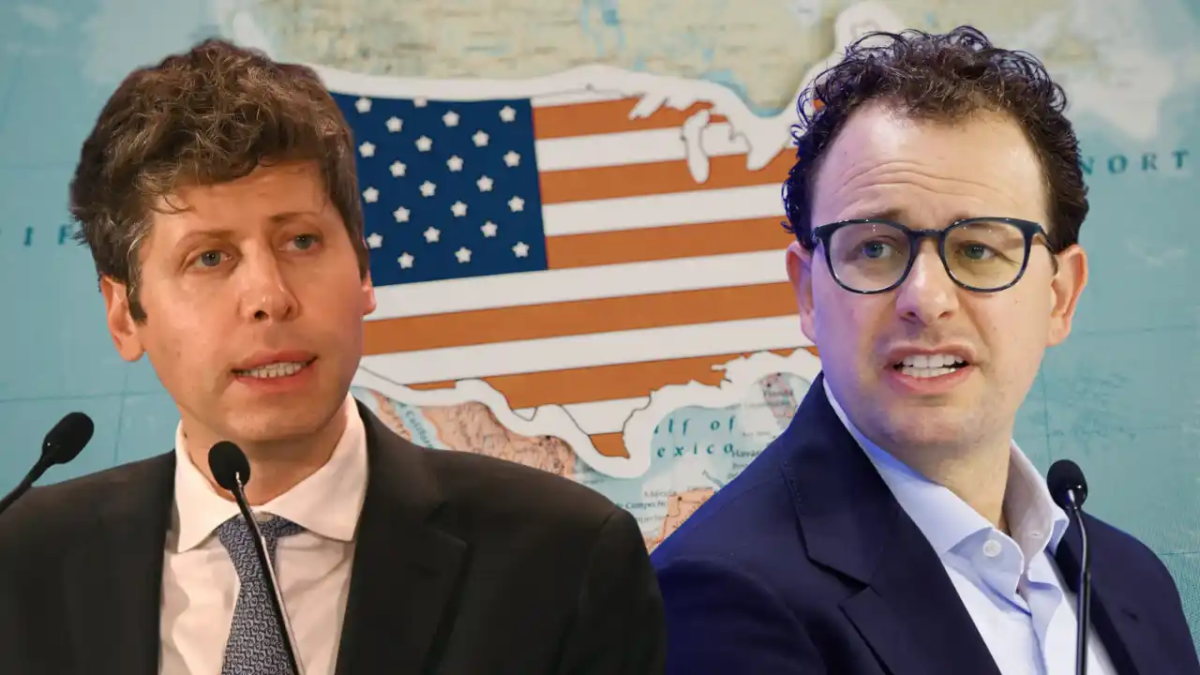
There's a photograph from February 2026 that pretty much sums up the state of AI right now. At the India AI Impact Summit in New Delhi, Indian Prime Minister Narendra Modi invited the world's tech leaders onstage for a group photo. Everyone held hands. Well, almost everyone. Sam Altman of OpenAI and Dario Amodei of Anthropic, standing right next to each other, refused to clasp hands and instead raised their fists separately. The internet, predictably, lost its mind. An awkward moment between OpenAI CEO Sam Altman and Anthropic CEO Dario Amodei at an AI Summit captured the increasingly icy relations between two rival tech leaders who started off as colleagues. That's not just petty drama. It's a window into what may be the most consequential corporate rivalry in the technology world right now, one that's playing out in boardrooms, courtrooms, Super Bowl ads, and billion-dollar compute deals all at once.
The designer-developer relationship has been tense for decades. Designers create pixel-perfect mockups in Figma. Developers translate them to code and somehow everything looks slightly wrong. Fonts don't match. Spacing is inconsistent. Buttons have different corner radiuses. Both sides get frustrated, blame each other, and the product suffers. V0 by Vercel is fixing this problem by generating production-quality React components that look exactly like the designs. The rebrand from v0.dev to v0.app in January 2026 signaled expanded ambitions beyond just UI component generation. Vercel positioned the tool for full-stack web development, though its core strength remains frontend excellence. That strategic clarity matters because trying to be everything often means excelling at nothing. V0 chose to dominate the handoff between design and code before expanding into other areas.
Forty million dollars in annual recurring revenue. Six months. One browser-based platform. Those numbers would be impressive for any software company, but for Bolt.new, they represent something more significant: the moment when development environments moved permanently into the cloud and never looked back. Traditional software development has always required setup. Install Node.js, configure your environment, manage dependencies, set up local servers, troubleshoot version conflicts. Before writing a single line of code, developers spend hours or even days preparing their machines. Junior developers often spend their first week just getting their environment working. Bolt.new eliminated all of that with WebContainers technology.
The article is thorough but doesn't really address what happens to altcoins if Bitcoin gets rejected at $73K and consolidates. A lot of people are leveraged long on smaller caps right now.
Exactly. This is negotiating by press release. You do not need to actually build chips to benefit from announcing you are thinking about building chips.
Join independent creators, thought leaders, and storytellers to share your unique perspectives, and spark meaningful conversations.