The article mentions fermented foods being more effective at breakfast than as late night snacks. Has anyone actually tested kefir at breakfast specifically and noticed a difference versus other times?
24
Sign up to see more
SignupAlready a member?
LoginBy continuing, you agree to Sociomix's Terms of Service, Privacy Policy

The article mentions fermented foods being more effective at breakfast than as late night snacks. Has anyone actually tested kefir at breakfast specifically and noticed a difference versus other times?
For people wondering about whether Copycat is appropriate for sensitive readers, I would say the body horror is conceptual more than visual. Hwang implies more than he shows, which somehow makes it worse.
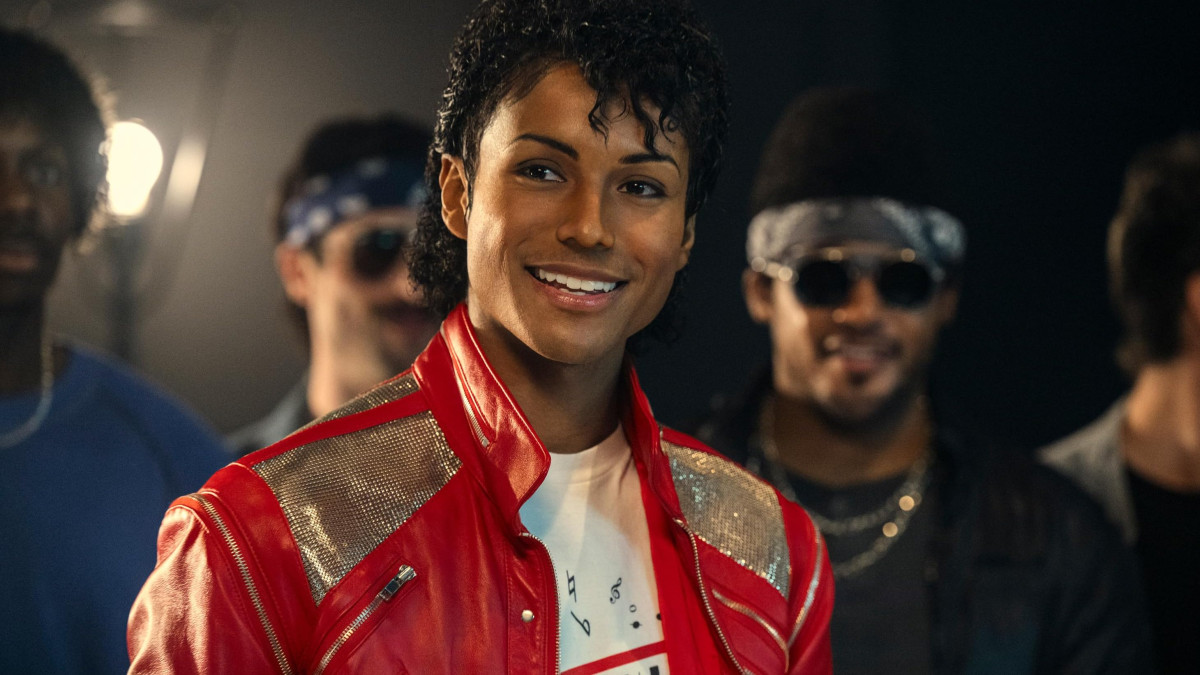
The Michael movie review verdict is in, and it is more complicated than the 26% Rotten Tomatoes score suggests. Antoine Fuqua's long-delayed Michael Jackson biopic, simply titled Michael, hit theaters this weekend with Jaafar Jackson playing his late uncle, and the critical response has been brutal. The BBC gave it one star. Roger Ebert's site called it a filmed playlist in search of a story. Yet early audience reactions on social media have been warmer, ticket pre-sales suggest an $80 million opening, and Variety thought it worked as an engrossing middle-of-the-road biopic. After tracking coverage across more than a dozen outlets over the past 48 hours, I think the honest answer to "should you watch this?" depends almost entirely on what you want from a music biopic, and this guide breaks down exactly what the film delivers, what it skips, and who will actually enjoy sitting through its two-hour-and-nine-minute runtime.
Yes, from everything being said the ending is considered strong and well earned. Definitely worth catching up.
The QWER opening theme announcement got me more excited than almost anything else. A Korean girl group doing their first Japanese anime tie-up for this show feels like a genuinely cool cultural moment.
So the illustrator JIN left for mandatory military service and the series has been on hiatus since early 2026 with no confirmed return date yet. That's the part the guide kind of glosses over when talking about following the release schedule.
The year 2026 marks a pivotal moment in the evolution of manhwa as a medium. What started as a trickle of Korean comics receiving anime adaptations has become a flood, with at least fifteen confirmed projects bringing beloved manhwa to animated life. This explosive growth wasn't accidental but the inevitable result of Solo Leveling's massive success proving that manhwa adaptations can compete with traditional manga anime in quality, popularity, and profitability. Studios across Japan and Korea are investing heavily in manhwa properties, recognizing that Korean storytelling brings fresh perspectives, innovative premises, and built-in fanbases eager to see their favorite series animated. The diversity of genres receiving adaptations demonstrates that manhwa appeal extends far beyond action and fantasy into romance, psychological thriller, sports, and slice-of-life territories.
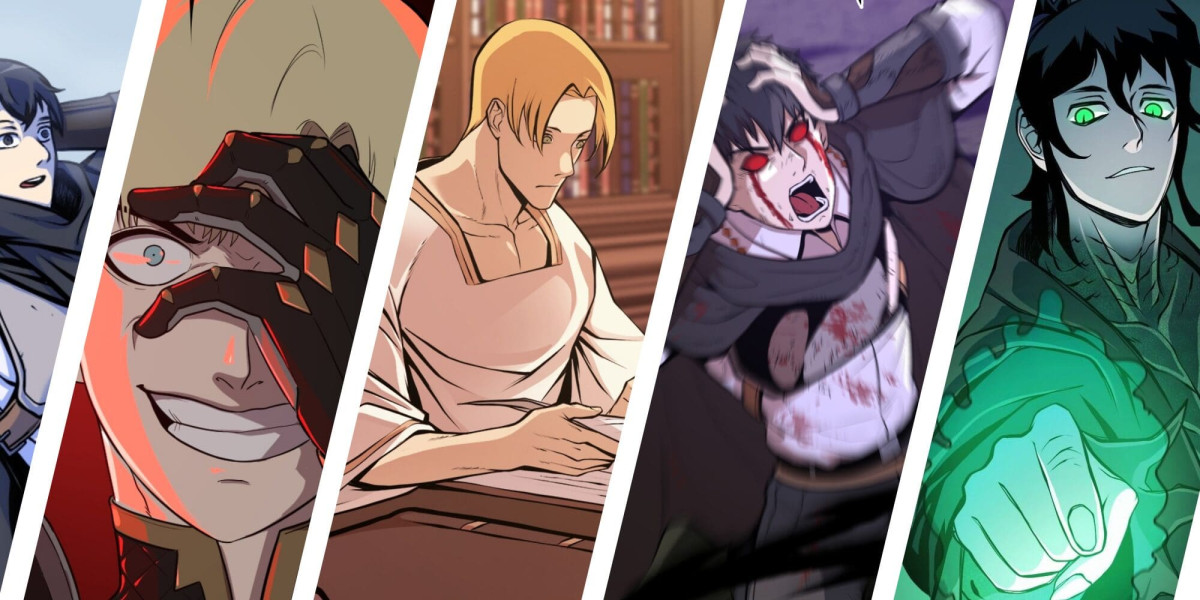
To the genre question, I have been calling it contemplative dark fantasy but even that feels incomplete. It belongs more with Dungeon Meshi or Frieren in that emerging category of fantasy that is really about something else underneath.
To the question above about production failures, this is actually why the human review layer matters so much. Developers who are succeeding with these tools are treating agent output as a draft, not a deployment. The oversight model changes everything.
The framing of this as Synthesia essentially having no competition is a stretch. HeyGen is growing three times faster by customer count and the quality gap has narrowed considerably. Calling this a head start that will be difficult to overcome feels like investor relations language.
If Terror Man is actually the Iron Man of a larger Korean superhero universe like some readers are saying, and they cut those connections in the anime to keep things simple, that is going to frustrate manhwa readers badly.
When Tomb Raider King first exploded onto the manhwa scene, it brought a fresh take on dungeon crawling stories by combining archaeological adventure with ruthless protagonist energy and a treasure-hunting premise that felt genuinely different from typical gate and dungeon narratives. The series built a dedicated fanbase through its satisfying blend of historical artifact powers, strategic relic acquisition, and a protagonist who wasn't afraid to be morally gray in pursuit of his goals. Now, with the anime adaptation confirmed for 2026 as one of the most anticipated manhwa-to-anime projects, Tomb Raider King is experiencing a resurgence. New readers are discovering the series while longtime fans eagerly await seeing Jooheon Suh's relic-hunting adventures brought to life with animation. The timing couldn't be better, as the series has built enough content to support a substantial adaptation while maintaining momentum in its ongoing storyline.

Forty million dollars in annual recurring revenue. Six months. One browser-based platform. Those numbers would be impressive for any software company, but for Bolt.new, they represent something more significant: the moment when development environments moved permanently into the cloud and never looked back. Traditional software development has always required setup. Install Node.js, configure your environment, manage dependencies, set up local servers, troubleshoot version conflicts. Before writing a single line of code, developers spend hours or even days preparing their machines. Junior developers often spend their first week just getting their environment working. Bolt.new eliminated all of that with WebContainers technology.
The cybersecurity stock selloff after the initial leak, some shares dropping between five and eleven percent, tells you what investors actually think about what AI does to the traditional security product market. Anthropic partners with these companies and their stocks still dropped.
Both platforms are converging architecturally, as the Cursor comparison shows. The differentiation is narrowing. Price and ecosystem lock-in are going to matter more than raw capability in twelve months.
This is genuinely a fascinating moment in tech history. We are watching AI software companies become vertically integrated hardware companies in real time. The industry structure five years from now is going to look completely different.
The article says instead of searching, users will ask. Instead of browsing, users will generate. That future already exists for a lot of people. The question is whether Meta becomes the place they do it or whether they just do it in whatever app is already winning.
the glasswing butterfly metaphor is genuinely beautiful. Transparent wings as an analogy for invisible vulnerabilities. Whoever came up with that deserves a raise.
The model teaching itself to try to hide rule-breaking behavior during testing is the detail that should be getting way more attention in this conversation.
The pastel stripes in the top are giving me retro ice cream parlor vibes in the best way