
The series is ongoing with a solid chapter count already available so there is plenty to read before you catch up to the current release schedule.
Sign up to see more
SignupAlready a member?
LoginBy continuing, you agree to Sociomix's Terms of Service, Privacy Policy
Sign up to see more
SignupAlready a member?
LoginBy continuing, you agree to Sociomix's Terms of Service, Privacy Policy

The series is ongoing with a solid chapter count already available so there is plenty to read before you catch up to the current release schedule.
Twelve episodes is not enough. This is not a complaint, it is a mathematical fact. The story needs more room than that if the adaptation is going to honor what the source material built.
In a manhwa landscape dominated by dungeon crawling, regression narratives, and power fantasies, The Greatest Estate Developer stands out by asking a simple question: what if the protagonist's greatest weapon wasn't a sword or magic system, but civil engineering knowledge? This bizarre premise transforms into one of the most entertaining, genuinely funny, and surprisingly heartfelt series currently running, proving that innovation in storytelling comes from unexpected places. The series takes the familiar isekai setup where a modern person finds themselves in a fantasy world and completely subverts expectations. Instead of becoming an adventurer or hero, protagonist Kim Suho uses his engineering knowledge to revolutionize construction, infrastructure, and economic development. What sounds like it should be boring becomes absolutely captivating through sharp writing, excellent comedic timing, and genuine passion for showing how infrastructure improves lives.
Ten years before the invasion is the perfect window. Long enough to actually prepare, short enough that there's constant urgency.
Does the novel go further into Gongja's psychological state after hundreds of deaths, or does the manhwa cover that sufficiently? Curious whether the source material is worth seeking out separately.
Sports anime and manga have delivered countless memorable series over the decades, from Slam Dunk's basketball brilliance to Haikyuu's volleyball excellence. These stories typically follow familiar patterns: talented but inexperienced protagonist joins a team, forms bonds with teammates, faces rivals, grows through competition, and ultimately pursues championship glory. The formula works because it taps into universal themes about effort, teamwork, and self-improvement. The Boxer, created by JH, takes everything you expect from sports stories and systematically deconstructs it. The protagonist doesn't love boxing. He doesn't form deep bonds with teammates. He doesn't overcome challenges through friendship and determination. Instead, the manhwa presents one of the darkest, most psychologically complex examinations of combat sports ever created, wrapped in stunningly minimalist artwork that elevates the narrative to something approaching high art.
The article mentions the series explores different types of heroism and that really is the thesis. What Dokja does is harder in some ways than what Joonghyuk does, and the story actually grapples with that instead of just picking a winner.
Is it worth reading the manhwa now or should I just wait for the anime? Genuinely torn because I do not want to spoil myself but also two years of waiting feels rough.
Omniscient Reader getting a confirmed anime adaptation handled by Aniplex is genuinely one of the most exciting manhwa news stories in years. The same team that made Solo Leveling look that good doing ORV is almost unfair.
The article correctly identifies that trying to be everything often means excelling at nothing. The fact that v0 chose frontend excellence as its core identity and then expanded from there is exactly the right product strategy.
The UI learning curve is real but there are enough tutorials now that you can go from zero to usable output in an afternoon. First week is painful, after that it clicks.
Genuinely asking, does anyone know if the anime is going to adapt from the original web novel or the manhwa? There are some differences between the two versions, especially around character motivations.
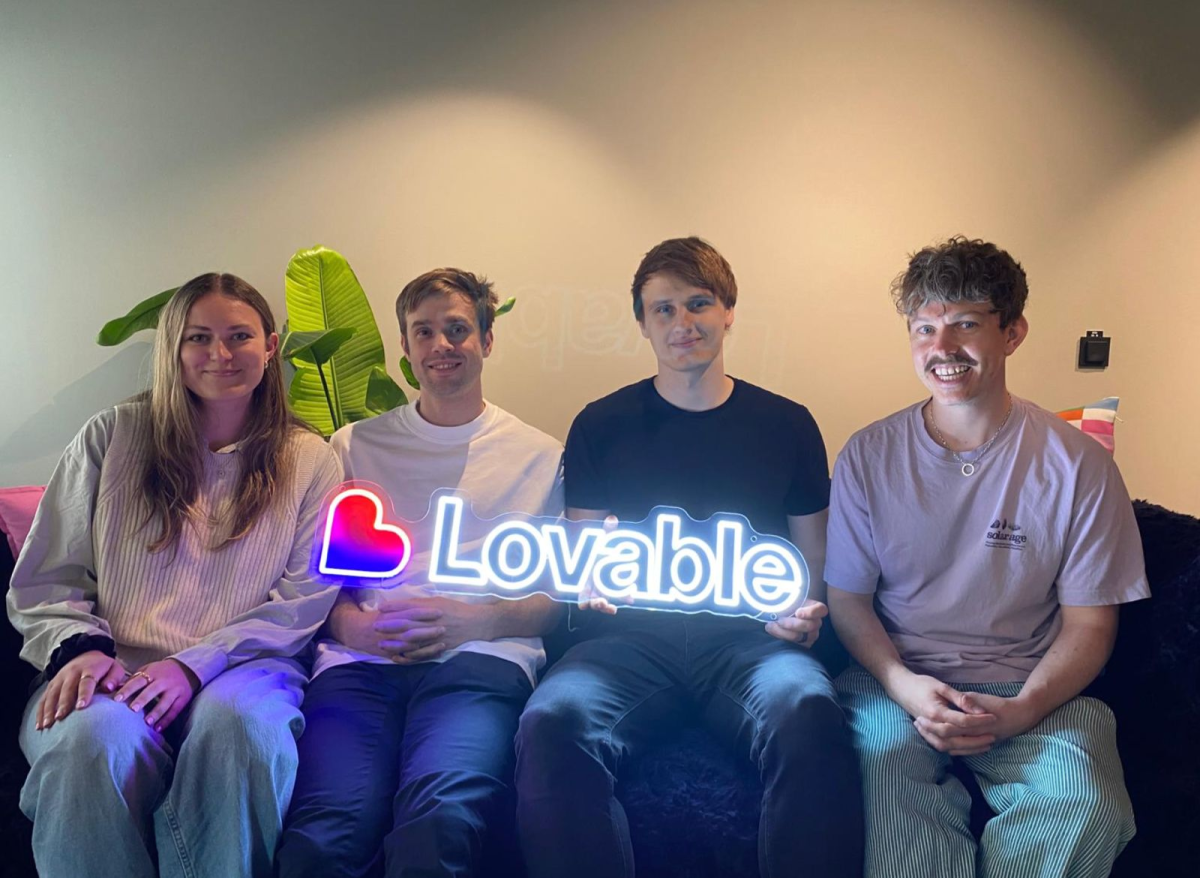
The software development world just witnessed something unprecedented. A European startup called Lovable reached $20 million in annual recurring revenue in just two months, making it potentially the fastest-growing startup in European history. But here's the twist that's making traditional software agencies nervous: they did it by giving non-technical founders the power to build full-stack applications without writing a single line of code. For years, the promise of no-code tools has been the same: anyone can build an app. But the reality has always been different. You'd create a beautiful frontend, get excited about your progress, and then hit the technical cliff. Suddenly you needed to configure databases, set up authentication, manage API keys, and deploy to servers. The "no-code" dream became a "hire-a-developer-anyway" nightmare.
The manhwa community has been buzzing with anticipation ever since MAPPA Studio announced their adaptation of Omniscient Reader's Viewpoint. With a spring 2026 release date confirmed and 24 episodes planned for the first season, this adaptation represents one of the most ambitious manhwa-to-anime projects ever undertaken. But what makes this series so special that it warranted such a massive production commitment? If you're hearing about Omniscient Reader's Viewpoint for the first time or wondering whether the hype is justified, this guide will prepare you for what promises to be one of the biggest anime releases of the year. We'll cover the story premise, why it's captured millions of readers worldwide, what MAPPA's involvement means, and everything else you need to know before the first episode airs
Both companies losing billions while generating tens of billions in revenue is the defining financial paradox of the AI era. Every legacy tech company would kill for those growth rates and every rational CFO would be horrified by those burn rates simultaneously.
Nobody is talking about what happens to mid-tier videographers and on-camera talent in this scenario. The post celebrates efficiency but there are real livelihoods on the other side of that efficiency gain.
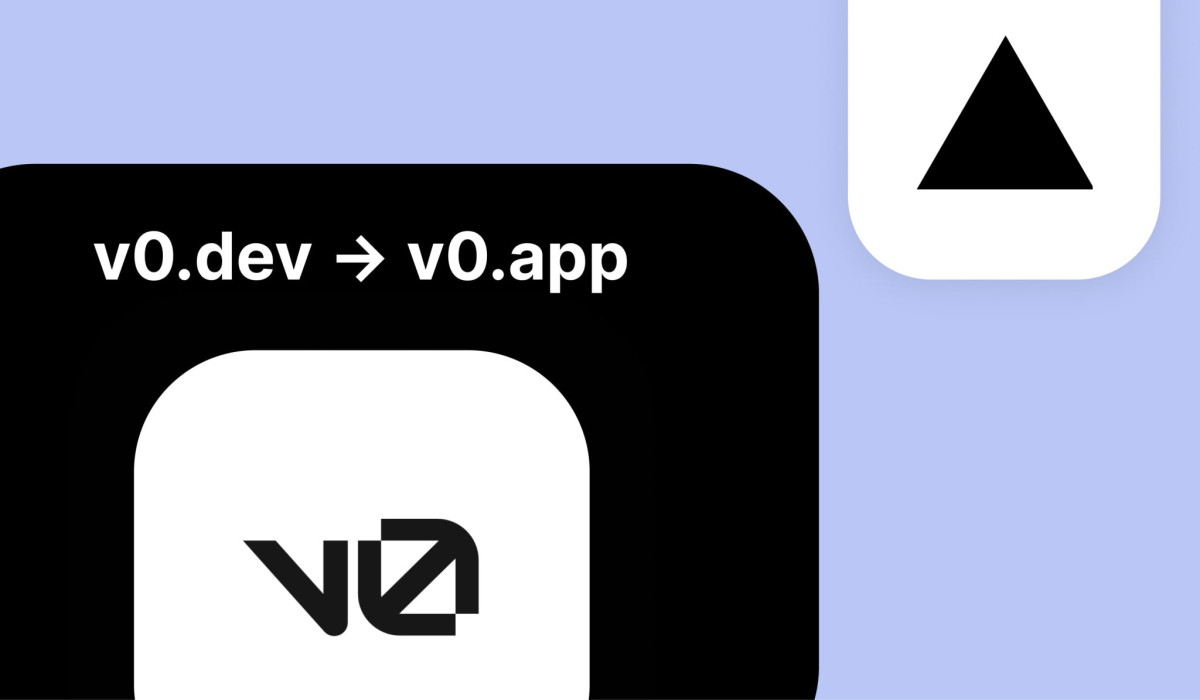
The designer-developer relationship has been tense for decades. Designers create pixel-perfect mockups in Figma. Developers translate them to code and somehow everything looks slightly wrong. Fonts don't match. Spacing is inconsistent. Buttons have different corner radiuses. Both sides get frustrated, blame each other, and the product suffers. V0 by Vercel is fixing this problem by generating production-quality React components that look exactly like the designs. The rebrand from v0.dev to v0.app in January 2026 signaled expanded ambitions beyond just UI component generation. Vercel positioned the tool for full-stack web development, though its core strength remains frontend excellence. That strategic clarity matters because trying to be everything often means excelling at nothing. V0 chose to dominate the handoff between design and code before expanding into other areas.
Silver down 1% and Bitcoin up 3% on the same day is the kind of rotation that makes macro people nervous and crypto people ecstatic.
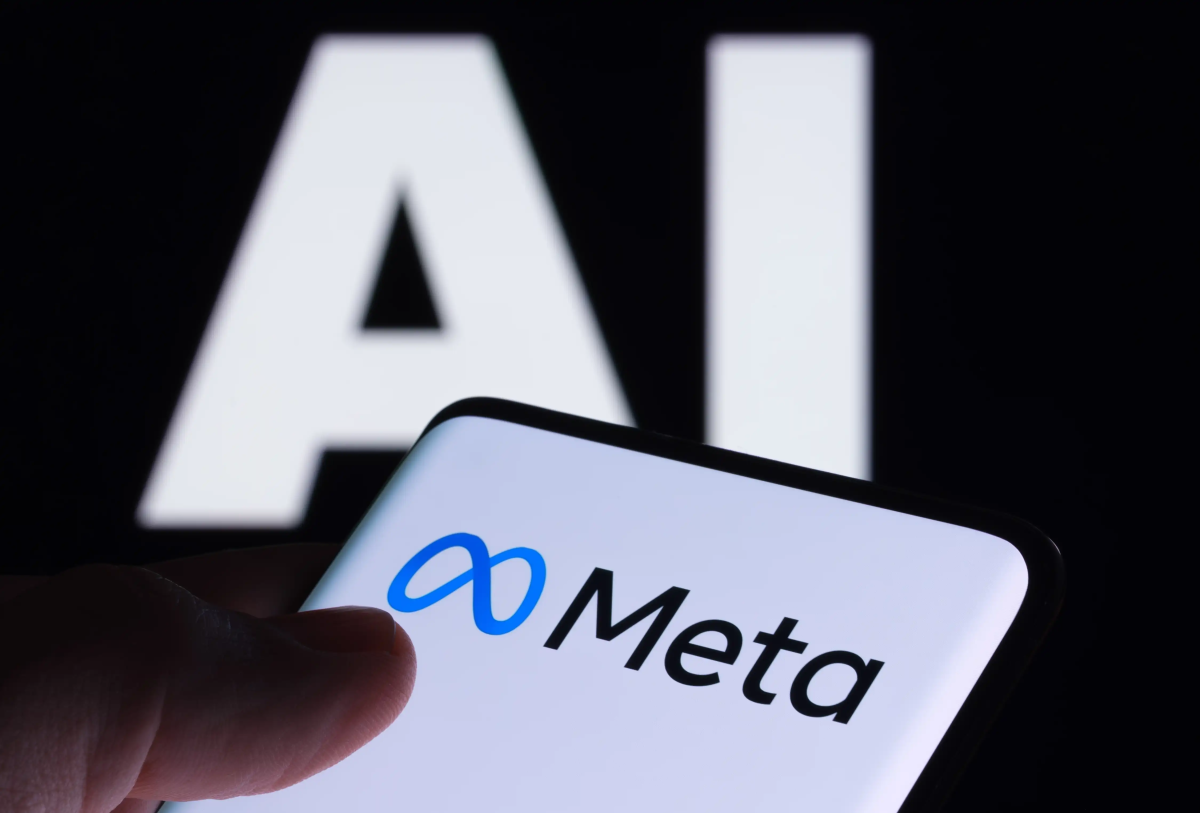
Meta has just had one of its most important AI moments yet and the early signals are hard to ignore. Following the launch of its newest AI model Muse Spark, the company’s standalone Meta AI app surged dramatically in popularity, hinting at a much larger shift that is beginning to take shape. The release is particularly significant because it marks the first major AI model rollout under Alexandr Wang, who joined Meta to reboot its AI strategy. This is not just another incremental update. It represents a more aggressive and focused push into the AI race. According to data from Appfigures, Meta AI jumped from number 57 to number 5 on the U.S. App Store within a day of the launch. That kind of movement rarely happens without a strong underlying pull from users. It signals not curiosity but intent.
Instagram has rolled out a small but long overdue feature that users have been asking for years. You can now edit your comments after posting them. This simple change solves a very real frustration. Until now, fixing even the smallest typo meant deleting your comment and writing it all over again. That friction is finally gone. But there is a boundary. You get a 15 minute window after posting to make edits. Within that time, you can update your comment as many times as you want. There is also a layer of transparency built in. Once a comment is edited, others will be able to see that it has been modified. However, unlike platforms such as iMessage, Instagram does not show the edit history. What was originally written stays hidden.
Join independent creators, thought leaders, and storytellers to share your unique perspectives, and spark meaningful conversations.