
Honestly the series works BECAUSE the premise sounds ridiculous. If you describe it to someone with a straight face they'll think you're joking and then they read three chapters and can't stop.
Sign up to see more
SignupAlready a member?
LoginBy continuing, you agree to Sociomix's Terms of Service, Privacy Policy

Honestly the series works BECAUSE the premise sounds ridiculous. If you describe it to someone with a straight face they'll think you're joking and then they read three chapters and can't stop.
I picked this up expecting a power fantasy and ended up crying at 2am. Not what I planned for a Tuesday.
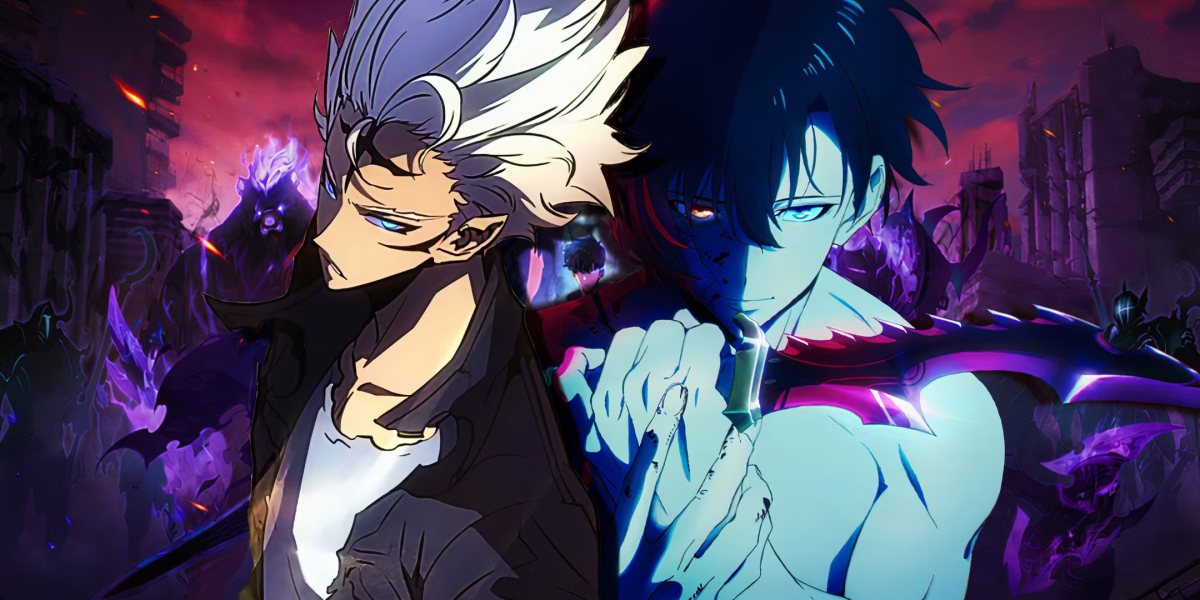
The manhwa world exploded when Solo Leveling first introduced us to Sung Jinwoo's journey from the weakest hunter to humanity's strongest defender. Now, Solo Leveling Ragnarok brings a fresh perspective to this beloved universe, and fans everywhere are asking the same questions. Can the sequel live up to the original? Do you need to read Solo Leveling first? What makes this continuation worth your time? This guide covers everything you need to know about Solo Leveling Ragnarok, whether you're a longtime fan or someone curious about jumping into the series Solo Leveling Ragnarok is not a reboot or alternate timeline. This is a direct sequel that continues the story years after the original series concluded. The protagonist shifts from Sung Jinwoo to his son, Sung Suho, who must forge his own path in a world still recovering from the catastrophic events his father prevented.
If you're new to manhwa or looking to understand what all the hype is about regarding system and leveling stories, you've arrived at exactly the right place. The system genre has become one of the most popular and accessible entry points into Korean comics, offering clear progression mechanics, satisfying power growth, and narratives that feel like playing your favorite RPG or video game brought to life on the page. System manhwa feature protagonists who gain access to game-like interfaces that display stats, skills, quests, and levels. These systems provide clear frameworks for character growth and power progression. You can literally see the protagonist getting stronger through numbers increasing, new abilities unlocking, and challenges being overcome. This visual and concrete progression creates deeply satisfying reading experiences that hook readers from the first chapter.
Three months in on the free tier and only hit the 25 credit limit twice. Using it mostly for autocomplete and small refactors. For light usage the free plan is genuinely viable.
Genuinely, who do you think wins this? Not in terms of revenue right now but in five years when compute gets cheaper and model quality converges across everyone. What's the actual moat?
The action item extraction is impressive when it works. The AI correctly identified who committed to what in three separate discussions during a product planning session and got it right each time. That surprised me.
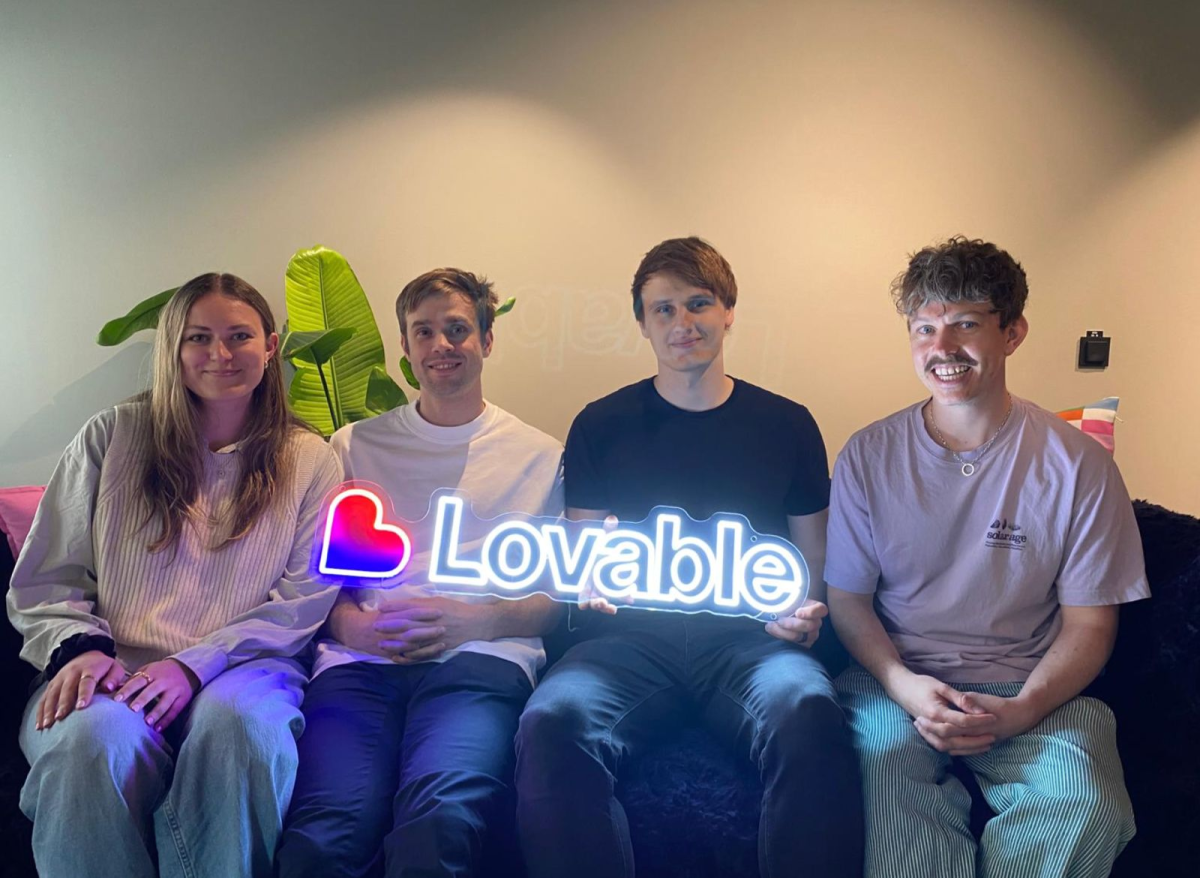
The software development world just witnessed something unprecedented. A European startup called Lovable reached $20 million in annual recurring revenue in just two months, making it potentially the fastest-growing startup in European history. But here's the twist that's making traditional software agencies nervous: they did it by giving non-technical founders the power to build full-stack applications without writing a single line of code. For years, the promise of no-code tools has been the same: anyone can build an app. But the reality has always been different. You'd create a beautiful frontend, get excited about your progress, and then hit the technical cliff. Suddenly you needed to configure databases, set up authentication, manage API keys, and deploy to servers. The "no-code" dream became a "hire-a-developer-anyway" nightmare.
There's a version of this where AI avatar training videos become so ubiquitous and indistinguishable that employees stop trusting any video communication as authentic. That trust erosion risk feels underrated.
The edited tag appears as soon as you save any edit, even within the 15 minute window. So yes, if someone is reading your comment while you are mid-correction they will see the tag before you have even finished.
Real talk, the real winner here might be India. 3.5 billion users across Meta's platforms with a huge and growing share coming from the subcontinent means Muse Spark rolling into WhatsApp there is going to touch an enormous number of lives very quickly.
Silver down 1% and Bitcoin up 3% on the same day is the kind of rotation that makes macro people nervous and crypto people ecstatic.
The parent in the article who said she feels better knowing TikTok can intervene in her daughter's DMs. That is a completely valid feeling and I think privacy advocates dismiss it too quickly.
Cautiously optimistic. Every time I get excited about a move like this, I remember April is historically one of the most volatile months for crypto. Enjoying the green but keeping my stops tight.
Wait, what about smaller companies that also run critical infrastructure? A 50-person fintech running legacy code is not getting access to this, but they are just as vulnerable as anyone on the partner list.
Genuinely asking, has any major platform that removed E2EE or avoided it ever subsequently shown that it meaningfully reduced child exploitation on their platform? Like is there actual outcome data on this?
What I appreciate about the article is that it does not pretend this was some purely organic moment. It acknowledges the strategic layer while still giving credit to the genuine connection.
I tried a similar outfit but swapped the bucket bag for a crossbody and it worked just as well. The key is keeping that brown leather element to tie it all together.