Probably not most, but there is definitely overlap where timing is the variable and food type gets blamed unfairly. A functional medicine approach would untangle those but many people never get that far.
6
Sign up to see more
SignupAlready a member?
LoginBy continuing, you agree to Sociomix's Terms of Service, Privacy Policy

Probably not most, but there is definitely overlap where timing is the variable and food type gets blamed unfairly. A functional medicine approach would untangle those but many people never get that far.
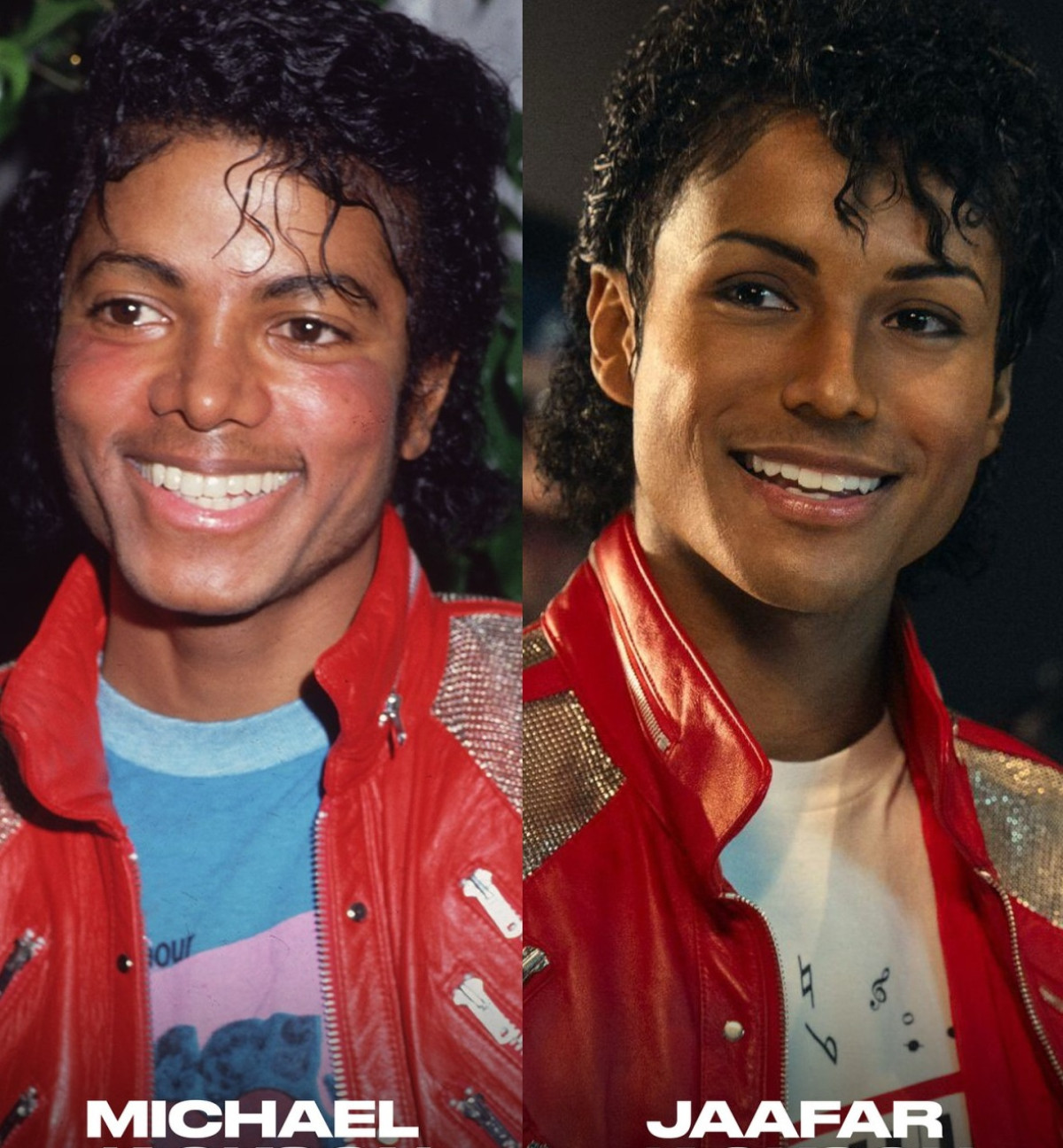
Jaafar Jackson plays Michael Jackson in the 2026 biopic Michael, and the story of how the 29-year-old newcomer landed the role is more interesting than the film itself. It started with a voice note. It involved a two-year global casting search with no formal auditions. It required Jaafar to keep the role secret from his own family for a full year. And it ended with his grandmother Katherine Jackson, the woman who knew Michael longest and loved him most, telling producers that her grandson didn't just resemble her son, he embodied him. After tracking every interview, behind-the-scenes video, and production report released since the film was announced, I can tell you that the choice of Jaafar was not nepotism, not a publicity play, and not the obvious pick everyone assumes it was. It was a hard-earned outcome of the most unusual casting process in recent biopic history, and here is how it actually happened.
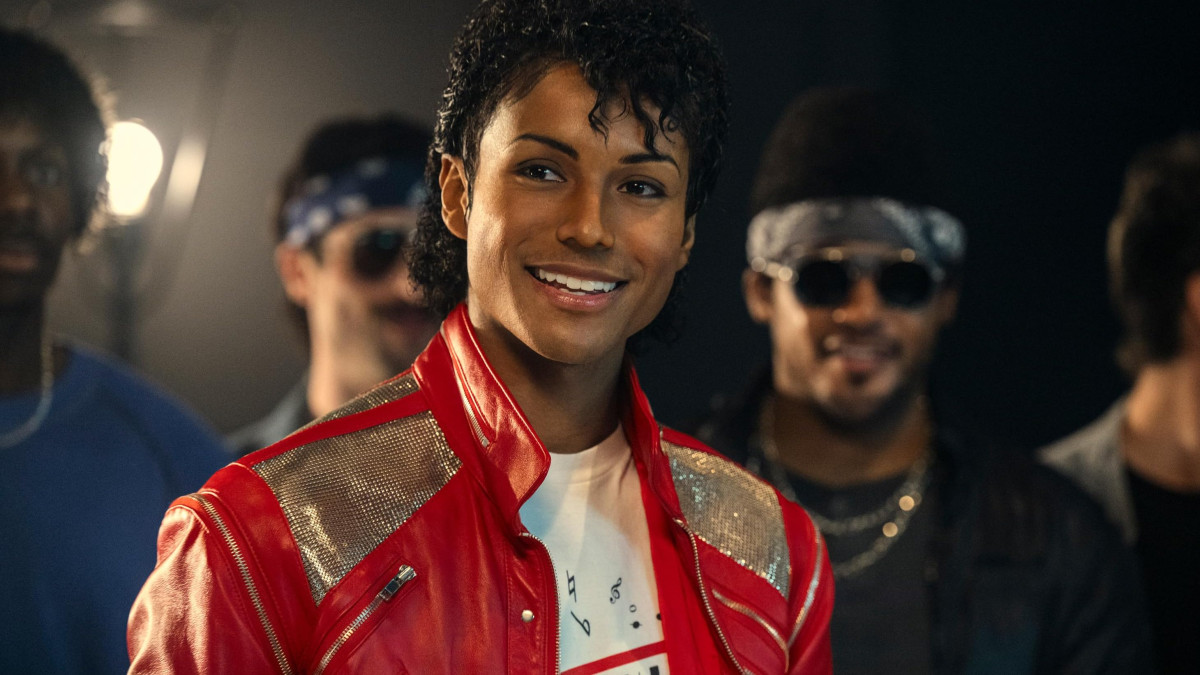
The Michael movie review verdict is in, and it is more complicated than the 26% Rotten Tomatoes score suggests. Antoine Fuqua's long-delayed Michael Jackson biopic, simply titled Michael, hit theaters this weekend with Jaafar Jackson playing his late uncle, and the critical response has been brutal. The BBC gave it one star. Roger Ebert's site called it a filmed playlist in search of a story. Yet early audience reactions on social media have been warmer, ticket pre-sales suggest an $80 million opening, and Variety thought it worked as an engrossing middle-of-the-road biopic. After tracking coverage across more than a dozen outlets over the past 48 hours, I think the honest answer to "should you watch this?" depends almost entirely on what you want from a music biopic, and this guide breaks down exactly what the film delivers, what it skips, and who will actually enjoy sitting through its two-hour-and-nine-minute runtime.
The article makes a point about male protagonists having different social mobility than female ones in period settings and I think that is actually underselling it. The entire power dynamic shifts. Elliot can challenge Arzen in ways a female protagonist structurally cannot, and that changes the romance.
That is a completely reasonable position and honestly the most honest test of whether a series lives up to ambitious framing is time. If people are still recommending this in two years the reinvention claim will have earned itself.
My issue with the Warrior Returns is that the tonal whiplash between comedy moments and serious action can sometimes feel jarring. That said the emotional beats around reconnecting with family absolutely landed for me.
Hard disagree that this is the darkest release of 2026. Dark in tone yes, but there is a stability to the protagonist that keeps it from feeling hopeless. Darkness implies despair and Skeleton Messenger feels more like resignation, which is completely different.
The QWER opening theme announcement got me more excited than almost anything else. A Korean girl group doing their first Japanese anime tie-up for this show feels like a genuinely cool cultural moment.
The vibe coding wave is real and Replit is riding it harder than anyone. Andrej Karpathy named the trend and now the entire dev tooling space is scrambling to own it.
Eleceed being animated by DandeLion Animation Studio is both exciting and terrifying. They did incredible work on The First Slam Dunk but that was sports. Kayden's fat cat face in 3D is either going to be adorable or deeply unsettling.
Coming in with a mild counterpoint. The tomb exploration sequences in the manhwa are great but they can also bog down the pacing significantly in the middle of the series. Animation might actually fix this by tightening the visual storytelling.
Tabs are unlimited even on the free plan. That alone makes Windsurf worth having installed even if you never pay for a subscription.
The claim that this builds trust because people reference transcripts in legal contexts is doing a lot of work given the active litigation currently challenging whether this tool violated recording laws. Trust is complicated.
The designer-developer relationship has been tense for decades. Designers create pixel-perfect mockups in Figma. Developers translate them to code and somehow everything looks slightly wrong. Fonts don't match. Spacing is inconsistent. Buttons have different corner radiuses. Both sides get frustrated, blame each other, and the product suffers. V0 by Vercel is fixing this problem by generating production-quality React components that look exactly like the designs. The rebrand from v0.dev to v0.app in January 2026 signaled expanded ambitions beyond just UI component generation. Vercel positioned the tool for full-stack web development, though its core strength remains frontend excellence. That strategic clarity matters because trying to be everything often means excelling at nothing. V0 chose to dominate the handoff between design and code before expanding into other areas.
Genuinely curious, does anyone know if Anthropic's safety focus actually influences which enterprise customers choose them, or is it mostly just Claude Code being better at coding tasks? Because those are very different stories about why they're winning.
Editing is cool. Now let me pin my own comment on my own post. That would be more useful than any of this.
The artificial intelligence industry is entering a new phase of competition, one that extends far beyond the development of advanced language models and neural networks. Companies are now engaged in an intense struggle to secure the computational infrastructure necessary to train and deploy their AI systems. In this context, Anthropic has reportedly begun exploring the possibility of designing and manufacturing its own specialized processors to power Claude, its flagship conversational AI platform, along with its broader suite of artificial intelligence technologies. This strategic consideration emerges at a critical moment in the global AI sector. The exponential growth in model complexity and capability has created unprecedented demand for high-performance computing resources. Sources familiar with the matter indicate that Anthropic is conducting feasibility studies to determine whether developing proprietary semiconductor technology could reduce its dependence on external hardware vendors while ensuring reliable access to the computing power required for its operations.
Not gonna lie, the article is well-written but feels like it was constructed to be bullish with a small bow of risk warnings tied at the end. Real risk here deserves more than the last two paragraphs.