
The relics having wills tied to their origins means you cannot just mindlessly stack power. You have to actually manage your collection like a roster. That strategic layer makes Jooheon feel like a manager and a fighter at the same time.
Sign up to see more
SignupAlready a member?
LoginBy continuing, you agree to Sociomix's Terms of Service, Privacy Policy
Sign up to see more
SignupAlready a member?
LoginBy continuing, you agree to Sociomix's Terms of Service, Privacy Policy

The relics having wills tied to their origins means you cannot just mindlessly stack power. You have to actually manage your collection like a roster. That strategic layer makes Jooheon feel like a manager and a fighter at the same time.
The regression subgenre has exploded in popularity over the past few years, becoming one of the most beloved narrative frameworks in Korean manhwa. The core premise is deceptively simple: a protagonist dies or fails catastrophically, then returns to an earlier point in time with their memories intact. Armed with future knowledge, they get a second chance to change their fate, save loved ones, gain power, or pursue revenge against those who wronged them. What makes regression stories so compelling is the combination of dramatic irony, strategic satisfaction, and emotional depth they provide. Readers know what the protagonist knows, creating tension when other characters make mistakes we can see coming. We feel smart alongside protagonists who use foreknowledge to outmaneuver enemies. And we experience the emotional weight of carrying memories of futures that haven't happened yet, of people who died who are currently alive, of betrayals that haven't occurred.
Sports anime and manga have delivered countless memorable series over the decades, from Slam Dunk's basketball brilliance to Haikyuu's volleyball excellence. These stories typically follow familiar patterns: talented but inexperienced protagonist joins a team, forms bonds with teammates, faces rivals, grows through competition, and ultimately pursues championship glory. The formula works because it taps into universal themes about effort, teamwork, and self-improvement. The Boxer, created by JH, takes everything you expect from sports stories and systematically deconstructs it. The protagonist doesn't love boxing. He doesn't form deep bonds with teammates. He doesn't overcome challenges through friendship and determination. Instead, the manhwa presents one of the darkest, most psychologically complex examinations of combat sports ever created, wrapped in stunningly minimalist artwork that elevates the narrative to something approaching high art.
Honestly worried the anime will sanitize Yu's emptiness and give him a more conventional emotional arc just to make him relatable to a broader audience. That would completely ruin the point.
The article mentions you own the code through GitHub sync. What it does not mention is that most non-technical founders have no idea what to do with that code if something goes wrong. Ownership without comprehension has real limits.
Good question, actually. Their AI dubbing supports around 30 languages with proper lip sync, and the full text to speech library covers 140 plus. So the experience quality does vary depending on which tier of language support you are using.
Knowledge workers spend an average of 18 hours per week in meetings. Much of that time involves routine status updates, recurring check-ins, and informational sessions where your physical presence adds minimal value. Otter.ai introduced a provocative concept called OtterPilot: an AI assistant that joins meetings autonomously when you can't attend, records everything, generates summaries, and answers questions about what happened. Connect Otter.ai to your calendar. The system monitors your scheduled meetings and automatically joins Zoom, Google Meet, or Microsoft Teams calls when they start. OtterPilot records audio, generates real-time transcripts, identifies speakers, and creates AI summaries with action items. You receive a meeting briefing without attending the meeting yourself.
Switched from GitHub Copilot at $10 to Windsurf and I cannot say the quality delta justified the price difference for my specific workflow. Heavy on SQL migrations and the suggestions there are about the same.
OpenAI and Anthropic both teaming up with Google to block Chinese model distillation is one of the most significant geopolitical tech stories of the year and it's being treated as a footnote. The era of AI as neutral technology is definitively over.
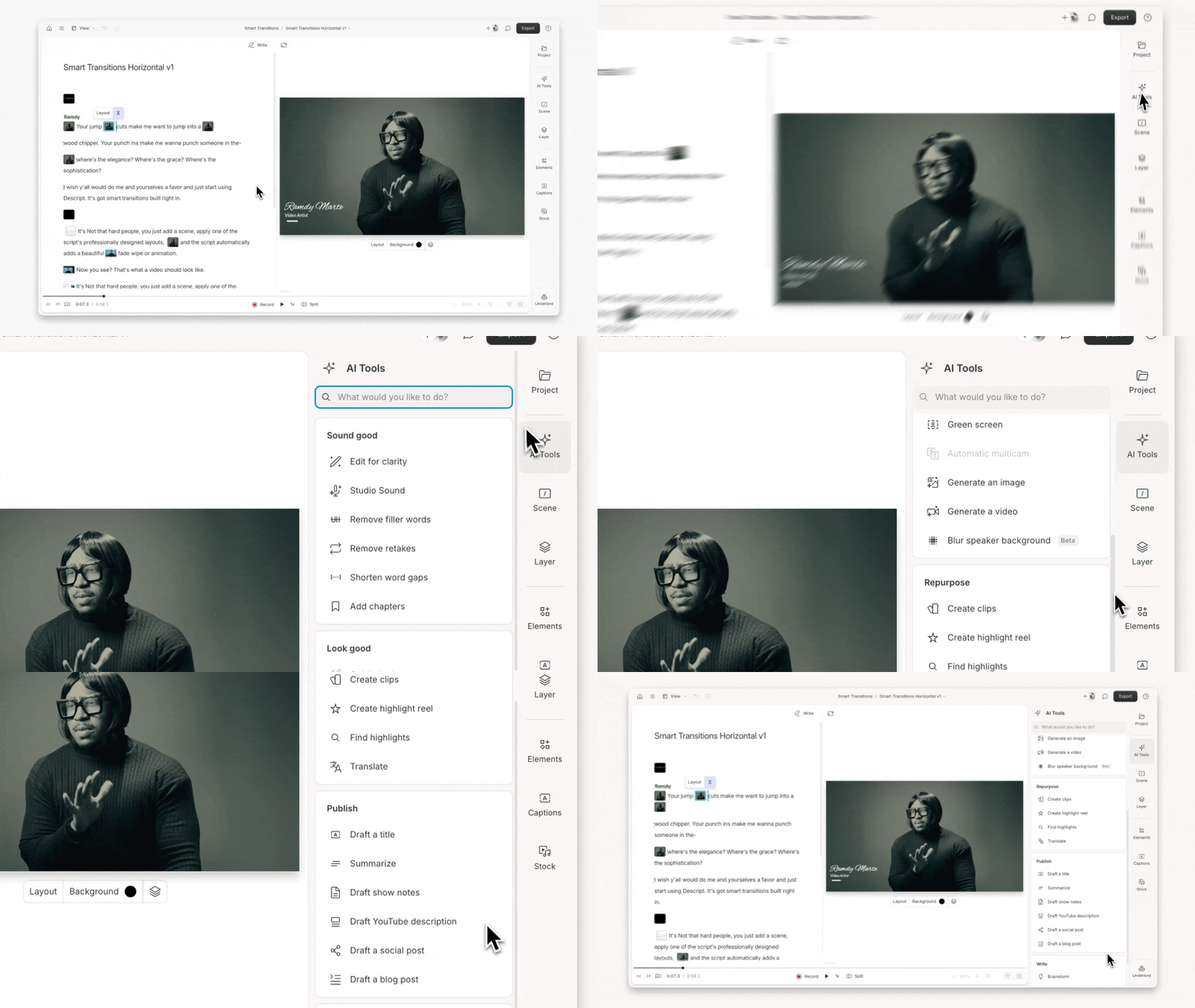
Most people can edit a Google Doc. Delete some words, rearrange sentences, fix typos, add paragraphs. It's intuitive and requires no special training. Now imagine editing video the same way. That's Descript's core innovation, and it transformed video editing from a specialized skill requiring expensive software into something anyone who can edit text can do effectively. Descript started as a transcription tool for podcasters. Record your podcast, upload it to Descript, and get an accurate transcript for show notes. But the founders realized something bigger. If you have a perfect transcript synchronized to audio, you can edit the audio by editing the text. Delete a word from the transcript and that word disappears from the audio. That insight became the foundation for a complete editing platform.
Hot take, TikTok is the most honest platform out there right now. At least they are telling you upfront that they can read your messages. Meta spent years pretending to care about E2EE and then quietly rolled it back this spring.
That framing is not just branding though. The partners are specifically tasked with patching what is found, and the 135-day disclosure requirement means findings cannot just be buried. The incentive structure is pointed in the right direction even if it is imperfect.
The WhatsApp comparison is interesting since WhatsApp also does not show version history on edited messages. It seems like Meta has a consistent internal policy across its apps to show the edited label but hide original content.
The part where they disclosed that a Chinese state-sponsored group already used Claude to autonomously execute cyberattacks across roughly 30 targets last year is the buried lede of this whole announcement. That happened. We are already in that timeline.
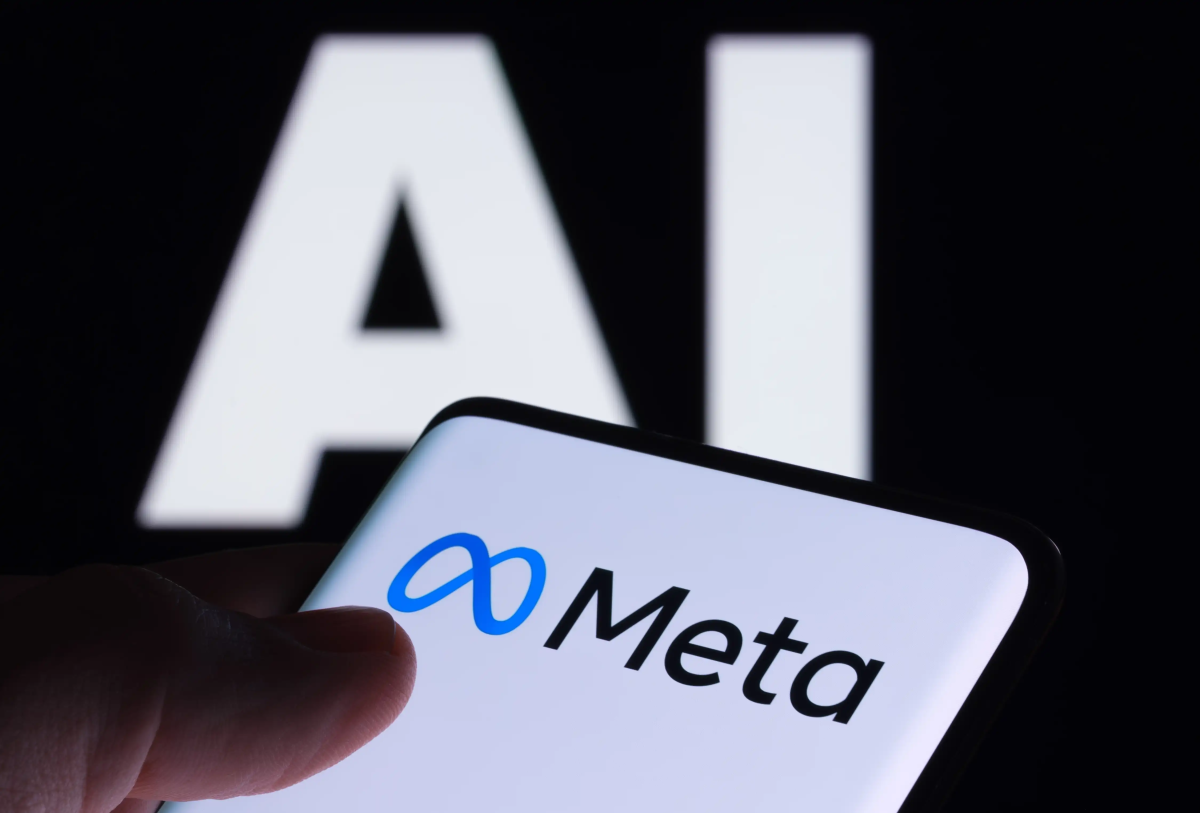
Meta has just had one of its most important AI moments yet and the early signals are hard to ignore. Following the launch of its newest AI model Muse Spark, the company’s standalone Meta AI app surged dramatically in popularity, hinting at a much larger shift that is beginning to take shape. The release is particularly significant because it marks the first major AI model rollout under Alexandr Wang, who joined Meta to reboot its AI strategy. This is not just another incremental update. It represents a more aggressive and focused push into the AI race. According to data from Appfigures, Meta AI jumped from number 57 to number 5 on the U.S. App Store within a day of the launch. That kind of movement rarely happens without a strong underlying pull from users. It signals not curiosity but intent.
The detail about the Chinese state-sponsored group that achieved 80 to 90 percent autonomous tactical execution using Claude back in September 2025 should have been the headline of every major newspaper. That story got buried.
CrowdStrike reporting an 89 percent increase in attacks by adversaries using AI year over year puts a number on something everyone in the industry was feeling but struggled to quantify.
In a rare divergence from industry norms, TikTok has confirmed it will not adopt end-to-end encryption (E2EE) for direct messages, breaking with nearly every major social media platform and reigniting one of the tech industry's most contentious debates. The Chinese-owned video platform told the BBC exclusively that it believes the privacy technology championed by Meta, Apple, and others as essential for user protection actually makes users less safe by creating "dark spaces" where harmful content can flourish beyond the reach of safety teams and law enforcement. The decision puts TikTok in direct opposition to its competitors while potentially exposing the company to fresh criticism over data protection, particularly given ongoing concerns about its ties to Beijing.
Join independent creators, thought leaders, and storytellers to share your unique perspectives, and spark meaningful conversations.