Hot take, brain wealth is just biohacking with better branding. The underlying ideas have been around for decades.
20
Sign up to see more
SignupAlready a member?
LoginBy continuing, you agree to Sociomix's Terms of Service, Privacy Policy
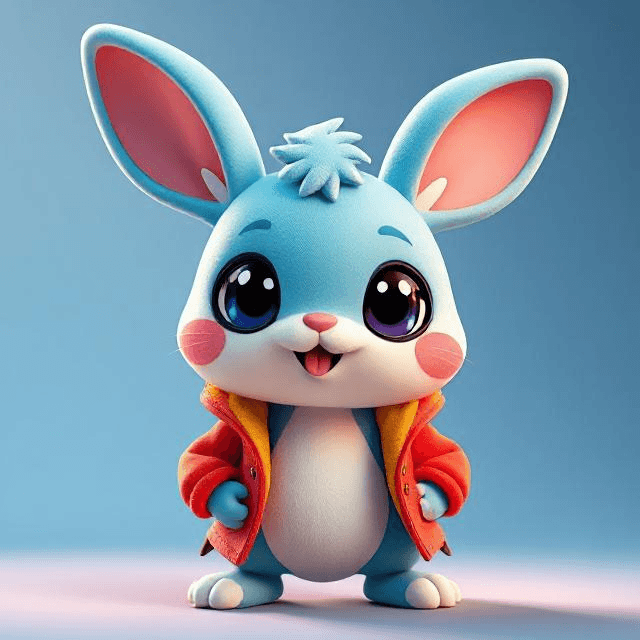
Hot take, brain wealth is just biohacking with better branding. The underlying ideas have been around for decades.
Immediately thought the same thing. The premise almost reads like it was conceived with a potential adaptation in mind. Contained location, procedural structure, morally ambiguous lead. That is a very produceable story.
God of High School's later arcs went off the rails visually though. Power scaling became so abstract the fights stopped being readable. Nano Machine maintains clarity even as the scale grows, which is exactly what GodHS lost.
The article keeps calling the protagonist's existence bleak but I actually find it kind of peaceful? Like watching someone who has made peace with a reality most people would find horrifying. There is something meditative about that.
The bleakness does not feel exploitative is the thing. It feels like someone who actually understands melancholy trying to render it honestly rather than dramatically.
When Tomb Raider King first exploded onto the manhwa scene, it brought a fresh take on dungeon crawling stories by combining archaeological adventure with ruthless protagonist energy and a treasure-hunting premise that felt genuinely different from typical gate and dungeon narratives. The series built a dedicated fanbase through its satisfying blend of historical artifact powers, strategic relic acquisition, and a protagonist who wasn't afraid to be morally gray in pursuit of his goals. Now, with the anime adaptation confirmed for 2026 as one of the most anticipated manhwa-to-anime projects, Tomb Raider King is experiencing a resurgence. New readers are discovering the series while longtime fans eagerly await seeing Jooheon Suh's relic-hunting adventures brought to life with animation. The timing couldn't be better, as the series has built enough content to support a substantial adaptation while maintaining momentum in its ongoing storyline.

While Synthesia leads in revenue, HeyGen leads in customer acquisition momentum with 152% year-over-year growth in mid-market adoption. That explosive growth rate allowed HeyGen to close much of the customer count gap by late 2025. The company is winning by making avatar video accessible to smaller teams and individual creators who cannot afford enterprise contracts but need professional video capabilities. HeyGen positioned itself for small and medium businesses, marketing teams, content creators, and solo entrepreneurs rather than enterprise learning and development departments. This market segment values affordability, ease of use, and creative flexibility over governance features and advanced integrations. Average contract values are roughly one-third of Synthesia's, reflecting this different customer profile.
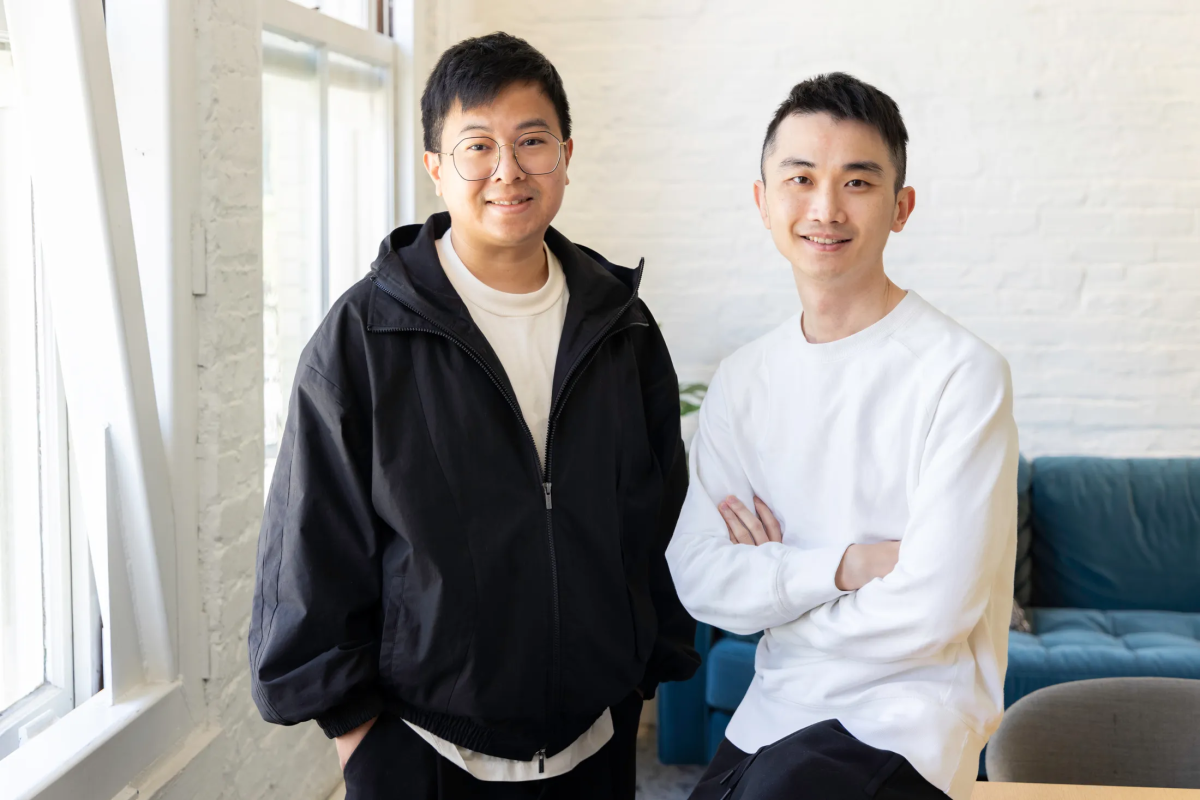
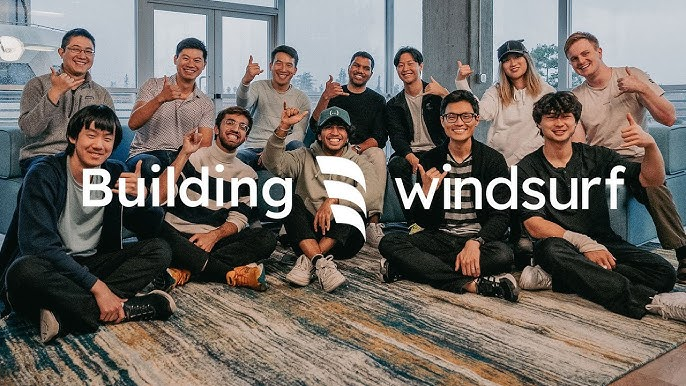
Developers have a new anxiety in 2026: token anxiety. You're in the middle of debugging a complex problem, the AI is helping you refactor three files simultaneously, and suddenly you wonder if this session is about to cost you $50. That mental tax slows you down and makes you second-guess using the tool you're paying for. Windsurf eliminated that anxiety with a simple decision: flat monthly pricing with no token limits. Fifteen dollars per month. Unlimited usage. No tracking credits or calculating costs per query. That pricing model sounds almost boring compared to the complex token systems other AI coding tools use, but boring is exactly what professional developers want when it comes to pricing. They want predictable costs and unlimited usage so they can focus on writing code instead of budgeting AI queries.
As someone who works in enterprise software sales, the shift I've seen in 2026 toward Claude is real and it happened faster than anything I've experienced in 15 years. Procurement teams that wouldn't even take an Anthropic meeting in 2024 are now signing multi-year contracts without much negotiation. The brand trust flipped almost overnight.
As someone who has been through coordinated disclosure processes at scale, 135 days is generous by some standards and brutal by others depending on the complexity of the patch. The real question is whether the affected vendors actually have bandwidth to respond that fast.
What the article gets right is that this is less about catching OpenAI and more about redefining where AI lives. Meta is not building a ChatGPT competitor. They are building AI infrastructure for a different kind of use entirely, ambient, social, and embedded in existing behavior rather than requiring deliberate tool adoption.
Meta has just had one of its most important AI moments yet and the early signals are hard to ignore. Following the launch of its newest AI model Muse Spark, the company’s standalone Meta AI app surged dramatically in popularity, hinting at a much larger shift that is beginning to take shape. The release is particularly significant because it marks the first major AI model rollout under Alexandr Wang, who joined Meta to reboot its AI strategy. This is not just another incremental update. It represents a more aggressive and focused push into the AI race. According to data from Appfigures, Meta AI jumped from number 57 to number 5 on the U.S. App Store within a day of the launch. That kind of movement rarely happens without a strong underlying pull from users. It signals not curiosity but intent.
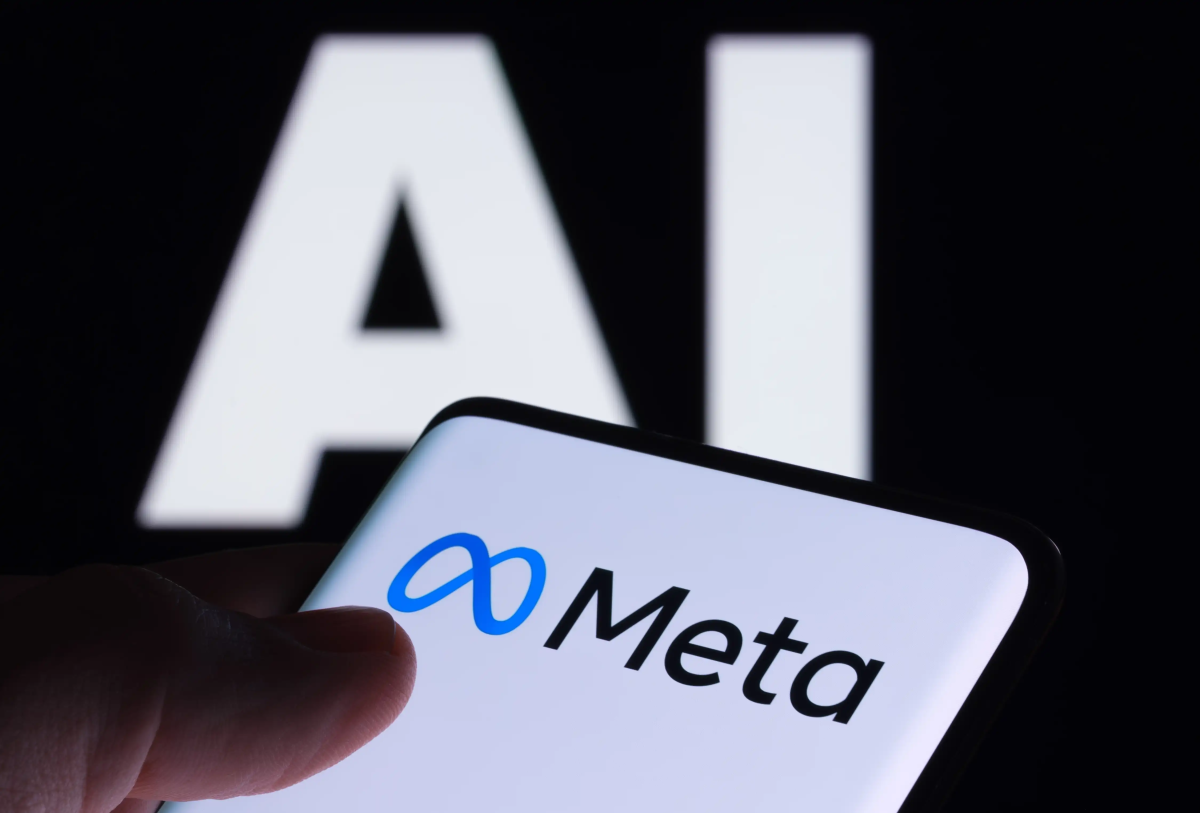
The article mentions that Meta's advantage is not just the model but the network. That is genuinely true and genuinely underappreciated. The marginal cost of adding AI to a platform where people already spend hours a day is essentially zero. You are not acquiring users. You are activating them.
In a rare divergence from industry norms, TikTok has confirmed it will not adopt end-to-end encryption (E2EE) for direct messages, breaking with nearly every major social media platform and reigniting one of the tech industry's most contentious debates. The Chinese-owned video platform told the BBC exclusively that it believes the privacy technology championed by Meta, Apple, and others as essential for user protection actually makes users less safe by creating "dark spaces" where harmful content can flourish beyond the reach of safety teams and law enforcement. The decision puts TikTok in direct opposition to its competitors while potentially exposing the company to fresh criticism over data protection, particularly given ongoing concerns about its ties to Beijing.
Genuinely curious, does anyone know if she wore a second look or just the one white cape outfit the whole time?
Sporty outfit featuring black and white windbreaker, mesh detailed crop top, geometric patterned leggings, black knit sneakers, and cycling gloves
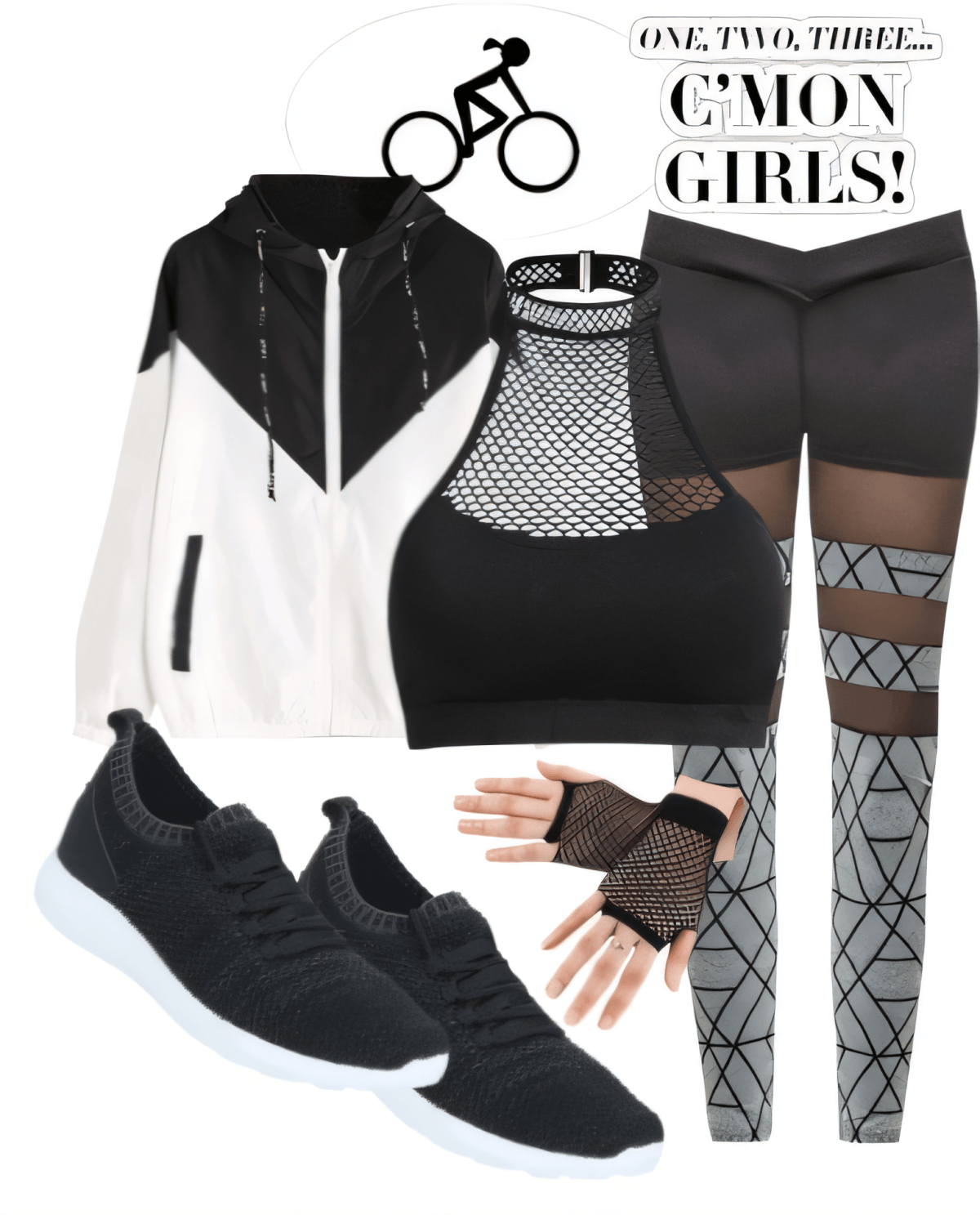
I need this entire look for my company's Christmas party! Do you think I could wear sheer black tights with it when it's cold?