The whole debate about whether you can separate the art from the artist gets weirdly sidestepped by a film that just pretends the difficult part of the question never arose. That is not a resolution, it is an avoidance.
23
Sign up to see more
SignupAlready a member?
LoginBy continuing, you agree to Sociomix's Terms of Service, Privacy Policy

The whole debate about whether you can separate the art from the artist gets weirdly sidestepped by a film that just pretends the difficult part of the question never arose. That is not a resolution, it is an avoidance.
Critics have not singled him out much either way which probably means he does solid work without the script giving him much to do. The Quincy relationship seems like it was compressed significantly from the original cut.
The creators behind some of Webtoon's most successful psychological thrillers have returned with a series that's already generating intense discussion across manhwa communities. For fans who've been following the horror and thriller genre on digital platforms, Carnby Kim and Youngchan Hwang need no introduction. Their latest collaboration tackles themes of artistic plagiarism, obsession, and murder in ways that feel disturbingly relevant to current conversations about creative theft and AI-generated content. This guide covers everything you need to know about Copycat, from its premise and release schedule to how it compares with their previous masterpieces like Sweet Home and Bastard.
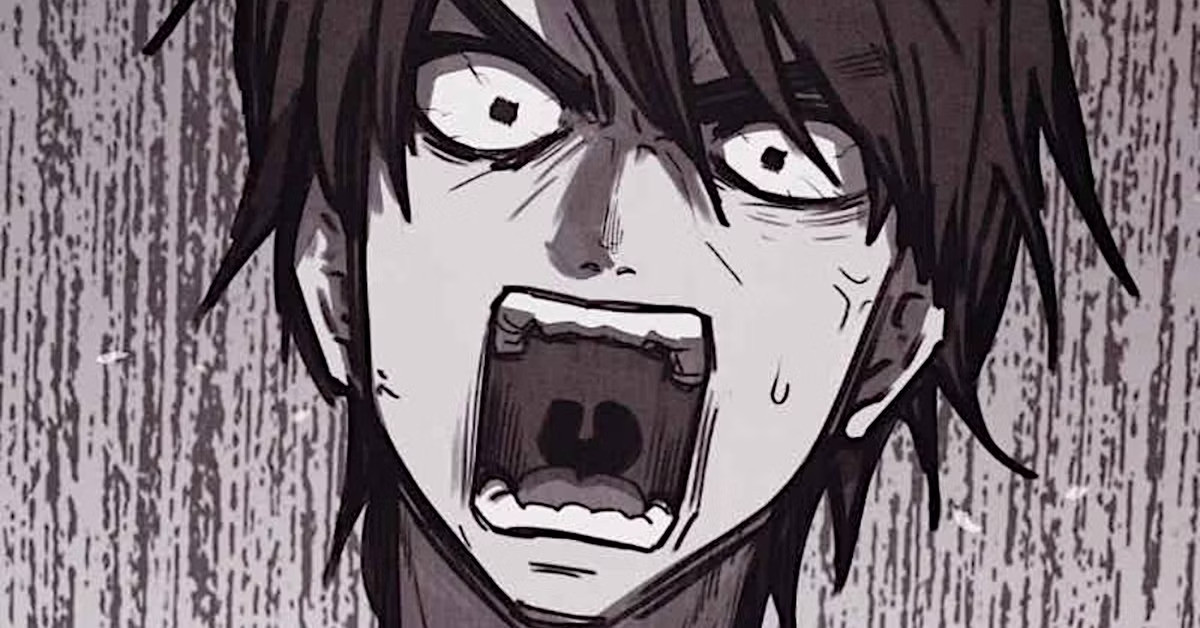
Does anyone else find it interesting that the web novel actually finished in July 2025 but the manhwa is still ongoing? So technically we already know how the full story ends, we're just waiting on the visual adaptation to catch up.
The fact that supporting characters know the messenger will outlive them and choose connection anyway is the emotional core of this series and everything else radiates out from that.
Speaking from experience reading murim manhwa for close to a decade, most series use qi visualization as an afterthought. Generic aura, maybe some floating particles. Nano Machine actually makes internal energy feel like a system with rules and logic, and that changes how fights read completely.
The manhwa world exploded when Solo Leveling first introduced us to Sung Jinwoo's journey from the weakest hunter to humanity's strongest defender. Now, Solo Leveling Ragnarok brings a fresh perspective to this beloved universe, and fans everywhere are asking the same questions. Can the sequel live up to the original? Do you need to read Solo Leveling first? What makes this continuation worth your time? This guide covers everything you need to know about Solo Leveling Ragnarok, whether you're a longtime fan or someone curious about jumping into the series Solo Leveling Ragnarok is not a reboot or alternate timeline. This is a direct sequel that continues the story years after the original series concluded. The protagonist shifts from Sung Jinwoo to his son, Sung Suho, who must forge his own path in a world still recovering from the catastrophic events his father prevented.
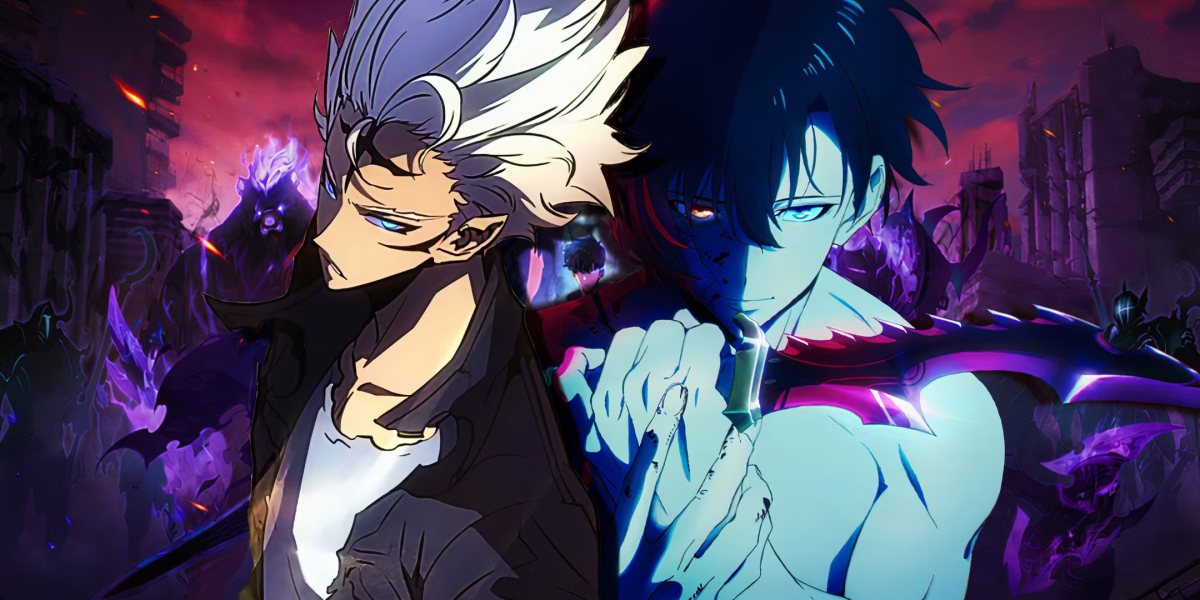
Been following since near the beginning and watching the global fanbase grow has been genuinely satisfying. This series earned every reader it has.
Anyone else reading the web novel version in parallel with the manhwa? Curious how different the characterization feels.
Honestly this is just Nano Machine energy but turned up to eleven with an alien invasion. Not a complaint, just an observation.
The multilingual feature is being wildly undersold. Course creators charging the same price to Spanish and Portuguese speakers as English speakers, for content they generated in twenty minutes? That is a real arbitrage that changes creator economics.
The psychological freedom argument is the strongest one in the article. Cognitive taxation from micro-cost decisions is a real productivity killer. Flat pricing genuinely removes a category of friction.
The comparison to chess Elo is clever marketing because chess Elo is universally understood as rigorous. But chess has a single fixed set of rules. AI video preference is culturally influenced, prompt-dependent, and shifts with the voting community. Worth remembering.
That YouTube retention point is worth expanding. HeyGen solves the production bottleneck but it does not solve the script quality bottleneck. Your avatar can post every day and still fail if the ideas are weak. Volume is not the variable most channels are missing.
The claim that this builds trust because people reference transcripts in legal contexts is doing a lot of work given the active litigation currently challenging whether this tool violated recording laws. Trust is complicated.
Does the protagonist ever speak about who she was before? Or is that completely kept from the reader for now?
Every team I know running serious AI coding workflows has at least one person whose whole job is basically prompt engineering and output review. That is not the efficiency gain these tools promised.
Figma has been trying to close this design to code gap with its own Dev Mode for years. v0 basically lapped them by approaching the problem from the code side rather than the design side. Sometimes the better angle is not the obvious one.
While Synthesia leads in revenue, HeyGen leads in customer acquisition momentum with 152% year-over-year growth in mid-market adoption. That explosive growth rate allowed HeyGen to close much of the customer count gap by late 2025. The company is winning by making avatar video accessible to smaller teams and individual creators who cannot afford enterprise contracts but need professional video capabilities. HeyGen positioned itself for small and medium businesses, marketing teams, content creators, and solo entrepreneurs rather than enterprise learning and development departments. This market segment values affordability, ease of use, and creative flexibility over governance features and advanced integrations. Average contract values are roughly one-third of Synthesia's, reflecting this different customer profile.
As someone who has been through coordinated disclosure processes at scale, 135 days is generous by some standards and brutal by others depending on the complexity of the patch. The real question is whether the affected vendors actually have bandwidth to respond that fast.