The term brain wealth feels a little too market friendly for my taste but I can't argue with the underlying framework. Proactive, compounding investment in cognitive health is just good strategy regardless of what you call it.
24
Sign up to see more
SignupAlready a member?
LoginBy continuing, you agree to Sociomix's Terms of Service, Privacy Policy

The term brain wealth feels a little too market friendly for my taste but I can't argue with the underlying framework. Proactive, compounding investment in cognitive health is just good strategy regardless of what you call it.
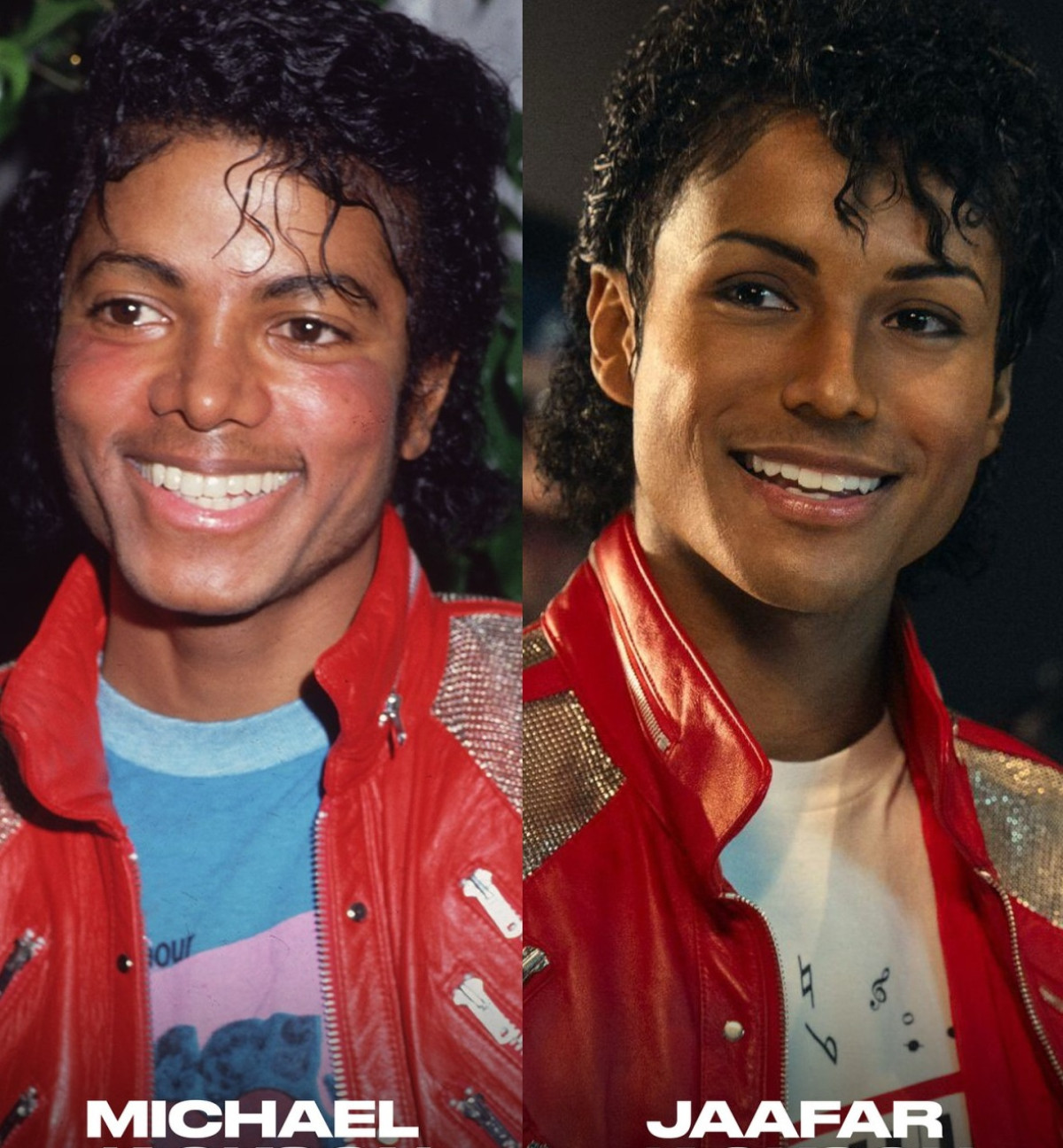
Jaafar Jackson plays Michael Jackson in the 2026 biopic Michael, and the story of how the 29-year-old newcomer landed the role is more interesting than the film itself. It started with a voice note. It involved a two-year global casting search with no formal auditions. It required Jaafar to keep the role secret from his own family for a full year. And it ended with his grandmother Katherine Jackson, the woman who knew Michael longest and loved him most, telling producers that her grandson didn't just resemble her son, he embodied him. After tracking every interview, behind-the-scenes video, and production report released since the film was announced, I can tell you that the choice of Jaafar was not nepotism, not a publicity play, and not the obvious pick everyone assumes it was. It was a hard-earned outcome of the most unusual casting process in recent biopic history, and here is how it actually happened.
Brain wealth is the lifestyle concept redefining how an entire generation thinks about mental health in 2026, and if you have been treating your cognitive fitness as something to address only when something goes wrong, the shift happening right now will feel either overdue or quietly alarming depending on where you stand. The idea is straightforward but the implications are significant: your cognitive capacity, your ability to focus, adapt, learn, regulate your emotions, and think clearly under pressure, is not a fixed trait you are born with. It is a long-term asset you can actively invest in, protect, and grow.

There were reports that a storyline involving one of Michael's accusers had to be removed for legal reasons after a settlement. Whether that is fully accurate or not, the finished film noticeably avoids the allegations entirely.
Bio-harmony eating is the nutrition trend reshaping how people think about food in 2026, and if you have been feeling like calorie counting is making you miserable without actually delivering results, the science behind it will likely resonate immediately. The concept is straightforward - instead of obsessively tracking numbers on a label, you align what you eat, when you eat it, and how much with your body's internal biological clock, your metabolic rhythms, and your gut's own needs. After spending several months testing this approach, shifting my own meals earlier in the day and rebuilding my eating window around natural light cycles, the difference in energy levels and digestion alone was enough to keep me from ever going back to a calorie app. This guide covers what bio-harmony eating actually is, the real science behind it, what a typical day looks like in practice, and who is most likely to benefit.

Hot take: Suchan's emotional arc is secretly about pandemic grief and the way COVID obliterated years of personal ambition for millions of people. The murder plot is almost secondary to that buried wound.
The comparison to Solo Leveling makes sense commercially but creatively they are very different vibes. Solo Leveling is about ascending a power hierarchy. Tomb Raider King is more like watching a master con artist work in a supernatural setting.
The main difference is some dialogue tweaks and the Peace Land arc has reworked character motivations in the published novel version. For most readers the manhwa is fine as an anime source. The bones are the same.
Tomb Raider King has Fuji TV and Kansai TV carrying the Japanese broadcast in July 2026. That level of traditional TV distribution alongside streaming is a signal that the project has serious commercial backing.
This gets recommended in every single isekai discussion thread right now and rightfully so.
SSS-Class Revival Hunter should absolutely have been on this list. A protagonist who gains powers by dying repeatedly is one of the most creative mechanics the genre has ever produced.
That is the single best summary of The Boxer's entire premise I have ever seen stated that concisely. Someone should put that on the back of the physical volumes.
The free plan is genuinely useful for testing, not just a teaser. You get 60 media minutes a month and enough AI credits to actually evaluate whether the workflow fits you.
For teams already standardized on GitHub, Copilot at $10 is probably still the rational default. The ecosystem integration is seamless and the price advantage is real even with Windsurf's current positioning.
Hot take: the developer community gatekeeping around tools like Bolt is less about code quality concerns and more about professional identity anxiety. Which is understandable but should be named for what it is.
Genuinely curious how the AI handles highly technical jargon. Medical terms, legal Latin, engineering acronyms. Does it transcribe those correctly or make plausible sounding errors that are actually wrong?
Both companies are burning billions and everyone's acting like the laws of financial gravity don't apply because the technology is impressive. I've seen this movie before and it doesn't always end with the most impressive tech winning.
The Figma import feature is criminally underrated. Bring in your design frames directly and Bolt converts them into working code. That alone collapses the handoff process between design and engineering by days.
The GitHub commit stat is the one that should concern software educators. We're training computer science students for a job market that is automating the entry level work faster than the curriculum is adapting.
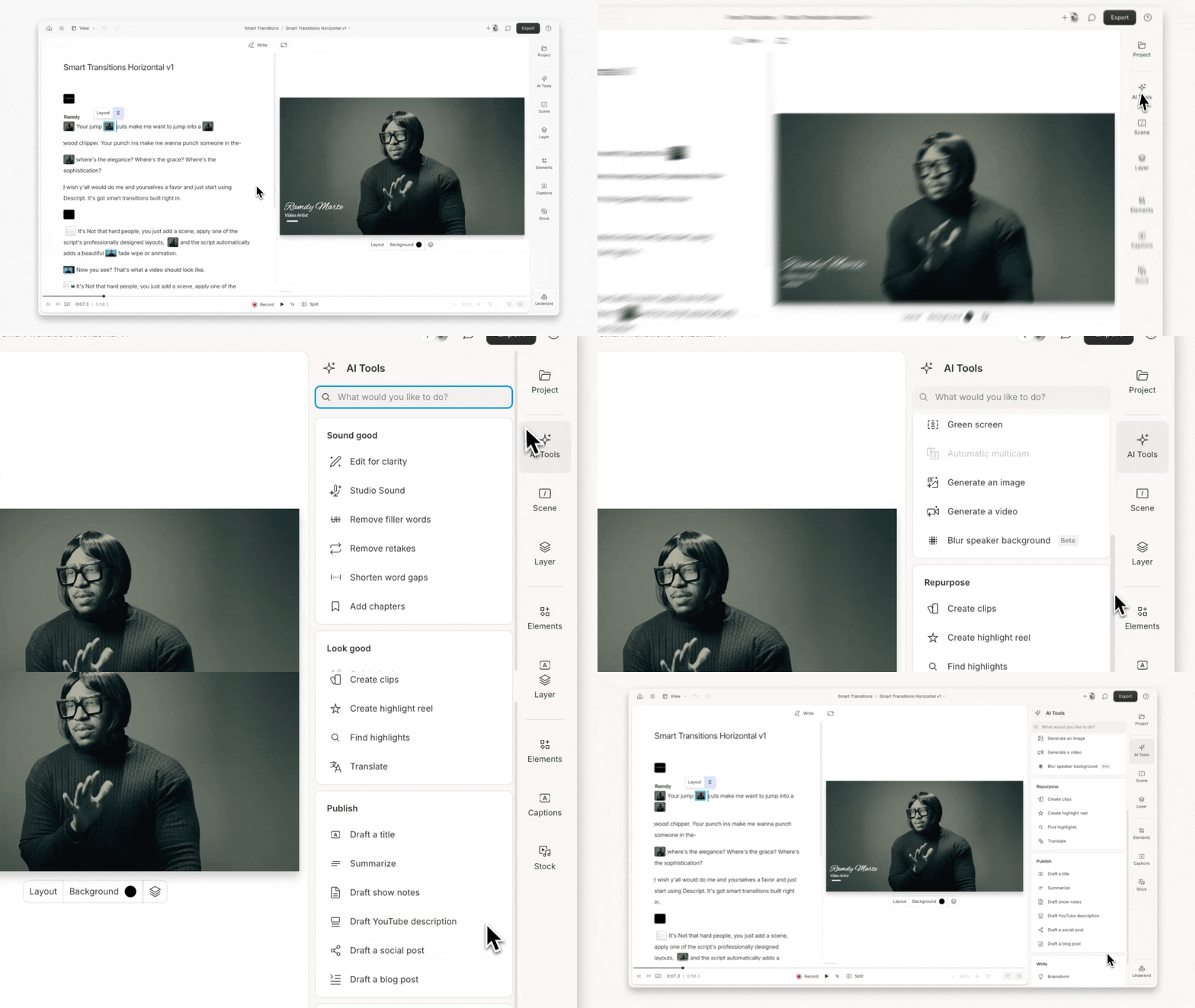
Most people can edit a Google Doc. Delete some words, rearrange sentences, fix typos, add paragraphs. It's intuitive and requires no special training. Now imagine editing video the same way. That's Descript's core innovation, and it transformed video editing from a specialized skill requiring expensive software into something anyone who can edit text can do effectively. Descript started as a transcription tool for podcasters. Record your podcast, upload it to Descript, and get an accurate transcript for show notes. But the founders realized something bigger. If you have a perfect transcript synchronized to audio, you can edit the audio by editing the text. Delete a word from the transcript and that word disappears from the audio. That insight became the foundation for a complete editing platform.