Been a fan of Michael Jackson since childhood and I will say this carefully: I can love the music and the artistry and still think a complete biographical film owes the audience the full story. Those two things are not in conflict.
20
Sign up to see more
SignupAlready a member?
LoginBy continuing, you agree to Sociomix's Terms of Service, Privacy Policy

Been a fan of Michael Jackson since childhood and I will say this carefully: I can love the music and the artistry and still think a complete biographical film owes the audience the full story. Those two things are not in conflict.
Genuinely blown away that his first acting credit is playing one of the most iconic performers who ever lived. No pressure or anything.
Hot take but estate approved biopics should just be banned as a concept. You cannot make a serious film about a complicated artist when the family controls what goes in.
Jooheon's relationship with his sister is the emotional anchor the whole series needs. Without it he would be too cold to follow for hundreds of chapters. The writing understood that early and committed to it.
The regression subgenre has exploded in popularity over the past few years, becoming one of the most beloved narrative frameworks in Korean manhwa. The core premise is deceptively simple: a protagonist dies or fails catastrophically, then returns to an earlier point in time with their memories intact. Armed with future knowledge, they get a second chance to change their fate, save loved ones, gain power, or pursue revenge against those who wronged them. What makes regression stories so compelling is the combination of dramatic irony, strategic satisfaction, and emotional depth they provide. Readers know what the protagonist knows, creating tension when other characters make mistakes we can see coming. We feel smart alongside protagonists who use foreknowledge to outmaneuver enemies. And we experience the emotional weight of carrying memories of futures that haven't happened yet, of people who died who are currently alive, of betrayals that haven't occurred.

The comparison to Nano Machine keeps coming up in these discussions and it makes sense because Nano Machine basically proved that murim plus technology can work as a concept. This series is building on that foundation with much higher narrative ambition.
Second Coming of Gluttony's future sight mechanic adds something that pure regression stories often lack, which is genuine uncertainty even for the protagonist. He knows the past but the future remains foggy and that keeps you invested.
The premise alone sold me. A guy who spent years as the only reader of a web novel suddenly living inside that story is genuinely one of the most original setups in the genre.
The BL (Boys' Love) genre has exploded in popularity over recent years, and isekai stories have dominated manhwa and manga for nearly a decade. Combining these elements seems like an obvious move, yet surprisingly few series have attempted it seriously. Shall I Write You A Love Letter, created by Nickup and Yutae and released on Lehzin in December 2025, takes the familiar otome isekai formula and transforms it into a compelling BL narrative that subverts expectations at every turn. Otome isekai typically features female protagonists transported into romance game worlds where they must navigate relationships with attractive male love interests. The formula has been refined through countless iterations to the point where readers can predict story beats from the first chapter. What makes Shall I Write You A Love Letter noteworthy is how it takes that established framework and examines it through a completely different lens, creating something that feels both familiar and refreshingly new.

In a manhwa landscape dominated by dungeon crawling, regression narratives, and power fantasies, The Greatest Estate Developer stands out by asking a simple question: what if the protagonist's greatest weapon wasn't a sword or magic system, but civil engineering knowledge? This bizarre premise transforms into one of the most entertaining, genuinely funny, and surprisingly heartfelt series currently running, proving that innovation in storytelling comes from unexpected places. The series takes the familiar isekai setup where a modern person finds themselves in a fantasy world and completely subverts expectations. Instead of becoming an adventurer or hero, protagonist Kim Suho uses his engineering knowledge to revolutionize construction, infrastructure, and economic development. What sounds like it should be boring becomes absolutely captivating through sharp writing, excellent comedic timing, and genuine passion for showing how infrastructure improves lives.

The demons being an actual civilization with hierarchy and culture rather than a mindless horde is what separates competent genre fiction from lazy genre fiction.
As someone who reviewed vendor options for an L&D tech stack refresh last year, the SOC 2 Type II compliance is not optional for enterprise procurement. A lot of competing tools in this space cannot clear that bar. That alone narrows the field significantly.
Forty million dollars in annual recurring revenue. Six months. One browser-based platform. Those numbers would be impressive for any software company, but for Bolt.new, they represent something more significant: the moment when development environments moved permanently into the cloud and never looked back. Traditional software development has always required setup. Install Node.js, configure your environment, manage dependencies, set up local servers, troubleshoot version conflicts. Before writing a single line of code, developers spend hours or even days preparing their machines. Junior developers often spend their first week just getting their environment working. Bolt.new eliminated all of that with WebContainers technology.
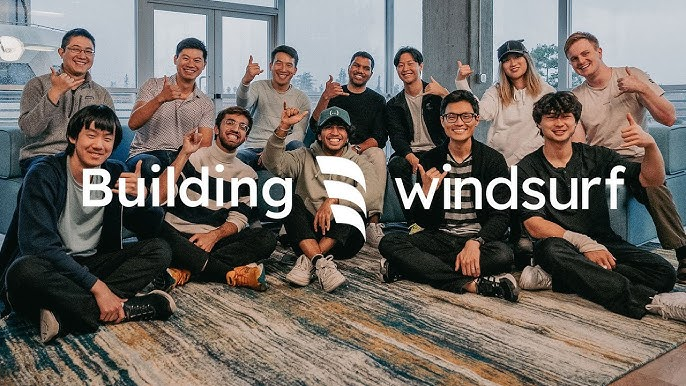
Developers have a new anxiety in 2026: token anxiety. You're in the middle of debugging a complex problem, the AI is helping you refactor three files simultaneously, and suddenly you wonder if this session is about to cost you $50. That mental tax slows you down and makes you second-guess using the tool you're paying for. Windsurf eliminated that anxiety with a simple decision: flat monthly pricing with no token limits. Fifteen dollars per month. Unlimited usage. No tracking credits or calculating costs per query. That pricing model sounds almost boring compared to the complex token systems other AI coding tools use, but boring is exactly what professional developers want when it comes to pricing. They want predictable costs and unlimited usage so they can focus on writing code instead of budgeting AI queries.
The idea that you need clarity about what you want to build as the main requirement is more challenging than it sounds. Most founders I know struggle far more with the what than the how.
five tiers is not that bad compared to what cloud providers do with pricing. At least these are fixed monthly costs and not usage-based surprises that give you a $4,000 AWS bill.
The article keeps calling this unprecedented but Anthropic finding zero-days in every major OS and every major browser is not a small caveat. That is civilization-level infrastructure.
The teen safety protections expanding internationally is actually significant. Building on the rollout in the US, UK, Canada, and Australia from late 2025 and now going wider is the kind of systematic approach that at least looks like genuine structural change rather than just PR.
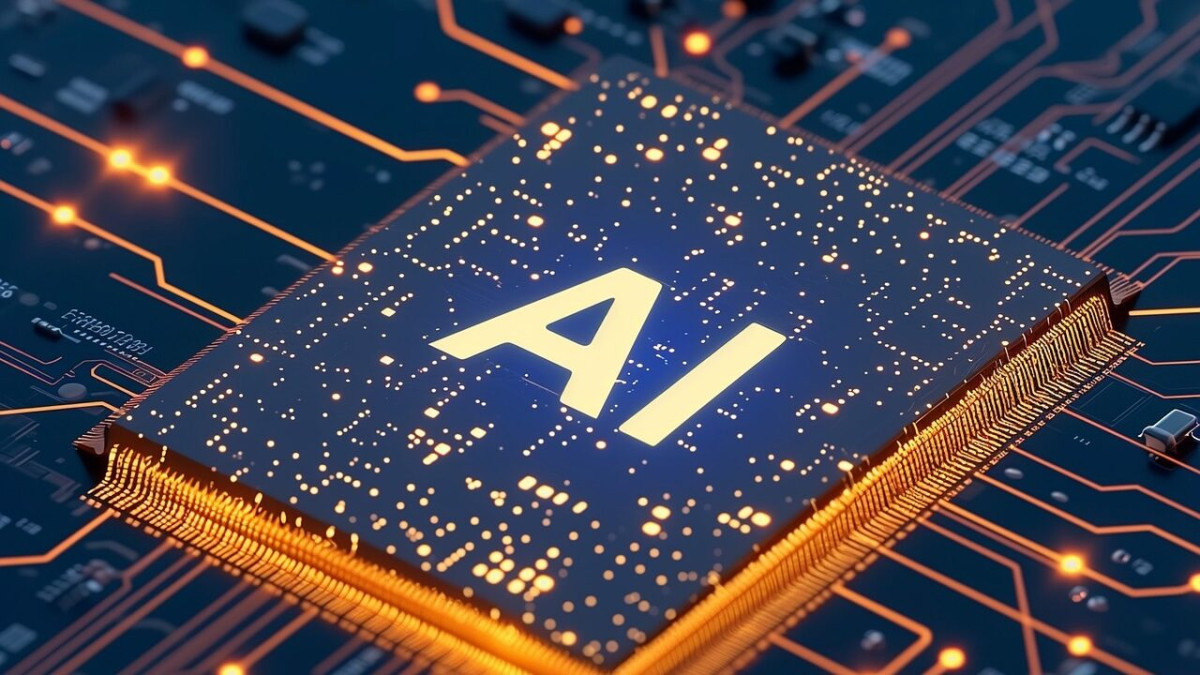
The artificial intelligence industry is entering a new phase of competition, one that extends far beyond the development of advanced language models and neural networks. Companies are now engaged in an intense struggle to secure the computational infrastructure necessary to train and deploy their AI systems. In this context, Anthropic has reportedly begun exploring the possibility of designing and manufacturing its own specialized processors to power Claude, its flagship conversational AI platform, along with its broader suite of artificial intelligence technologies. This strategic consideration emerges at a critical moment in the global AI sector. The exponential growth in model complexity and capability has created unprecedented demand for high-performance computing resources. Sources familiar with the matter indicate that Anthropic is conducting feasibility studies to determine whether developing proprietary semiconductor technology could reduce its dependence on external hardware vendors while ensuring reliable access to the computing power required for its operations.