The part about evening chronotypes needing more deliberate intervention is the part I wish the article had expanded on. That 30-minute-at-a-time adjustment tip is buried near the bottom and it should be front and center.
9
Sign up to see more
SignupAlready a member?
LoginBy continuing, you agree to Sociomix's Terms of Service, Privacy Policy
The part about evening chronotypes needing more deliberate intervention is the part I wish the article had expanded on. That 30-minute-at-a-time adjustment tip is buried near the bottom and it should be front and center.
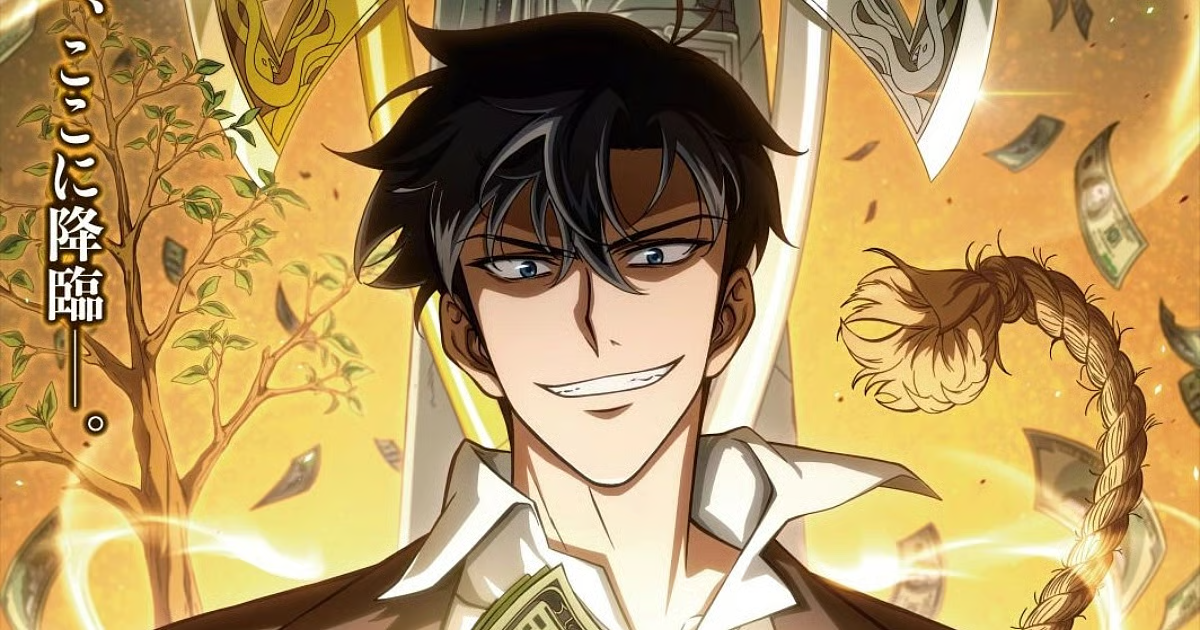
When Tomb Raider King first exploded onto the manhwa scene, it brought a fresh take on dungeon crawling stories by combining archaeological adventure with ruthless protagonist energy and a treasure-hunting premise that felt genuinely different from typical gate and dungeon narratives. The series built a dedicated fanbase through its satisfying blend of historical artifact powers, strategic relic acquisition, and a protagonist who wasn't afraid to be morally gray in pursuit of his goals. Now, with the anime adaptation confirmed for 2026 as one of the most anticipated manhwa-to-anime projects, Tomb Raider King is experiencing a resurgence. New readers are discovering the series while longtime fans eagerly await seeing Jooheon Suh's relic-hunting adventures brought to life with animation. The timing couldn't be better, as the series has built enough content to support a substantial adaptation while maintaining momentum in its ongoing storyline.
This is either going to be a series people talk about for years or it is going to collapse under the weight of its own ambitions around chapter forty. The premise is rich enough to go either way and I am invested enough to find out which.
The post is clearly written by someone who loves the source material and that enthusiasm is infectious even where the facts drift from what is actually confirmed.
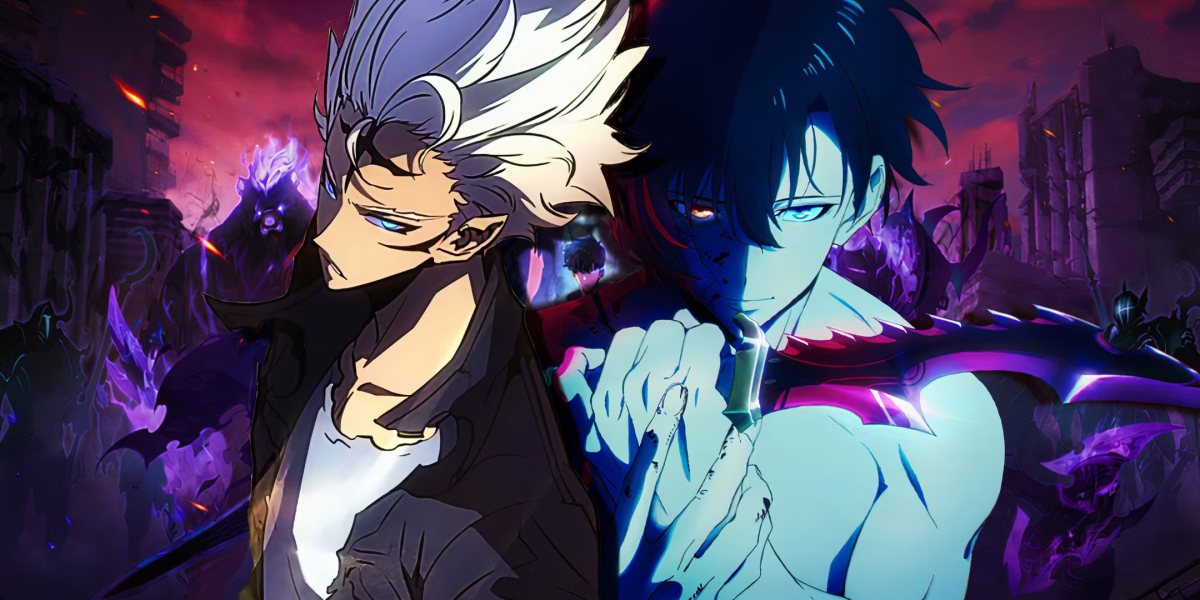
The manhwa world exploded when Solo Leveling first introduced us to Sung Jinwoo's journey from the weakest hunter to humanity's strongest defender. Now, Solo Leveling Ragnarok brings a fresh perspective to this beloved universe, and fans everywhere are asking the same questions. Can the sequel live up to the original? Do you need to read Solo Leveling first? What makes this continuation worth your time? This guide covers everything you need to know about Solo Leveling Ragnarok, whether you're a longtime fan or someone curious about jumping into the series Solo Leveling Ragnarok is not a reboot or alternate timeline. This is a direct sequel that continues the story years after the original series concluded. The protagonist shifts from Sung Jinwoo to his son, Sung Suho, who must forge his own path in a world still recovering from the catastrophic events his father prevented.
The article could have mentioned that The Gamer has been running for over a decade and is still ongoing. That's either a selling point or a warning depending on how you feel about open-ended stories.
Bigang as an instructor training others is going to be the emotional core of this series and the article correctly identifies it. Watching someone who endured centuries of suffering choose to invest in others is deeply compelling.
Starting this because my friend would not stop talking about it. Three chapters in and Lloyd's reaction to calculating profit margins from a drainage project genuinely made me laugh out loud.
The part about Video Agents triggering automatically from data sources is either the best product idea in enterprise training or a completely unreviewed content liability waiting to happen. Probably both.
In a manhwa landscape dominated by dungeon crawling, regression narratives, and power fantasies, The Greatest Estate Developer stands out by asking a simple question: what if the protagonist's greatest weapon wasn't a sword or magic system, but civil engineering knowledge? This bizarre premise transforms into one of the most entertaining, genuinely funny, and surprisingly heartfelt series currently running, proving that innovation in storytelling comes from unexpected places. The series takes the familiar isekai setup where a modern person finds themselves in a fantasy world and completely subverts expectations. Instead of becoming an adventurer or hero, protagonist Kim Suho uses his engineering knowledge to revolutionize construction, infrastructure, and economic development. What sounds like it should be boring becomes absolutely captivating through sharp writing, excellent comedic timing, and genuine passion for showing how infrastructure improves lives.

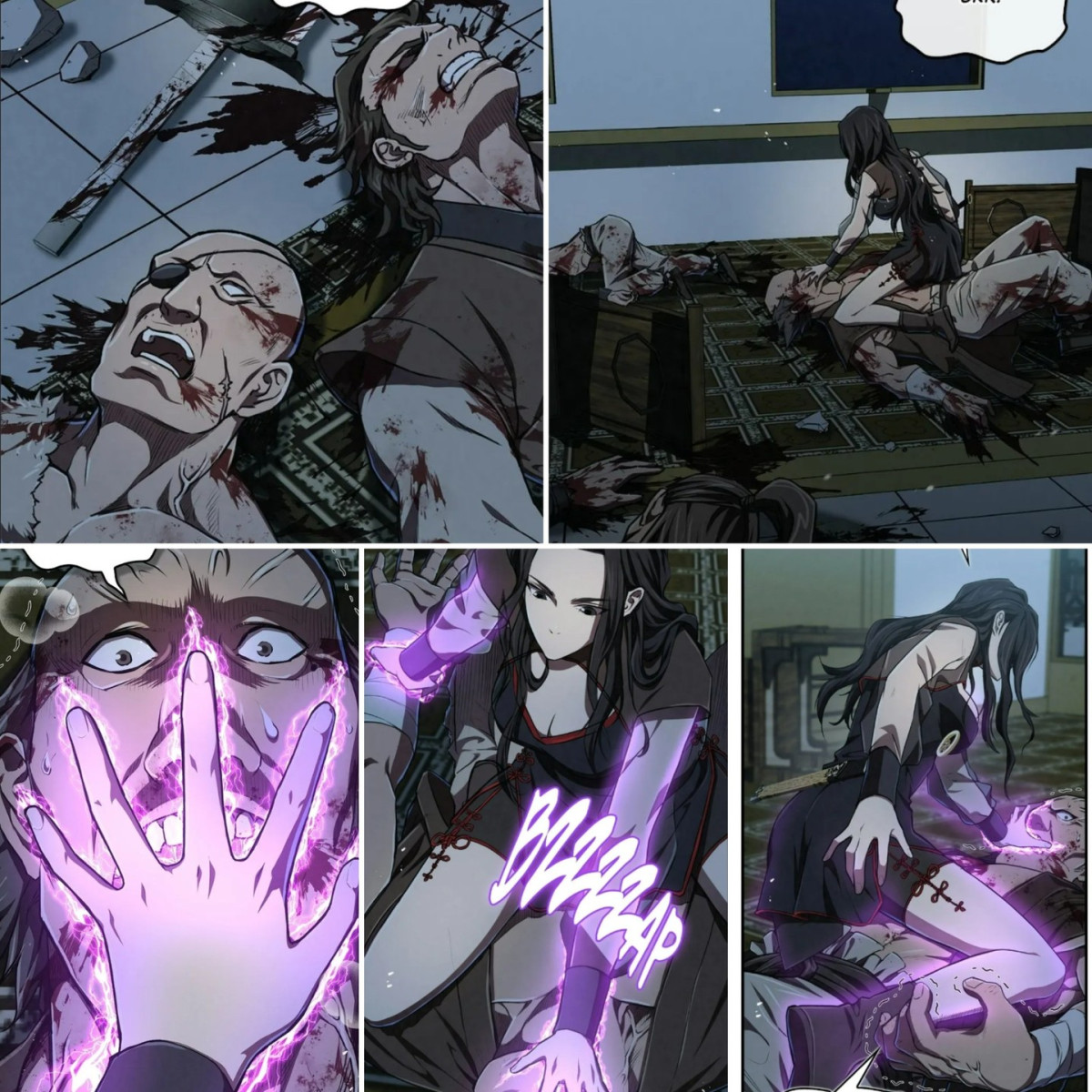
When you think of murim manhwa, your mind probably conjures images of ancient martial arts sects, internal energy cultivation, and warriors battling with swords and bare fists in historical settings. Science fiction elements like outer space invasions, advanced technology, and apocalyptic scenarios belong to completely different stories. Return of the Demonic Instructor takes these seemingly incompatible genres and weaves them into something genuinely innovative. Released on Webtoon in January 2026, this series arrived at the perfect moment when readers were hungry for fresh takes on established formulas. The premise alone sounds wild. A murim world gets invaded by demons from outer space, forcing martial artists to adapt centuries-old techniques to fight extraterrestrial threats. Then throw in regression, magic systems, and apocalyptic survival elements for good measure.
The law of financial gravity comment above deserves more attention. The assumption behind all of this is that compute costs keep falling faster than revenue growth so margins eventually normalize. If that assumption breaks, these burn rates become something much scarier.
The cybersecurity program finding thousands of zero days in weeks makes me simultaneously grateful Anthropic exists and terrified about what happens when a less careful organization builds something similar.
The fact that both Google and Microsoft are partners despite being direct competitors in the AI space is either a sign that the threat is serious enough to override competitive dynamics or a sign that everyone wants inside the tent. Probably both.
Meta has just had one of its most important AI moments yet and the early signals are hard to ignore. Following the launch of its newest AI model Muse Spark, the company’s standalone Meta AI app surged dramatically in popularity, hinting at a much larger shift that is beginning to take shape. The release is particularly significant because it marks the first major AI model rollout under Alexandr Wang, who joined Meta to reboot its AI strategy. This is not just another incremental update. It represents a more aggressive and focused push into the AI race. According to data from Appfigures, Meta AI jumped from number 57 to number 5 on the U.S. App Store within a day of the launch. That kind of movement rarely happens without a strong underlying pull from users. It signals not curiosity but intent.
The model was able to find and fully exploit Linux kernel vulnerabilities completely autonomously after a single initial prompt. No human steering after that. That is the detail that separates this from every previous announcement in this space.
Thanks for breaking down how versatile each piece is! Just realized I can create so many looks with items I already own
Never thought about pairing denim boots with leather shorts but it actually creates such an interesting texture mix