
My whole resistance to this is the breakfast thing. I am physically not hungry in the morning and forcing food into my body at 7 am makes me feel worse, not better.
20
Sign up to see more
SignupAlready a member?
LoginBy continuing, you agree to Sociomix's Terms of Service, Privacy Policy

My whole resistance to this is the breakfast thing. I am physically not hungry in the morning and forcing food into my body at 7 am makes me feel worse, not better.
What is the best way to improve working memory specifically? Not general brain health, specifically working memory.
Very much connected. The estate's involvement in both situations is not a coincidence.
Not sure I fully agree that Copycat pacing is faster than Bastard. Bastard had a brutal first chapter hook that still haunts me. These feel pretty comparable in terms of immediate threat establishment.
My only concern with an anime adaptation is pacing. A lot of the humor lives in facial expression panels and the slow build of a comedic beat. Bad pacing would absolutely kill what makes Lloyd so funny.
The question the article raises about whether isolation constitutes wisdom or resignation is going to live in my head for a while.
Still not fully convinced the BL isekai formula needed reinventing rather than simply a competent execution of its existing potential. Sometimes a genre does not need subversion. It just needs a story told well. Will wait to see if the series earns the reinvention label.
Unpopular opinion but Lee Gilyoung and Shin Yoosung are the emotional core of the entire series for me. Every choice Dokja makes feels more meaningful because protecting them is always somewhere in the calculation.
The 128k token context window is what actually makes this useful for real projects. Every other AI tool I have used spits out components that look like they were built in isolation on a different planet from the rest of my codebase.
Saw a demo recently where a product manager described a feature in plain English, v0 generated the UI, the PM iterated on it in real time, and a developer reviewed the output all in the same session. The whole thing took 45 minutes. That used to be a two-week process.
Just here to say that as a non-technical founder who has tried to hire developers three separate times in the past four years and gotten burned each time, this feels like a personal vindication.
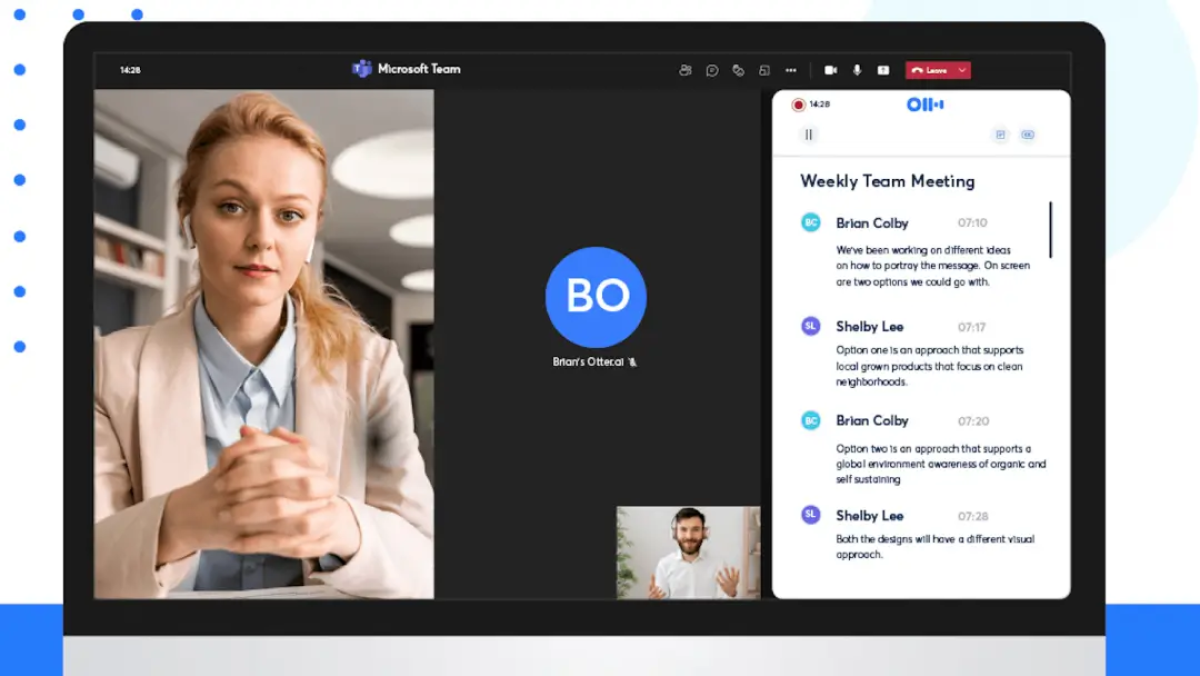
Knowledge workers spend an average of 18 hours per week in meetings. Much of that time involves routine status updates, recurring check-ins, and informational sessions where your physical presence adds minimal value. Otter.ai introduced a provocative concept called OtterPilot: an AI assistant that joins meetings autonomously when you can't attend, records everything, generates summaries, and answers questions about what happened. Connect Otter.ai to your calendar. The system monitors your scheduled meetings and automatically joins Zoom, Google Meet, or Microsoft Teams calls when they start. OtterPilot records audio, generates real-time transcripts, identifies speakers, and creates AI summaries with action items. You receive a meeting briefing without attending the meeting yourself.
Hot take: this is not replacing your development team. It is replacing your intern. There is a significant difference.
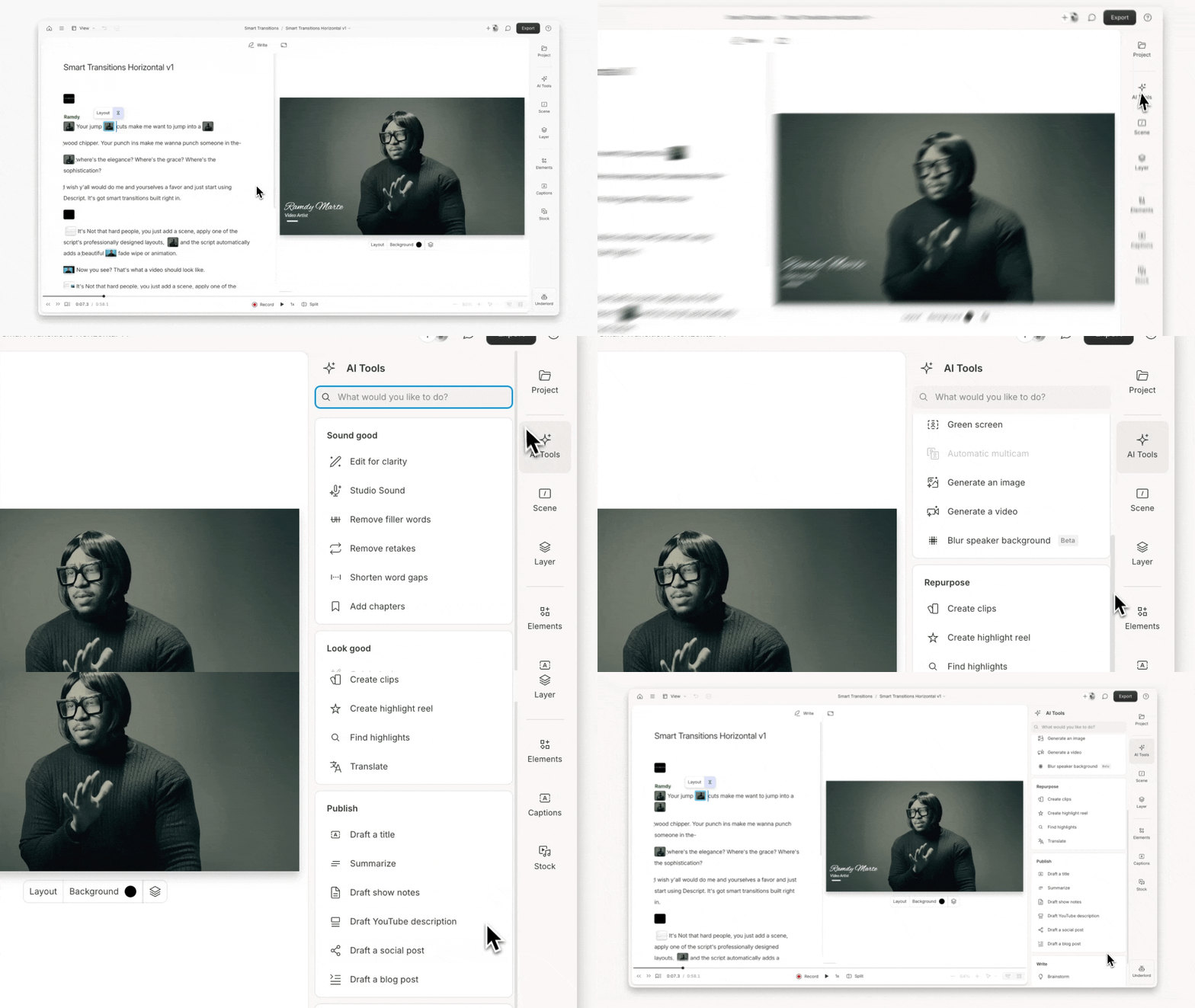
Most people can edit a Google Doc. Delete some words, rearrange sentences, fix typos, add paragraphs. It's intuitive and requires no special training. Now imagine editing video the same way. That's Descript's core innovation, and it transformed video editing from a specialized skill requiring expensive software into something anyone who can edit text can do effectively. Descript started as a transcription tool for podcasters. Record your podcast, upload it to Descript, and get an accurate transcript for show notes. But the founders realized something bigger. If you have a perfect transcript synchronized to audio, you can edit the audio by editing the text. Delete a word from the transcript and that word disappears from the audio. That insight became the foundation for a complete editing platform.
My designer literally sent me a Figma frame last month with a sticky note that said please do not destroy this. That relationship needs all the help it can get.
The authentication and database features in Bolt Cloud are genuinely full-stack capable for most use cases. Stop treating this like a toy.
Honest question with no agenda: is there a ceiling on how many real businesses are going to be built and sustained on AI-generated codebases, or does the maintenance problem catch up to everyone eventually?
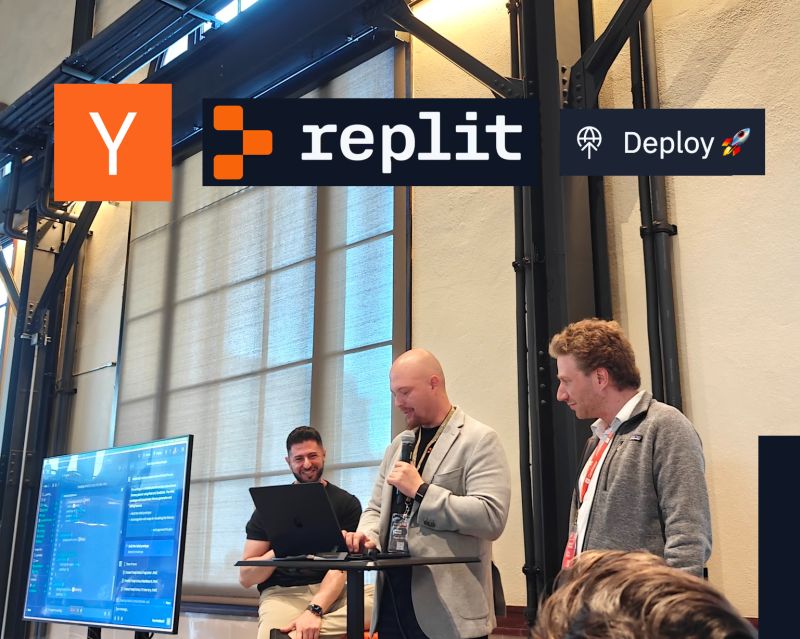
When a company's revenue jumps from $10 million to $100 million in nine months, you pay attention. When that growth comes from an AI agent that builds entire applications autonomously, you realize something fundamental just changed in software development. Replit Agent represents that change, and the numbers prove developers are ready for it. Replit started as a browser-based coding environment for education. Students could write Python or JavaScript without installing anything locally. Teachers loved it because setup time vanished. But the company saw something bigger. If you could run code in the browser, why not let AI write that code? That question led to Agent 3, an AI that doesn't just suggest code completions. It builds entire applications from scratch.
Speaking from experience in cloud infrastructure, the real value of custom chips often shows up in ways that are hard to measure from outside. Things like tighter integration with networking fabric, better memory bandwidth utilization for specific workloads, and reduced licensing overhead can add up.
The fact that both Google and Microsoft are partners despite being direct competitors in the AI space is either a sign that the threat is serious enough to override competitive dynamics or a sign that everyone wants inside the tent. Probably both.