
The article makes a point I had not considered before, that Jaafar was the right fit for the specific film this production was always going to be. A different director or a different mandate might have needed a different actor.
21
Sign up to see more
SignupAlready a member?
LoginBy continuing, you agree to Sociomix's Terms of Service, Privacy Policy

The article makes a point I had not considered before, that Jaafar was the right fit for the specific film this production was always going to be. A different director or a different mandate might have needed a different actor.
If the concert sequences are your main reason for going, opening weekend in a good theater is probably worth it. If you are mainly interested in the biographical story, the streaming version will serve you just as well and the reviews suggest the narrative is thin enough that you will not feel like you missed a cinematic event by waiting.
Hot take but the AI art commentary embedded in this story is more effective than any think piece written about the issue because it is filtered through actual human desperation rather than abstract outrage.
In a manhwa landscape dominated by dungeon crawling, regression narratives, and power fantasies, The Greatest Estate Developer stands out by asking a simple question: what if the protagonist's greatest weapon wasn't a sword or magic system, but civil engineering knowledge? This bizarre premise transforms into one of the most entertaining, genuinely funny, and surprisingly heartfelt series currently running, proving that innovation in storytelling comes from unexpected places. The series takes the familiar isekai setup where a modern person finds themselves in a fantasy world and completely subverts expectations. Instead of becoming an adventurer or hero, protagonist Kim Suho uses his engineering knowledge to revolutionize construction, infrastructure, and economic development. What sounds like it should be boring becomes absolutely captivating through sharp writing, excellent comedic timing, and genuine passion for showing how infrastructure improves lives.

Three separate times while reading this series a minor character I had just started caring about died unfairly with things unresolved and I had to put my phone down and take a walk. The series earns its reputation.
Everyone in these comments is sleeping on how important the art quality difference is for beginners. Solo Leveling is the right starting point partly because the art alone communicates the power fantasy better than most series explain it in text.
Someone asked about streaming and honestly the smart money is on Crunchyroll handling global distribution like they do with most manhwa adaptations right now. But nothing is confirmed.
Starting this because my friend would not stop talking about it. Three chapters in and Lloyd's reaction to calculating profit margins from a drainage project genuinely made me laugh out loud.
What makes this different from just being a really good action manhwa is that the art is doing active narrative work. The difference between what Cheon Yeo-Woon sees through the nano machine and what other characters see creates information asymmetry that the story exploits constantly.
Gosu winning the Presidential Award in Korea is the detail people sleep on. This is not just a popular webtoon. It has institutional recognition as a work of cultural significance.
Asked my reading group to pick this up and we spent an entire session just discussing the implications of Bigang knowing individual demons personally. The interpersonal dread of that is immense.
Speaking from experience running a small video production house, the camera control improvements alone are worth the subscription. Being able to choreograph a slow push-in on a subject without getting random drift is genuinely game changing for our workflow.
What I appreciate is the try before you buy model. Every AI tool should offer enough free usage to actually complete a meaningful task, not just a toy demo. The 25 prompt credit floor is reasonable.
What the article misses is the psychological shift for solo founders. It is not just that you can build faster. It is that the wall between having an idea and testing it is so low now that you run more experiments, which means you find product-market fit faster or fail faster. Both are good.
Calling it now, if this gets an anime the construction montages with good background music are going to go absolutely viral.
The claim that this builds trust because people reference transcripts in legal contexts is doing a lot of work given the active litigation currently challenging whether this tool violated recording laws. Trust is complicated.
Forty million dollars in annual recurring revenue. Six months. One browser-based platform. Those numbers would be impressive for any software company, but for Bolt.new, they represent something more significant: the moment when development environments moved permanently into the cloud and never looked back. Traditional software development has always required setup. Install Node.js, configure your environment, manage dependencies, set up local servers, troubleshoot version conflicts. Before writing a single line of code, developers spend hours or even days preparing their machines. Junior developers often spend their first week just getting their environment working. Bolt.new eliminated all of that with WebContainers technology.
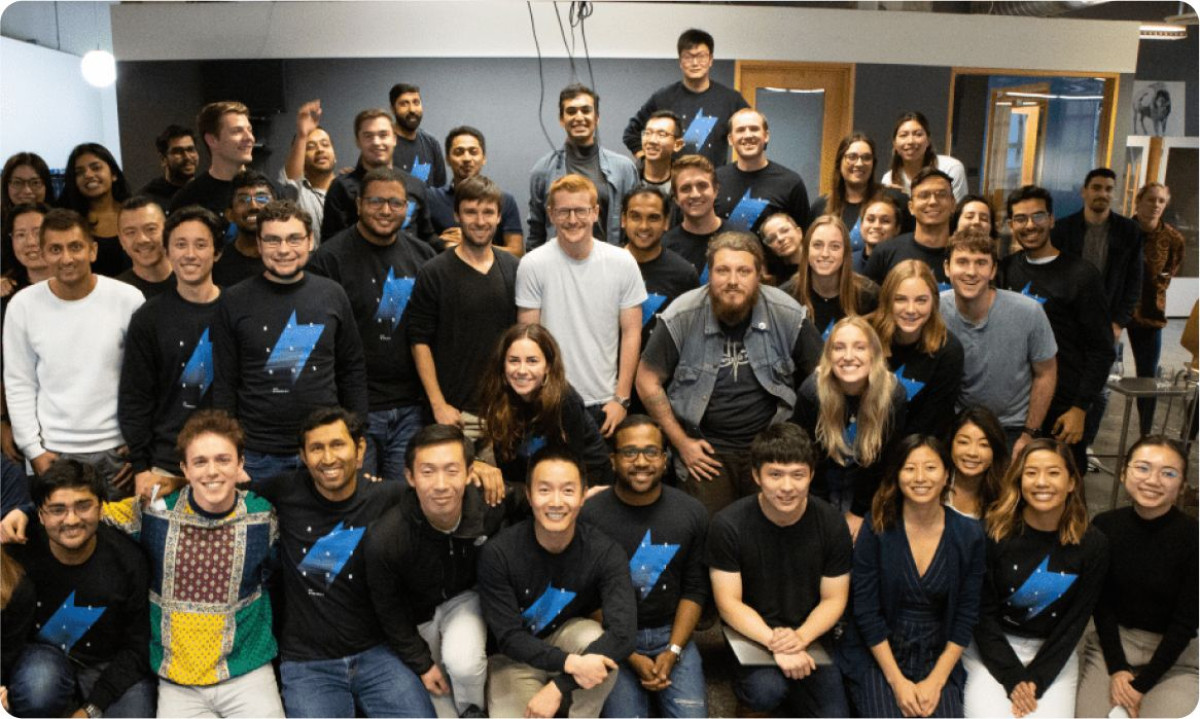
The bit about a nurse suggesting a patient journey visualization tool that ended up in every invoice is the most interesting detail in any of the coverage about this company. Enterprise adoption from the bottom up is the real story here.
ChatGPT still has 900 million weekly users. Meta getting excited about 46,000 daily downloads on iOS is like someone celebrating getting into the parking lot of a concert they are still not inside.
The article positions Meta's ecosystem as a distribution moat and it is correct. But moats get crossed. Google had a moat in search. Microsoft had a moat in productivity software. These things are not permanent and the AI space is moving too fast to assume any current position is durable.