
Honestly felt seen reading the part about calorie apps making you miserable. I spent three years logging every bite and lost basically nothing while feeling constantly surveilled by my own phone.
22
Sign up to see more
SignupAlready a member?
LoginBy continuing, you agree to Sociomix's Terms of Service, Privacy Policy

Honestly felt seen reading the part about calorie apps making you miserable. I spent three years logging every bite and lost basically nothing while feeling constantly surveilled by my own phone.
Bio-harmony eating is the nutrition trend reshaping how people think about food in 2026, and if you have been feeling like calorie counting is making you miserable without actually delivering results, the science behind it will likely resonate immediately. The concept is straightforward - instead of obsessively tracking numbers on a label, you align what you eat, when you eat it, and how much with your body's internal biological clock, your metabolic rhythms, and your gut's own needs. After spending several months testing this approach, shifting my own meals earlier in the day and rebuilding my eating window around natural light cycles, the difference in energy levels and digestion alone was enough to keep me from ever going back to a calorie app. This guide covers what bio-harmony eating actually is, the real science behind it, what a typical day looks like in practice, and who is most likely to benefit.

Back when I was first getting into this space a few years ago, the nootropics conversation was almost entirely in biohacker forums. Watching it move to mainstream wellness culture and now to TikTok and run clubs is a genuinely interesting cultural shift to observe.
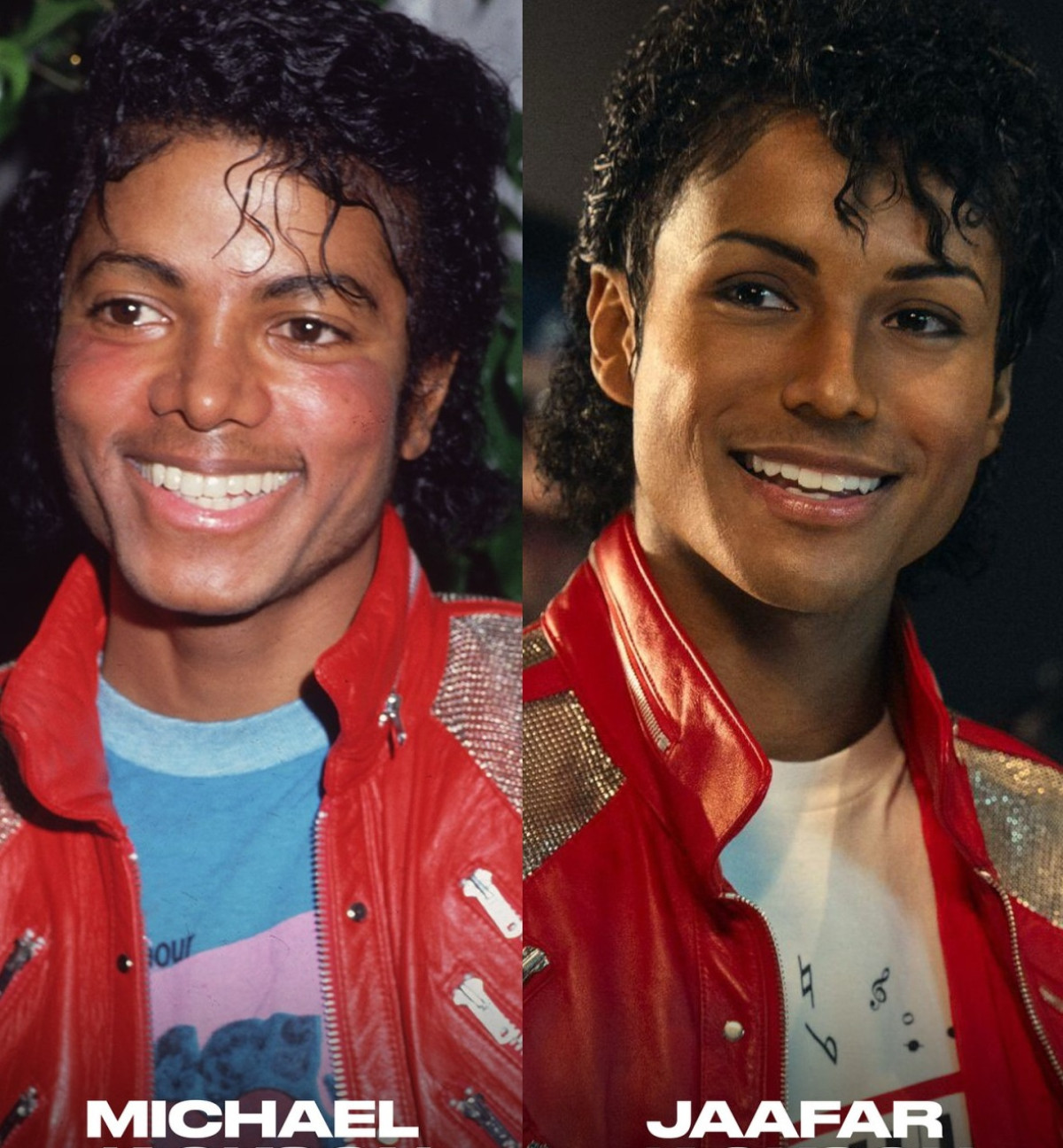
Jaafar Jackson plays Michael Jackson in the 2026 biopic Michael, and the story of how the 29-year-old newcomer landed the role is more interesting than the film itself. It started with a voice note. It involved a two-year global casting search with no formal auditions. It required Jaafar to keep the role secret from his own family for a full year. And it ended with his grandmother Katherine Jackson, the woman who knew Michael longest and loved him most, telling producers that her grandson didn't just resemble her son, he embodied him. After tracking every interview, behind-the-scenes video, and production report released since the film was announced, I can tell you that the choice of Jaafar was not nepotism, not a publicity play, and not the obvious pick everyone assumes it was. It was a hard-earned outcome of the most unusual casting process in recent biopic history, and here is how it actually happened.
What I keep wondering is whether a genuinely honest Michael Jackson biopic could ever be commercially viable or whether the combination of estate control, legal risk, and fan expectations makes a real reckoning structurally impossible to finance.
The comparison to Solo Leveling makes sense commercially but creatively they are very different vibes. Solo Leveling is about ascending a power hierarchy. Tomb Raider King is more like watching a master con artist work in a supernatural setting.
The historical relic angle is genuinely underrated. Getting a Napoleon relic or a Cleopatra relic and seeing how the show interprets those powers is the kind of variety that keeps things fresh chapter after chapter.
Someone please tell me there is a season 4 or continuation because finishing season 3 felt like hitting a wall.
What got me was how different a fight in a narrow corridor looks versus an open courtyard. The artist genuinely redesigns the choreography around the space instead of just dropping the same action into different backgrounds.
While Synthesia leads in revenue, HeyGen leads in customer acquisition momentum with 152% year-over-year growth in mid-market adoption. That explosive growth rate allowed HeyGen to close much of the customer count gap by late 2025. The company is winning by making avatar video accessible to smaller teams and individual creators who cannot afford enterprise contracts but need professional video capabilities. HeyGen positioned itself for small and medium businesses, marketing teams, content creators, and solo entrepreneurs rather than enterprise learning and development departments. This market segment values affordability, ease of use, and creative flexibility over governance features and advanced integrations. Average contract values are roughly one-third of Synthesia's, reflecting this different customer profile.
The article nails something real with the professional aesthetic point. Tools built for developers should look like they were built by developers. There is a whole visual language around professional IDEs and ignoring it signals misalignment.
The debate the article mentions between abstraction hiding important details versus speed and accessibility being more valuable is not new. We had this debate about high-level programming languages. About frameworks. About cloud hosting. The abstractionists keep losing.
What I find interesting from a market structure perspective is that HeyGen is not taking Synthesia's customers. The data shows HeyGen is mostly finding new customers, not converting Synthesia users. These two companies are genuinely building different markets.
Sending a bot to a meeting instead of attending should require telling the other participants first. It should not be something you can do silently. The transparency norm should be explicit.
When Tomb Raider King first exploded onto the manhwa scene, it brought a fresh take on dungeon crawling stories by combining archaeological adventure with ruthless protagonist energy and a treasure-hunting premise that felt genuinely different from typical gate and dungeon narratives. The series built a dedicated fanbase through its satisfying blend of historical artifact powers, strategic relic acquisition, and a protagonist who wasn't afraid to be morally gray in pursuit of his goals. Now, with the anime adaptation confirmed for 2026 as one of the most anticipated manhwa-to-anime projects, Tomb Raider King is experiencing a resurgence. New readers are discovering the series while longtime fans eagerly await seeing Jooheon Suh's relic-hunting adventures brought to life with animation. The timing couldn't be better, as the series has built enough content to support a substantial adaptation while maintaining momentum in its ongoing storyline.

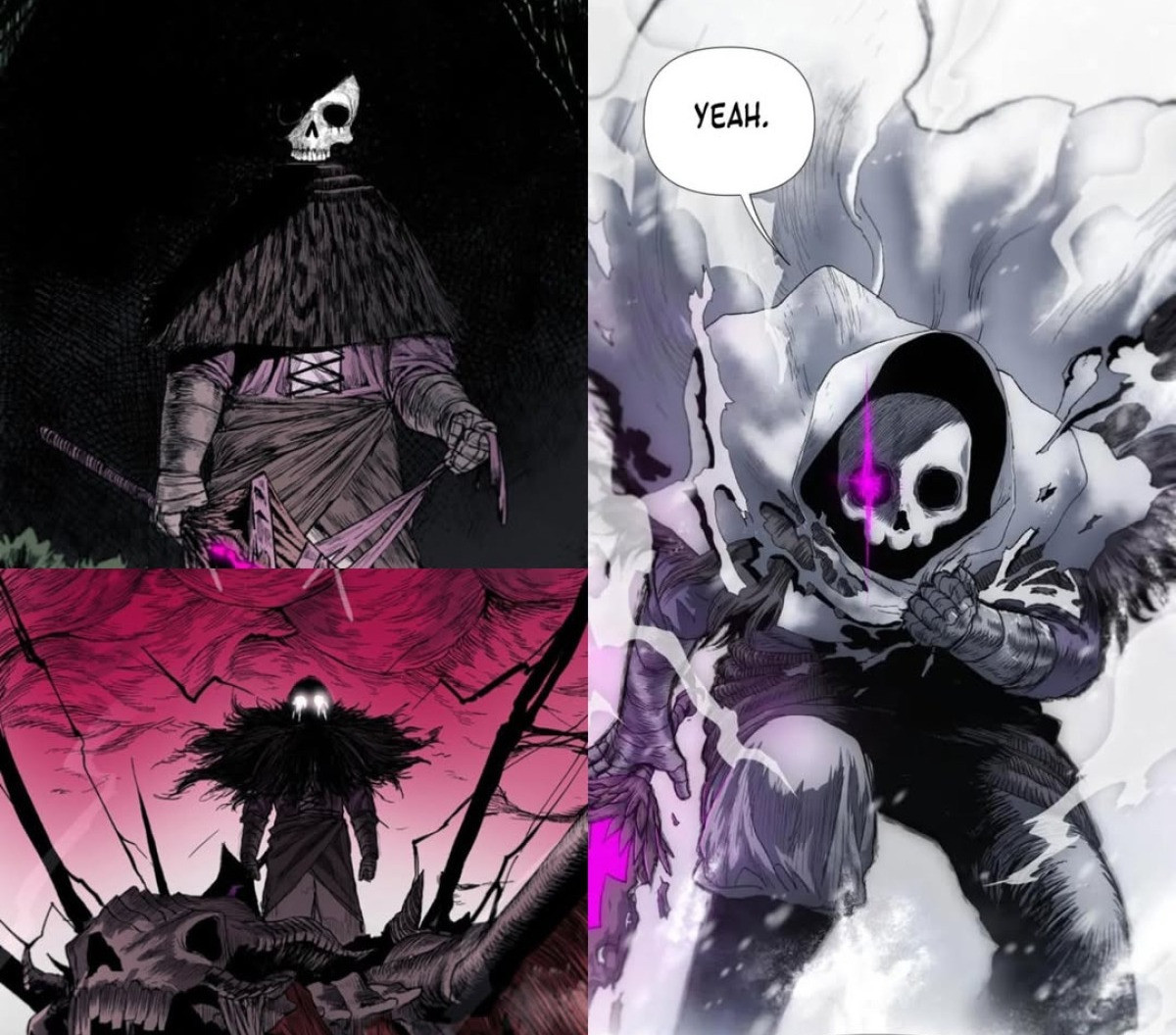
When a manhwa gets compared to Frieren: Beyond Journey's End but with a dark, bleak twist, expectations immediately rise. The Tale of the Skeleton Messenger, released on Webtoon in January 2026 by creators kain_y and SORAGAE, arrives with that exact premise and a tone that sets it apart from the increasingly crowded fantasy manhwa landscape. Most fantasy stories lean toward hopeful narratives where heroes overcome darkness through determination and friendship. Even dark fantasy typically offers glimmers of light and the possibility of triumph. The Tale of the Skeleton Messenger takes a different approach, embracing bleakness and melancholy in ways that feel refreshing rather than oppressive, thoughtful rather than nihilistic.
Been using this for client prototypes and the biggest win is honestly the stakeholder reaction. When you show someone a clickable, real app instead of a Figma file, the quality of feedback you get is completely different.
Honestly the thing that nobody talks about enough is how Sequoia is backing both OpenAI and Anthropic simultaneously. That breaks every traditional VC rule about funding direct competitors. They've clearly decided this market is big enough that picking sides is a mistake.
The designer-developer relationship has been tense for decades. Designers create pixel-perfect mockups in Figma. Developers translate them to code and somehow everything looks slightly wrong. Fonts don't match. Spacing is inconsistent. Buttons have different corner radiuses. Both sides get frustrated, blame each other, and the product suffers. V0 by Vercel is fixing this problem by generating production-quality React components that look exactly like the designs. The rebrand from v0.dev to v0.app in January 2026 signaled expanded ambitions beyond just UI component generation. Vercel positioned the tool for full-stack web development, though its core strength remains frontend excellence. That strategic clarity matters because trying to be everything often means excelling at nothing. V0 chose to dominate the handoff between design and code before expanding into other areas.

Speaking from experience working in cybersecurity policy, the problem with the safety argument is that you cannot build a backdoor only for the good guys. The same access that lets TikTok's safety team scan messages is the same access that gets exploited in a data breach.