Skeptical of the job security argument, honestly. They said the same thing about semiconductor fabs and financial trading floors. Every industry eventually automates the parts it can and shrinks the parts it cannot.
24
Sign up to see more
SignupAlready a member?
LoginBy continuing, you agree to Sociomix's Terms of Service, Privacy Policy
Skeptical of the job security argument, honestly. They said the same thing about semiconductor fabs and financial trading floors. Every industry eventually automates the parts it can and shrinks the parts it cannot.
What got me was how different a fight in a narrow corridor looks versus an open courtyard. The artist genuinely redesigns the choreography around the space instead of just dropping the same action into different backgrounds.
The article ends before finishing its thought on talent and purpose, which feels accidentally appropriate for a story that resists easy conclusions. Some questions are better left open.
The manhwa community has been buzzing with anticipation ever since MAPPA Studio announced their adaptation of Omniscient Reader's Viewpoint. With a spring 2026 release date confirmed and 24 episodes planned for the first season, this adaptation represents one of the most ambitious manhwa-to-anime projects ever undertaken. But what makes this series so special that it warranted such a massive production commitment? If you're hearing about Omniscient Reader's Viewpoint for the first time or wondering whether the hype is justified, this guide will prepare you for what promises to be one of the biggest anime releases of the year. We'll cover the story premise, why it's captured millions of readers worldwide, what MAPPA's involvement means, and everything else you need to know before the first episode airs

Counterpoint: for anyone who already knows Premiere Pro or Final Cut, the learning curve is actually reversed. You have to unlearn instincts and stop reaching for timeline tools that are not the point anymore. Took me a few weeks to fully switch over.
Hot take: Seedance 2.0 from ByteDance was quietly the most technically impressive release of early 2026 and barely anyone in Western tech circles is talking about it.
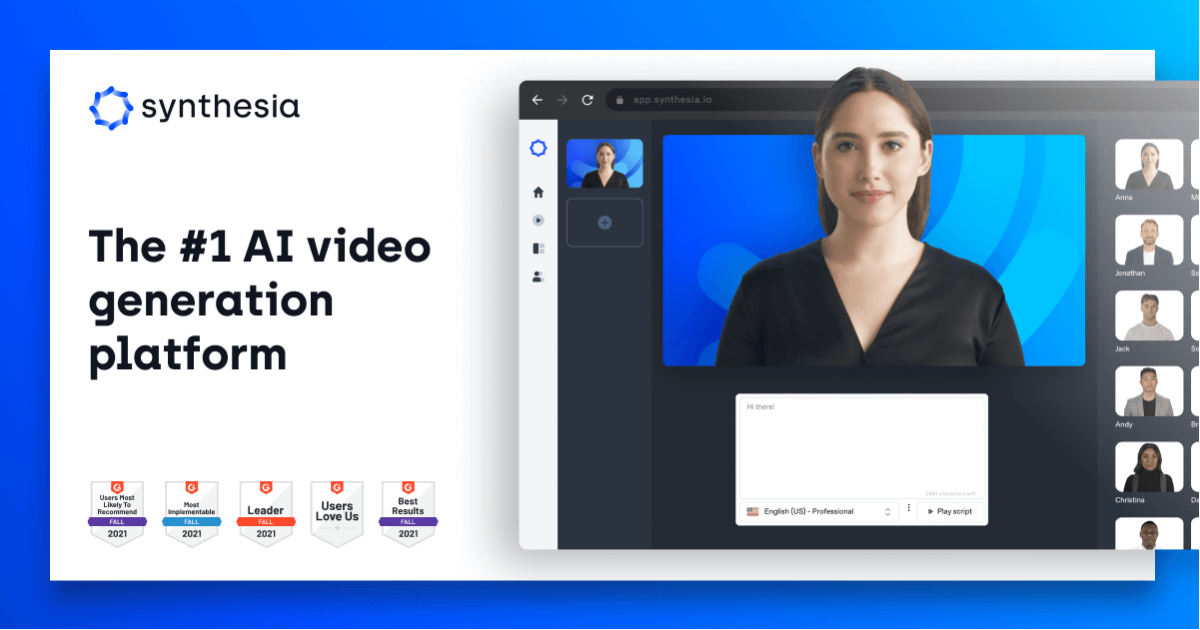
When a company raises $200 million in Series E funding during January 2026, investors are betting on more than potential. They're backing proven market demand and sustainable growth. Synthesia's funding round came alongside a 44% year-over-year increase in headcount to 706 employees, signaling aggressive expansion in a category the company essentially created: AI avatar-based video generation for enterprise training and communications. Corporate training videos have been expensive and slow to produce for decades. Recording a single 10-minute training module traditionally required booking a studio, hiring a presenter, scheduling a videographer, managing multiple takes, and editing everything together. If you needed to update information or translate content, you essentially started over. Synthesia eliminated this entire production workflow by replacing human presenters with AI avatars.
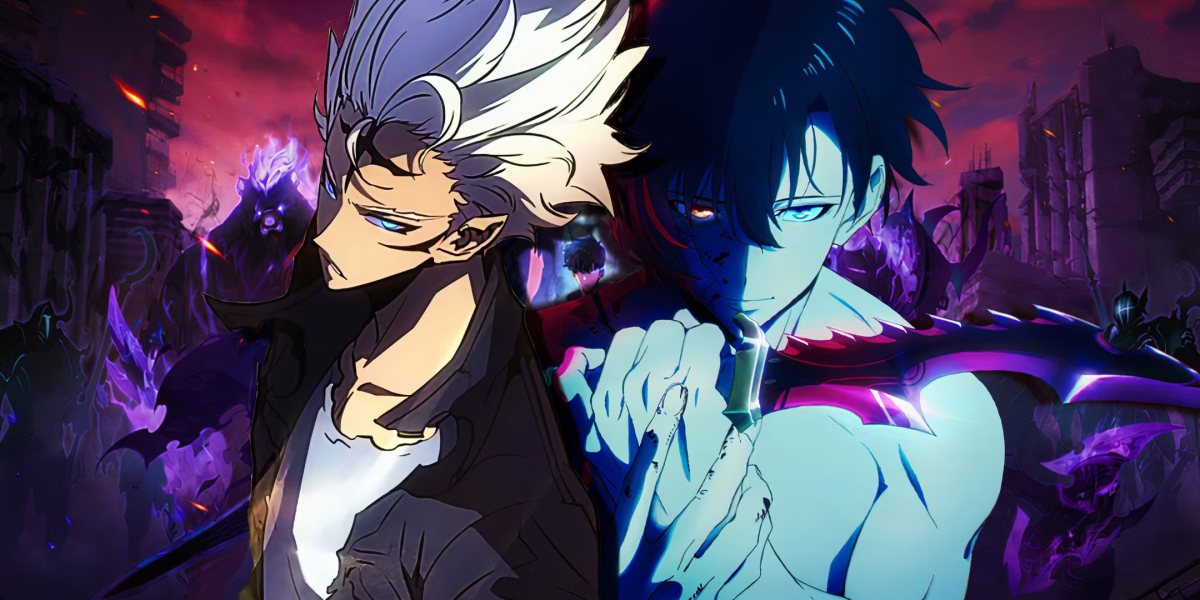
The manhwa world exploded when Solo Leveling first introduced us to Sung Jinwoo's journey from the weakest hunter to humanity's strongest defender. Now, Solo Leveling Ragnarok brings a fresh perspective to this beloved universe, and fans everywhere are asking the same questions. Can the sequel live up to the original? Do you need to read Solo Leveling first? What makes this continuation worth your time? This guide covers everything you need to know about Solo Leveling Ragnarok, whether you're a longtime fan or someone curious about jumping into the series Solo Leveling Ragnarok is not a reboot or alternate timeline. This is a direct sequel that continues the story years after the original series concluded. The protagonist shifts from Sung Jinwoo to his son, Sung Suho, who must forge his own path in a world still recovering from the catastrophic events his father prevented.
Still skeptical that apps built by non-technical people through natural language prompts will hold up when user behavior gets weird, traffic spikes unexpectedly, or a dependency has a security update. The brittleness question is not answered by showing demos.
The designer-developer relationship has been tense for decades. Designers create pixel-perfect mockups in Figma. Developers translate them to code and somehow everything looks slightly wrong. Fonts don't match. Spacing is inconsistent. Buttons have different corner radiuses. Both sides get frustrated, blame each other, and the product suffers. V0 by Vercel is fixing this problem by generating production-quality React components that look exactly like the designs. The rebrand from v0.dev to v0.app in January 2026 signaled expanded ambitions beyond just UI component generation. Vercel positioned the tool for full-stack web development, though its core strength remains frontend excellence. That strategic clarity matters because trying to be everything often means excelling at nothing. V0 chose to dominate the handoff between design and code before expanding into other areas.
The flat pricing pitch sounds great until you hit the daily quota cap mid-debugging session and stare at a locked screen until midnight when it resets. Been there.
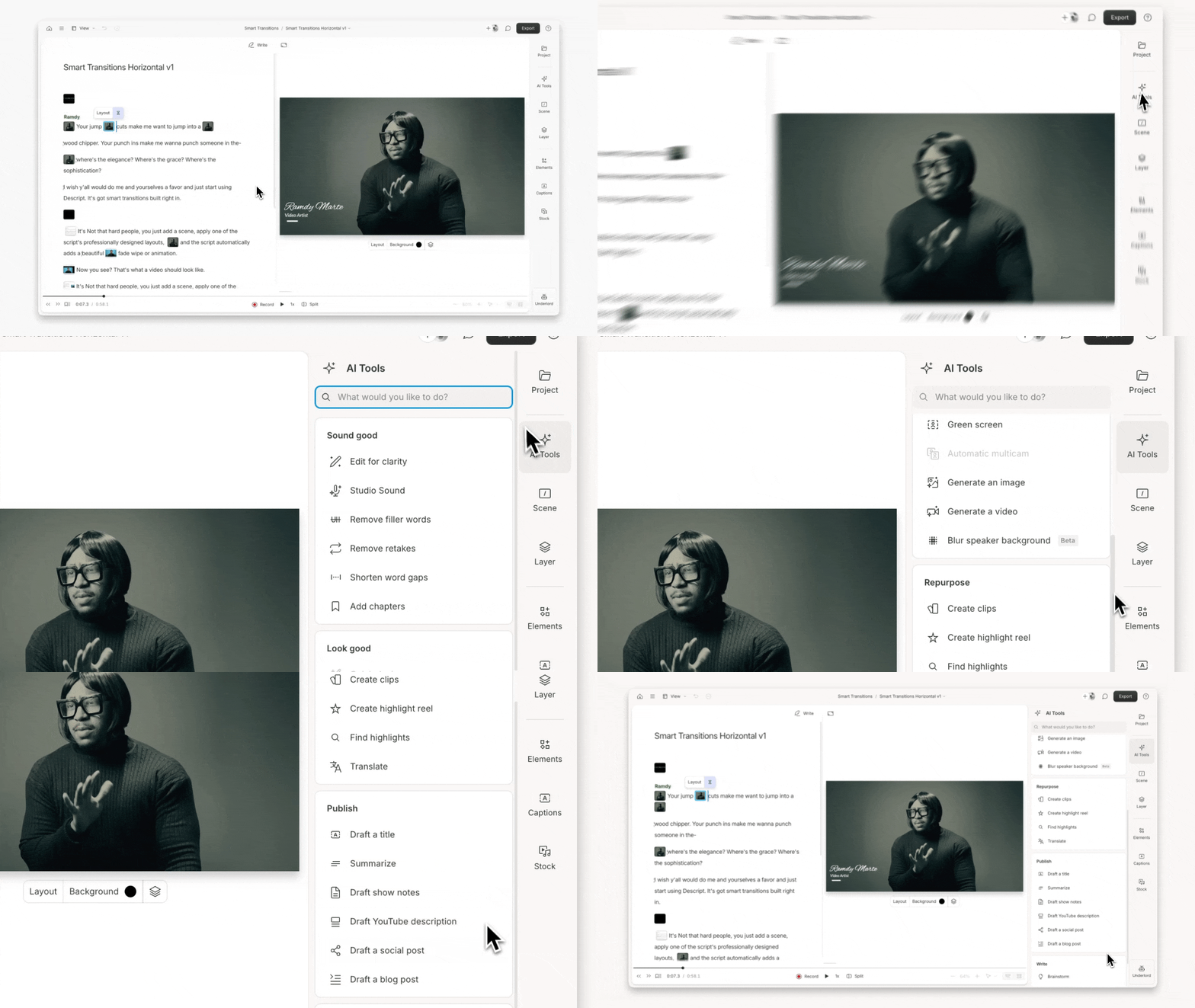
Most people can edit a Google Doc. Delete some words, rearrange sentences, fix typos, add paragraphs. It's intuitive and requires no special training. Now imagine editing video the same way. That's Descript's core innovation, and it transformed video editing from a specialized skill requiring expensive software into something anyone who can edit text can do effectively. Descript started as a transcription tool for podcasters. Record your podcast, upload it to Descript, and get an accurate transcript for show notes. But the founders realized something bigger. If you have a perfect transcript synchronized to audio, you can edit the audio by editing the text. Delete a word from the transcript and that word disappears from the audio. That insight became the foundation for a complete editing platform.
The AI video generation race just got a clear winner. Runway Gen-4.5 topped the Video Arena leaderboard with a 1,247 Elo score, surpassing both Google Veo 3 and OpenAI Sora 2. For those unfamiliar with Elo ratings, this is the same system used to rank chess players and competitive games. A higher score means more wins in head-to-head comparisons. When real users compare videos side by side without knowing which AI generated them, they consistently choose Runway's output. Runway didn't start as an enterprise video tool. It began as a playground for artists and filmmakers who wanted to experiment with AI-generated visuals. The early versions produced fascinating but inconsistent results. Sometimes you'd get stunning cinematic footage. Other times you'd get distorted motion and unrealistic physics. Gen-4.5 changed that equation by achieving breakthrough consistency in motion quality and physical accuracy.
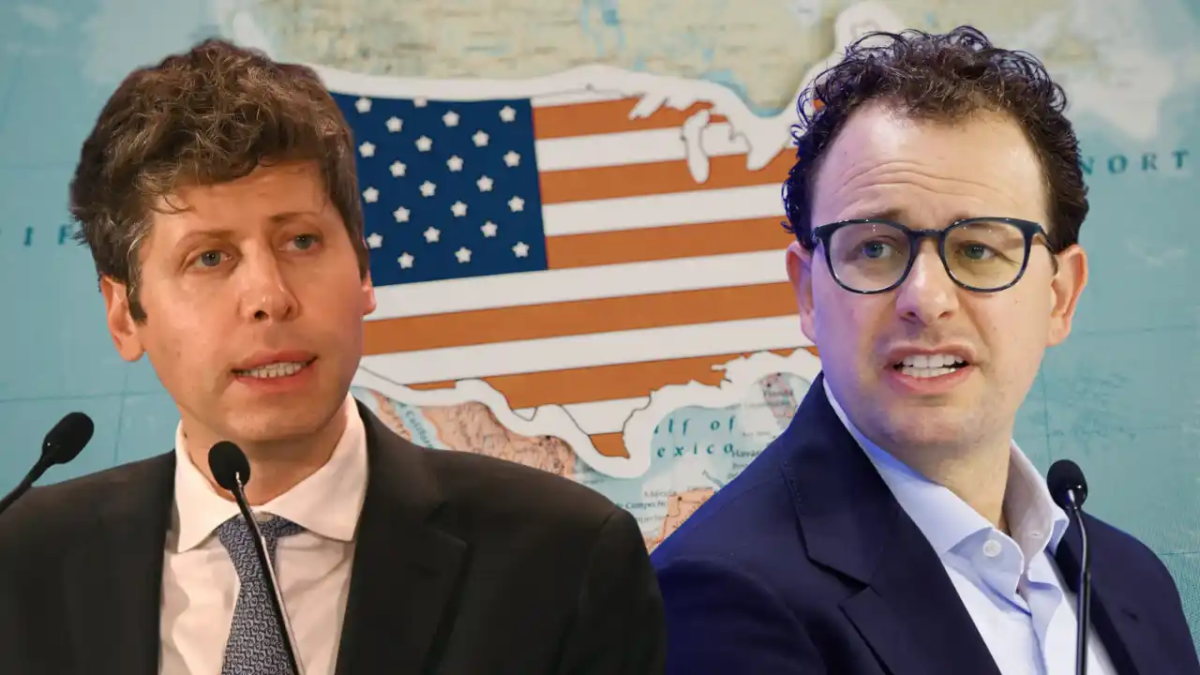
There's a photograph from February 2026 that pretty much sums up the state of AI right now. At the India AI Impact Summit in New Delhi, Indian Prime Minister Narendra Modi invited the world's tech leaders onstage for a group photo. Everyone held hands. Well, almost everyone. Sam Altman of OpenAI and Dario Amodei of Anthropic, standing right next to each other, refused to clasp hands and instead raised their fists separately. The internet, predictably, lost its mind. An awkward moment between OpenAI CEO Sam Altman and Anthropic CEO Dario Amodei at an AI Summit captured the increasingly icy relations between two rival tech leaders who started off as colleagues. That's not just petty drama. It's a window into what may be the most consequential corporate rivalry in the technology world right now, one that's playing out in boardrooms, courtrooms, Super Bowl ads, and billion-dollar compute deals all at once.
As someone who works in enterprise software, the multi-agent architecture is what I keep coming back to. Spinning up parallel subagents to handle different parts of a task simultaneously is not a gimmick. That is genuinely how complex workflows need to be handled, and very few consumer-facing products have shipped that cleanly.
Wait, does the new $100 Pro tier include the extended context windows that the $200 tier has? The article says the $200 tier includes extended context across all ChatGPT capabilities not just Codex. If the $100 tier does not have that, the value prop gets complicated.
Does anyone else find it slightly ironic that we are debating which AI subscription is worth $100 per month when the productivity gains from either tool could easily exceed that in the first hour of the billing cycle?
the way this article frames everything as OpenAI being on the defensive feels slightly editorialized. Codex has 3 million weekly active users and was released less than a year ago. That is not failure by any reasonable metric.
the chip shortage is not just a price problem. Lead times for the most advanced Nvidia hardware have stretched to six months or more. For a company growing as fast as Anthropic, waiting half a year for hardware to arrive is a genuine competitive liability.